
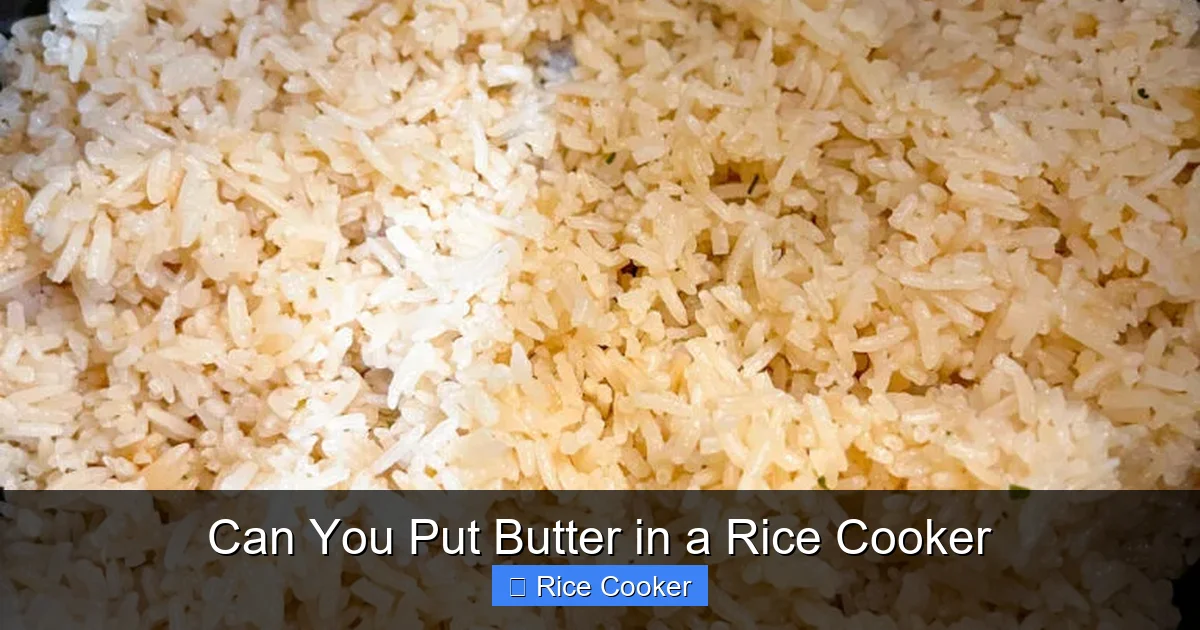
Can you put butter in a rice cooker? Absolutely—and doing so can make your rice richer, creamier, and more flavorful. Whether you’re cooking plain white rice or experimenting with grains like quinoa or wild rice, adding butter during the cooking process is simple and effective. With the right technique, you’ll avoid common pitfalls like uneven melting or burnt butter while boosting both taste and mouthfeel. This guide walks you through everything you need to know to use butter confidently in your rice cooker for restaurant-quality results at home.
Key Takeaways
- Butter can be safely added to a rice cooker during or after cooking without damaging the appliance.
- Adding butter improves flavor, texture, and richness of cooked rice, especially in dishes like risotto, pilaf, or cheesy rice.
- Use unsalted butter for better control over salt levels, especially when seasoning the dish later.
- Melting butter directly in the pot may cause burning; safer methods include adding it at the end or using a microwave-safe bowl.
- Some rice cookers have a “keep warm” function that gently reheats food, which can help melt butter without scorching.
- Alternative fats like olive oil or ghee work well too, depending on your dietary needs and flavor preferences.
- Always monitor high-fat additions closely to prevent overflow or smoke, particularly if using clarified butter.
Quick Answers to Common Questions
Can I add butter to a rice cooker while it’s cooking?
Yes, but only if you’ve already started the cycle and the water is boiling. Pour in pre-melted butter carefully—don’t let it splatter. For safety, most experts recommend adding butter after cooking instead.
Will butter ruin my rice cooker?
No, not if used correctly. Modern rice cookers are built to handle occasional fats. Just avoid pouring large amounts of oil into a dry pot before heating, as this can damage non-stick coatings over time.
How much butter should I use per cup of rice?
Start with 1 teaspoon of butter per cup of dry rice. Adjust to taste—some prefer 2 tbsp for extra richness, others none at all. Remember, you can always add more, but removing excess is difficult.
Does butter make rice stick together?
Not necessarily. Butter coats individual grains, reducing clumping. However, overcooking or insufficient rinsing (for sticky rice types) can still cause sticking regardless of fat content.
Can I use salted butter in rice cooker recipes?
It’s fine, but unsalted butter gives you better control over sodium levels. If using salted butter, reduce or omit added salt during cooking to avoid oversalting.
📑 Table of Contents
- Can You Put Butter in a Rice Cooker? The Ultimate Guide
- Understanding Your Rice Cooker: Can It Handle Butter?
- Why Add Butter to Rice? Benefits Beyond Flavor
- Step-by-Step: How to Safely Add Butter to Your Rice Cooker
- Common Mistakes to Avoid When Using Butter
- Cooking Tips for Perfect Buttery Rice Every Time
- Creative Recipes Using Butter in the Rice Cooker
- Troubleshooting: What If My Buttered Rice Doesn’t Taste Right?
- Alternatives to Butter: Dairy-Free & Low-Fat Options
Can You Put Butter in a Rice Cooker? The Ultimate Guide
If you’ve ever wondered whether it’s okay to toss a knob of butter into your rice cooker along with water and rice, you’re not alone. It seems like a small question, but it touches on everything from kitchen safety to culinary technique. After all, rice cookers are designed for simplicity—just add rice, water, and press a button. But what happens when you want to elevate your dish with something extra rich and flavorful like butter?
In this comprehensive guide, we’ll walk through everything you need to know about using butter in your rice cooker. From basic safety tips to creative recipe ideas, we’ll show you how to do it right—so your next batch of rice isn’t just good, it’s decadent. Whether you’re making creamy risotto-style rice, fluffy jasmine with a golden sheen, or even sweet rice puddings, butter adds a luxurious touch that transforms ordinary grains into something special.
Understanding Your Rice Cooker: Can It Handle Butter?
How Rice Cookers Work
Before diving into butter, let’s briefly review how rice cookers function. Most modern electric rice cookers use a thermostat to detect temperature changes. They heat the inner pot until boiling point, then automatically switch to “warm” mode once cooking is complete. This cycle ensures consistent results without constant attention.
Visual guide about Can You Put Butter in a Rice Cooker
Image source: ricecookeradvice.com
The key thing to remember is that most rice cookers are not designed for high-heat frying or sautéing. Unlike stovetop pots, they don’t have direct flame control or continuous stirring mechanisms. So while you can add ingredients during cooking, timing and method matter greatly—especially with fat-rich items like butter.
Is Butter Safe in a Rice Cooker?
Yes—but with caveats. Standard butter is perfectly safe to add during or after cooking, as long as you avoid overheating it directly in the dry pot. Raw butter contains milk solids that can burn if left unattended on high heat. However, melting it gently or adding it toward the end of the cycle prevents issues.
Also, check your manual! Some older models may warn against adding oils or fats due to potential residue buildup. But for most contemporary units (especially those labeled “multi-grain” or “pressure cook”), butter poses no risk—as long as you follow basic precautions.
Why Add Butter to Rice? Benefits Beyond Flavor
Enhanced Texture and Mouthfeel
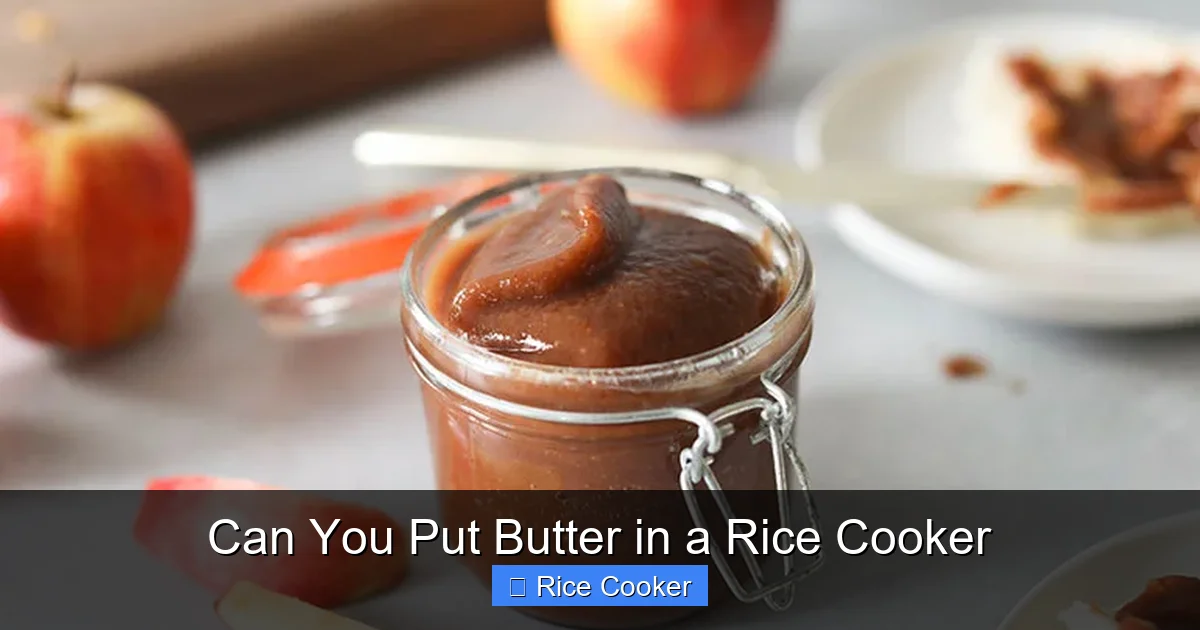
One of the biggest reasons people love butter in rice is its ability to create a silky, velvety texture. Plain cooked rice can feel slightly dry or chalky, especially overcooked varieties. A pat of butter melts into the grains, coating each one with a smooth layer that feels indulgent in every bite.
Visual guide about Can You Put Butter in a Rice Cooker
Image source: icanyoucanvegan.com
This effect is particularly noticeable in short-grain rice like sushi rice or arborio (used for risotto). These grains absorb liquid quickly and hold onto fat beautifully, resulting in a clingy, satisfying consistency.
Flavor Boost Without Overpowering
Butter imparts a subtle nutty aroma and rich umami depth that elevates bland grains instantly. Unlike salt or spices, which can dominate flavors, butter complements rather than competes. It works especially well in dishes where other seasonings are mild—like plain steamed rice served alongside grilled meats or stir-fries.
Fun fact: In many East Asian cuisines, butter isn’t traditionally used—but in fusion cooking or Western adaptations, it’s become a popular way to add richness to otherwise neutral dishes.
Nutritional Upside
While butter isn’t exactly a superfood, it does provide healthy fats and fat-soluble vitamins (A, D, E, K)—important for absorbing nutrients from other foods. Just note that moderation is key, especially if you’re watching saturated fat intake.
Step-by-Step: How to Safely Add Butter to Your Rice Cooker
Method 1: Add Butter After Cooking (Recommended)
The safest and easiest approach is to wait until your rice is fully cooked. Once the cooker switches to “warm,” open the lid and stir in softened or melted butter. This avoids any risk of burning and allows you to adjust quantity based on personal preference.
Pro tip: Use the keep-warm function for up to 2 hours. The gentle residual heat will melt the butter evenly without scorching.
Method 2: Pre-Melt Butter Before Adding
If you prefer to incorporate butter earlier (for example, in a one-pot meal), melt it separately in a small saucepan or microwave-safe bowl. Let it cool slightly, then add it to the rice cooker with water and rice before starting the cycle.
⚠️ Avoid pouring cold butter directly into hot water—it may clump or not distribute properly.
Method 3: Use a Butter Dispenser or Spoon
For precise control, measure out your desired amount (usually 1–2 tablespoons per cup of rice) and place it on top of the cooked grains. Cover and let steam for 5 minutes—this helps blend flavors without needing to stir aggressively.
Common Mistakes to Avoid When Using Butter
Burning the Milk Solids
This is the #1 error people make. Unclarified butter contains proteins and sugars that brown and burn easily at high temperatures. If you see black spots or a burnt smell, discard the batch—it’s unsafe to eat.
Using Too Much Fat
Too much butter makes rice greasy and hard to digest. Start with small amounts (½ tsp per cup) and taste as you go. You can always add more, but removing excess fat later is tricky.
Skipping Salting Control
Salt and butter don’t play well together unless you plan ahead. If you salt the water heavily, adding butter afterward might dilute flavor. Better strategy? Use unsalted butter and season to taste after melting.
Cooking Tips for Perfect Buttery Rice Every Time
- Choose the right butter: European-style butter has higher fat content (82% vs. 80%), giving richer results. Ghee is another great option since it has a higher smoke point.
- Balance with acid: A splash of lemon juice or vinegar cuts through richness—perfect for savory dishes.
- Try infused butter: Melt butter with garlic, herbs, or chili flakes for instant flavor upgrades.
- Store leftover buttered rice properly: Keep refrigerated in an airtight container for up to 3 days. Reheat with a splash of water to restore moisture.
Creative Recipes Using Butter in the Rice Cooker
Garlic Herb Butter Rice Pilaf
Combine 1 cup basmati rice, 1¼ cups water, 1 tbsp minced garlic, and 1 tbsp chopped parsley in the cooker. Cook normally, then stir in 2 tbsp melted butter. Season with salt and pepper.
Creamy Mushroom Butter Rice
Sauté mushrooms in butter first (in a skillet), then transfer them to the rice cooker with uncooked rice and broth. Finish with fresh thyme and extra butter.
Sweet Coconut Butter Rice Pudding
Mix 1 cup jasmine rice, 2 cups coconut milk, 1 tbsp sugar, and 1 tbsp butter. Cook until tender, then chill. Top with toasted nuts and berries.
Troubleshooting: What If My Buttered Rice Doesn’t Taste Right?
If your rice tastes bland despite adding butter, double-check these factors:
- Did you use enough liquid? Undercooked rice absorbs less fat.
- Was the butter fresh? Stale butter loses potency.
- Did you stir thoroughly? Uneven distribution leads to inconsistent flavor.
Still stuck? Try making a test batch with half the usual butter—you might find the original recipe was too rich!
Alternatives to Butter: Dairy-Free & Low-Fat Options
Not everyone can or wants to use butter. Fortunately, several substitutes deliver similar benefits:
- Ghee: Clarified butter—no dairy, burns less, nutty flavor.
- Olive oil or avocado oil: Great for savory dishes; lighter than butter.
- Vegan butter: Plant-based spreads mimic texture and taste.
- Cream or half-and-half: Adds richness without dairy if you’re lactose-sensitive.
Frequently Asked Questions
Is it safe to melt butter directly in a rice cooker pot?
Generally no—milk solids in regular butter can burn if heated dry. Always add butter with liquid or after cooking. If melting, ensure the pot isn’t empty and monitor closely.
What happens if I forget to stir the butter in?
Unmixed butter will sit on top of the rice, creating uneven flavor and texture. Stirring distributes it evenly so every grain tastes rich and creamy.
Can I use butter substitutes like margarine?
Margarine works in a pinch, but it often contains water and additives that affect texture. Stick to real butter or ghee for best results in rice cookers.
Will butter change how long rice takes to cook?
Minimal effect. Butter doesn’t significantly alter cooking time unless added in huge quantities. Most recipes stay within the standard duration.
Do I need to rinse rice before adding butter?
Rinsing removes surface starch and prevents mushiness in long-grain rice. Short-grain types (like arborio) benefit from rinsing too, especially when aiming for a creamy consistency.
Can children eat buttered rice cooker rice?
Yes, but in moderation. Butter adds calories and saturated fat. For young kids, consider reducing portions or using light butter blends to maintain balanced nutrition.