
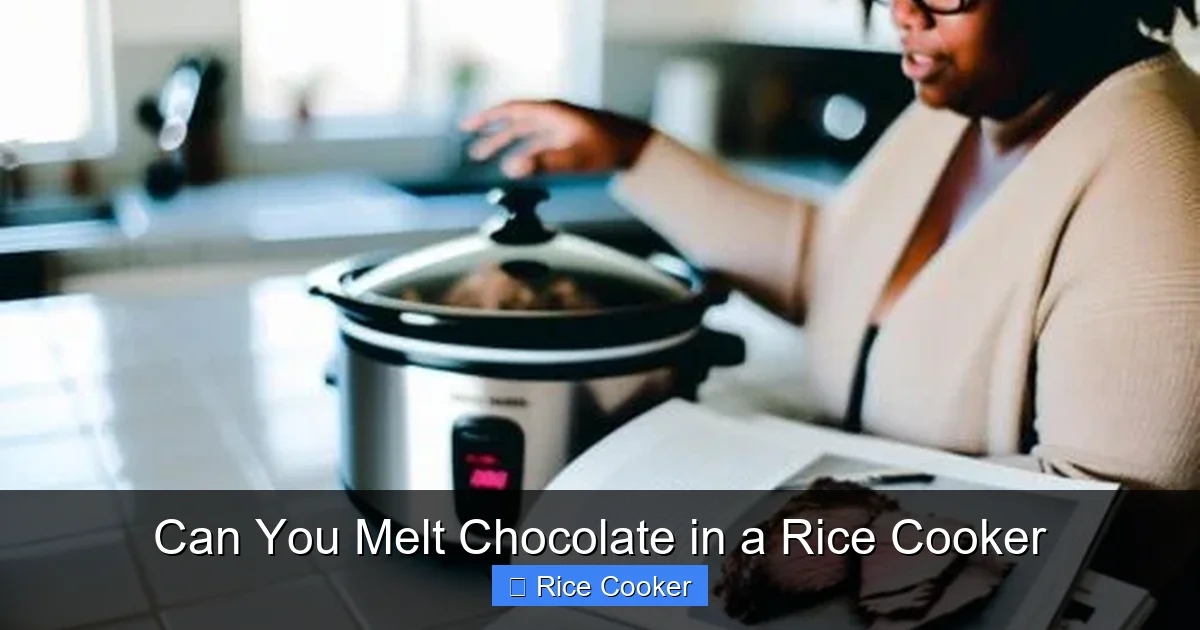
Yes, you can melt chocolate in a rice cooker, but it requires careful control of temperature and timing. The rice cooker’s heating element and insulated design make it surprisingly effective for gentle, even melting—perfect for delicate ingredients like chocolate. With the right setup and precautions, you can achieve smooth, lump-free results without needing a double boiler.
Key Takeaways
- Rice cookers are safe for melting chocolate when used on the “warm” or “keep warm” setting to avoid overheating.
- Use a heat-safe bowl that fits securely inside the rice cooker to create a makeshift double boiler effect.
- Chocolate must be chopped finely for faster, more even melting and to reduce burning risk.
- Constant stirring is essential to prevent hot spots and ensure uniform texture.
- Milk chocolate melts easier than dark chocolate due to lower cocoa butter content and added milk solids.
- Monitor closely, especially if using older models without precise temperature control.
- Cocoa powder and chocolate chips work well—but avoid adding water or oil directly to the cooker basin.
📑 Table of Contents
- Can You Melt Chocolate in a Rice Cooker? Yes—Here’s How
- The Science Behind Melting Chocolate
- What Kind of Chocolate Can You Melt?
- Step-by-Step Guide: Melting Chocolate in a Rice Cooker
- Tips for Perfect Results Every Time
- Troubleshooting Common Issues
- Creative Uses for Melted Chocolate Made in a Rice Cooker
- Comparing Rice Cooker vs. Other Methods
- Safety Considerations
- Frequently Asked Questions
- Conclusion: Your New Kitchen Superpower
Can You Melt Chocolate in a Rice Cooker? Yes—Here’s How
Imagine this: It’s a quiet evening, and you’re craving something sweet—maybe a rich chocolate ganache for a dessert or melted chocolate for dipping strawberries. You reach for your favorite bar of dark chocolate, but your microwave is too hot and scorches it every time. Or maybe you don’t have a double boiler handy. What now?
Enter the humble rice cooker—a kitchen staple for steaming rice, boiling eggs, and even making soups. But did you know it can also be repurposed to melt chocolate? That’s right. With a little know-how, your rice cooker becomes an unlikely ally in the world of confectionery. Not only is it energy-efficient, but it also provides consistent, low-and-slow heat—ideal for delicate tasks like melting chocolate without scorching.
In this article, we’ll walk you through everything you need to know about melting chocolate in a rice cooker: why it works, how to do it safely, what types of chocolate are best, and how to troubleshoot common issues. Whether you’re a home baker, a DIY chocolatier, or just someone who loves a good dessert hack, you’ll find this guide both practical and fun.
The Science Behind Melting Chocolate
Before we dive into the steps, let’s talk about why chocolate behaves the way it does—and why a rice cooker is such a good tool for the job.
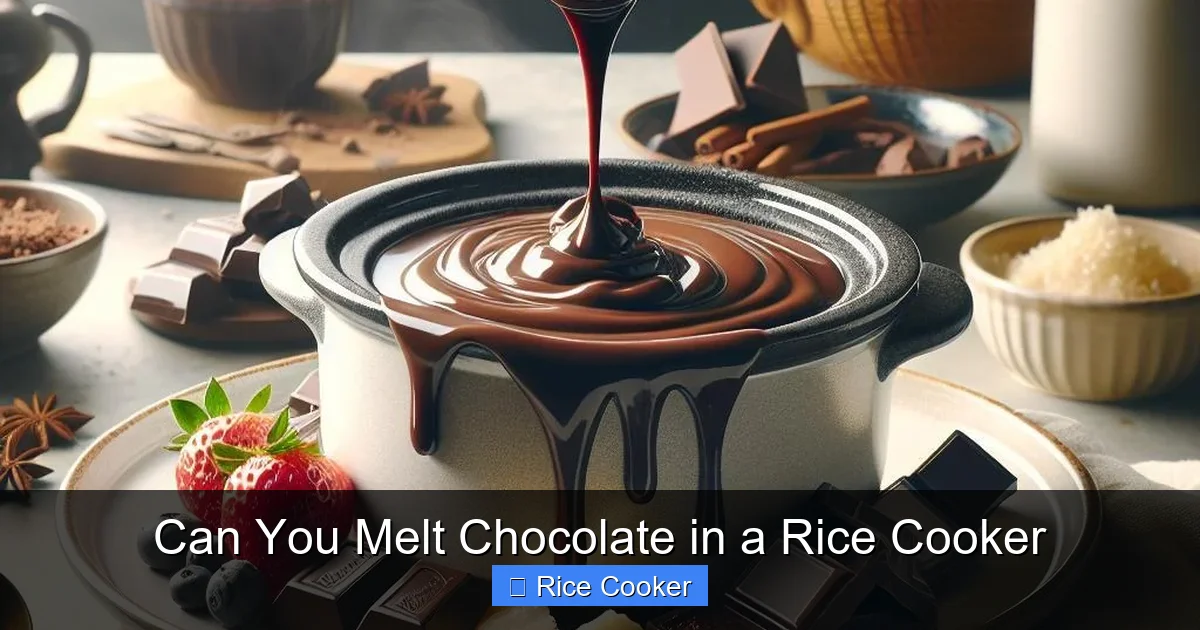
Visual guide about Can You Melt Chocolate in a Rice Cooker
Image source: sabrinassinlesssecrets.com
Why Chocolate Melts (or Burns)
Chocolate is made from cocoa mass, sugar, cocoa butter, and sometimes milk solids. The key ingredient responsible for its meltable texture is cocoa butter—a natural fat that melts between 86°F and 90°F (30°C to 32°C). When heated gently and evenly, this fat liquefies, turning solid chocolate into a smooth, glossy liquid.
But here’s the catch: chocolate is sensitive to high heat. If exposed to temperatures above 115°F (46°C), the cocoa butter separates and may seize or burn. This is why direct stovetop heating often fails—it’s hard to control the flame. Microwaves, while convenient, tend to heat unevenly, creating hot spots that scorch the edges while leaving the center unmelted.
How a Rice Cooker Helps
A rice cooker solves these problems by offering indirect, consistent heat. Most models automatically switch to “warm” mode once the contents reach boiling point, maintaining a steady temperature around 170–180°F (77–82°C). While this isn’t ideal for cooking rice at that stage, it’s perfect for gently warming chocolate—especially when paired with a heat-safe container.
By placing a bowl inside the cooker (without adding water to the basin), you create a makeshift double boiler. The steam from the heated interior circulates warmth around the bowl, melting the chocolate slowly and evenly. This method minimizes scorching and gives you better control over the process.
What Kind of Chocolate Can You Melt?
Not all chocolates are created equal when it comes to melting. Some respond better to indirect heat than others.
Visual guide about Can You Melt Chocolate in a Rice Cooker
Image source: sabrinassinlesssecrets.com
Best Types for Rice Cooker Melting
- Dark Chocolate (70% cacao or higher): Melts smoothly but can seize if overheated. Use with caution and constant stirring.
- Milk Chocolate: Easier to melt due to added milk powder and lower cocoa butter content. Ideal for beginners.
- White Chocolate: Requires extra care—milk solids can burn easily. Keep temperature below 105°F (40°C) and stir frequently.
- Compound Coating Chips: Often contain vegetable oils instead of real cocoa butter, so they melt faster but lack richness. Acceptable for simple recipes.
Avoid melting cocoa powder alone—it doesn’t contain enough fat to melt properly and will clump or burn.
Chocolate Form Matters
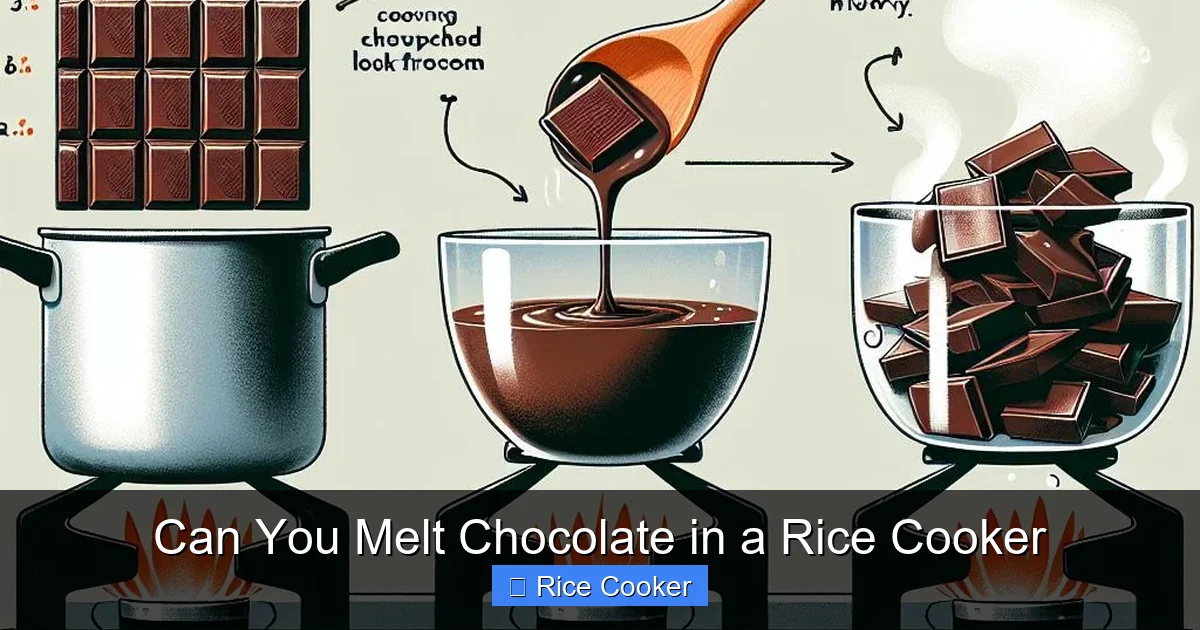
For the best results, chop your chocolate into small, uniform pieces—about ½-inch chunks. This increases surface area, allowing heat to penetrate quickly and evenly. Whole bars or large blocks take much longer to melt and increase the risk of unevenness.
If you’re using chocolate chips, note that they already come pre-chopped—great! Just be mindful that some brands contain additives that might affect melting behavior.
Step-by-Step Guide: Melting Chocolate in a Rice Cooker
Ready to try it yourself? Follow these simple steps for foolproof results.
What You’ll Need
- Heat-safe mixing bowl (stainless steel or glass works best)
- Chocolate (chopped into small pieces)
- Water (optional, for added moisture control)
- Silicone spatula or wooden spoon
- Rice cooker
Preparation Steps
- Clean the rice cooker basin: Make sure there’s no residue from previous use. Any leftover starch or grease could transfer to your chocolate.
- Add chocolate to the bowl: Place 6–8 ounces of chopped chocolate in the center of your heat-safe bowl.
- Position the bowl correctly: The bowl should sit flat on the bottom of the rice cooker without touching the sides or lid. A standard 5-cup rice cooker usually accommodates a 2-quart stainless steel bowl.
- Optional: Add a splash of water: Pour 1 tablespoon of hot water into the bowl with the chocolate. This helps thin the mixture slightly and creates steam during heating, aiding meltability. (Note: Do not add water to the rice cooker basin itself.)
Melting Process
- Turn on the rice cooker: Press the “Cook” button. The unit will begin heating.
- Wait patiently: It may take 5–10 minutes for the chocolate to start melting. Dark chocolate takes longer than milk chocolate.
- Stir every 2–3 minutes: Use a silicone spatula to gently fold the chocolate as it softens. This prevents pooling and ensures even melting.
- Watch for gloss and fluidity: When the chocolate becomes shiny, smooth, and flows freely off the spatula, it’s done.
- Switch to “Warm” mode immediately: Once fully melted, press “Warm” to maintain temperature without further heating.
Finishing Touches
After melting, strain the chocolate through a fine-mesh sieve if you notice any undissolved bits or impurities. Then transfer it to a piping bag or squeeze bottle for easy use in desserts, truffles, or drizzling.
Tips for Perfect Results Every Time
Even with the right technique, things can go wrong. Here are pro tips to help you avoid common pitfalls.
Temperature Control Is Key
Never leave the rice cooker unattended for long periods. If your model lacks a “warm” setting, unplug it after melting and let it sit covered for another minute or two. Overheating is the #1 cause of ruined chocolate.
Use a Double Boiler Effect Wisely
If your bowl doesn’t fit snugly, place a wire rack underneath it inside the cooker. This elevates the bowl slightly and improves airflow. Alternatively, pour ½ inch of water into the rice cooker basin—then place the bowl on top. This true double boiler setup mimics professional equipment and yields excellent results.
Stir Constantly
Don’t assume the chocolate will melt evenly on its own. Stirring breaks up clumps, distributes heat, and prevents scorching. Think of it like folding egg whites—gentle, continuous motion is best.
Work Quickly After Melting
Melted chocolate cools fast. Have your recipe ready before you start melting. If you’re making ganache, for example, pour hot cream over the chocolate first, then proceed with rice cooker warming if needed.
Store Leftovers Properly
Unused melted chocolate keeps well in an airtight container at room temperature for up to 3 days. Reheat gently in short bursts using the same rice cooker method.
Troubleshooting Common Issues
Even experienced bakers run into snags. Here’s how to fix them.
Chocolate Won’t Melt
This usually means the bowl is too large or not receiving enough heat. Try reducing the amount of chocolate or switching to a smaller bowl. Also, ensure the rice cooker is functioning correctly—test it with water first.
Chocolate Seizes or Grabs
Seizing happens when chocolate absorbs moisture and forms a grainy paste. To rescue it:
- Add 1 teaspoon of shortening or coconut oil and stir until smooth.
- Alternatively, blend in a splash of warm cream (for ganache).
Burned or Smoky Odor
Overheating causes this. Immediately remove the bowl and discard the chocolate. Clean the rice cooker thoroughly before next use. Future batches should stay on “warm” after melting.
Lumps Remain
Undissolved bits often result from insufficient stirring or overly large chunks. Always chop finely and stir regularly. If lumps persist, pass the mixture through a sieve.
Creative Uses for Melted Chocolate Made in a Rice Cooker
Once you master the basics, the possibilities expand. Here are some delicious ideas.
Homemade Chocolate Ganache
Combine 1 cup heavy cream with 6 oz chopped dark chocolate. Heat cream until steaming, pour over chocolate, let sit 1 minute, then whisk. Transfer to rice cooker to warm gently if needed for frosting or filling.
Dipped Fruit or Pretzels
Melt milk chocolate in the rice cooker, dip strawberries, bananas, or pretzel rods, then chill on parchment paper until set.
Chocolate Sauce for Ice Cream
Make a silky sauce by melting white chocolate with a bit of corn syrup and vanilla. Keep warm in the rice cooker while serving.
Brownie Batter Base
Melt chocolate with butter for a decadent brownie base—just fold in flour and sugar afterward.
Truffle Centers
Melt dark chocolate, mix with cream cheese or Nutella, roll into balls, and coat with cocoa powder or sprinkles.
Comparing Rice Cooker vs. Other Methods
How does melting chocolate in a rice cooker stack up against traditional methods?
| Method | Pros | Cons |
|---|---|---|
| Rice Cooker | Energy-efficient, hands-off after setup, gentle heat | Slower than microwave, requires monitoring |
| Double Boiler (Stovetop) | Professional-grade control, fast and reliable | Requires supervision, limited to stove space |
| Microwave | Fastest option, minimal cleanup | Uneven heating, high risk of burning |
| Oven (Low Temp) | Good for large batches | Inefficient, hard to monitor |
For most home cooks, the rice cooker strikes the best balance between safety, convenience, and quality—especially if you already own one.
Safety Considerations
While melting chocolate sounds simple, kitchen safety still matters.
- Avoid metal bowls with non-stick coatings: These can warp or release harmful fumes under heat.
- Keep children and pets away: Hot surfaces and sharp objects (like knives for chopping) are involved.
- Do not overload the rice cooker: Too much water or food can cause overflow and electrical hazards.
- Unplug when not in use: Even on “warm” mode, appliances can pose risks if left unattended.
Frequently Asked Questions
Can I use any type of rice cooker?
Most modern electric rice cookers work well, including basic models with only “Cook” and “Warm” settings. Older or cheaper units may heat inconsistently, so test yours first.
How long does it take to melt chocolate in a rice cooker?
Typically 5–15 minutes, depending on chocolate type and quantity. Milk chocolate melts faster than dark or white chocolate.
Can I melt chocolate directly in the rice cooker basin?
No—never add chocolate or liquids to the inner pot unless it’s labeled dishwasher-safe and intended for non-food uses. Food particles can damage the heating element.
Is it safe to leave melted chocolate in the rice cooker overnight?
Only if kept on “Warm” mode and consumed within 2 hours. Extended exposure increases bacterial growth risk.
Can I melt multiple types of chocolate at once?
Yes, but use separate bowls to avoid flavor contamination. Label them if needed.
What if my rice cooker doesn’t have a “Warm” setting?
Unplug it once the chocolate is fully melted and cover the bowl with plastic wrap to retain heat.
Conclusion: Your New Kitchen Superpower
Melt chocolate in a rice cooker—yes, you can, and yes, you should try it. This clever hack transforms an everyday appliance into a versatile tool for desserts, sauces, and snacks. With gentle heat, consistent results, and minimal effort, it’s a win for busy cooks and chocolate lovers alike.
Remember: patience and attention are your best friends. Chop finely, stir often, and always monitor closely. And don’t forget to experiment—once you’ve mastered the basics, you’ll find endless ways to use your newly melted chocolate.
So go ahead. Plug in your rice cooker, grab that bar of chocolate, and discover how simple science meets sweet success. Your taste buds (and your guests) will thank you.
Frequently Asked Questions
Can I use any type of rice cooker?
Most modern electric rice cookers work well, including basic models with only “Cook” and “Warm” settings. Older or cheaper units may heat inconsistently, so test yours first.
How long does it take to melt chocolate in a rice cooker?
Typically 5–15 minutes, depending on chocolate type and quantity. Milk chocolate melts faster than dark or white chocolate.
Can I melt chocolate directly in the rice cooker basin?
No—never add chocolate or liquids to the inner pot unless it’s labeled dishwasher-safe and intended for non-food uses. Food particles can damage the heating element.
Is it safe to leave melted chocolate in the rice cooker overnight?
Only if kept on “Warm” mode and consumed within 2 hours. Extended exposure increases bacterial growth risk.
Can I melt multiple types of chocolate at once?
Yes, but use separate bowls to avoid flavor contamination. Label them if needed.
What if my rice cooker doesn’t have a “Warm” setting?
Unplug it once the chocolate is fully melted and cover the bowl with plastic wrap to retain heat.