
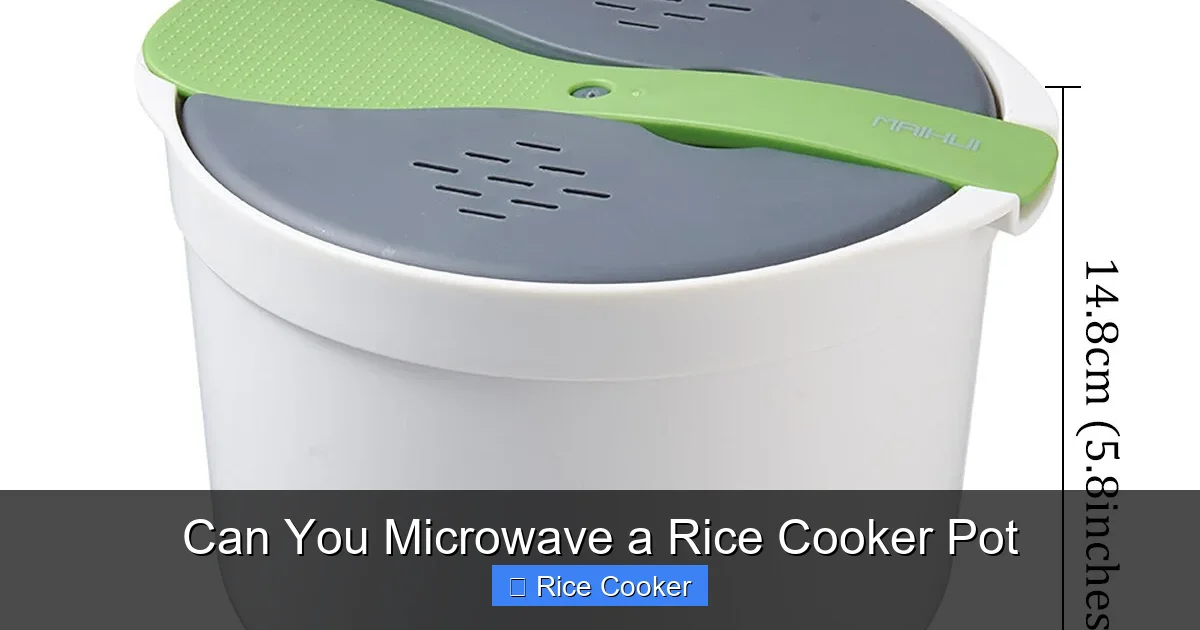
You can microwave a rice cooker pot if it’s labeled microwave-safe. Most rice cooker pots are made of materials like stainless steel or non-stick ceramic that should not go in the microwave. Using the wrong type can cause sparks, melting, or even fires. Always check the manufacturer’s label before heating.
Key Takeaways
- Check for a microwave-safe label: Only use rice cooker pots marked as microwave-safe by the manufacturer to avoid damage or fire.
- Understand common materials: Stainless steel, non-stick coatings, and certain plastics are unsafe in microwaves.
- Look for heat-resistant glass or ceramic: These are the safest materials for microwave use in rice cooker pots.
- Avoid metal components: Even small metal parts can cause arcing and sparking in the microwave.
- Use a microwave-safe lid: If your rice cooker pot has a lid, ensure it’s also microwave-safe to prevent steam buildup.
- Consider alternatives: Use a dedicated microwave-safe container if unsure about the rice cooker pot’s safety.
- Clean before reuse: Wash thoroughly and dry completely to maintain safety and hygiene.
📑 Table of Contents
- Can You Microwave a Rice Cooker Pot?
- Understanding Rice Cooker Pot Materials
- Safety First: When Can You Actually Microwave a Rice Cooker Pot?
- Alternatives to Microwaving Rice Cooker Pots
- Practical Tips for Safe Microwave Use
- Common Myths About Microwaving Rice Cooker Pots
- Environmental and Health Considerations
- When to Replace Your Rice Cooker Pot
- Final Thoughts: Safety Over Convenience
Can You Microwave a Rice Cooker Pot?
Have you ever found yourself in a pinch—maybe you’re reheating leftovers, cooking instant oats, or warming up soup—and realized you don’t have a proper microwave-safe bowl? Your rice cooker pot suddenly looks like a tempting solution. But wait… can you microwave a rice cooker pot? That’s the question many home cooks ask, especially those who rely on their rice cookers daily.
Rice cooker pots come in all shapes, sizes, and materials. Some are made of thick stainless steel, others of non-stick ceramic, and some even feature plastic handles or lids. The problem is, not all of these materials are safe for microwave use. In fact, putting the wrong kind of rice cooker pot in the microwave can lead to dangerous situations like sparks, melting, or even fires. So, before you toss your leftover curry into that familiar pot, let’s break down everything you need to know about microwaving rice cooker pots—safely and smartly.
Understanding Rice Cooker Pot Materials
To answer the big question—can you microwave a rice cooker pot?—we first need to understand what your pot is made of. Rice cooker pots are typically constructed from one of several materials, each with its own microwave compatibility.
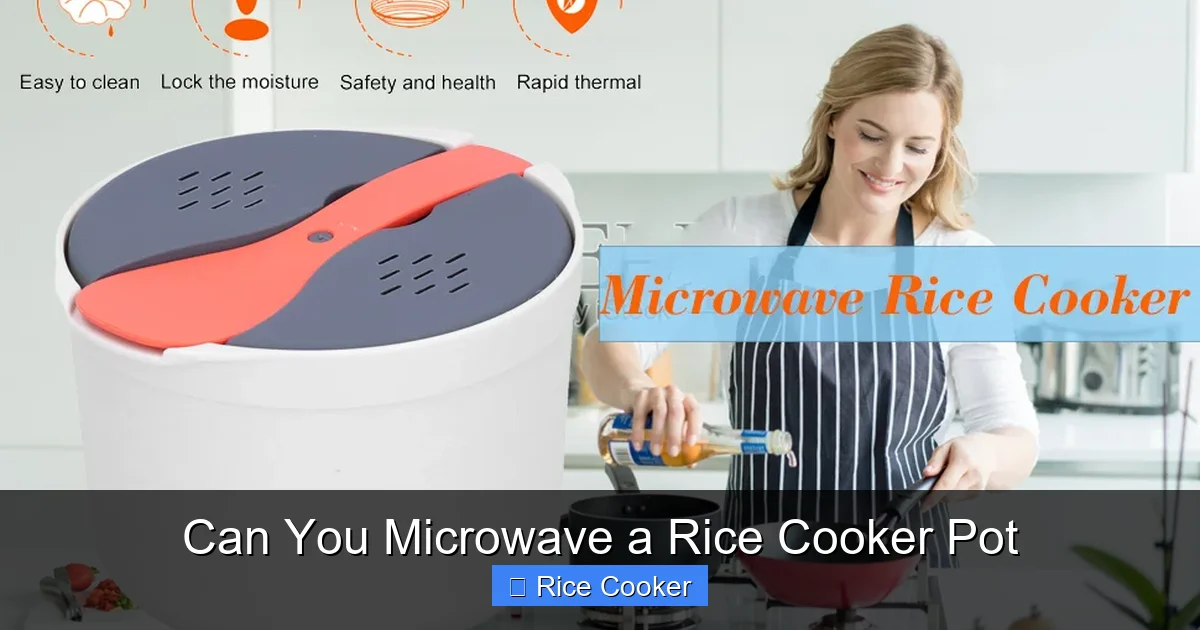
Visual guide about Can You Microwave a Rice Cooker Pot
Image source: m.media-amazon.com
Stainless Steel Rice Cooker Pots
Most traditional rice cookers use stainless steel pots because they’re durable, easy to clean, and resistant to high heat. However, stainless steel should never be microwaved. Metal reflects microwaves rather than absorbing them, which can cause sparks, arcing, or even damage the microwave’s interior. In rare cases, this can lead to fires.
Even if your stainless steel rice cooker pot looks harmless, it’s best to assume it’s off-limits for microwave use unless explicitly labeled otherwise. Many modern rice cookers also include inner pots made of different materials, so double-check the label inside the pot itself.
Non-Stick Ceramic Coated Pots
Some newer rice cookers use ceramic or enamel-coated inner pots. These are often lighter and more aesthetically pleasing than stainless steel. But here’s the catch: non-stick coatings can degrade when heated unevenly in the microwave.
Ceramic itself is generally microwave-safe, but if the coating includes PTFE (Teflon), it may release harmful fumes when overheated. Also, if the pot has metal rims or handles, those parts can still pose a risk. Always look for pots labeled “microwave-safe” and avoid any with visible wear or flaking coatings.
Plastic Handles and Lids
Many rice cooker pots come with plastic components—handles, lids, or even entire lids made of plastic. These are usually not microwave-safe. Heating plastic can cause it to melt, warp, or leach chemicals into your food. Even BPA-free plastics aren’t always suitable for high-heat microwave applications.
If your rice cooker pot has a removable lid, check if it’s made of glass or silicone instead of hard plastic. Glass lids are often microwave-safe, but always verify with the manufacturer’s instructions.
Safety First: When Can You Actually Microwave a Rice Cooker Pot?
The short answer is: only if it’s labeled microwave-safe. But let’s dig deeper into what that really means.
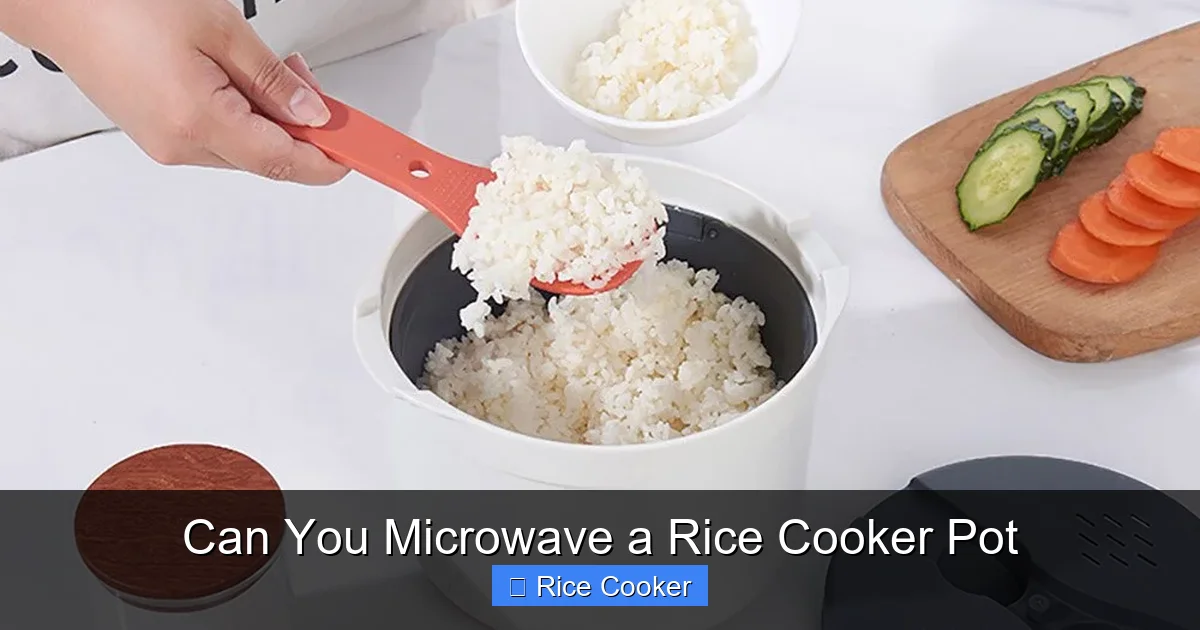
Visual guide about Can You Microwave a Rice Cooker Pot
Image source: images.nexusapp.co
How to Identify Microwave-Safe Pots
Not all pots with “safe” labels are equal. A true microwave-safe rice cooker pot will have a clear marking—usually a symbol like a wavy line or the words “Microwave Safe” stamped or printed on the bottom. This indicates that the material won’t react dangerously with microwaves.
For example, some high-end rice cookers offer interchangeable inner pots. One might be stainless steel (for stovetop use), while another is borosilicate glass (for microwave reheating). If your rice cooker comes with multiple pots, check each one individually.
What Happens If You Microwave the Wrong Pot?
Microwaving an unsafe rice cooker pot can lead to several problems:
- Sparks and Arcing: Metal parts or conductive materials reflect microwaves, creating sparks that can damage the magnetron or start a fire.
- Melted Plastic: Handles or lids made of plastic can soften, warp, or release toxic chemicals.
- Degraded Coatings: Non-stick surfaces may break down, contaminating food with potentially harmful substances.
- Uneven Heating: Certain materials absorb microwaves unevenly, leading to hot spots that can burn food or crack the pot.
While most rice cookers are designed for stovetop or internal heating (not direct microwave use), it’s easy to get confused when repurposing kitchen tools. Always prioritize safety over convenience.
Alternatives to Microwaving Rice Cooker Pots
If you’re unsure whether your rice cooker pot is microwave-safe, don’t risk it. Instead, consider these safer alternatives:
Use a Dedicated Microwave Bowl
Keep a set of microwave-safe glass or ceramic bowls specifically for reheating and cooking. These are inexpensive, widely available, and clearly labeled for microwave use. They’re perfect for soups, rice, pasta, and leftovers.
Transfer Food to a Safe Container
If you’ve already cooked something in your rice cooker pot, transfer it to a microwave-safe dish before heating. This avoids any risk of damaging the original pot or releasing harmful substances.
Invest in a Microwave-Safe Rice Cooker Pot
Some brands now produce rice cooker pots made entirely of microwave-safe materials like tempered glass or food-grade ceramic. These are ideal for people who frequently reheat meals or cook quick dishes in the microwave.
Use the Rice Cooker Itself (Indirectly)
Many rice cookers have a “warm” setting that keeps food at a safe temperature without reheating. While it won’t warm up cold food, it’s great for keeping meals ready-to-eat without using the microwave.
Practical Tips for Safe Microwave Use
Even if you do find a microwave-safe rice cooker pot, there are still best practices to follow:
Cover Your Dish Properly
Use a microwave-safe lid or vented plastic wrap to prevent splatters and retain moisture. Avoid covering with metal foil or aluminum containers.
Stir and Rotate
After heating, stir the contents and rotate the dish to ensure even warmth. Hot spots can occur even in microwave-safe containers.
Let It Rest
Allow food to stand for 30–60 seconds after microwaving. This helps distribute heat evenly and reduces the risk of burns.
Avoid Overheating
Never microwave food for longer than recommended. Overheating can degrade food quality and increase chemical leaching from containers.
Inspect Before Use
Before each use, check for cracks, chips, or signs of wear. Damaged pots can compromise safety and affect microwave performance.
Common Myths About Microwaving Rice Cooker Pots
There are plenty of myths floating around about microwaving rice cooker pots. Let’s debunk a few:
Myth 1: “If It Doesn’t Spark, It’s Safe”
Just because a pot doesn’t spark once doesn’t mean it’s safe. Some materials may degrade slowly or release toxins without visible warning signs.
Myth 2: “All Non-Stick Pots Are Unsafe”
Not all non-stick coatings are bad in the microwave. Some ceramic-based coatings are microwave-safe, but only if labeled as such. Always verify.
Myth 3: “Plastic Handles Are Fine if Removed”
Even removing the handle doesn’t eliminate risk. Residue or internal plastic components can still pose dangers. When in doubt, avoid.
Myth 4: “Glass Rice Cooker Pots Are Always Safe”
While glass is generally microwave-safe, not all glass is created equal. Tempered or borosilicate glass is best. Regular glass may shatter under rapid temperature changes.
Environmental and Health Considerations
Beyond safety, there are environmental and health factors to consider when choosing how to reheat food.
Chemical Leaching
Over time, heating certain plastics or degraded coatings can cause chemicals like PFAS or BPA to leach into food. These are linked to hormonal disruptions and other health concerns. Opting for glass or stainless steel (when used correctly) minimizes this risk.
Energy Efficiency
Microwaves are more energy-efficient than ovens for reheating small portions. But if you’re using a rice cooker pot that requires transfer to another container, you’re doubling the effort—and possibly increasing energy use.
Sustainability
Reusing kitchenware like rice cooker pots is eco-friendly—but only if done safely. Damaged or unsafe pots should be replaced rather than risking contamination or waste from improper disposal.
When to Replace Your Rice Cooker Pot
Knowing when to retire your rice cooker pot can save you from potential hazards.
Signs of Wear
- Cracks or chips in the material
- Peeling or flaking coating
- Discoloration or warping
- Persistent odors after washing
- Loose or melted plastic parts
If you notice any of these, it’s time to replace the pot—even if it still looks functional.
Manufacturer Recommendations
Check your rice cooker’s manual for guidance on replacing inner pots. Some brands sell replacement parts, while others recommend full unit replacement after a few years of use.
Final Thoughts: Safety Over Convenience
So, can you microwave a rice cooker pot? The answer depends entirely on the materials and labeling. If it’s labeled microwave-safe and made of appropriate materials like glass or ceramic, yes—it’s likely okay. But if it contains metal, non-microwave-safe plastics, or questionable coatings, it’s better to err on the side of caution.
Your health and safety should always come first. Instead of risking damage to your microwave or exposure to harmful substances, invest in a few reliable microwave-safe containers. They’ll serve you well for years and give you peace of mind every time you heat up a meal.
Remember: just because a tool is useful in one context doesn’t mean it’s safe in another. Rice cooker pots are designed for stovetop or internal heating, not microwave use—unless specified. When in doubt, check the label, consult the manual, or transfer your food to a safer option.
With the right knowledge and precautions, you can keep your kitchen efficient, safe, and enjoyable—no matter how creative your meal prep gets.
Frequently Asked Questions
Is it safe to put a rice cooker pot in the microwave?
Only if it’s labeled microwave-safe and made of compatible materials like glass or ceramic. Most rice cooker pots contain metal or non-microwave-safe plastics that can cause sparks or release toxins.
Why shouldn’t I microwave stainless steel rice cooker pots?
Stainless steel reflects microwaves, which can create sparks, arcing, or even start a fire. It doesn’t absorb microwave energy like safe materials do.
Can I microwave a rice cooker pot with a plastic lid?
No, unless the lid is specifically labeled microwave-safe. Most plastic lids melt or warp when heated and can leach chemicals into food.
How can I tell if my rice cooker pot is microwave-safe?
Look for a “Microwave Safe” symbol or text on the bottom of the pot. If there’s no label, assume it’s not safe unless confirmed by the manufacturer.
What should I use instead of a rice cooker pot in the microwave?
Use a dedicated microwave-safe glass or ceramic bowl. Transfer food from the rice cooker pot to a safe container before heating.
Are ceramic rice cooker pots microwave-safe?
It depends. Pure ceramic or enamel-coated pots may be safe, but if they have metal rims or non-microwave-safe coatings, they’re not suitable. Always check the label.