
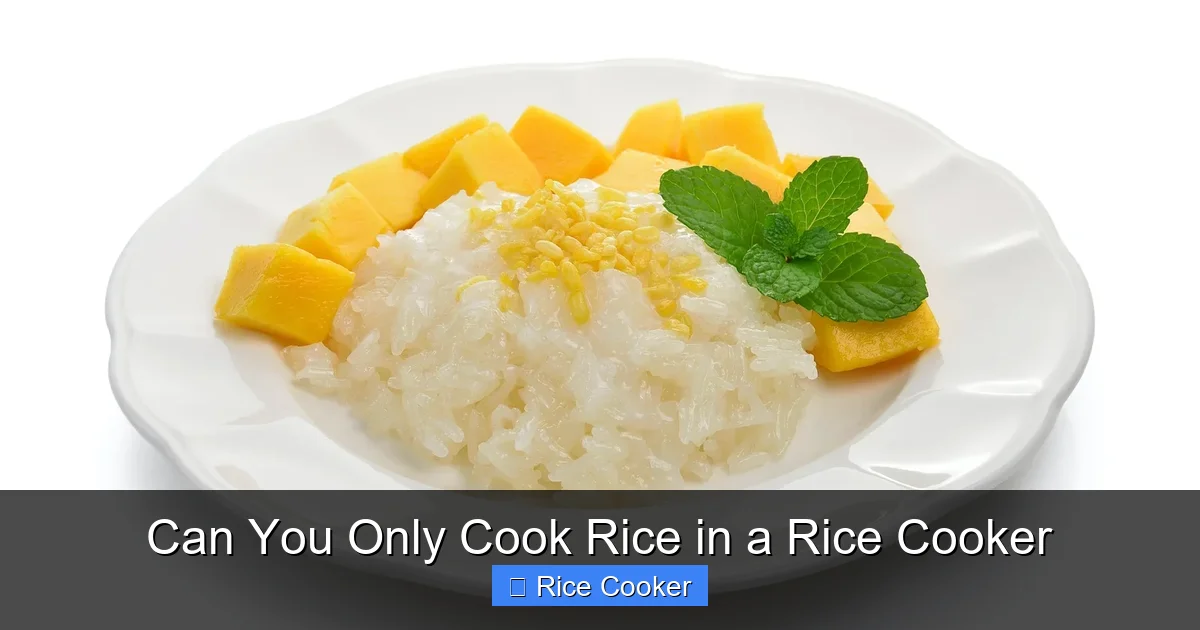
Can you only cook rice in a rice cooker? Absolutely not! While rice cookers are designed for rice, they can do so much more—like steaming vegetables, cooking stews, making soups, and even baking cakes. With the right techniques and accessories, your rice cooker becomes a multi-functional kitchen companion, saving time and energy.
Key Takeaways
- Rice cookers are versatile appliances: Beyond cooking rice, they can steam, slow-cook, bake, and even ferment food.
- Basic rice types are easy: White rice, brown rice, jasmine, basmati, and wild rice all cook well in standard rice cookers.
- Creative recipes are possible: You can make risotto, oatmeal, quinoa bowls, pasta dishes, and desserts like cakes and custards.
- Accessories expand functionality: Steamer baskets, yogurt makers, and cake pans unlock new cooking possibilities.
- Energy-efficient and convenient: Rice cookers use less electricity than ovens or stovetops and keep food warm automatically.
- Cleaning is simple: Most inner pots are non-stick and dishwasher-safe, making cleanup hassle-free.
- Safety first: Always follow manufacturer guidelines and avoid overfilling or using metal utensils on non-stick surfaces.
📑 Table of Contents
- Can You Only Cook Rice in a Rice Cooker? The Surprising Truth
- The Myth of the Single-Purpose Appliance
- What Is a Rice Cooker, Really?
- Can You Actually Cook Other Foods in a Rice Cooker?
- Practical Tips for Cooking Non-Rice Foods
- Why People Think Rice Cookers Are Only for Rice
- Choosing the Right Rice Cooker for Versatility
- Creative Recipes to Try Today
- Common Mistakes to Avoid
- Is It Worth It?
- Final Thoughts: Expand Your Culinary Horizons
Can You Only Cook Rice in a Rice Cooker? The Surprising Truth
Have you ever looked at your rice cooker and wondered, “Is this thing just for rice?” If you’re nodding along, you’re not alone. For years, rice cookers were seen as glorified rice makers—useful, but limited. But here’s the real story: you absolutely can do so much more than cook rice in a rice cooker. In fact, many modern rice cookers are powerful, programmable kitchen workhorses that can handle a surprising variety of dishes.
In this article, we’re going to dive deep into the world of rice cooker versatility. We’ll explore what else you can cook, how to do it safely, and why upgrading your rice cooker mindset could change how you cook every day. Whether you’re a college student with a mini rice cooker or a home chef with a high-end model, there’s something here for everyone. So grab a bowl of rice (or maybe not), because we’re about to redefine what a rice cooker can do.
The Myth of the Single-Purpose Appliance
For decades, the rice cooker was considered a niche appliance—mostly used by people who eat rice regularly or live in places where it’s a staple. It was simple: add water and rice, press a button, and wait. No fuss, no muss. But over time, manufacturers started adding features like delay timers, fuzzy logic, and multiple cooking modes. Suddenly, rice cookers weren’t just for rice anymore.
Visual guide about Can You Only Cook Rice in a Rice Cooker
Image source: ricecookerjunkie.com
The myth that rice cookers are only for rice persists because most people use them exactly that way. Why complicate things when a simple rice recipe works perfectly? But once you start experimenting, you’ll realize that a rice cooker is one of the most underutilized kitchen tools out there. From steaming broccoli to making overnight oats, the possibilities are endless.
What Is a Rice Cooker, Really?
A rice cooker is an electric cooking appliance that uses heat and steam to cook grains, primarily rice. Most models come with a non-stick inner pot, a heating plate underneath, and a control panel with buttons or digital settings. When you add rice and water, the cooker heats the mixture until the water evaporates and the grains absorb it, resulting in perfectly cooked rice every time.
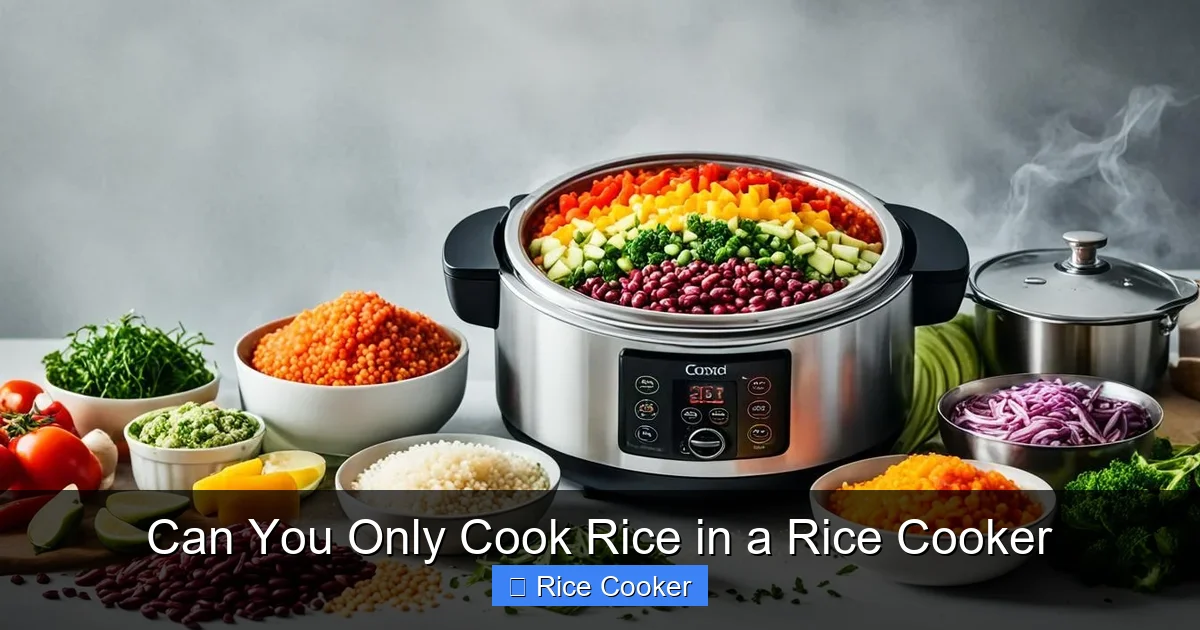
Visual guide about Can You Only Cook Rice in a Rice Cooker
Image source: ricecookerjunkie.com
How It Works
The magic happens through a combination of temperature sensors and a thermostat. Once the water boils and evaporates, the cooker detects the change in temperature and switches from “cooking” mode to “warming” mode. This prevents overcooking and keeps your rice fluffy and flavorful. Some advanced models use “fuzzy logic” to adjust cooking times and temperatures based on the type of grain and amount of liquid.
Types of Rice Cookers
- Crock-pot style: Basic models with manual controls and no timer.
- Programmable: Allow you to set cooking times and switch to warming later.
- Induction heating: Heat the inner pot directly for faster, more even cooking.
- Multi-function: Can steam, slow cook, sauté, and even bake.
Each type offers different levels of versatility. A basic model might only boil rice, while a multi-function unit can handle everything from soup to cake batter. The key is choosing the right one for your lifestyle.
Can You Actually Cook Other Foods in a Rice Cooker?
Yes! And not just foods similar to rice. With a little creativity and the right ingredients, your rice cooker can become a mini oven, steamer, and slow cooker all in one. Let’s break down some of the most popular alternatives.
Steaming Vegetables
One of the easiest ways to expand your rice cooker’s use is by steaming vegetables. Simply place a steamer basket inside and add water to the bottom. Steam broccoli, carrots, cauliflower, or green beans for 10–15 minutes. The gentle heat preserves nutrients and gives veggies a vibrant color and crisp-tender texture.
Pro tip: Use the “steam” or “vegetable” setting if your model has one. Otherwise, set it to “cook” and monitor closely.
Cooking Grains Beyond Rice
If you love quinoa, barley, millet, or farro, your rice cooker is perfect for them. These grains require similar cooking ratios—usually 2 parts liquid to 1 part grain—and benefit from the consistent heat and automatic shut-off. Just remember to rinse quinoa before cooking to remove its natural coating (saponin).
Making Porridge and Oatmeal
Overnight oats or morning porridge? Yes, please. Add rolled oats, milk or water, and a pinch of salt to the pot. Set your rice cooker to “warm” and let it sit overnight. In the morning, you’ll have creamy, ready-to-eat oatmeal without any stirring or monitoring.
Baking Cakes and Custards
Believe it or not, you can bake a sponge cake or a flan in a rice cooker. Line the inner pot with parchment paper, mix your cake batter (no eggs? try a no-bake version), and cook on the “bake” or “cook” setting for 30–40 minutes. For custard, combine milk, sugar, and egg yolks, then steam in a heatproof bowl placed inside the pot with water.
Cooking Pasta and Risotto
While not ideal for long pasta like spaghetti, short pasta like penne or orzo can be cooked in a rice cooker. Add pasta, broth, and seasonings, and let it simmer for 8–12 minutes. For risotto, stir occasionally and keep an eye on the liquid—it may need a bit more broth as it cooks.
Making Yogurt and Fermented Foods
Some rice cookers come with a yogurt-making function. Combine milk and starter culture, set the cooker to “yogurt” mode, and let it incubate for 6–12 hours. You’ll have homemade yogurt with no special equipment needed. You can also ferment kimchi or sourdough starter in a sealed container inside the cooker.
Practical Tips for Cooking Non-Rice Foods
To get the best results when cooking other foods, keep these tips in mind:
- Use the right amount of liquid: Too little = burnt food; too much = mushy results.
- Pre-heat the pot: Warming the inner pot slightly helps maintain temperature.
- Don’t overfill: Leave room for expansion, especially with rising dough or bubbling liquids.
- Experiment with timing: Start with shorter durations and check frequently.
- Clean immediately after use: Residue can harden and damage the non-stick coating.
Why People Think Rice Cookers Are Only for Rice
There are a few reasons why the idea persists that rice cookers are single-purpose devices:
- Limited marketing: Brands often emphasize rice cooking in ads, overshadowing other uses.
- Fear of breaking the appliance: Users worry that cooking non-rice foods will damage the pot or void the warranty.
- Lack of knowledge: Many people aren’t aware that rice cookers can do more than one thing.
- Traditional cooking habits: Stovetops and ovens are more familiar for diverse recipes.
But with the internet and recipe blogs, information is easier than ever to find. YouTube tutorials, Reddit communities, and food blogs are full of creative rice cooker hacks. Once you see someone making pizza crust or chili in their rice cooker, it changes your whole perspective.
Choosing the Right Rice Cooker for Versatility
If you want to maximize your rice cooker’s potential, consider investing in a model with multiple functions. Here’s what to look for:
Multi-Function Settings
Look for buttons labeled “steam,” “slow cook,” “sauté,” “bake,” or “ferment.” These add flexibility and eliminate the need for extra appliances.
Non-Stick Inner Pot
A removable, non-stick pot makes cleaning easy and prevents sticking—important when cooking sticky foods like oatmeal or risotto.
Timer and Delay Function
This lets you prep ingredients the night before and have a meal ready when you wake up. Perfect for oatmeal, yogurt, or even a warm breakfast burrito.
Size Matters
A 3- to 5-cup model is great for small families or singles. Larger models (7+ cups) are better for meal prepping or entertaining.
Induction Heating vs. Conventional
Induction models heat the pot directly for faster, more precise cooking. They’re pricier but worth it for frequent users.
Creative Recipes to Try Today
Ready to test the waters? Here are five easy recipes to start with:
1. One-Pot Creamy Chicken and Rice
Brown chicken pieces in the rice cooker (use the sauté function), add rice, broth, diced tomatoes, and herbs. Cook for 25 minutes. Serve with a side salad.
2. Veggie-Packed Quinoa Bowl
Cook quinoa with vegetable broth. Add steamed broccoli, corn, black beans, and avocado. Drizzle with lime and cilantro.
3. Chocolate Rice Pudding
Mix cooked rice, milk, cocoa powder, sugar, and cinnamon. Simmer on warm for 10 minutes. Top with berries.
4. Banana Bread
Blend bananas, flour, eggs, sugar, and baking soda. Pour into lined pot and cook for 35 minutes. Cool before slicing.
5. Overnight Chia Pudding
Combine chia seeds, almond milk, honey, and vanilla. Let sit in the rice cooker overnight on warm. Stir before eating.
Common Mistakes to Avoid
Even experienced cooks make errors. Watch out for these:
- Using metal utensils: Scratch the non-stick surface.
- Skipping the rinse step: Especially important for grains like quinoa or wild rice.
- Not measuring water correctly: Use a measuring cup or follow package instructions.
- Opening the lid too often: This releases steam and affects cooking.
- Ignoring the user manual: Each model behaves differently—read it!
Is It Worth It?
Absolutely. A good rice cooker costs between $30 and $150 and can replace several appliances: a steamer, slow cooker, and sometimes even a blender. It uses less energy than an oven and frees up your stovetop. Plus, cleanup is a breeze. For busy people, students, or anyone looking to simplify cooking, a versatile rice cooker is a smart investment.
Final Thoughts: Expand Your Culinary Horizons
So, can you only cook rice in a rice cooker? The answer is a resounding no. Modern rice cookers are powerful, efficient, and surprisingly adaptable. With a little curiosity and confidence, you can turn your rice cooker into a hub for healthy meals, quick snacks, and even desserts.
Start small—try steaming veggies or making oatmeal. Then gradually experiment with grains, baked goods, and protein-rich dishes. Before long, you’ll wonder how you ever lived without your multi-tasking kitchen hero.
Remember: the best way to learn is by doing. So fire up that rice cooker, grab your apron, and start cooking beyond rice. Your taste buds—and your kitchen schedule—will thank you.
Frequently Asked Questions
Can you cook pasta in a rice cooker?
Yes, you can cook short pasta like orzo or penne in a rice cooker. Add pasta, broth, and seasonings, and cook for 8–12 minutes. Stir occasionally and monitor the liquid level.
Can I make soup in a rice cooker?
Absolutely. Add broth, vegetables, meat, and grains to the pot, set it to “cook” or “slow cook,” and let it simmer for 30–45 minutes. Use the “warm” function to keep it hot until ready to serve.
Can you bake bread in a rice cooker?
Yes, many people successfully bake banana bread, muffins, and even pizza crusts in rice cookers. Line the pot with parchment paper and bake for 30–40 minutes on the “cook” setting.
Is it safe to cook meat in a rice cooker?
Yes, it’s safe as long as the internal temperature reaches at least 165°F (74°C). Brown meat first using the sauté function, then add liquid and other ingredients.
Can you cook eggs in a rice cooker?
You can hard-boil eggs by placing them in the pot with enough water to cover them. Set the cooker to “cook” for 12–15 minutes, then transfer the eggs to ice water.
Do I need special cookware for a rice cooker?
No. The included non-stick inner pot is designed for all types of cooking. Avoid metal utensils and never use abrasive cleaners to preserve the coating.