
Mixing rice and quinoa in a rice cooker is not only possible but also a smart way to boost your meals with fiber and protein. With the right water ratio and cooking time, you can achieve fluffy, tender grains that complement each other beautifully. Whether you’re meal prepping or just looking for variety, this simple technique makes healthy eating easier than ever.
Key Takeaways
- Yes, it’s safe to mix rice and quinoa in a rice cooker: Both grains have similar cooking requirements, making them ideal companions in one pot.
- Use a 1:1 water-to-grain ratio for most combinations: Start with equal parts water and grains, then adjust based on texture preferences.
- Cooking times may vary slightly: Quinoa typically needs less time than rice, so consider soaking or adjusting timing to avoid mushiness.
- Soaking quinoa helps reduce bitterness: Rinsing and soaking removes saponins, ensuring a mild, pleasant flavor in your final dish.
- Experiment with flavors and textures: Add herbs, spices, or vegetables during cooking to elevate your mixed grain bowl.
- Proper rinsing prevents clumping: Always rinse both grains before cooking to remove excess starch and improve fluffiness.
- Storage and reheating work well for leftovers: Cooked mixtures store nicely and reheat evenly in the microwave or stovetop.
📑 Table of Contents
- Can You Mix Rice and Quinoa in a Rice Cooker?
- Understanding Rice and Quinoa: A Quick Comparison
- Step-by-Step Guide: How to Mix Rice and Quinoa in a Rice Cooker
- Tips for Perfectly Mixed Rice and Quinoa
- Common Mistakes to Avoid
- Health Benefits of Combining Rice and Quinoa
- Creative Recipes Using Mixed Rice and Quinoa
- Conclusion: Yes, You Can—And Should—Mix Rice and Quinoa
Can You Mix Rice and Quinoa in a Rice Cooker?
If you’ve ever stood in your kitchen wondering whether your rice cooker can handle more than just plain white rice, you’re not alone. The humble rice cooker has become a kitchen staple—not just for cooking rice, but for preparing a wide range of grains, legumes, and even steamed vegetables. One of the most common questions people ask is: Can I mix rice and quinoa in a rice cooker? The short answer? Absolutely! But there’s a bit more to it than simply tossing everything into the pot.
Rice and quinoa are two of the most popular whole grains in modern diets, prized for their nutritional benefits and versatility. White rice is a staple in many households, while quinoa has surged in popularity due to its high protein content and gluten-free nature. But when combined, these two grains can create a powerhouse meal that’s both delicious and nutritious. However, because they have slightly different cooking behaviors, getting the balance right is key. In this guide, we’ll walk you through everything you need to know—from preparation to serving—so you can confidently mix rice and quinoa in your rice cooker and enjoy a perfectly cooked, flavorful meal every time.
Understanding Rice and Quinoa: A Quick Comparison
What Makes Each Grain Unique?
Before diving into the how-to, it’s helpful to understand the basic characteristics of rice and quinoa. While both are considered whole grains, they differ in structure, nutrient profile, and cooking behavior.
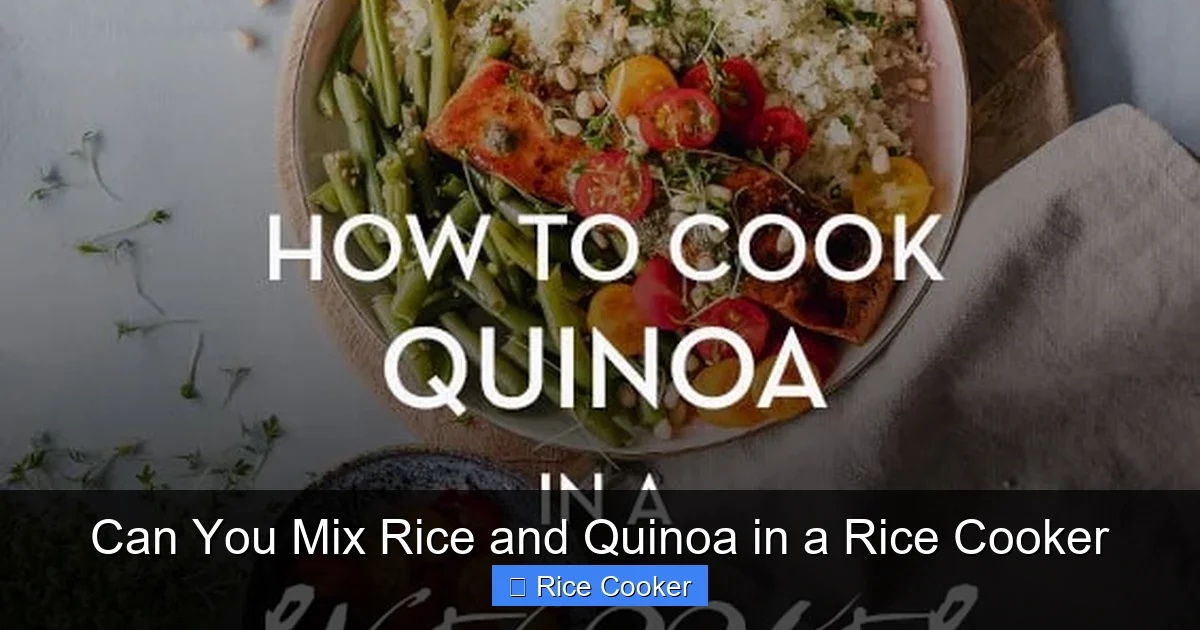
Visual guide about Can You Mix Rice and Quinoa in a Rice Cooker
Image source: fearlessfresh.com
Rice comes in several varieties—white, brown, jasmine, basmati, black, red—each with unique textures and cooking times. Brown rice, in particular, takes longer to cook than white rice because the bran layer slows down water absorption. Jasmine and basmati rice are known for their fragrant aroma and long, separate grains when cooked properly.
Quinoa, on the other hand, is technically a seed from the amaranth family and is often classified as a pseudocereal. It’s celebrated for being one of the few plant-based foods that contains all nine essential amino acids, making it a complete protein. Quinoa cooks relatively quickly—usually in 15–20 minutes—and has a light, nutty flavor and slightly chewy texture.
When mixed together, these grains offer a complementary blend: rice provides softness and a neutral taste, while quinoa adds chewiness, protein, and subtle earthiness. This combination creates a satisfying mouthfeel and balanced nutrition, perfect for bowls, salads, or side dishes.
Cooking Requirements: Similarities and Differences
Despite their differences, rice and quinoa share enough similarities in cooking method to make mixing them in a rice cooker feasible. Both require water (or broth) and heat to absorb moisture and expand. Most rice cookers are designed to monitor internal temperature and automatically switch to “warm” mode once the grains are fully cooked—a feature that works well for both rice and quinoa when prepared correctly.
However, there are important distinctions:
- Cooking Time: Brown rice can take up to 50 minutes, while quinoa usually finishes in 15–20 minutes. Overcooking quinoa can make it gummy, so timing matters.
- Water Ratio: Rice generally uses a 2:1 water-to-rice ratio, while quinoa typically needs a 1.5:1 or 2:1 ratio depending on the type and desired texture.
- Saponin Content: Raw quinoa contains natural compounds called saponins, which can give it a bitter taste. Rinsing thoroughly removes these, but skipping this step can ruin the flavor of your mixture.
Because of these differences, simply adding equal parts rice and quinoa with double the water won’t always yield the best results. Instead, you’ll want to plan ahead and adjust your approach based on the types of grains you’re using.
Step-by-Step Guide: How to Mix Rice and Quinoa in a Rice Cooker
Choosing Your Grains Wisely
The first step to success is selecting the right combination of rice and quinoa. Not all rice varieties play well together, and some quinoa types have stronger flavors that might dominate if used in large quantities.
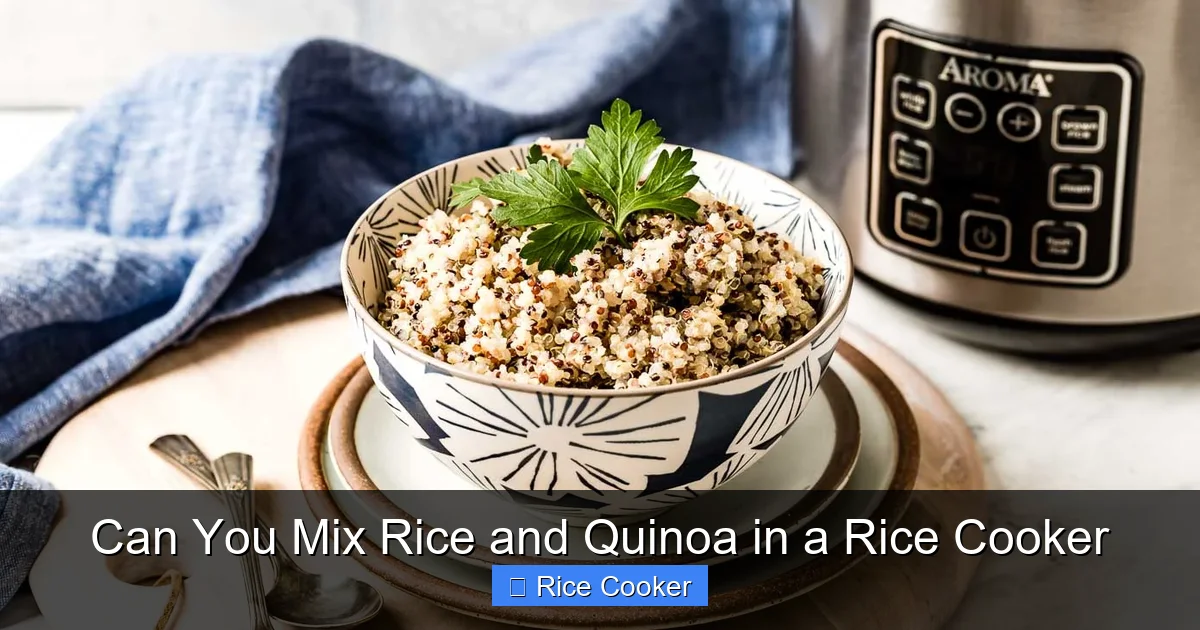
Visual guide about Can You Mix Rice and Quinoa in a Rice Cooker
Image source: foolproofliving.com
For beginners, we recommend starting with:
- Brown rice + white quinoa: Brown rice has a firmer texture and nuttier flavor, while white quinoa is mild and less likely to overpower.
- Jasmine rice + red quinoa: Jasmine adds fragrance, and red quinoa retains a pleasant chew without becoming too dense.
- Avoid mixing very dark or heavily flavored quinoa (like purple or black) with delicate rice unless you’re aiming for a bold presentation.
Also, stick to pre-washed quinoa or rinse it yourself before cooking. This ensures no bitterness sneaks into your dish.
Preparing the Ingredients
Preparation is half the battle. Here’s what to do before hitting the “cook” button:
- Rinse both grains separately: Use a fine-mesh strainer to wash rice and quinoa under cold running water. For rice, this removes excess starch; for quinoa, it eliminates saponins.
- Soak quinoa (optional but recommended): Soaking quinoa for 15–30 minutes softens it slightly and reduces cooking time. It also helps prevent clumping.
- Measure accurately: A standard rice cooker measures volume, not weight, so use measuring cups. A typical serving is about ½ cup uncooked per person.
Setting the Right Water Ratio
This is where many people run into trouble. If you use too much water, your grains will be mushy. Too little, and they’ll stay hard and undercooked.
A good starting point for mixing rice and quinoa is:
- 1 cup rice + 1 cup quinoa = 3 cups liquid (water or broth)
- Adjust based on grain type:
- For brown rice, increase water to 3.5 cups total.
- For extra-fluffy results, use broth instead of water for added flavor.
Pro tip: If you’re unsure, start with less water and add more if needed after cooking. It’s easier to fix undercooked grains than overcooked ones!
Loading the Rice Cooker
Once your ingredients are ready, follow these steps:
- Add rinsed rice and quinoa to the inner pot.
- Pour in the measured water or broth.
- Give everything a gentle stir to distribute evenly.
- Close the lid and select the appropriate setting. Most rice cookers have a “brown rice” or “multigrain” mode that works well for this combo.
If your rice cooker doesn’t have a special setting, just use the regular “white rice” or “cook” function. The built-in timer will handle the rest.
Monitoring and Adjusting
Unlike stovetop cooking, rice cookers are mostly hands-off—but it’s still wise to check occasionally. After the cycle ends, let the mixture sit for 5–10 minutes with the lid closed. This allows residual steam to finish cooking any stubborn bits and firms up the texture.
If the grains are still a bit firm, you can place the lid back on and press “keep warm” for another 10 minutes. Avoid opening the lid too often, as this releases steam and can disrupt the cooking process.
Tips for Perfectly Mixed Rice and Quinoa
Texture Matters: Achieving Fluffiness Without Mush
Getting the right texture is crucial when mixing grains. You want each grain to remain distinct—not fused into a paste—while still blending harmoniously in flavor and mouthfeel.
Here’s how to nail it:
- Don’t overmix after cooking: Once done, fluff gently with a fork instead of stirring aggressively. Overworking the grains breaks them down.
- Let it rest: As mentioned earlier, resting helps separate the grains and improves texture.
- Adjust ratios gradually: If you prefer more rice, use 1.5 cups rice to 1 cup quinoa. For a quinoa-heavy mix, try 1 cup rice to 1.5 cups quinoa.
Flavor Enhancements: Beyond Plain Water
Plain rice and quinoa are nutritious but can taste bland to some. Fortunately, a rice cooker makes it easy to infuse flavor during cooking.
Try adding:
- Herbs and aromatics: Bay leaves, thyme, or garlic cloves steep into the grains for subtle depth.
- Lemon zest or citrus juice: A splash after cooking brightens the flavor.
- Vegetable or chicken broth: Swaps plain water for richer taste—great for savory bowls.
- Olive oil or butter: Adds richness and helps bind flavors.
For example, try cooking brown rice and red quinoa with a pinch of cumin, turmeric, and a bay leaf for a Middle Eastern-inspired grain bowl.
Meal Prep Magic: Batch Cooking Made Easy
One of the biggest advantages of using a rice cooker is its ability to handle large batches. If you’re meal prepping, cook a big pot of mixed grains at the start of the week.
Store cooled grains in airtight containers in the fridge for up to 5 days or freeze portions for up to 3 months. Reheat with a splash of water or broth to restore moisture.
Perfect for:
- Overnight oats with chia seeds and fruit
- Buddha bowls with roasted veggies and tahini dressing
- Breakfast porridge with almond milk and berries
Common Mistakes to Avoid
Skipping the Rinse
Many people skip rinsing quinoa, thinking it’s unnecessary. But those tiny saponin coatings are responsible for quinoa’s signature bitterness. A quick 30-second rinse under cold water solves this instantly.
Using Too Much Water
It’s tempting to flood the pot thinking “more water = softer grains,” but that’s a myth. Excess water leads to soggy, gluey results—especially with quinoa, which absorbs moisture quickly.
Not Letting It Rest
Pushing the “cancel” button immediately after cooking and digging in too soon results in uneven texture. Patience pays off here.
Mixing Very Different Grains Together
While rice and quinoa work well together, combining them with something like barley or millet might complicate things due to vastly different absorption rates. Stick to similar grains when experimenting.
Health Benefits of Combining Rice and Quinoa
Beyond taste and texture, mixing rice and quinoa offers significant health advantages. While rice is a good source of carbohydrates and energy, quinoa stands out as a superfood packed with protein, fiber, and essential minerals like magnesium, iron, and zinc.
By combining them, you get a balanced macronutrient profile:
- Complex carbs: Sustained energy release from both grains.
- Complete proteins: Quinoa provides all essential amino acids; rice complements with lysine.
- Dietary fiber: Supports digestion and keeps you full longer.
- Antioxidants: Especially in colored varieties like red or black quinoa.
This makes the mixture ideal for athletes, vegetarians, seniors, or anyone looking to improve their diet without sacrificing flavor.
Creative Recipes Using Mixed Rice and Quinoa
Simple Herb-Infused Bowl
Ingredients:
- 1 cup cooked brown rice
- 1 cup cooked white quinoa
- 1 tbsp olive oil
- Juice of ½ lemon
- Handful of chopped parsley or cilantro
- Salt and pepper to taste
Instructions: Combine all ingredients in a bowl, toss gently, and serve warm or chilled.
Spiced Golden Grain Medley
Add turmeric, cinnamon, and a pinch of cayenne during cooking for a warming, golden-colored dish. Serve with roasted sweet potatoes and chickpeas for a hearty vegetarian main.
Quinoa-Rice Porridge
Use milk instead of water, cook slowly until creamy, and top with nuts, honey, and fresh fruit. Perfect for breakfast!
Conclusion: Yes, You Can—And Should—Mix Rice and Quinoa
In summary, mixing rice and quinoa in a rice cooker is not only possible but highly recommended. With careful attention to ratios, preparation, and timing, you can create a nutritious, delicious, and visually appealing dish that satisfies both texture and taste preferences.
Whether you’re feeding a family, meal prepping for the week, or simply exploring new culinary horizons, this simple technique opens up a world of possibilities. From savory grain bowls to sweet breakfast porridges, the combination of rice and quinoa is as versatile as it is wholesome.
So go ahead—grab your rice cooker, measure out your grains, and give it a try. You might just discover your new favorite way to eat whole grains.
Frequently Asked Questions
Is it bad to mix rice and quinoa in a rice cooker?
No, it’s not bad at all! In fact, mixing rice and quinoa is a great way to diversify your meals with complementary textures and nutrients. Just ensure proper rinsing, correct water ratios, and adequate cooking time for best results.
Do I need to soak quinoa before cooking it with rice?
Soaking is optional but beneficial. It softens quinoa slightly, reduces cooking time, and helps prevent clumping. Simply soak for 15–30 minutes in water before adding to your rice cooker with rice.
How much water do I use for mixed rice and quinoa?
A good starting ratio is 1 cup each of rice and quinoa with 3 cups of liquid (water or broth). Adjust based on grain type—brown rice needs more water than white rice, and quinoa absorbs faster than most rice varieties.
Can I use a regular rice cooker for quinoa?
Absolutely! Most standard rice cookers work perfectly for quinoa. Just remember to rinse it first and monitor cooking time, as quinoa finishes faster than rice. Using the “multigrain” or “brown rice” setting can also help.
Why is my quinoa grainy when mixed with rice?
Graininess usually stems from undercooking or insufficient soaking. Ensure you’re using enough liquid and let the mixture rest after cooking. Overmixing or using unrinsed quinoa can also affect texture.
Can I freeze leftover mixed rice and quinoa?
Yes! Cool completely, portion into containers, and freeze for up to 3 months. Thaw overnight in the fridge and reheat with a splash of water or broth to restore moisture.