

Can you over cook rice? Absolutely! Overcooked rice turns from fluffy to soggy, sticky, and unappetizing. Whether you’re using a stovetop, electric rice cooker, or microwave, cooking rice for too long or adding too much water ruins its texture and taste. The good news? With the right techniques, timing, and tools like a quality rice cooker, you can avoid this common kitchen mistake. In this guide, we’ll explore what overcooked rice looks like, why it happens, and most importantly, how to prevent it—so your next bowl of rice is always perfect.
Have you ever pulled a pot of rice out of the cooker only to find it’s turned into a sticky, soupy mess? Or maybe you’ve eaten a bowl of rice that was so mushy you couldn’t even pick up a single grain without it falling apart? If so, you’re not alone—and yes, you can overcook rice. In fact, many home cooks struggle with this exact issue, whether they’re using a traditional stove, an electric rice cooker, or even a microwave. But don’t worry: understanding why overcooked rice happens and knowing how to prevent it can save your meals and elevate your cooking game.
Rice is one of the most beloved staple foods around the world, enjoyed in countless dishes from sushi rolls to risotto, fried rice, and comforting bowls of porridge. Yet despite its simplicity, getting rice right takes precision—especially when it comes to moisture control, heat management, and timing. When you overcook rice, all those careful efforts go down the drain (literally). The result? A disappointing, unenjoyable meal that leaves you wondering, “What did I do wrong?”
The truth is, overcooking rice isn’t just about burning it or letting it boil away too long. It’s about disrupting the delicate starch balance within each grain. Rice contains amylose and amylopectin—two types of starches that swell and absorb water during cooking. Under the right conditions, they create a light, fluffy texture. But if too much water remains or if the rice sits too long after cooking (or both), those starches break down further, causing the grains to clump together and lose their shape. So while overcooking might seem like a small kitchen mishap, it actually has deep roots in science—and fixing it starts with awareness.
Key Takeaways
- Overcooked rice loses its structure: It becomes soft, mushy, and collapses into a gluey mass instead of staying separate and tender.
- Texture is key: Properly cooked rice should be tender but firm with each grain intact; overcooking destroys this balance.
- Water ratio matters: Too much water leads to excess moisture, which causes overcooking even if cooking time is correct.
- Cooking method affects results: Electric rice cookers often have precise settings that reduce human error compared to stovetop methods.
- Resting time helps: Letting rice sit after cooking allows steam to distribute evenly and prevents sogginess.
- Storing leftovers wisely: Cooled overcooked rice can reabsorb moisture when reheated, making it even worse—store properly or repurpose it.
- Repurpose overcooked rice: Turn mushy rice into fried rice, rice pudding, or breadcrumbs instead of wasting it.
📑 Table of Contents
What Does Overcooked Rice Look Like?
Before we dive into prevention, let’s talk about what overcooked rice actually looks and feels like. Visual cues are your best friends here. Freshly cooked rice should be visibly separated—each grain distinct, slightly translucent, and holding its form when gently pinched. There may be a little steam rising, but no pooling liquid at the bottom of the pot or tray.
In contrast, overcooked rice appears wet, shiny, and clumped. You’ll see large globs where individual grains have merged into one sticky mass. The surface often glistens with excess moisture, and trying to fluff it with a fork only makes things worse by breaking apart fragile structures. Some varieties, like jasmine or basmati, become especially problematic when overdone because they naturally release more starch as they cook.
Tactile tests also help. Properly cooked rice should feel springy yet firm—like tiny rubber balls that hold together without squishing flat. Overcooked rice, however, yields easily under pressure, feeling slimy or gummy. Taste-wise, it lacks the subtle nutty or floral notes typical of well-prepared rice and instead tastes bland or slightly sour due to prolonged exposure to heat and moisture.
If you’ve ever made rice in a hurry and forgotten to check it, chances are you ended up with this kind of disaster. Even experienced chefs occasionally fall victim to overcooking—after all, rice cookers aren’t always foolproof, and recipes vary widely depending on altitude, grain type, and equipment.
Why Does Overcooked Rice Happen?
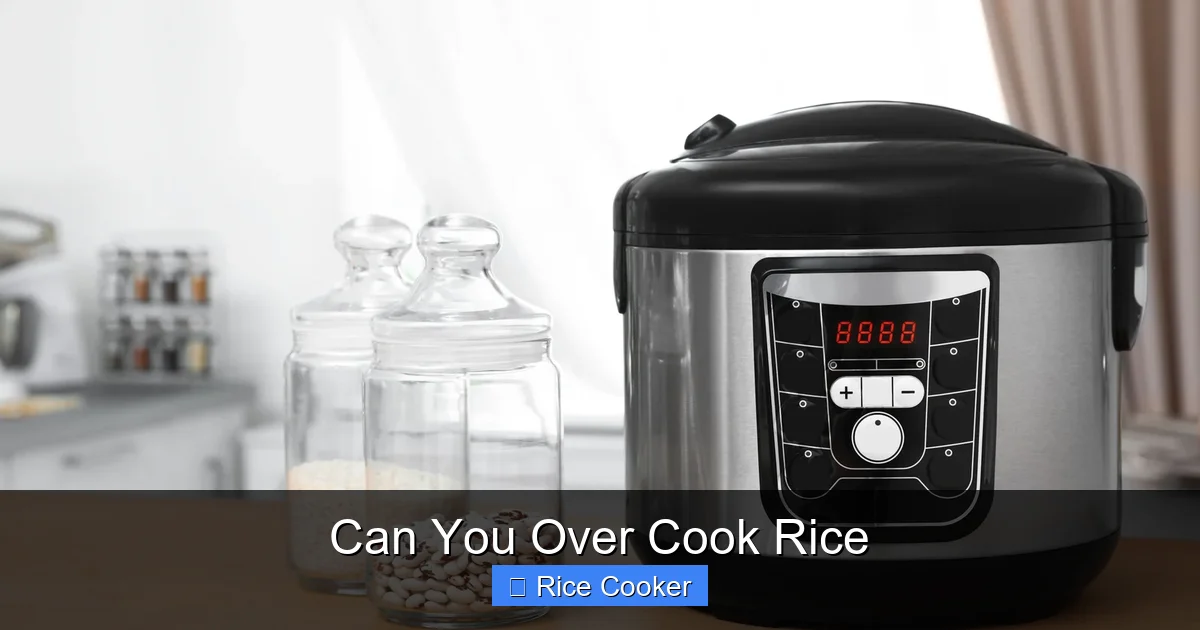
Visual guide about Can You Over Cook Rice
Image source: tastingtable.com
Understanding the “why” behind overcooked rice is crucial for avoiding it in the future. Several factors contribute to this common kitchen error:
Too Much Water
This is the number one culprit. Most people assume rice needs copious amounts of water, but that’s a myth. Different grains require different ratios—for example, short-grain rice needs less water than long-grain varieties. Using too much water means excess moisture lingers after cooking, forcing the grains to continue absorbing liquid even after they’ve reached full tenderness. This extra hydration breaks down cell walls and starches, leading to mushiness.
Extended Cooking Time
Even with the correct water ratio, leaving rice on high heat or keeping it simmering beyond the recommended duration can cause overcooking. Some electric rice cookers automatically switch to “warm” mode once done, but others keep heating until manually turned off. If you leave it plugged in too long, residual heat continues cooking the rice, turning it into a paste.
Insufficient Fluffing
After cooking, rice needs gentle aeration. Skipping this step allows moisture to settle unevenly, creating dense pockets that trap steam and promote clumping. Fluffing redistributes heat and moisture, ensuring even texture.
Wrong Grain Type for Method
Some rice cookers are designed specifically for certain types (e.g., Japanese-style models for sushi rice). Using the wrong setting or ignoring instructions can lead to inconsistent results. For instance, glutinous rice requires different handling than brown rice, which already has higher fiber content and longer cooking times.
Altitude & Humidity Effects
Living at high elevations changes how rice behaves. At higher altitudes, water boils at lower temperatures, so rice takes longer to absorb moisture and gelatinize starches. Humidity also plays a role—moist air slows evaporation, meaning rice stays wetter longer.
By identifying these causes, you can adjust your approach accordingly. For example, if you live in a humid climate, you might need slightly less water. If your rice cooker lacks a “warm” function, consider switching it off promptly after cooking.
How to Prevent Overcooking Rice
Visual guide about Can You Over Cook Rice
Image source: ediblenosh.com
Now that you know what overcooked rice looks like and why it happens, let’s get practical. Here’s how to keep your rice perfectly cooked every time:
Measure Water Accurately
Use a measuring cup specifically for liquids—not dry ingredients—and follow trusted ratios. A general rule is 1 part rice to 1.5 parts water for white rice, though this varies by brand. Rinse rice first to remove surface starch, which reduces stickiness and improves texture.
Choose the Right Cooker
An electric rice cooker with multiple settings (like quick cook, slow cook, or specialized modes) gives you more control than a basic model. Look for ones with automatic shut-off and keep-warm functions that prevent overheating. Many modern units also include timers, so you can prep rice while doing other tasks.
Follow Timing Guidelines
Don’t guess! Check recipe timelines closely. White rice usually takes 18–20 minutes on the stovetop or 12–15 minutes in a rice cooker. Brown rice needs longer—about 45 minutes total. Once the timer goes off, resist the urge to peek inside; opening the lid lets steam escape, altering temperature and moisture levels.
Let It Rest
After cooking, turn off the heat (if using a stovetop) and let rice sit covered for 5–10 minutes. This resting period allows residual steam to finish hydrating the grains evenly and prevents sudden shifts in texture when fluffed.
Fluff Gently
Use a fork with wide tines to lift and separate grains without crushing them. Avoid stirring aggressively, which compacts the rice and removes fluffy air pockets.
Store Leftovers Properly
Cool cooked rice quickly in shallow containers to avoid condensation buildup. Never leave it sitting out overnight unless refrigerated immediately. Reheat with a splash of water or broth to restore moisture lost during storage.
Following these steps will dramatically improve your rice outcomes—no matter your skill level.
Different Types of Rice and Their Cooking Needs
Not all rice is created equal, and each variety demands attention to detail to avoid overcooking. Understanding your grain helps tailor your technique:
Jasmine Rice
Fragrant Thai rice that becomes slightly sticky when cooked correctly. Requires rinsing before use to remove excess starch. Water ratio: 1:1.25. Best suited for electric rice cookers with delicate settings.
Basmati Rice
Long-grain Indian rice known for its aromatic profile and separation after cooking. Rinse thoroughly and soak briefly (10–15 minutes) to enhance fluffiness. Water ratio: 1:1.5. Ideal for pilafs and biryanis.
Short-Grain Rice (Sushi Rice)
High-starch rice used in sushi and desserts. Very prone to sticking if overcooked. Use minimal water and cook slowly. Water ratio: 1:1. Water cools down slightly before adding grains to prevent mushiness.
Brown Rice
Less processed than white rice, retaining bran layers that slow absorption. Needs extended soaking and longer cooking time. Water ratio: 1:2.5. May require two-stage cooking (boil then simmer).
Wild Rice
Actually a grass seed, not true rice. Takes 45–60 minutes to cook fully. Combine with other grains for texture contrast.
Glutinous Rice
High-amylopectin rice used in Asian desserts. Despite its name, it’s not sweet—just chewy. Cook carefully to avoid gumminess. Water ratio: 1:1.75.
Knowing your grain type lets you adjust water, time, and method accordingly. Always consult specific recipes rather than relying solely on generic guidelines.
Common Mistakes That Lead to Overcooked Rice
Even seasoned cooks make mistakes. Here are some frequent errors to watch out for:
Ignoring Rinsing Steps
Skipping rinsing leaves behind surface starch that clouds water and promotes clumping. Always rinse until water runs clear.
Using Old or Poor-Quality Rice
Expired or damaged grains absorb water inconsistently and break easily. Store rice in airtight containers away from light and heat.
Overcrowding the Pot
Cooking too much rice at once traps steam inside, raising internal temperature and extending cooking time. Stick to reasonable batch sizes.
Not Adjusting for Altitude
At elevations above 3,000 feet, increase cooking time by 5–10 minutes and reduce water slightly to compensate for faster evaporation.
Peeking During Cooking
Each time you open the lid, you lose precious steam. Wait until the end to check doneness.
Avoiding these pitfalls ensures consistent results every time.
How to Fix Overcooked Rice (If All Else Fails)
Sometimes, despite your best efforts, rice ends up overcooked. Don’t throw it away! Try these salvage techniques:
Add Dry Ingredients
Mix in flour or cornstarch to absorb excess moisture. Form into patties and pan-fry for crispy rice cakes.
Make Fried Rice
Combine cooled rice with vegetables, eggs, soy sauce, and oil. Stir-fry until heated through and slightly caramelized.
Turn Into Rice Pudding
Blend rice with milk, sugar, cinnamon, and vanilla. Simmer until thickened into creamy dessert.
Use as Breadcrumbs
Dry out rice in the oven, then grind into crumbs for coating chicken or fish.
These creative solutions minimize waste and transform mistakes into delicious new dishes.
Conclusion: Mastering Rice Is Within Reach
Overcooking rice doesn’t have to be a recurring nightmare. By understanding the science behind grain behavior, choosing the right tools (like a reliable electric rice cooker), and paying attention to details such as water ratios and resting times, you can consistently produce fluffy, flavorful rice. Remember: precision beats perfectionism. Small adjustments—rinsing, measuring, waiting—make a big difference.
Whether you’re whipping up sushi-grade sashimi rice or hearty brown rice bowls, confidence grows with practice. And if you slip up? Repurpose that mushy mess into something wonderful. After all, great cooking isn’t about never making mistakes—it’s about learning from them.
So next time you reach for that bag of rice, take a deep breath. Measure your water, set your timer, and trust the process. With these tips in hand, you’re well on your way to mastering the art of perfect rice—every single time.
Frequently Asked Questions
Can you overcook rice in a rice cooker?
Yes, you absolutely can overcook rice in a rice cooker. Even though these appliances automate much of the process, leaving rice on the “warm” setting for too long or using incorrect water ratios still leads to mushy, overcooked results.
What happens if you cook rice for too long?
Cooking rice for too long causes the grains to break down, releasing excess starch and absorbing all available moisture. This results in a sticky, soupy, and unappealing texture that’s difficult to serve or eat.
How do you know if rice is overcooked?
Overcooked rice appears wet, shiny, and clumpy. Grains merge into a single mass instead of remaining separate. It feels slimy or gummy when touched and lacks the firmness of properly cooked rice.
Does overcooked rice taste bad?
While not toxic, overcooked rice often tastes bland or slightly sour due to prolonged heat exposure. It loses its natural aroma and becomes unpleasant to consume unless repurposed into dishes like fried rice or pudding.
Can you fix overcooked rice?
Absolutely! Overcooked rice can be transformed into fried rice, rice pudding, breadcrumbs, or even crispy rice cakes. Adding dry ingredients like flour also helps absorb excess moisture.
Is it better to use an electric rice cooker to avoid overcooking?
Electric rice cookers reduce human error by automating water absorption and switching to warm mode automatically. However, proper water measurement and timely shutdown remain essential to prevent overcooking.