
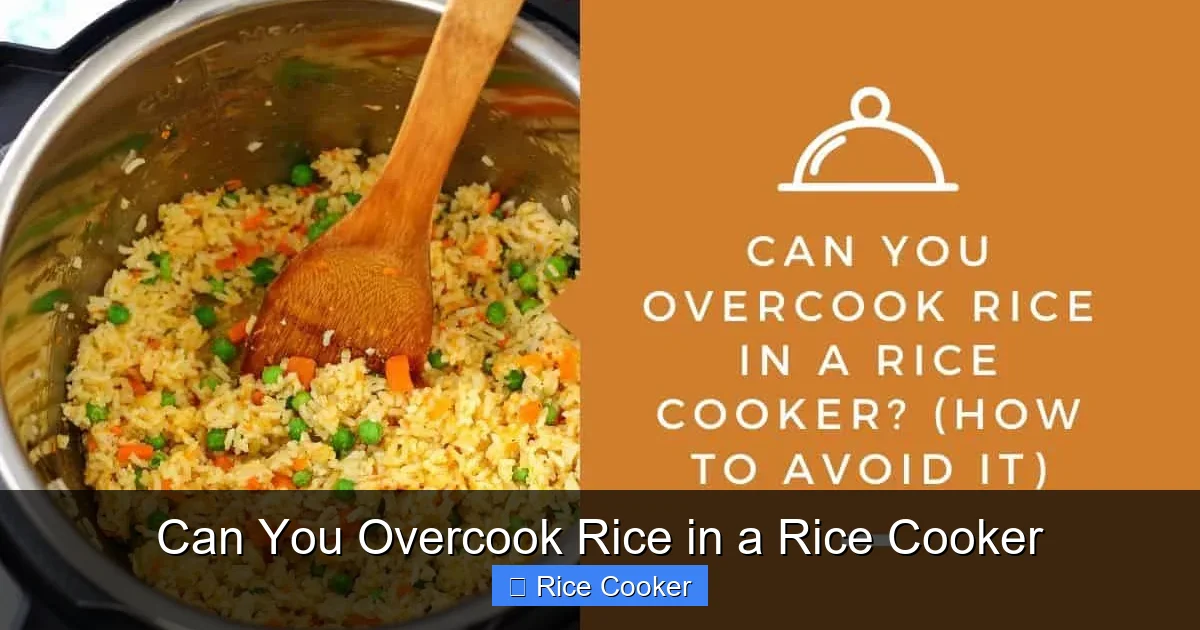
Can you overcook rice in a rice cooker? Absolutely—yes, even with this convenient kitchen appliance, too much heat or water can turn perfectly fluffy grains into mushy, sticky clumps. While rice cookers simplify cooking, they’re not immune to user error. The key lies in understanding your cooker, the type of rice, and how much liquid to use.
Key Takeaways
- Yes, overcooking is possible: Rice cookers can definitely overcook rice if left on after the cycle ends or if too much water is used.
- Different rice types need different settings: Basmati, jasmine, brown rice, and sushi rice each respond uniquely to heat and moisture.
- Overcooked rice loses nutrients: Prolonged heat can degrade some vitamins and minerals, especially in whole grains.
- Texture changes are immediate: You’ll notice stickiness, mushiness, or a gummy consistency when rice is overdone.
- Prevention is easier than fixing: Using the right water ratio, avoiding extended keep-warm modes, and knowing your cooker’s quirks help prevent overcooking.
- Not all rice cookers are equal: Some models have advanced sensors that prevent overcooking, while basic ones rely solely on timer-based cycles.
- You can salvage slightly overcooked rice: Fluffing, steaming, or using it in fried rice or risotto can revive underused grains.
📑 Table of Contents
- Introduction: The Myth of Perfection
- How Rice Cookers Work: The Science Behind the Simplicity
- Signs Your Rice Is Overcooked
- Why Overcooking Happens: Common Mistakes
- Can You Fix Overcooked Rice?
- Preventing Overcooking: Tips for Perfect Every Time
- Health and Nutritional Impact of Overcooked Rice
- Conclusion: Mastery Through Awareness
Introduction: The Myth of Perfection
Rice cookers are beloved kitchen staples for good reason—they’re simple, reliable, and make perfect rice every time… or so we’ve been told. But let’s be real: no kitchen tool is infallible. Even the most trusted appliances can betray you if misused. One of the biggest myths about rice cookers is that they “do everything automatically.” While modern models boast smart sensors and multiple settings, they still depend on user input, proper ratios, and timing. So, can you overcook rice in a rice cooker? The short answer is yes—absolutely. And it happens more often than you might think.
Imagine waking up to breakfast only to find your morning bowl of jasmine rice transformed into a gluey, inedible mess. Or worse—serving dinner guests a side dish that’s either rock-hard or soupy soft. These aren’t just hypothetical nightmares; they’re real-life consequences of overcooking rice in a rice cooker. Whether you’re using an old-school analog model or a high-tech digital one with fuzzy logic, the principles remain the same: too much heat, too little patience, or too much liquid can ruin even the best batch of rice.
In this guide, we’ll dive deep into why overcooking happens, how to spot it, and most importantly, how to prevent it. We’ll also explore what happens to your rice (and your health) when it’s cooked beyond its prime. By the end, you’ll feel confident saying, “My rice cooker never lets me down.”
How Rice Cookers Work: The Science Behind the Simplicity
Before we tackle overcooking, it’s important to understand how rice cookers actually work. Most basic models operate on a simple principle: a heating element warms the inner pot until it reaches a certain temperature, then shuts off. This triggers the “keep warm” phase. More advanced models use thermostats or sensors to detect when the rice has absorbed all the water and adjust accordingly. But regardless of complexity, the core idea is the same—rice cooks when starch gelatinizes due to sustained heat and moisture.
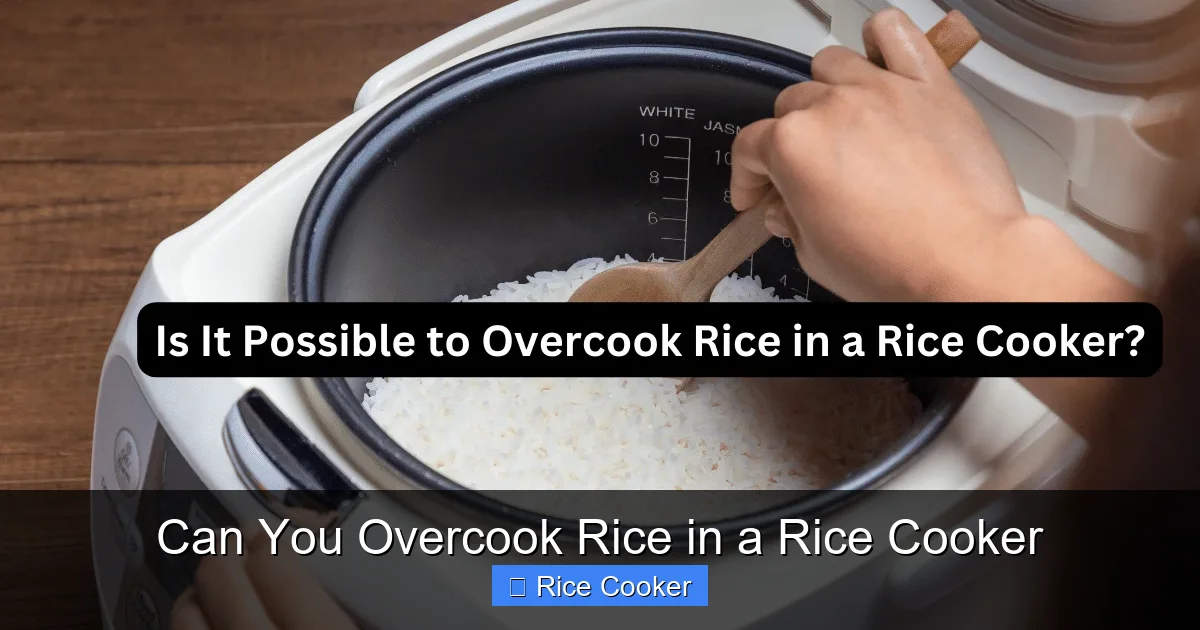
Visual guide about Can You Overcook Rice in a Rice Cooker
Image source: kitchenclerk.com
The Role of Starch and Water
When rice absorbs water and heats up, its starches begin to swell and release amylose and amylopectin—two types of carbohydrates that give rice its texture. As the temperature rises, these starches break down further. In ideal conditions, they form a soft, fluffy structure. But if heated too long or with too much water, they dissolve completely, creating a sticky, clumpy mass. This is essentially what happens when you overcook rice.
Timer vs. Sensor Technology
Older rice cookers rely on timers—set for a fixed duration—while newer ones use internal sensors to detect moisture levels or temperature changes. For example, a sensor-controlled cooker might continue cooking until the rice dries out, then switch to warm mode. However, even sensor models can fail if the rice is compacted, the pot isn’t level, or the lid isn’t sealed properly. That’s why understanding your specific model matters.
Signs Your Rice Is Overcooked
Recognizing overcooked rice early can save you from wasting ingredients—and your appetite. Here are the tell-tale signs:
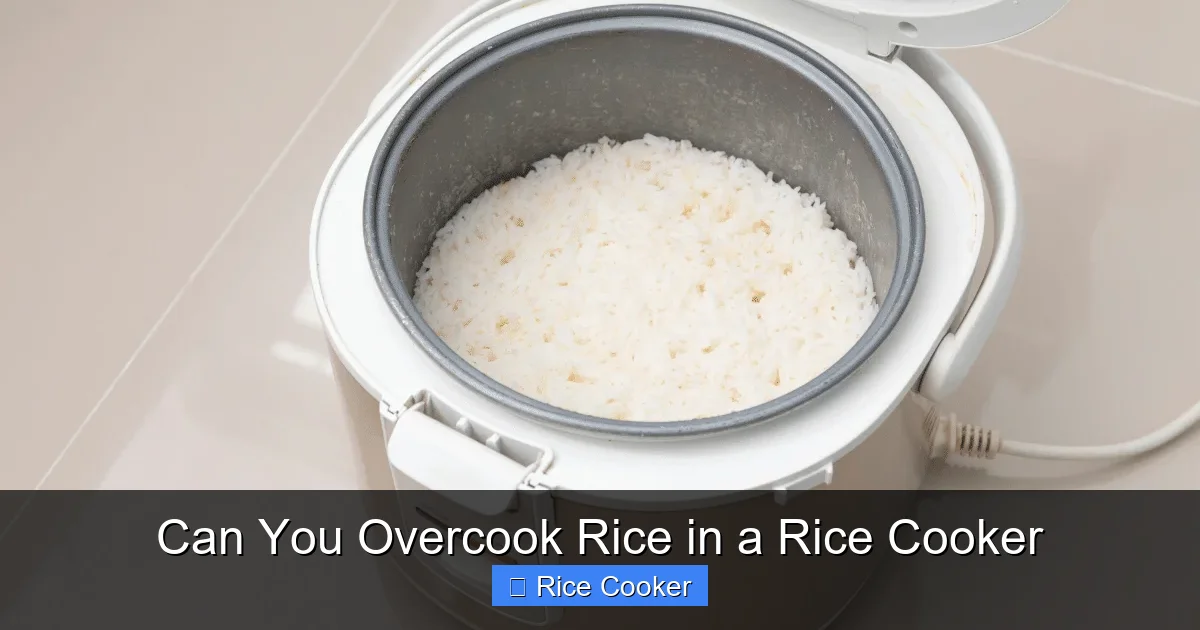
Visual guide about Can You Overcook Rice in a Rice Cooker
Image source: kitchenclerk.com
- Excess moisture: If water pools at the bottom of the pot after cooking, your rice likely took in more liquid than it could absorb.
- Sticky, gummy texture: Overcooked rice loses its individual grain structure and becomes one solid lump.
- Lack of fluffiness: Instead of separate, tender grains, you’ll see mush or paste-like consistency.
- Burnt smell or taste: Extended heat can scorch the bottom, especially if the inner pot isn’t non-stick or if the heating plate is uneven.
Sometimes, overcooking isn’t obvious until you taste it. Trust your senses—if it doesn’t look or feel right, it probably isn’t.
Why Overcooking Happens: Common Mistakes
Even experienced cooks make these errors. Let’s go through the most frequent causes of overcooked rice in rice cookers.
Using Too Much Water
The #1 culprit? Wrong water-to-rice ratio. Most recipes recommend 1:1.5 (rice to water), but many people add extra thinking it will help. Spoiler alert: it doesn’t. Extra water leads to soggy, undercooked centers or, if left too long, overly soft rice.
Leaving It on After Cooking
Once the rice cooker switches to “warm,” the heating stops—but the residual heat keeps working. Leaving rice in this mode for hours increases the risk of overcooking, especially in humid environments where condensation builds up.
Ignoring the Rice Type
Short-grain, long-grain, basmati, arborio—each has different absorption rates. Jasmine rice, for instance, tends to get sticky faster than basmati. Not adjusting your method based on rice variety is a recipe for disaster.
Poor Pot Maintenance
A scratched or damaged inner pot can cause uneven heating, leading to hot spots that overcook certain areas while leaving others raw.
Not Stirring Before Cooking
If rice clumps together before cooking starts, steam gets trapped, creating pockets of excess moisture that lead to uneven cooking and potential overcooking.
Can You Fix Overcooked Rice?
Don’t throw that bowl away yet! Depending on how badly your rice turned out, there are ways to rescue it.
Fluff and Steam Method
Gently fluff the rice with a fork, place it back in the cooker with the lid open, and steam for 5–10 minutes. This evaporates excess moisture and restores some fluffiness.
Use It in Recipes
Overcooked rice works great in fried rice, rice pudding, or risotto—disguising the texture behind flavors and sauces.
Dry It Out
Spread the rice on a baking sheet and toast it in a low oven (300°F/150°C) for 10–15 minutes. This removes moisture and crisps up the edges.
Remember, prevention beats cure. Once you learn what to watch for, you’ll rarely need these fixes.
Preventing Overcooking: Tips for Perfect Every Time
Here’s how to master your rice cooker and avoid overcooked disasters forever.
Measure Accurately
Use a dry measuring cup. One cup of uncooked rice typically needs 1½ cups of water, but always check the manual for your specific brand.
Wash Your Rice
Rinsing removes excess starch, reducing stickiness—especially important for jasmine or glutinous rice.
Let It Rest
After cooking, let the rice sit for 5–10 minutes with the lid on. This allows steam to distribute evenly and finishes the cooking process gently.
Know Your Cooker’s Quirks
Some models overcook slightly by design. Read reviews or ask friends about their experiences with yours.
Avoid Keep-Warm for Long Periods
Limit keep-warm to 30–60 minutes max. If you’re serving later, reheat gently on the stove or microwave.
Experiment with Ratios
Try 1:1 for firmer rice or 1:1.75 for softer dishes like risotto or congee.
Health and Nutritional Impact of Overcooked Rice
Beyond texture, overcooking affects nutrition. Prolonged exposure to high heat can degrade heat-sensitive vitamins like thiamin (B1) and folate. Whole grains lose fiber integrity when boiled excessively, making them harder to digest. While these effects aren’t dramatic, consistently overcooking rice—especially brown rice—can reduce its nutritional value over time.
Conclusion: Mastery Through Awareness
So, can you overcook rice in a rice cooker? Yes. But now you know how, why, and—most importantly—how to stop it. Rice cookers are powerful tools, but they require respect, not just convenience. With the right techniques, attention to detail, and awareness of your appliance’s behavior, you’ll never serve mushy rice again. Remember: perfect rice starts with clean measurements, proper rinsing, and a little patience. Your future self (and your dinner guests) will thank you.
Frequently Asked Questions
Can rice cookers burn rice?
Yes, especially if the inner pot is damaged or the heating element is uneven. Burnt rice tastes bitter and can ruin an entire meal. Always check for scorching and clean your cooker regularly.
Does overcooked rice taste bad?
It depends on the degree. Mild overcooking may just be softer, but excessive overcooking leads to a gummy, unpleasant texture and often a starchy or bland flavor.
Is it safe to eat slightly overcooked rice?
Yes, as long as it hasn’t spoiled. Overcooked rice won’t make you sick unless mold or bacteria developed. Just avoid eating it if it smells off or looks discolored.
Why does my rice cooker keep switching to warm?
This usually means the rice has finished absorbing water. If it happens repeatedly, your model may lack proper sensors or have calibration issues. Check the manual or contact support.
Can you overcook brown rice in a rice cooker?
Absolutely. Brown rice takes longer to cook and retains more moisture. Using too much water or leaving it in keep-warm too long can result in mushy brown rice.
How do I clean my rice cooker to prevent overcooking?
Always unplug it first. Remove the inner pot and wash with mild soap and water. Wipe the exterior and heating base carefully—never submerge electrical parts. Replace worn-out pots promptly.