

Yes, you can absolutely poach eggs in a rice cooker—it’s a clever, no-fuss method that yields tender, custardy yolks with firm whites. This innovative technique uses minimal water and precise timing to create restaurant-quality eggs at home. With just a few simple steps, you’ll master this kitchen hack that saves time and reduces cleanup.
Key Takeaways
- Rice cookers work great for poaching: Their steamy, enclosed environment mimics the gentle heat needed for perfect poached eggs.
- You need minimal ingredients: Just water, vinegar (optional), and fresh eggs—no special tools required.
- Timing is everything: Most rice cookers take 12–15 minutes on the “warm” or “cook” setting after boiling starts.
- Use a heat-safe container: A small bowl or ramekin placed inside prevents eggs from breaking apart.
- Fresh eggs give best results: They hold their shape better than older eggs during the poaching process.
- Cleanup is easy: Simply rinse the inner pot and discard used water—no scrubbing needed.
📑 Table of Contents
- Can You Poach Eggs in a Rice Cooker? The Surprising Answer
- The Science Behind Poaching Eggs in a Rice Cooker
- What You’ll Need to Poach Eggs in a Rice Cooker
- Step-by-Step Guide: How to Poach Eggs in a Rice Cooker
- Troubleshooting Common Issues
- Creative Ways to Use Rice Cooker-Poached Eggs
- Tips for Perfect Results Every Time
- FAQs
Can You Poach Eggs in a Rice Cooker? The Surprising Answer
Have you ever stared into your rice cooker, wondering what other magic it might be capable of beyond fluffy grains and hearty stews? Well, get ready to be amazed—because yes, you can poach eggs in a rice cooker. It sounds too good to be true, but this clever kitchen trick has been gaining popularity among home cooks who want perfectly poached eggs without the usual mess or guesswork.
Poaching eggs traditionally requires simmering them gently in water with a splash of vinegar—usually over a stovetop. But what if you could skip the pot, the splatter, and the constant attention? Enter the humble rice cooker. With its ability to maintain consistent heat and produce abundant steam, it creates an ideal environment for poaching. In fact, many people find that rice cooker-poached eggs come out even more tender and uniform than those made on the stove.
This guide will walk you through everything you need to know about making poached eggs in a rice cooker—from preparation to plating. Whether you’re a breakfast lover, meal prep enthusiast, or just curious about kitchen hacks, this method is worth trying. Plus, it’s especially useful when you want soft-scrambled eggs, hollandaise sauce bases, or egg-in-a-hole breakfast sandwiches without extra effort.
The Science Behind Poaching Eggs in a Rice Cooker
How Heat and Steam Work Together
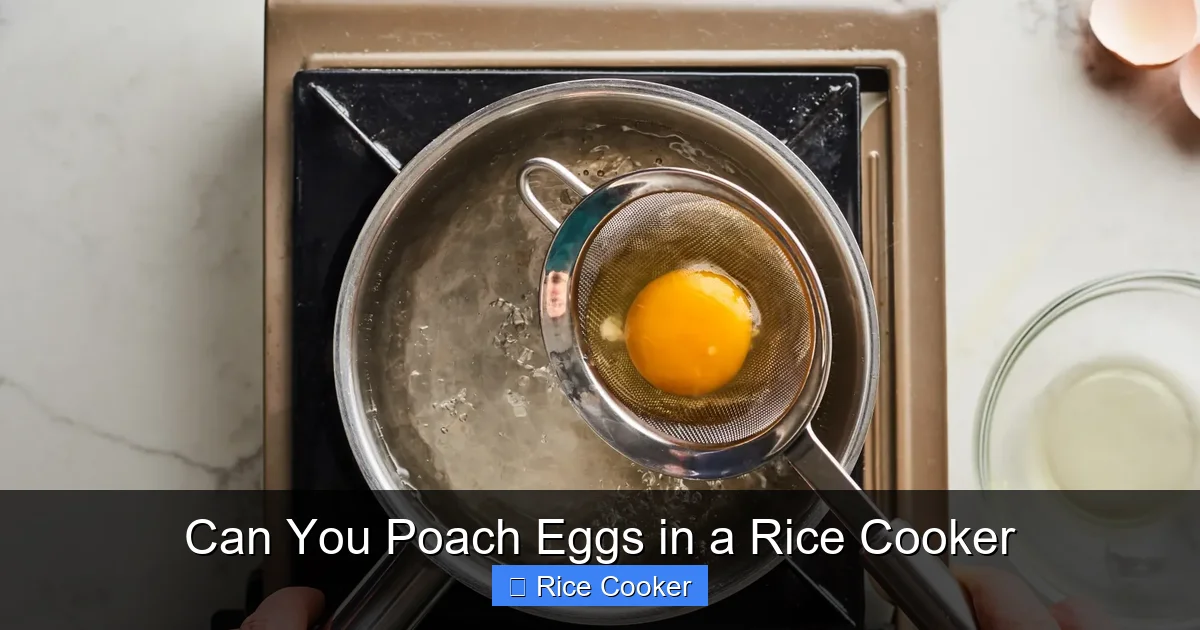
At its core, poaching relies on gentle, indirect heat to cook the egg white proteins slowly, creating a tender texture around a still-runny yolk. A rice cooker delivers exactly that—especially once it reaches full steam production. After the initial boil, the machine cycles between heating and warming modes, maintaining a steady temperature that mimics a low simmer.
Visual guide about Can You Poach Eggs in a Rice Cooker
Image source: recipes.net
This steady environment means less risk of overcooking or scrambling your eggs. Unlike direct flame, where hot spots can cause uneven cooking, the rice cooker distributes heat evenly throughout the water vapor. That’s why so many users report consistently perfect results every time.
Why Vinegar Isn’t Always Necessary
Traditionally, vinegar is added to poaching water because it helps coagulate the egg white faster, keeping the shape intact. But here’s the secret: in a sealed rice cooker, the high humidity and gentle agitation naturally do much of that work. So while a teaspoon of white vinegar won’t hurt, it’s not essential unless you’re using older eggs or prefer sharper flavor.
For best results, use fresh eggs (within two weeks of laying). Fresh eggs have tighter protein structures, which hold together better during the poaching process. If your eggs are older, a bit of vinegar can help prevent them from spreading too thin.
What You’ll Need to Poach Eggs in a Rice Cooker
Essential Equipment
- A standard rice cooker with a non-stick inner pot – Any model will do, though newer digital ones offer more control.
- A small heat-safe bowl or ramekin (about 4–6 oz capacity) – This acts as your individual poaching vessel.
- Water (enough to cover the bottom of the pot slightly) – Usually ½ to ¾ cup depending on your cooker size.
Optional But Helpful Items
- Fine-mesh strainer or slotted spoon – Makes transferring eggs easier and cleaner.
- Timer or phone alarm – Ensures you don’t overcook.
- Paper towels – For blotting excess moisture after draining.
Ingredients
- Fresh large eggs (1 per serving recommended)
- White distilled vinegar (optional, 1 tbsp per batch)
Step-by-Step Guide: How to Poach Eggs in a Rice Cooker
Prep Your Rice Cooker
Start by rinsing the inner pot thoroughly—this removes any residue from previous meals. Add ½ to ¾ cup of cold water (less if your cooker is very compact). Place the empty pot back in the unit and turn it on. Let it come to a full boil; this usually takes 8–10 minutes.

Visual guide about Can You Poach Eggs in a Rice Cooker
Image source: recipes.net
Once boiling, reduce heat to the lowest setting or switch to “warm” mode. This maintains steaming without rolling bubbles, which could break delicate egg whites.
Cook the Eggs
- Gently crack one egg into a small ramekin or shot glass. Repeat if making multiple servings.
- Carefully slide the egg into the center of the boiling water using a slotted spoon or your hands (be cautious—water may still be hot).
- Close the lid and let it cook. For runny yolks, aim for 12 minutes. For slightly firmer yolks, go up to 15 minutes.
Pro tip: Don’t stir or move the eggs once they’re in. The gentle steam does all the work.
Remove and Serve
After cooking, use tongs or a spoon to lift the egg out. Let it drain upside down on paper towels for 10–15 seconds to remove excess water. This keeps the surface smooth and prevents sliding off toast or into soup.
Repeat the process for additional eggs, but avoid overcrowding. Too many eggs at once can lower the water temperature and lead to uneven cooking.
Troubleshooting Common Issues
Eggs Falling Apart
If your eggs break apart, it’s likely due to cracked shells, old eggs, or aggressive handling during transfer. Always crack eggs over a bowl first, not directly into the water. And remember: freshness matters!
Overcooked Yolks
Yolks turn hard if cooked beyond 15 minutes. To fix this, try reducing time next time or using cooler water initially. Some rice cookers retain heat longer than others, so adjust accordingly.
Eggs Sticking to the Bottom
This happens if there’s not enough water or if the pot wasn’t rinsed well. Make sure you add enough water to cover the base, and always clean the pot before use.
Creative Ways to Use Rice Cooker-Poached Eggs
Breakfast Bowls and Avocado Toast
Top buttery avocado slices with a perfectly poached egg, a sprinkle of chili flakes, and microgreens. The creamy yolk blends beautifully with the crunchy bread.
Meal Prep Powerhouses
Make a batch of four eggs ahead of time and store them in water at room temperature for up to 24 hours. Reheat quickly by poaching again for 3–4 minutes before serving over quinoa or roasted veggies.
Soups and Salads
Add a poached egg directly into warm soups like ramen or broccoli cheddar for protein boost. Or float one atop a green salad for a luxe touch.
Benedict Variations
Instead of flipping a poached egg onto Canadian bacon, try placing it gently on top of English muffins with hollandaise made from lemon juice and clarified butter. No steamer basket needed!
Tips for Perfect Results Every Time
- Use room-temperature eggs – They resist cracking and cook more evenly.
- Don’t skip the ramekin step – It prevents yolk rupture and makes transfer safer.
- Test your cooker’s cycle – Note how long it takes to boil and how long it stays hot afterward.
- Practice makes perfect – Try different timings to match your yolk preference.
- Clean immediately after use – Prevents mineral buildup from hard water.
FAQs
Can I make scrambled eggs in a rice cooker instead?
While possible, rice cookers aren’t ideal for scrambled eggs due to lack of stirring motion. Stick to poaching, soft-boiling, or even steamed dumplings for best outcomes.
How long do poached eggs last in the fridge?
If stored in fresh water in an airtight container, poached eggs stay safe for up to 48 hours. Discard if odor or sliminess appears.
Do I really need a ramekin?
Not strictly, but it’s highly recommended. It protects the yolk and makes sliding the egg into water much easier and cleaner.
Can I reuse the same water?
No—discard the poaching liquid after each use. Reusing it introduces bacteria and affects taste.
Will this work in electric pressure cookers?
Yes! Just set the pressure cooker to “Steam” mode for 6–8 minutes after releasing pressure. Adjust times based on desired yolk firmness.
Is this method healthier than frying?
Absolutely. Poaching requires zero added fat, making it a lighter option compared to frying or scrambling with oil.
Frequently Asked Questions
What is can you poach eggs in a rice cooker?
can you poach eggs in a rice cooker is an important topic with many practical applications.