
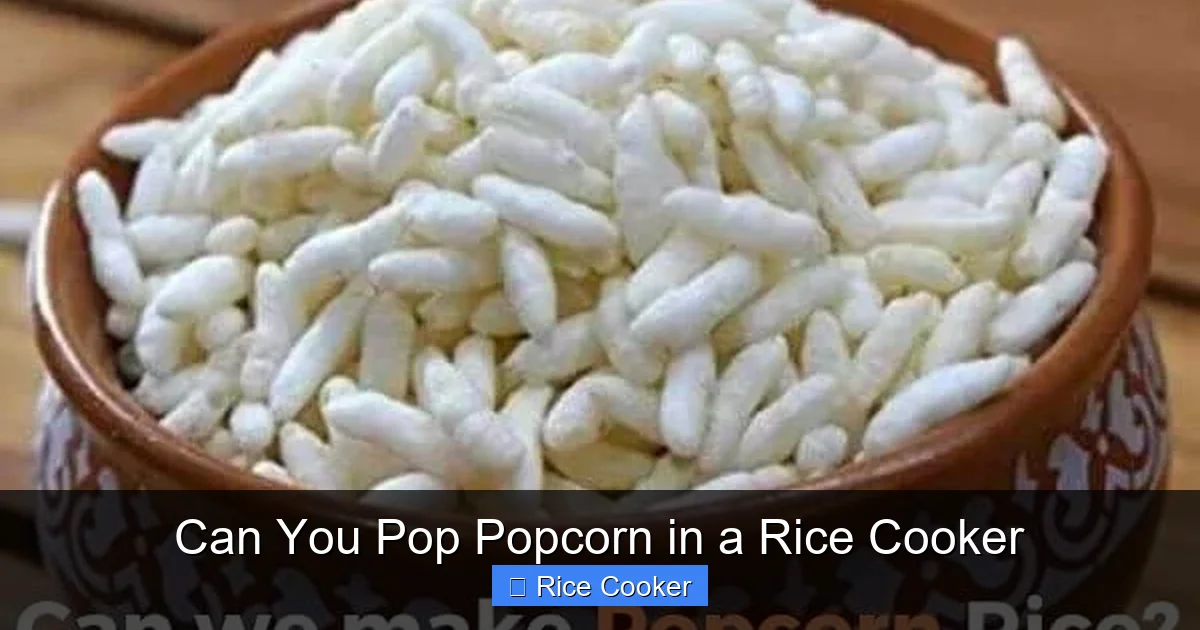
Yes, you can absolutely pop popcorn in a rice cooker! With the right method and precautions, your rice cooker becomes a convenient and energy-efficient way to make fresh popcorn without burning. This article walks you through step-by-step instructions, tips for success, and answers to common concerns.
Key Takeaways
- You can pop popcorn in most standard rice cookers by using the cooking function with minimal water and a heat-safe container.
- Use high-quality kernels and avoid pre-popped or flavored varieties to prevent sticking or damage to your appliance.
- Always use a lid or vented cover to control moisture and ensure even popping while preventing steam buildup.
- Monitor the process closely, especially during the first few minutes, to avoid burnt or unpopped kernels.
- Cleansing is easy—most residue comes off with warm soapy water and a soft cloth.
- This method saves time and energy compared to traditional stovetop popping and uses fewer appliances.
- Not all rice cookers are created equal; newer models with precise temperature controls work best.
📑 Table of Contents
- Can You Pop Popcorn in a Rice Cooker? Yes — and It’s Surprisingly Easy!
- Understanding How Rice Cookers Work
- What You’ll Need to Pop Corn in a Rice Cooker
- Step-by-Step Guide: How to Pop Popcorn in a Rice Cooker
- Common Mistakes and How to Avoid Them
- Tips for Perfect Popcorn Every Time
- How Rice Cooker Popcorn Compares to Other Methods
- Safety Considerations
- Frequently Asked Questions
- Conclusion: Turn Your Rice Cooker Into a Snack Station
Can You Pop Popcorn in a Rice Cooker? Yes — and It’s Surprisingly Easy!
Imagine this: You’re craving a snack but don’t want to fire up the stovetop or dig out the popper from the back of your pantry. What if you told you that your trusty rice cooker could become your new go-to for homemade popcorn? That’s right — you can pop popcorn in a rice cooker, and it’s easier than you think.
Rice cookers were originally designed to cook grains like rice, quinoa, and barley, but their simple yet effective heating mechanism makes them surprisingly well-suited for popping corn. When set to the right temperature and used with proper technique, many rice cookers can produce fluffy, golden popcorn without burning a single kernel. Plus, using your rice cooker means fewer dishes and less cleanup compared to other methods.
In this comprehensive guide, we’ll walk you through everything you need to know about making popcorn in your rice cooker — from selecting the right equipment and ingredients to mastering timing and texture. Whether you’re a snack enthusiast, a busy parent looking for quick solutions, or just curious about kitchen hacks, this article will turn your rice cooker into a popcorn powerhouse.
Understanding How Rice Cookers Work
The Science Behind Rice Cooking
Before diving into popcorn, it helps to understand what makes a rice cooker tick. Most rice cookers operate on a thermostat-controlled system. They heat up until they reach a preset temperature (usually around 200°F or 93°C), then automatically switch to “keep-warm” mode to maintain that temperature without overcooking.
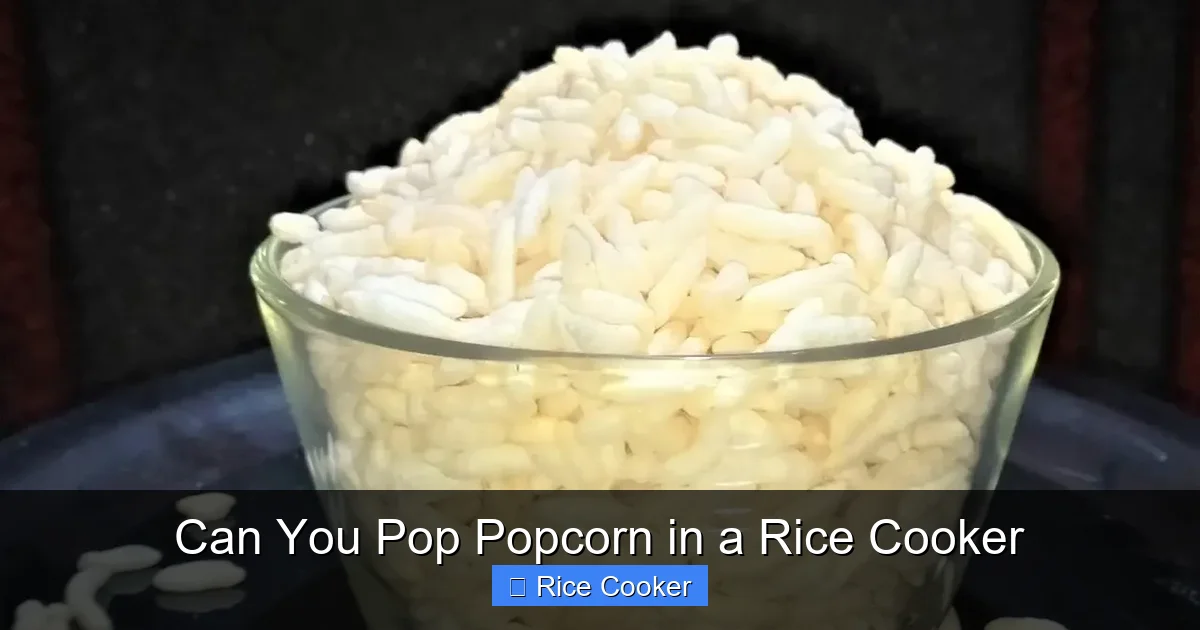
Visual guide about Can You Pop Popcorn in a Rice Cooker
Image source: weknowrice.com
This consistent, moderate heat is ideal for popping corn. Corn kernels contain moisture inside their hard shells. When heated, the moisture turns to steam, building pressure until the kernel bursts open — releasing the fluffy white endosperm inside. The rice cooker’s steady temperature allows this process to happen gradually and evenly, reducing the risk of burning.
Why Rice Cookers Are Great for Popping
Unlike stovetops, which require constant attention and fluctuating heat levels, rice cookers provide hands-off convenience. Once you add the kernels and start the cycle, you can focus on other tasks while the magic happens. And because the cooker retains heat so well, popcorn tends to stay warm and crispy longer than microwaved versions.
Another advantage? Minimal mess. Unlike stovetop popping, where oil splatters everywhere, rice cooker popping requires little to no oil — just a dry environment and controlled airflow. This also means fewer calories and no greasy residue on your stovetop.
What You’ll Need to Pop Corn in a Rice Cooker
Essential Equipment
Not every rice cooker is suitable for popping popcorn, so let’s start with what you need:
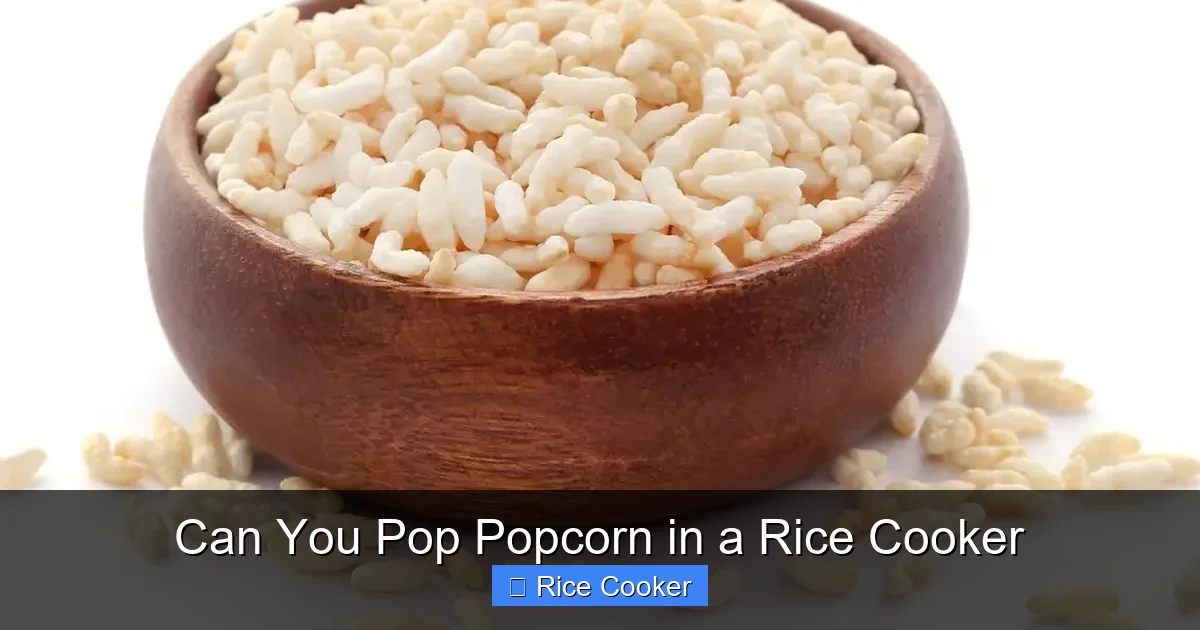
Visual guide about Can You Pop Popcorn in a Rice Cooker
Image source: weknowrice.com
- A working rice cooker: Any basic model with a heating plate should work, but newer digital models with precise temperature control perform better.
- A heat-resistant bowl or pan: Choose something that fits snugly inside the inner pot and can handle direct heat. Glass, ceramic, or thick stainless steel bowls work well.
- A lid or cover: A tight-fitting lid traps steam and keeps kernels contained. If your bowl has one, great! Otherwise, use a plate, foil, or even a paper towel secured with rubber bands.
- A measuring spoon or small cup: For accurate kernel portions.
Recommended Ingredients
For best results, stick with these:
- Pure yellow popping corn kernels: Look for brands labeled specifically for popping (e.g., Wholly Potatoes, AeroGarden). Avoid pre-seasoned or flavored varieties — they often contain oils or coatings that can burn.
- Minimal to no oil (optional): While some recipes call for a teaspoon of oil, many users report success with zero oil by using a non-stick bowl. If you do use oil, choose a neutral-flavored one like canola or avocado oil.
Optional Extras
If you want to elevate your popcorn game:
- Cheese powder or nutritional yeast (add after popping)
- Sea salt or smoked paprika
- Butter spray** (lightly sprayed inside the bowl before adding kernels)
Step-by-Step Guide: How to Pop Popcorn in a Rice Cooker
Preparation Phase
- Clean your inner pot: Make sure there’s no old rice starch or debris. Even a tiny speck of residue can cause uneven heating.
- Choose the right bowl size: Your bowl should hold about 1/3 to 1/2 full of kernels and leave room above for expansion. Too much, and you’ll get unpopped kernels at the bottom; too little, and the popcorn won’t form properly.
- Add kernels (and optional oil)**: Use 1/3 to 1/2 cup of kernels per serving. If using oil, lightly coat the bottom of the bowl.
Popping Process
- Place the bowl in the inner pot: Center it carefully so it doesn’t touch the sides.
- Cover with a lid: Ensure it seals tightly to retain steam. If using a plate, press it down gently.
- Set the timer: Most rice cookers default to 30–40 minutes. However, popping usually takes only 5–7 minutes. To save time and reduce risk:
– Use the “Cook” function (not “Keep Warm”).
– Set a timer on your phone. - Listen carefully: After about 2–3 minutes, you should hear the first pops. Continue until the sound slows to about 1–2 seconds between pops (about 5–6 minutes total).
- Turn off the cooker immediately** when popping stops. Leaving it on may scorch any remaining kernels.
Finishing Touches
- Let it rest: Wait 1–2 minutes with the lid on to allow trapped steam to finish popping latent kernels.
- Carefully remove the lid** (watch for steam!) and transfer popcorn to a bowl.
- Season immediately** while still warm for better flavor absorption.
Common Mistakes and How to Avoid Them
Mistake #1: Using Too Many Kernels
Overfilling the bowl leads to incomplete popping and potential scorching. Stick to 1/3 cup max per batch unless you have a large-capacity rice cooker.
Mistake #2: Not Cleaning the Inner Pot
Residue from previous meals can interfere with heat distribution. Always wipe the inner pot clean before use.
Mistake #3: Leaving the Cooker On After Popping Stops
This is the #1 cause of burnt popcorn. As soon as the popping slows significantly, turn off the power.
Mistake #4: Using Pre-Seasoned or Microwave Popcorn Kernels
These often contain additives that melt and gum up your bowl. Only use plain, unseasoned popping corn.
Mistake #5: Skipping the Lid
Without a lid, steam escapes, reducing popping efficiency and increasing cooking time.
Tips for Perfect Popcorn Every Time
Experiment with Bowl Materials
Glass bowls distribute heat more evenly than metal, resulting in fewer cold spots. Ceramic works well too, but avoid plastic — it melts under high heat.
Preheat the Bowl (Optional)
Some chefs recommend warming the empty bowl in the rice cooker for 1–2 minutes before adding kernels. This ensures consistent starting temperature and reduces popping delay.
Try Oil Sparingly
If you prefer buttery flavor, spray a light layer of butter or oil onto the bowl before adding kernels. Don’t pour oil — just a thin mist prevents clumping.
Ventilate During Early Pops
If your rice cooker has a vent or steam release, crack it slightly during the first minute to let excess steam escape and prevent sogginess.
Store Leftovers Properly
Once cooled, store popcorn in an airtight container away from humidity. It stays crisp for up to 2 days.
How Rice Cooker Popcorn Compares to Other Methods
Vs. Microwave
Microwave popcorn is fast and convenient, but it often produces inconsistent results — some kernels explode, others remain hard. Rice cooker popcorn tends to be more uniform and less greasy, though slightly slower.
Vs. Stovetop
Stovetop popping gives you control over oil quantity and flavor infusion, but it’s messier and requires constant stirring. Rice cooker popping is cleaner, safer, and hands-off.
Vs. Electric Popper
Electric poppers are designed specifically for popping and offer the best texture, but they’re expensive and take up counter space. Rice cooker popping repurposes existing kitchen tools — a smart budget-friendly alternative.
Safety Considerations
Fire Prevention
Always monitor the first few minutes of popping. If you smell smoke, unplug the cooker immediately and ventilate the area. Never leave unattended.
Lid Safety
When removing the lid, tilt it away from your face to avoid hot steam burns. Use oven mitts if the bowl is very hot.
Electrical Caution
Ensure your rice cooker is in good condition — frayed cords or cracked bases should be replaced before use. Don’t submerge the base or cord in water.
Frequently Asked Questions
Can any rice cooker make popcorn?
Most standard rice cookers can pop corn, but older models with poor temperature regulation may burn kernels faster. Digital or fuzzy-logic models tend to perform better due to precise heat control.
Do I really need oil?
No — many people successfully pop corn without oil by using a non-stick bowl. Oil is optional and mainly affects flavor and crispness. If you do use it, keep it light to avoid burning.
Why did my popcorn taste burnt?
This usually happens if the cooker was left on after popping stopped or if too many kernels were used. Always turn off the power as soon as popping slows, and stick to recommended kernel amounts.
Can I pop sweet corn or other types of corn?
Only true popping corn (Zea mays everta) works well. Sweet corn is bred for eating raw or cooked, not popping, and will likely fail. Stick to labeled popping varieties.
Is rice cooker popcorn healthier than microwavable bags?
Absolutely! Microwave popcorn often contains artificial flavors, preservatives, and unhealthy fats. Homemade rice cooker popcorn lets you control ingredients — no trans fats or questionable additives.
How do I clean my rice cooker after making popcorn?
Let the inner pot cool completely, then wash with warm soapy water. Avoid abrasive scrubbers on non-stick surfaces. Residue from popcorn is usually easy to wipe away — just don’t let it bake on while hot.
Conclusion: Turn Your Rice Cooker Into a Snack Station
Popping popcorn in a rice cooker isn’t just possible — it’s practical, economical, and satisfying. With minimal effort and common household items, you can enjoy fresh, fluffy, and customizable popcorn anytime. Whether you’re watching a movie, feeding a crowd, or just need a healthy snack, your rice cooker has got your back.
Remember: consistency is key. Experiment with kernel brands, oil amounts, and seasonings to find your perfect recipe. And always prioritize safety by monitoring early pops and cleaning your cooker afterward.
So next time cravings hit, skip the microwave and give your rice cooker a try. You might just discover your new favorite kitchen hack — one perfectly popped kernel at a time.
Frequently Asked Questions
Can any rice cooker make popcorn?
Most standard rice cookers can pop corn, but older models with poor temperature regulation may burn kernels faster. Digital or fuzzy-logic models tend to perform better due to precise heat control.
Do I really need oil?
No — many people successfully pop corn without oil by using a non-stick bowl. Oil is optional and mainly affects flavor and crispness. If you do use it, keep it light to avoid burning.
Why did my popcorn taste burnt?
This usually happens if the cooker was left on after popping stopped or if too many kernels were used. Always turn off the power as soon as popping slows, and stick to recommended kernel amounts.
Can I pop sweet corn or other types of corn?
Only true popping corn (Zea mays everta) works well. Sweet corn is bred for eating raw or cooked, not popping, and will likely fail. Stick to labeled popping varieties.
Is rice cooker popcorn healthier than microwavable bags?
Absolutely! Microwave popcorn often contains artificial flavors, preservatives, and unhealthy fats. Homemade rice cooker popcorn lets you control ingredients — no trans fats or questionable additives.
How do I clean my rice cooker after making popcorn?
Let the inner pot cool completely, then wash with warm soapy water. Avoid abrasive scrubbers on non-stick surfaces. Residue from popcorn is usually easy to wipe away — just don’t let it bake on while hot.