

Yes, you can pre-cook rice and reheat it safely—but only if done correctly. Pre-cooked rice is convenient for meal prep, but improper reheating can lead to foodborne illness. Using a rice cooker or microwave with proper cooling and storage techniques ensures safe, fluffy results every time.
Key Takeaways
- Safety First: Rice left at room temperature for over 2 hours can harbor harmful bacteria like Bacillus cereus, which causes food poisoning.
- Cook Once, Reheat Many Times: You can reheat pre-cooked rice multiple times, but each reheat should be quick and thorough to avoid drying out or uneven heating.
- Proper Storage Matters: Cool cooked rice within 1 hour of cooking, store it in shallow containers, and refrigerate immediately to slow bacterial growth.
- Best Reheating Method: Use a rice cooker on “warm” or “reheat” mode, or steam in the microwave with a damp paper towel to retain moisture and texture.
- Flavor & Texture Tips: Add a splash of water or broth when reheating to revive dryness and enhance flavor.
- Freezing Works Too: Freeze pre-cooked rice in portions for up to 3 months; thaw overnight in the fridge before reheating.
- Avoid Room-Temp Reheating: Never leave reheating rice uncovered at room temperature—this promotes bacterial contamination.
📑 Table of Contents
- Can You Pre Cook Rice and Reheat? The Ultimate Guide to Safe and Delicious Leftovers
- Why People Pre-Cook Rice: Convenience Meets Efficiency
- How to Safely Pre-Cook and Store Rice
- Best Methods to Reheat Pre-Cooked Rice
- Common Mistakes When Reheating Rice
- Can You Reheat Rice More Than Once?
- Creative Ways to Use Reheated Rice
- Frequently Asked Questions (FAQs)
Can You Pre Cook Rice and Reheat? The Ultimate Guide to Safe and Delicious Leftovers
If you’re someone who loves meal prepping or simply wants to save time during busy weekdays, the idea of preparing rice ahead of time might have crossed your mind. After all, rice is one of the most versatile and forgiving grains—perfect for stir-fries, fried rice, burrito bowls, or even just eating plain. But here’s the big question: can you pre-cook rice and reheat it?
The short answer is yes—but with important caveats. While pre-cooking rice is not only possible, it’s also a smart strategy for busy people who want to reduce daily cooking time. However, doing it safely requires understanding how rice behaves after cooking and how to handle it properly to avoid foodborne illness. In this comprehensive guide, we’ll walk through everything you need to know about pre-cooking rice, storing it safely, and reheating it without losing flavor or texture.
Whether you’re using a traditional rice cooker, a microwave, or planning to freeze your cooked rice for later use, this article covers best practices, common mistakes, and pro tips to help you master the art of reheating rice like a kitchen pro. So grab a bowl of jasmine rice (or whatever your favorite variety is), and let’s dive in!
Why People Pre-Cook Rice: Convenience Meets Efficiency
In today’s fast-paced world, convenience is king. For many home cooks, pre-cooking rice has become a go-to technique to streamline dinner prep. Imagine this: you come home tired after work, toss some frozen veggies and leftover chicken into a pan, and suddenly realize your stir-fry needs rice. If you’ve already pre-cooked and stored a batch earlier that day, you’re golden.
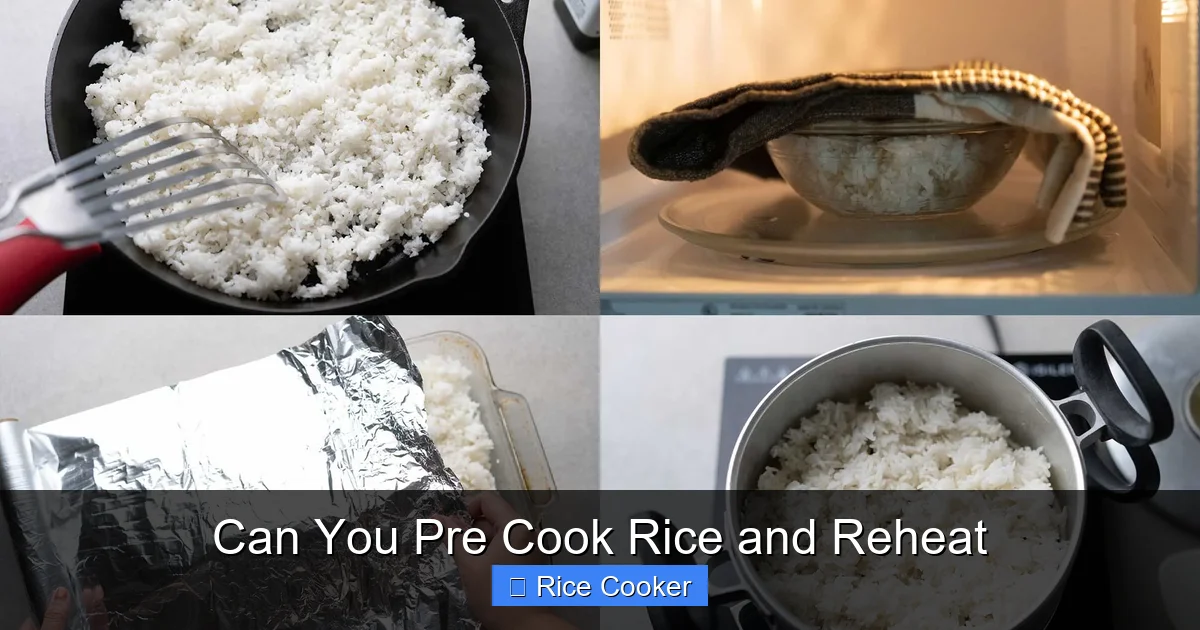
Visual guide about Can You Pre Cook Rice and Reheat
Image source: hungryhuy.com
Pre-cooking rice isn’t just about saving time—it’s about building efficiency into your weekly routine. With a few minutes of prep on Sunday, you can have perfectly cooked rice ready for tacos, salads, or curry throughout the week. Plus, using a rice cooker makes the process foolproof. Just measure, add water, press start, and forget it until it’s done.
But convenience comes with responsibility. Unlike other grains, white rice is especially prone to bacterial growth if not handled correctly. This is because cooked rice contains spores of Bacillus cereus, a bacterium that can survive boiling temperatures and produce toxins that cause nausea, vomiting, and diarrhea. These toxins aren’t destroyed by reheating, so improper storage and handling are critical.
The Science Behind Rice Safety
When rice is cooked, its starches gelatinize, making it soft and palatable. But along with those delicious flavors come dormant spores of Bacillus cereus. These spores don’t die when rice cools—they wait. If the rice sits at room temperature (between 40°F and 140°F, known as the “danger zone”), the spores wake up, multiply, and release toxins faster than you can say “food poisoning.”
This is why experts always advise against leaving cooked rice out for more than two hours (one hour if it’s above 90°F). The key to safe pre-cooking is rapid cooling and prompt refrigeration. By following simple steps—cooling quickly, storing properly, and reheating thoroughly—you eliminate most risks and enjoy safe, tasty rice every time.
How to Safely Pre-Cook and Store Rice
Now that we’ve covered the “why,” let’s talk about the “how.” Pre-cooking rice is straightforward, but doing it safely requires attention to detail. Here’s a step-by-step guide to pre-cooking rice like a pro.

Visual guide about Can You Pre Cook Rice and Reheat
Image source: cookit.guru
Step 1: Choose the Right Rice Type
Not all rice is created equal when it comes to reheating. Short-grain rice (like sushi rice or arborio) holds together well and reheats nicely. Long-grain varieties (such as basmati or jasmine) tend to stay fluffier and are great for dishes like fried rice or pilaf. Avoid instant or precooked rice unless specifically labeled as freezer-safe, as these often contain additives that affect texture upon reheating.
Step 2: Cook It Properly
Use a rice cooker for consistency and ease. For most white rice, the standard ratio is 1 cup uncooked rice to 1.5 cups water. Follow package instructions, and let the rice cook fully—no skipping the final resting phase unless your cooker says otherwise.
Step 3: Cool Quickly
Once cooked, spread the rice in a thin layer on a baking sheet or large dish. This increases surface area and speeds up cooling. Stir occasionally to prevent clumping. Aim to cool the rice to room temperature within 1 hour.
Step 4: Refrigerate Promptly
Transfer cooled rice to airtight containers or resealable bags. Label with the date. Refrigerate immediately—ideally within 1 hour of cooking. Stored this way, rice stays safe for up to 4 days.
Step 5: Portion for Freezing (Optional)
If you plan to freeze rice, portion it into meal-sized amounts. Place each portion in a freezer-safe container or zip-top bag. Remove as much air as possible to prevent freezer burn. Frozen rice keeps well for up to 3 months and is perfect for long-term meal prep.
Best Methods to Reheat Pre-Cooked Rice
Reheating rice doesn’t have to mean mushy, dry clumps. With the right technique, you can restore that fresh-from-the-pot texture and flavor. Let’s explore the best ways to reheat pre-cooked rice—especially using a rice cooker, which is designed for this exact purpose.
Method 1: Using a Rice Cooker (Recommended)
If you own a rice cooker, it’s your best friend for reheating. Most modern models have a “keep warm” or “reheat” function. Here’s how to do it:
- Place the desired amount of cold, refrigerated rice into the inner pot.
- Add 1–2 tablespoons of water per cup of rice (optional, but helps restore moisture).
- Close the lid and select the “Warm” or “Reheat” setting. Let it run for 10–15 minutes.
- Stir gently and check for warmth and even heat. Repeat if needed.
This method is gentle and evenly distributes heat, preventing hot spots or scorching. Plus, it mimics the original cooking process, helping rice regain tenderness.
Method 2: Microwave with Steam
The microwave is fast and effective, but it requires care to avoid rubbery or dry rice. Follow these steps:
- Place rice in a microwave-safe dish.
- Drizzle with water or broth (1 tablespoon per cup).
- Cover with a damp paper towel or microwave-safe lid to trap steam.
- Microwave on high for 1 minute per cup of rice. Pause and stir halfway through.
- Check temperature and repeat in 30-second intervals if needed.
Using a damp cloth prevents splatter and adds moisture back into the rice—crucial for revived texture.
Method 3: Stovetop Steaming
For larger batches or when you want full control, the stovetop works beautifully:
- Heat a non-stick skillet over medium-low heat.
- Add rice and a splash of water. Cover tightly.
- Simmer for 5–7 minutes, stirring occasionally.
- Remove from heat and let sit covered for 2 minutes before fluffing.
This method is ideal for fried rice or when you want to add soy sauce, garlic, or herbs during reheating.
Common Mistakes When Reheating Rice
Even experienced cooks make these errors. Avoid them to keep your rice safe and delicious.
Mistake #1: Leaving Rice at Room Temperature
Never reheat rice that’s been sitting out for hours. Bacteria multiply rapidly between 40°F and 140°F. Always reheat rice that’s been refrigerated or frozen.
Mistake #2: Not Adding Moisture
Refrigerated rice dries out. Skipping water or broth leads to tough, chewy grains. A little liquid goes a long way in restoring softness.
Mistake #3: Overcooking in the Microwave
Microwaves heat unevenly. Overdoing it dries rice and creates cold spots. Stir frequently and test temperature.
Mistake #4: Using the Wrong Container
Airtight containers prevent contamination and preserve moisture. Glass or BPA-free plastic works best.
Mistake #5: Skipping the Cooling Step
Cooling rice quickly is essential. Don’t rush it, but don’t let it linger on the counter either.
Can You Reheat Rice More Than Once?
Yes, you can reheat rice multiple times—but with limits. Each time you reheat, the risk of bacterial growth increases slightly, and the texture degrades. That said, if handled properly, reheating rice two or three times is generally safe and acceptable for home use.
For best results:
- Always reheat rice within 4 days of initial cooking.
- Don’t reheat rice more than 2–3 times total.
- Never reheat rice that smells off, feels slimy, or shows signs of spoilage.
If you’re meal prepping for a week, consider cooking rice once and dividing into single servings. Reheat only what you’ll eat that day. This minimizes exposure and maintains quality.
Creative Ways to Use Reheated Rice
Reheated rice doesn’t have to be boring. In fact, it’s the foundation of countless delicious meals. Here are some creative ideas:
- Fried Rice: Sauté rice with soy sauce, scrambled eggs, peas, carrots, and your choice of protein. Add a splash of sesame oil for depth.
- Rice Bowls: Top with grilled chicken, kimchi, avocado, and a drizzle of sriracha-mayo.
- Risotto: Slowly stir in warm broth, Parmesan, and mushrooms until creamy.
- Stuffed Peppers: Mix rice with ground meat, tomatoes, and spices, then bake in bell peppers.
- Shepherd’s Pie: Layer rice with mashed potatoes, lentils, and vegetables for a plant-based version.
Each of these dishes benefits from slightly firmer rice, so pre-cooking and storing rice in advance gives you the perfect base.
Frequently Asked Questions (FAQs)
How long can pre-cooked rice be stored in the refrigerator?
Pre-cooked rice should be refrigerated within 1 hour of cooking and consumed within 4 days for optimal safety and quality.
Can you freeze pre-cooked rice?
Yes! Portion rice into freezer-safe containers, remove excess air, and freeze for up to 3 months. Thaw in the refrigerator before reheating.
Is it safe to reheat rice in the microwave?
Absolutely—just cover it with a damp paper towel to retain moisture and stir halfway through to ensure even heating.
Does reheating rice kill bacteria?
Yes, reheating rice to an internal temperature of 165°F kills bacteria. However, it does not destroy heat-stable toxins produced by Bacillus cereus.
Can you eat rice that’s been left out overnight?
No. Rice left at room temperature for more than 2 hours (1 hour above 90°F) should be discarded due to the risk of food poisoning.
What’s the best way to reheat rice without a rice cooker?
Use a microwave with added moisture or a stovetop skillet with a tight lid. Both methods work well when done carefully.
Frequently Asked Questions
What is can you pre cook rice and reheat?
can you pre cook rice and reheat is an important topic with many practical applications.