
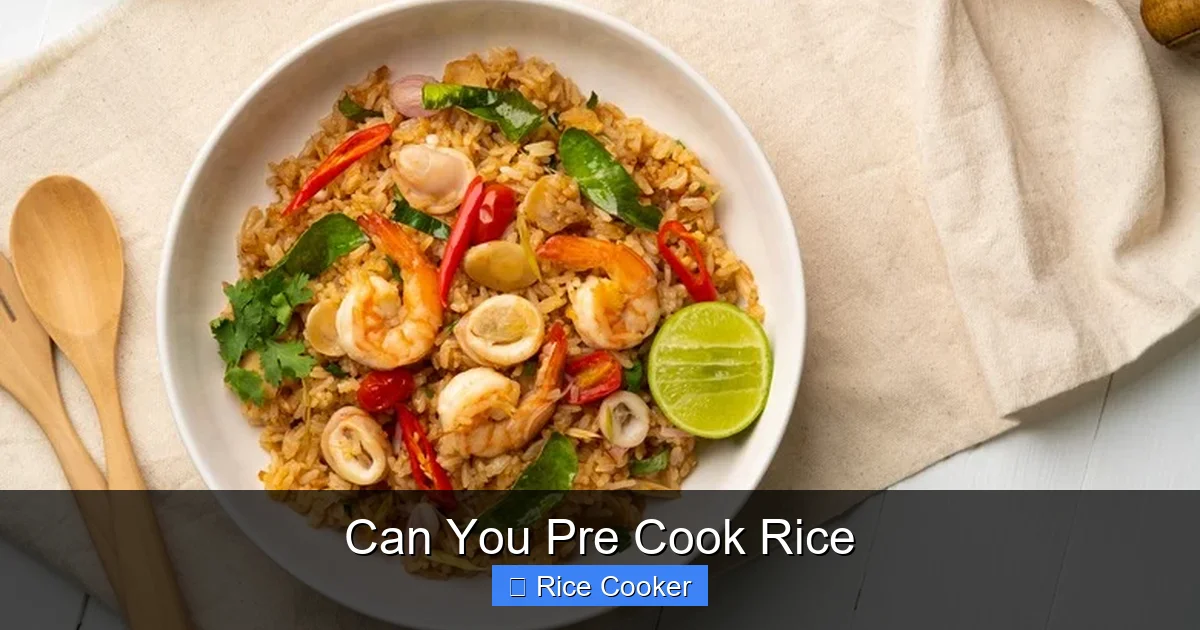
Can you pre-cook rice? Absolutely! Preparing rice ahead of time is not only possible—it’s practical and saves you valuable kitchen time. Whether you’re meal-prepping for the week or just want dinner ready in minutes, knowing how to pre-cook rice can transform your cooking routine. With the right techniques, you can store, freeze, and reheat rice without losing flavor or texture.
Key Takeaways
- Pre-cooked rice is safe and convenient: Cooking rice ahead of time reduces daily prep work and helps maintain consistent meal timing.
- Proper storage is essential: Cool cooked rice quickly and refrigerate or freeze it within two hours to prevent bacterial growth.
- Reheating methods matter: Use a steamer, microwave with a damp cloth, or pan method to restore soft, fluffy texture.
- Rice cookers make pre-cooking easy: Most models have keep-warm settings and timers that support batch cooking and storage.
- Freezing extends shelf life: Portion and freeze rice in airtight containers for up to 6 months; thaw overnight before reheating.
- Not all rice types are equal: Short-grain and long-grain white rice reheat best; avoid delicate varieties like sushi rice if planning to freeze.
- Flavor enhancement is possible: Add herbs, broth, or oil during pre-cooking to infuse taste for more delicious leftovers.
📑 Table of Contents
- Introduction: The Convenience of Pre-Cooking Rice
- Why Pre-Cook Rice?
- How to Pre-Cook Rice Like a Pro
- Storing Pre-Cooked Rice Safely
- Reheating Pre-Cooked Rice Perfectly
- Tips to Enhance Flavor and Texture
- Common Mistakes to Avoid
- Pre-Cooking Rice for Specific Dishes
- Frequently Asked Questions
- Conclusion: Master the Art of Pre-Cooked Rice
Introduction: The Convenience of Pre-Cooking Rice
Imagine this: You’ve had a long day at work, and all you want is to sit down to a warm, home-cooked meal. But opening the pantry to find no rice? Or worse—opening the fridge to discover your pre-cooked rice has dried out or gone mushy? It’s frustrating, isn’t it?
That’s where pre-cooking rice comes to the rescue. Whether you’re a busy professional, a parent juggling school runs, or someone who loves meal prep, knowing how to cook rice ahead of time can simplify your life. With modern appliances like rice cookers, the process is easier than ever.
But here’s the catch: not everyone knows how to do it right. If done incorrectly, pre-cooked rice can become unappetizing or even unsafe. That’s why we’re diving deep into everything you need to know about pre-cooking rice—from safety tips to storage hacks, reheating tricks, and how your rice cooker fits into the picture.
By the end of this article, you’ll feel confident cooking rice in advance, storing it properly, and bringing it back to life with perfect texture and flavor. Let’s get started!
Why Pre-Cook Rice?
There are many reasons people choose to pre-cook rice. Let’s break them down:
The Busy Lifestyle Solution
Life moves fast. Between work, family, and personal commitments, finding time to cook from scratch every day is tough. Pre-cooking rice means one less task on your plate (literally). Once you’ve got a batch ready, you’re set for several meals or snacks.
Consistency in Meals
When you cook rice fresh each time, there’s room for error—overcooking, undercooking, inconsistent seasoning. With pre-cooked rice, every serving is reliable. This is especially helpful for meal-prep enthusiasts who want balanced lunches or quick dinners.
Reduced Waste
Leftover rice? No problem. Instead of tossing it, you can repurpose it into fried rice, risotto, or even rice pudding. Pre-cooking allows you to use exactly what you need, reducing food waste and saving money.
Emergency Backup
Ever run out of rice at the last minute? Pre-cooked rice acts as your kitchen emergency kit. Keep a few portions frozen, and you’ll never be caught off guard again.
How to Pre-Cook Rice Like a Pro
So, how do you actually pre-cook rice? It starts with choosing the right rice and using a reliable method—like a rice cooker. Here’s a step-by-step guide:
Choose the Right Type of Rice
Not all rice is created equal when it comes to pre-cooking. For best results, stick with:
– Short-grain white rice: Ideal for sushi, risotto, or creamy dishes.
– Long-grain white rice: Great for stir-fries, pilafs, and fried rice.
– Basmati or Jasmine rice: Works well if you plan to store briefly and reheat soon.
Avoid delicate or sticky types like sushi rice if you plan to freeze, as freezing can alter texture upon thawing.
Measure and Rinse Properly
Use a measuring cup for accuracy. A standard ratio is 1 cup uncooked rice to 2 cups water, but check packaging instructions. Rinse rice under cold water until the water runs clear—this removes excess starch and prevents clumping.
Cook Using a Rice Cooker
Here’s where technology shines. Most rice cookers come with:
– Timer function: Set it to cook while you sleep or go to work.
– Keep-warm mode: Maintains temperature without drying out the rice.
– One-touch operation: Just add rice, water, press start.
After cooking, let the rice sit for 5–10 minutes with the lid closed—this allows steam to finish the process and fluff the grains.
Cool It Down Fast
This is critical. Bacteria multiply rapidly between 40°F and 140°F (the “danger zone”). To stay safe, cool cooked rice quickly. Spread it in shallow containers and place in the refrigerator within two hours.
Storing Pre-Cooked Rice Safely
Safety first! Improper storage can lead to foodborne illness. Follow these guidelines:
Refrigeration: The Standard Option
Store cooled rice in airtight containers or resealable bags. Label with the date—refrigerated rice is good for up to 4 days.
Freezing: Long-Term Storage
For longer shelf life, freeze rice. Portion it into single-serving sizes (about 1 cup cooked) and freeze in airtight freezer bags or containers. Frozen rice lasts up to 6 months.
Tip: Leave a little headspace in containers to allow expansion during freezing.
Thawing Frozen Rice
Never thaw rice at room temperature. Instead, move it from the freezer to the refrigerator overnight. For quicker use, place frozen portions in a sealed bag and submerge in cold water—change water every 30 minutes until thawed.
Reheating Pre-Cooked Rice Perfectly
The worst thing about pre-cooked rice is when it turns into a dry, rubbery brick. Avoid that with smart reheating techniques.
Microwave Method (Best for Small Portions)
Place rice in a microwave-safe dish. Add 1 tablespoon of water per cup of rice. Cover with a damp paper towel or microwave-safe lid. Heat on high for 1–2 minutes, stir, then heat again until hot throughout. This keeps moisture locked in.
Stovetop Reheating
Bring a small amount of water or broth to a simmer in a saucepan. Add rice, cover, and cook over low heat, stirring occasionally, until heated through. This method works great for larger batches or when you want to add flavor.
Steaming Basket or Rice Cooker
If you still have your rice cooker, use it! Transfer rice to a heatproof bowl and place it in the rice cooker with the keep-warm function turned off. Add a splash of water, cover with a lid or foil, and steam for 5–7 minutes. The residual heat does the rest.
Tips to Enhance Flavor and Texture
Plain rice is fine—but what if you could make it taste better before storing?
Add Herbs and Spices During Cooking
While cooking your rice, toss in bay leaves, garlic cloves, or a pinch of turmeric. Remove solids after cooking, and you’ll have aromatic, flavorful rice ready to go.
Deglaze with Broth or Wine
Instead of plain water, use chicken, vegetable, or beef broth. This adds depth, especially useful when reheating later.
Drizzle with Oil Before Storing
Adding a teaspoon of olive or sesame oil per cup of rice prevents clumping and adds richness. Just mix gently before storing.
Season After Cooking
Lightly salt or sprinkle with soy sauce, lime juice, or Parmesan cheese after cooking. Store in portions so each meal gets its own flavor boost.
Common Mistakes to Avoid
Even experienced cooks make errors. Here’s what not to do:
– Leaving rice at room temperature too long: Always refrigerate within 2 hours.
– Using the wrong container: Avoid open bowls; use airtight ones to retain moisture.
– Overfilling the rice cooker: Stick to recommended capacity for even cooking.
– Skipping the cooling step: Rapid cooling is non-negotiable for food safety.
– Reheating without adding liquid: Dry rice stays dry—always reintroduce moisture.
Pre-Cooking Rice for Specific Dishes
Different recipes call for different approaches.
Fried Rice
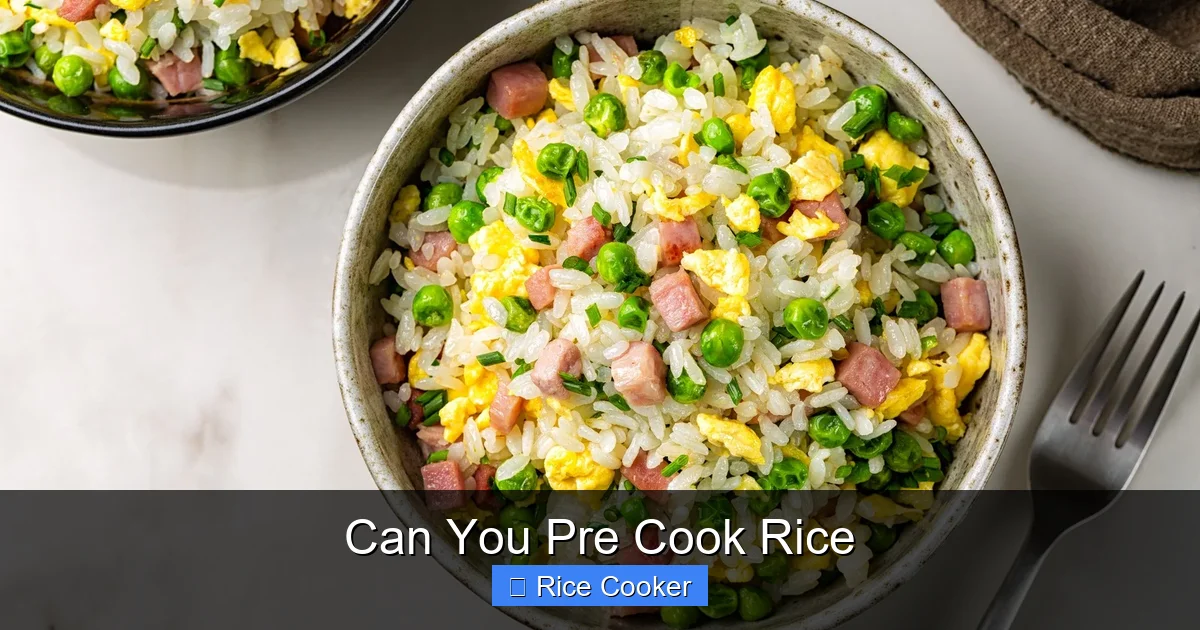
Cook rice a day ahead and refrigerate. On reheating, scramble eggs, add veggies, soy sauce, and your chilled rice. Stir-fry everything together for restaurant-quality fried rice.
Risotto
Pre-cook Arborio rice until al dente. Cool, store, and reheat slowly over low heat, stirring frequently and adding warm broth gradually until creamy.
Sushi Rice
Cook sushi rice as usual, then cool and rinse with vinegar-sugar mixture. Store in a covered container in the fridge. Use within 24 hours for best texture.
Meal Prep Bowls
Cook a big batch of rice, divide into containers, and layer with roasted vegetables, proteins, and sauces. Perfect grab-and-go meals.
Frequently Asked Questions
Is it safe to eat pre-cooked rice?
Yes, pre-cooked rice is safe to eat if stored properly. Cooked rice should be refrigerated within two hours of cooking and consumed within four days. Freezing extends its shelf life significantly.
Visual guide about Can You Pre Cook Rice
Image source: suvtale.com
Visual guide about Can You Pre Cook Rice
Image source: tastingtable.com
Can I pre-cook rice and eat it the next day?
Absolutely. Refrigerated rice can be safely eaten the next day, provided it was cooled and stored correctly. Just reheat thoroughly before serving.
How long does pre-cooked rice last in the fridge?
Pre-cooked rice lasts up to 4 days in the refrigerator when stored in an airtight container. After that, the quality and safety decline.
Can you freeze cooked rice?
Yes, you can freeze cooked rice for up to 6 months. Portion it into small amounts, label, and thaw in the refrigerator before reheating.
Does pre-cooked rice lose nutritional value?
No significant loss occurs during short-term storage. Nutrients remain intact whether refrigerated or frozen, though prolonged exposure to air may reduce some vitamins.
What’s the best way to reheat frozen rice?
Thaw frozen rice overnight in the refrigerator, then reheat in the microwave with a splash of water or broth. Cover to retain moisture and ensure even heating.
Conclusion: Master the Art of Pre-Cooked Rice
Pre-cooking rice isn’t just a time-saver—it’s a game-changer for anyone looking to streamline their kitchen routine. With the right tools, like a reliable rice cooker, and smart practices, you can enjoy perfectly cooked rice anytime, anywhere.
From meal prep warriors to families on the go, the benefits of pre-cooked rice are clear: convenience, consistency, and control. And with proper storage and reheating techniques, you’ll never have to settle for dry, lifeless rice again.
So go ahead—set that timer, cool that rice, and stash it away. Your future self will thank you. Whether you’re making fried rice for dinner or building tomorrow’s lunch bowl, pre-cooked rice has your back. Now, what’s your favorite way to use leftover rice?
Frequently Asked Questions
Is it safe to eat pre-cooked rice?
Yes, pre-cooked rice is safe to eat if stored properly. Cooked rice should be refrigerated within two hours of cooking and consumed within four days. Freezing extends its shelf life significantly.
Can I pre-cook rice and eat it the next day?
Absolutely. Refrigerated rice can be safely eaten the next day, provided it was cooled and stored correctly. Just reheat thoroughly before serving.
How long does pre-cooked rice last in the fridge?
Pre-cooked rice lasts up to 4 days in the refrigerator when stored in an airtight container. After that, the quality and safety decline.
Can you freeze cooked rice?
Yes, you can freeze cooked rice for up to 6 months. Portion it into small amounts, label, and thaw in the refrigerator before reheating.
Does pre-cooked rice lose nutritional value?
No significant loss occurs during short-term storage. Nutrients remain intact whether refrigerated or frozen, though prolonged exposure to air may reduce some vitamins.
What’s the best way to reheat frozen rice?
Thaw frozen rice overnight in the refrigerator, then reheat in the microwave with a splash of water or broth. Cover to retain moisture and ensure even heating.