
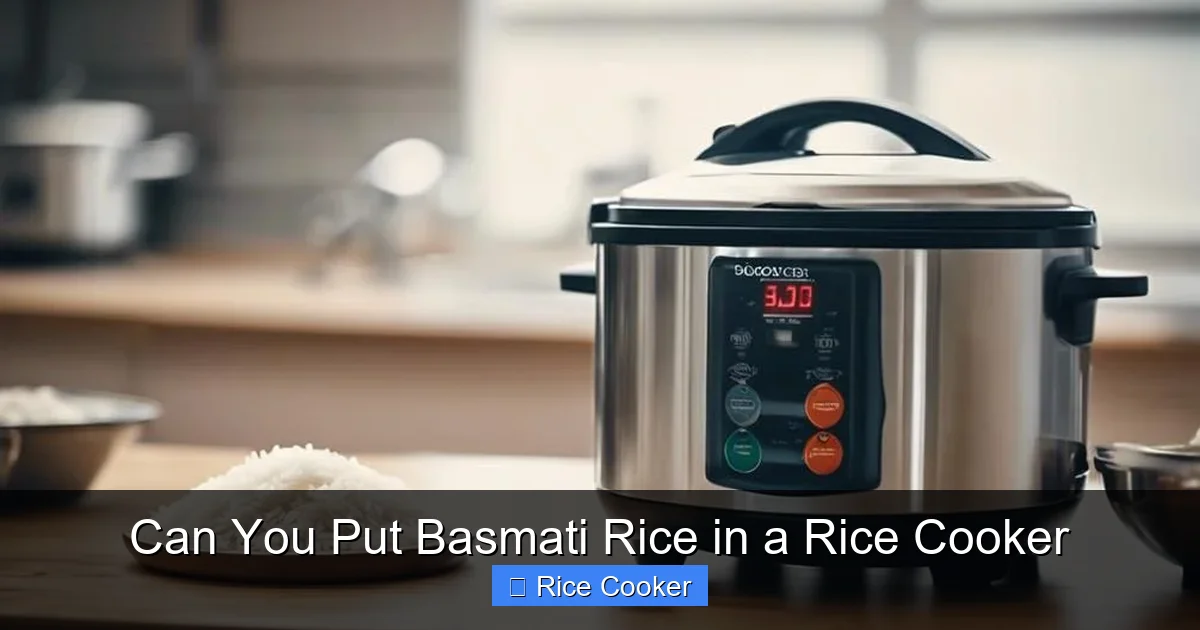
Basmati rice cooks beautifully in a rice cooker—delivering fluffy, fragrant grains every time with minimal effort. Whether you’re making everyday meals or special dishes, using your rice cooker ensures consistent results. With the right water-to-rice ratio and a few simple tips, you’ll never worry about overcooked or mushy basmati again.
Key Takeaways
- Basmati rice is ideal for rice cookers: Its long, slender grains benefit from the controlled heat and steam environment that rice cookers provide.
- Use the correct water ratio: A general guideline is 1:1.5 (rice to water), but soaking beforehand can improve texture and reduce cooking time.
- Soaking enhances results: Soaking basmati for 20–30 minutes before cooking helps it absorb water evenly and fluff better after cooking.
- Choose the right setting: Most rice cookers have a “white rice” or “long grain” setting—perfect for basmati. Avoid “quick cook” unless specified.
- Fluff gently after cooking: Use a fork instead of a spoon to avoid mashing the delicate grains.
- Clean promptly: Rinse basmati before cooking to remove excess starch and prevent stickiness.
📑 Table of Contents
Can You Put Basmati Rice in a Rice Cooker? Absolutely!
If you love the nutty aroma and light, fluffy texture of basmati rice, you’re probably wondering: can you use a rice cooker for it? The short answer is yes—and not only can you do it, but you’ll likely end up with consistently perfect results every single time. In fact, a rice cooker is one of the best tools for cooking basmati rice because it provides steady, even heat and automatic shut-off once the rice is done. No more guessing, no more burnt bottoms, and definitely no more mushy rice.
Basmati rice, known for its distinctive fragrance and long, slender grains, has become a staple in kitchens worldwide. From Indian biryanis to Middle Eastern pilafs, this aromatic variety shines when cooked properly. While traditional methods like boiling or steaming work well, modern appliances like rice cookers take the guesswork out of the equation. With just a few simple steps—rinse, measure, add water, press start—you’ll have restaurant-quality basmati rice ready in under 30 minutes.
Why Choose a Rice Cooker for Basmati Rice?
Rice cookers are designed to handle the unique needs of different rice types, and basmati is no exception. Unlike stovetop cooking, where maintaining the right temperature can be tricky, a rice cooker uses precise internal sensors to regulate heat and steam. This means your rice cooks evenly, absorbs moisture perfectly, and stays tender without turning to glue.
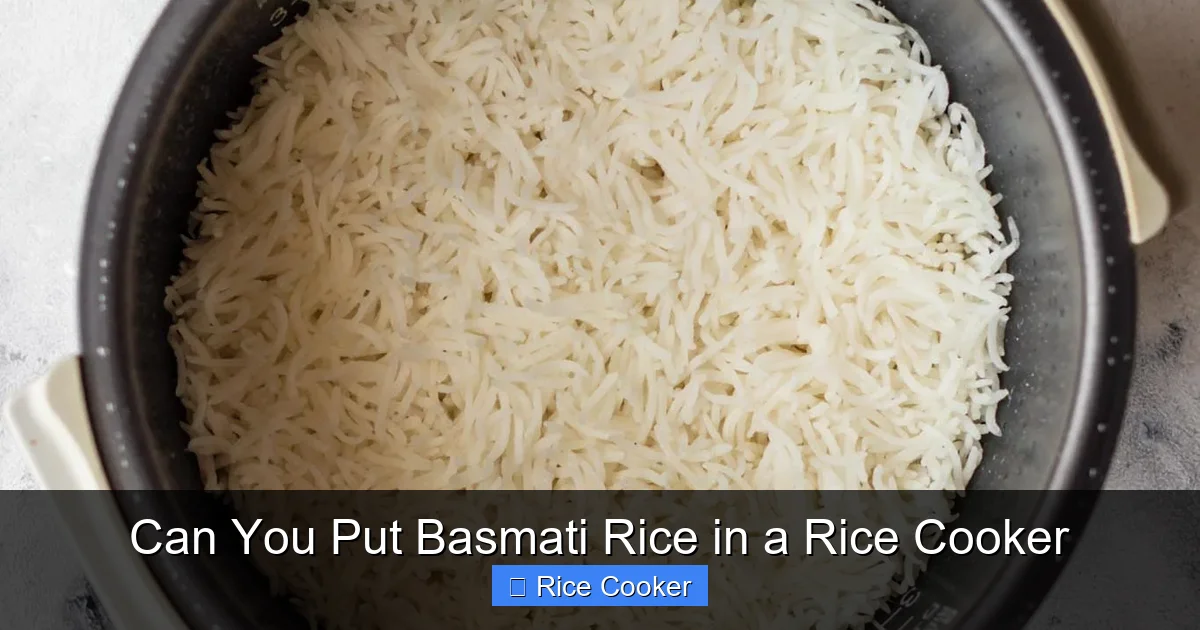
Visual guide about Can You Put Basmati Rice in a Rice Cooker
Image source: teaforturmeric.com
The Science Behind Perfect Cooking
When you cook basmati on the stove, you’re relying on visual cues—like seeing steam rise or hearing bubbles pop—to know when it’s done. But with a rice cooker, the process is automated. Once you add the right amount of water and rice, the machine does the rest. It heats the mixture to just below boiling, then switches to a simmer phase to let the grains fully absorb the liquid. Finally, it enters a warming mode to keep the rice at the perfect serving temperature without drying it out.
This method reduces the risk of overcooking, which is especially important with basmati. Overcooked basmati becomes sticky and loses its signature lightness. A rice cooker prevents that by cutting off heat automatically, ensuring each grain remains separate and fluffy.
Time Efficiency and Convenience
One of the biggest advantages of using a rice cooker is convenience. You can set it and forget it. While other methods require constant attention—stirring, adjusting heat, timing—a rice cooker handles everything on its own. This is especially helpful for busy weeknights or when you want to multitask in the kitchen.
Many modern rice cookers also come with programmable timers. Want your dinner-ready rice in 45 minutes? Just set it to cook while you prep your sides or clean up earlier tasks. Some models even offer delay-start functions, so your meal appears exactly when you need it.
How to Cook Basmati Rice in a Rice Cooker: Step-by-Step Guide
Ready to try it yourself? Follow these easy steps for foolproof basmati rice every time.
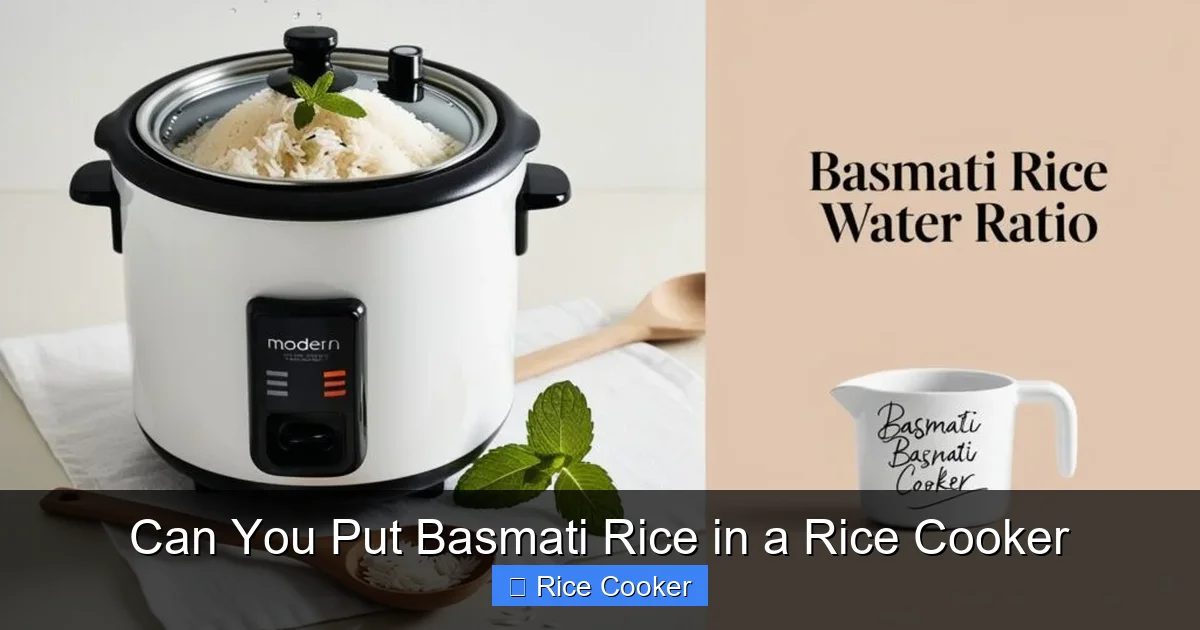
Visual guide about Can You Put Basmati Rice in a Rice Cooker
Image source: toolsofkitchen.com
1. Measure Your Ingredients
For most rice cookers, the standard ratio is 1 cup of uncooked basmati rice to 1.5 cups of water. However, this can vary slightly depending on your cooker model and personal preference. Some people prefer slightly drier rice, while others like it softer. Start with 1:1.5 and adjust next time based on how you like it.
Example:
- 1 cup basmati rice
- 1.5 cups cold water
- A pinch of salt (optional)
2. Rinse the Rice Thoroughly
Rinsing removes excess starch, which can make rice gummy if left unchecked. Place the rice in a fine-mesh strainer and rinse under cold running water until the water runs clear. This usually takes about 2–3 rinses. Do not skip this step—especially if you plan to serve the rice hot with sauces or gravies.
3. Soak for Better Texture (Optional but Recommended)
Soaking basmati rice for 20–30 minutes before cooking helps the grains expand evenly and cook more uniformly. It also reduces cooking time slightly and improves the final fluffiness. Simply place rinsed rice in a bowl, cover with water, and let it sit while you prepare other ingredients.
4. Add Water and Rice to the Cooker
Drain any remaining water from the soaked rice (if applicable), then transfer it to the inner pot of your rice cooker. Add the measured water and optional salt. Gently stir once to ensure even distribution.
5. Select the Right Setting
Most rice cookers have multiple settings. For basmati rice, choose:
- White rice
- Long grain
- Plain rice
Avoid using the “quick cook” or “pressure cook” settings unless your model specifically supports them for long-grain rice. These settings can lead to uneven cooking or mushy results.
6. Let It Cook and Rest
Press the start button and wait. Most rice cookers will indicate when cooking is complete with a beep or light change. Once done, let the rice sit, covered, for 5–10 minutes. This resting period allows steam to redistribute and grains to finish absorbing any leftover moisture.
7. Fluff and Serve
After resting, use a fork to gently fluff the rice. Never mash it with a spoon or spatula—this damages the delicate structure of basmati grains. Fluffing separates the grains and gives rice its signature airy texture.
Tips for Perfect Basmati Rice Every Time
Even with a great recipe, small details make a big difference. Here are some pro tips to elevate your basmati rice game.
Use High-Quality Basmati Rice
Not all basmati is created equal. Look for premium varieties labeled “aged,” “extra-long,” or “organic.” These tend to have better flavor, aroma, and texture. Brands like Royal, Daawat, and Tilda are widely available and reliable.
Adjust Water Based on Altitude and Humidity
If you live at high altitude or in a humid climate, you may need to tweak the water ratio. At higher elevations, water boils at a lower temperature, so you might need slightly less water. Conversely, in very dry climates, adding an extra tablespoon or two of water can help achieve the right consistency.
Add Flavor with Aromatics
Make your rice more exciting by adding flavor during cooking. Try:
- A whole cinnamon stick
- 1–2 bay leaves
- A few cardamom pods
- Half a lemon slice
Remove these before fluffing so they don’t affect the final presentation.
Store Leftovers Properly
Refrigerated basmati rice keeps well for up to 3–4 days. Store it in an airtight container and reheat with a splash of water or broth to restore moisture. Avoid microwaving straight from the fridge—instead, steam it in a covered dish for best results.
Experiment with Ratios
Once you’ve mastered the basics, try adjusting the water ratio. Reducing water slightly (e.g., 1:1.3) creates firmer, drier rice—ideal for pilafs or stuffing vegetables. Increasing it (e.g., 1:1.7) yields softer, more porridge-like consistency, good for risottos or baby food.
Troubleshooting Common Issues
Despite its simplicity, cooking basmati rice can sometimes go wrong. Here’s how to fix common problems.
Mushy or Sticky Rice
This usually happens when too much water is used or the rice isn’t rinsed. To fix it, scoop out the rice and spread it on a tray to cool. Then mix in a bit of fresh, dry basmati rice to absorb excess moisture. Alternatively, store leftovers properly and reheat with a lid to trap steam.
Gummy or Clumpy Grains
Overmixing after cooking or not letting rice rest can cause clumps. Always fluff gently and allow the rice to sit covered. Also, ensure your rice cooker’s heating element is clean and functioning properly—a dirty pot can lead to uneven cooking.
Rice Not Fully Cooked
If the center is still hard, add 1–2 tablespoons of water, close the lid, and let it sit for 5 minutes. Don’t open the lid during cooking, as this releases steam and disrupts the process. If it remains undercooked, repeat the process.
Burnt Bottom
This occurs when the rice cooker’s heating plate is dirty or the inner pot isn’t properly coated. Clean the non-stick surface regularly with warm, soapy water and a soft sponge. Avoid metal utensils that could scratch the coating.
Frequently Asked Questions
Can I use brown basmati rice in a rice cooker?
Yes, but brown basmati requires more water and longer cooking times—typically 1 cup rice to 1.75–2 cups water. It may take 30–40 minutes to cook completely. Check the manufacturer’s instructions for brown rice settings if available.
Do I need to soak basmati rice before cooking?
Soaking is optional but highly recommended. It improves texture, reduces cooking time, and helps the rice cook more evenly. Soak for 20–30 minutes, then drain before adding to the cooker.
Can I cook flavored basmati rice like pilaf in a rice cooker?
Absolutely! Add sautéed onions, garlic, spices, or broth instead of plain water for a flavorful pilaf. Just follow the same basic steps and adjust liquid slightly if using stock.
Is it safe to leave rice in the cooker on “warm” for hours?
While many rice cookers have a warm function, it’s best not to leave rice on warm for more than 1 hour. Prolonged warmth can dry out the rice and promote bacterial growth. Cook rice right before serving whenever possible.
What type of rice cooker works best for basmati?
Any standard rice cooker with a non-stick inner pot will work well. Look for models with multiple settings (white rice, long grain) and a good reputation for even heating. Multi-function cookers with steam baskets are great for cooking rice alongside vegetables.
Can I cook more than one batch of rice at once?
It depends on your rice cooker’s capacity. Larger models (10+ cups) can handle multiple batches, but smaller ones may overflow. Always check the maximum fill line and avoid overfilling.
Conclusion
Cooking basmati rice in a rice cooker is not only possible—it’s one of the easiest and most reliable ways to achieve perfectly fluffy, aromatic results. Thanks to consistent heat, automatic shut-off, and user-friendly controls, you no longer have to stress about timing or monitoring on the stovetop. Whether you’re feeding a family, meal prepping, or preparing a special dish, a rice cooker makes the process simple and foolproof.
With the right technique—rinsing, measuring, soaking, and fluffing—you’ll unlock the full potential of basmati rice. Experiment with flavors, adjust ratios to your taste, and soon you’ll find yourself reaching for your rice cooker every time you want that delicious, pillowy grain. After all, who wouldn’t want perfectly cooked basmati rice with zero effort?
So go ahead—grab your rice cooker, measure out that fragrant basmati, and press start. Your taste buds (and dinner guests) will thank you.
Frequently Asked Questions
Can I use brown basmati rice in a rice cooker?
Yes, but brown basmati requires more water and longer cooking times—typically 1 cup rice to 1.75–2 cups water. It may take 30–40 minutes to cook completely. Check the manufacturer’s instructions for brown rice settings if available.
Do I need to soak basmati rice before cooking?
Soaking is optional but highly recommended. It improves texture, reduces cooking time, and helps the rice cook more evenly. Soak for 20–30 minutes, then drain before adding to the cooker.
Can I cook flavored basmati rice like pilaf in a rice cooker?
Absolutely! Add sautéed onions, garlic, spices, or broth instead of plain water for a flavorful pilaf. Just follow the same basic steps and adjust liquid slightly if using stock.
Is it safe to leave rice in the cooker on “warm” for hours?
While many rice cookers have a warm function, it’s best not to leave rice on warm for more than 1 hour. Prolonged warmth can dry out the rice and promote bacterial growth. Cook rice right before serving whenever possible.
What type of rice cooker works best for basmati?
Any standard rice cooker with a non-stick inner pot will work well. Look for models with multiple settings (white rice, long grain) and a good reputation for even heating. Multi-function cookers with steam baskets are great for cooking rice alongside vegetables.
Can I cook more than one batch of rice at once?
It depends on your rice cooker’s capacity. Larger models (10+ cups) can handle multiple batches, but smaller ones may overflow. Always check the maximum fill line and avoid overfilling.