

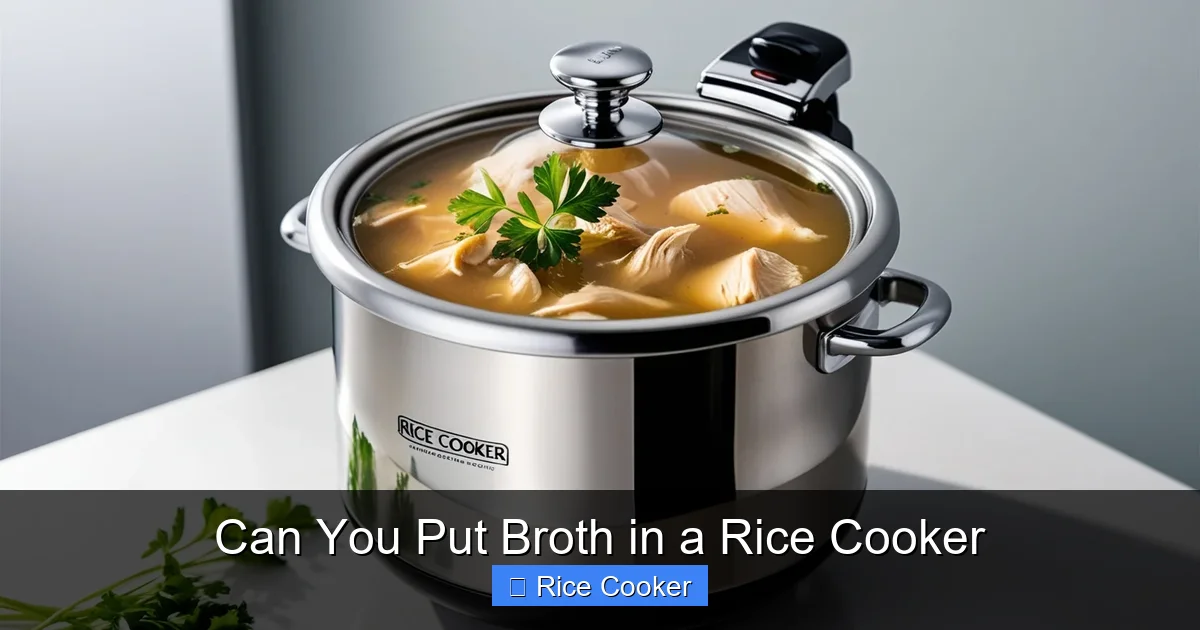
Yes, you can put broth in a rice cooker, and doing so adds rich flavor and nutrients to your rice without any extra effort. Whether you’re making jasmine rice with chicken broth or quinoa with vegetable stock, the rice cooker handles it perfectly. This simple swap turns plain grains into a delicious base for meals, from risottos to grain bowls.
Have you ever opened your rice cooker only to find plain, boring rice? Maybe it’s slightly dry or lacks any real personality. Well, what if we told you there’s a simple trick to transform that basic staple into something truly delicious? Enter: broth. Yes, you can absolutely put broth in a rice cooker, and it might just become your new go-to method for cooking grains.
Using broth instead of plain water is more than just a flavor tweak—it’s a game-changer. It adds richness, depth, and even a bit of moisture that makes every grain tender and fragrant. Plus, it’s incredibly easy. No special equipment, no extra steps. Just swap out the water for broth, press start, and let the magic happen. In this article, we’ll walk you through everything you need to know about using broth in your rice cooker—from why it works to how to do it right, plus recipes and pro tips.
Whether you’re a busy parent trying to make dinner faster, a health-conscious eater looking to boost nutrition, or just someone who loves bold flavors, learning how to use broth in a rice cooker opens up a world of possibilities. You can make creamy risotto-style rice, hearty grain bowls, or even a mini soup base. And the best part? It’s all done in one appliance you probably already have in your kitchen.
So grab your rice cooker, open a jar of broth, and let’s dive in. By the end of this article, you’ll be confident using broth like a pro and wondering why you didn’t try it sooner.
Key Takeaways
- Broth enhances flavor: Using broth instead of water infuses rice with depth, making every bite more satisfying.
- Boosts nutrition: Broths often contain vitamins and minerals, adding health benefits to your cooked grains.
- Works with all grains: From white rice to farro and quinoa, broth improves texture and taste across varieties.
- Easy to customize: Swap water for chicken, beef, vegetable, or even bone broth to match your recipe.
- Saves time and steps: Skip separate simmering; let the rice cooker do double duty for soups or stews.
- Prevents sticking: Broth’s natural fats and oils help keep rice moist and less likely to clump.
- Great for meal prep: Cook large batches with broth for quick, flavorful lunches or dinners all week.
📑 Table of Contents
Why Use Broth Instead of Water?
Let’s start with the basics: why bother switching from water to broth? After all, water gets the job done. But broth brings something extra—flavor, aroma, and sometimes even texture. Think about it: when you cook pasta, you don’t just boil it in plain water. You use salted water, and maybe even add garlic or olive oil. So why should rice be any different?
Broth adds a savory foundation that elevates every grain. Imagine serving a plate of plain white rice at a dinner party—it’s fine, but it doesn’t stand out. Now imagine the same rice, but each bite tastes like it was cooked in a rich, aromatic broth made from herbs, bones, or vegetables. That’s the difference broth makes.
But it’s not just about taste. Broth can also improve the nutritional profile of your meal. Homemade broths often contain collagen, minerals, and vitamins from slow-cooked bones or veggies. Even store-bought broths can offer more protein and sodium (if needed) than plain water. And since rice soaks up liquid, those flavors and nutrients get absorbed into every grain.
Another benefit? Less cleanup. Want to make a one-pot meal? Cook your rice in broth, then toss in beans, greens, or shredded chicken during the last few minutes. The rice cooker does the rest. It’s efficient, hands-off, and perfect for busy days.
Flavor Boost Without Extra Effort
One of the biggest perks of using broth in a rice cooker is convenience. You don’t need to sauté onions or deglaze pans before cooking rice. Just add your grains and broth, set it, and forget it. The rice cooker handles all the work, and the result is automatically richer than if you’d used water.
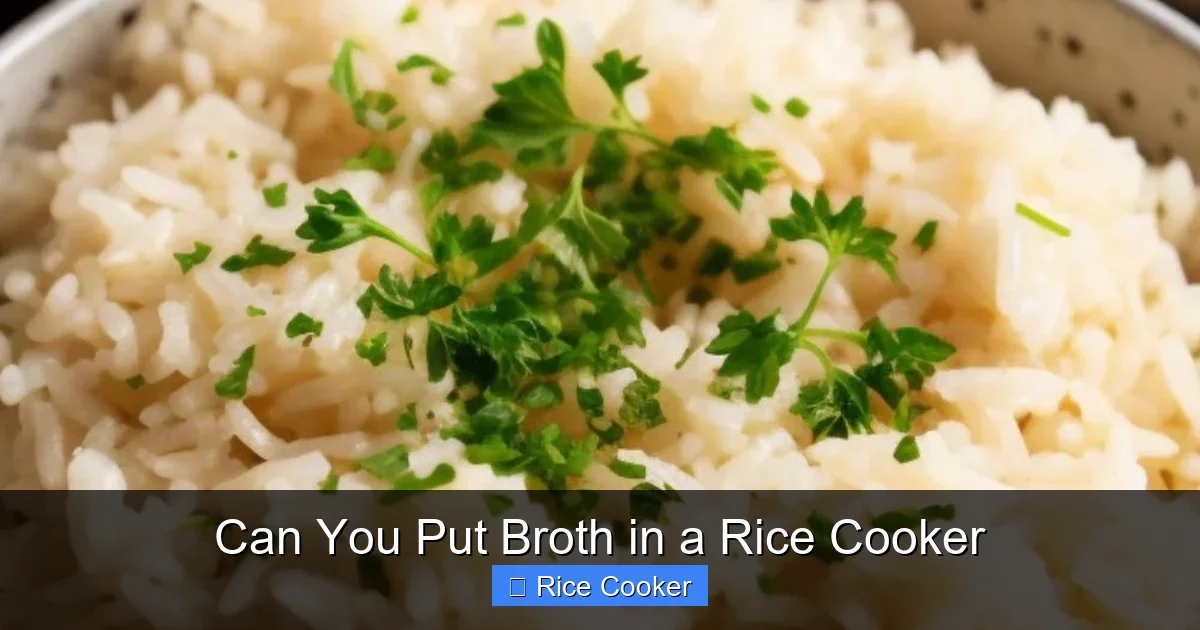
For example, try cooking jasmine rice with chicken broth instead of water. The result is fragrant, slightly golden, and full of umami. Or mix in some tomato-based broth for a Spanish-style arroz rojo. These small changes make a big difference in how satisfying your meal feels.
Plus, broth helps prevent rice from drying out. Since it contains fat and other ingredients, it creates a gentler cooking environment. This means fluffier, moister grains every time—no more mushy or undercooked rice.
Nutritional Benefits of Broth
Beyond flavor, broth contributes valuable nutrients. Bone broth, in particular, is known for its high collagen content, which supports joint and skin health. Vegetable broth offers vitamins A and C from simmered carrots, celery, and herbs. And chicken broth provides protein and amino acids.
When rice absorbs these elements during cooking, you get a more balanced meal. This is especially helpful if you’re relying on rice as a primary source of nutrition—like in many plant-based diets. Pair it with legumes and veggies, and you’ve got a complete protein and fiber-rich dish.
Even if you’re not aiming for specific health goals, using broth adds subtle layers of nutrition that water simply can’t match. And since most people consume rice regularly (think Asia, Latin America, Africa), making it more nutritious is a win-win.
Which Types of Broth Work Best?
Not all broths are created equal—and that’s okay! Different broths pair better with certain grains and cuisines. Let’s break down the most common options and how to use them in your rice cooker.
Chicken Broth
Chicken broth is a classic choice for white rice, basmati, and jasmine. It’s light yet flavorful, complementing dishes without overpowering them. Use low-sodium versions if you’re watching your salt intake. You can also use homemade chicken stock for maximum flavor.
Try this: cook 1 cup of long-grain rice in 1½ cups of warm chicken broth. Add a bay leaf, a crushed garlic clove, and a pinch of turmeric for a golden, aromatic side dish.
Vegetable Broth
Perfect for vegetarian or vegan meals, vegetable broth adds earthy notes to grains like brown rice, wild rice, or quinoa. Look for broths made from mushrooms, tomatoes, carrots, and celery.
For a Mediterranean twist, cook farro in vegetable broth with a splash of lemon juice and fresh parsley after it’s done. Delicious!
Beef or Pork Broth
Rich and deep, meat-based broths are ideal for heartier grains like barley or short-grain rice. They’re great for pilafs or one-pot meals where you want a robust flavor.
Tip: Reduce the amount of broth slightly if it’s very strong—you can always adjust seasoning later.
Bone Broth
This powerhouse ingredient is packed with collagen and minerals. Use it to cook oats, quinoa, or even polenta. The result is creamy, nourishing, and slightly gelatinous.
Fun fact: Bone broth rice becomes naturally sticky, which is perfect for sushi-style rolls or grain salads.
Low-Sodium vs. Regular Broth
Always check labels! If you’re sensitive to sodium, opt for low-sodium broth and season to taste afterward. You can add a pinch of salt, a squeeze of lime, or herbs once the rice is cooked.
How Much Broth Should You Use?
The general rule is the same as with water: use a 1:1 ratio. For every cup of rice, use one cup of broth. However, some grains absorb more liquid than others.
Adjustments by Grain Type
– **White rice (long-grain):** 1 cup rice : 1 cup broth
– **Brown rice:** 1 cup rice : 1¼ to 1½ cups broth
– **Quinoa:** 1 cup rice : 1¾ to 2 cups broth
– **Barley:** 1 cup rice : 2 to 2½ cups broth
– **Wild rice:** 1 cup rice : 2 to 2½ cups broth
These ratios ensure your rice stays tender without turning into mush. Always rinse sticky grains like sushi rice first to avoid clumping.
Tips for Measuring Accurately
Use a liquid measuring cup, not a dry one. Fill to the line at eye level. Warm broth helps it measure more accurately because cold liquid contracts slightly.
If you’re cooking multiple servings, double or triple the recipe—but keep the ratios consistent.
Can You Use Broth for One-Pot Meals?
Absolutely! This is where broth really shines. Instead of cooking rice separately, you can build a whole meal inside your rice cooker.
Rice and Beans
Add canned black beans or pinto beans directly into the pot with your rice and broth. Stir in diced tomatoes, corn, and spices like cumin and chili powder. Cook until rice is done—about 20–25 minutes for white rice. Top with avocado and cilantro for a complete Mexican-inspired bowl.
Stuffed Peppers (Mini Version)
Cut bell peppers in half, remove seeds, and place them in the rice cooker with broth. Add cooked rice, ground turkey, onion, and spices. Cover and steam for 10 minutes until peppers soften. No oven needed!
Asian-Inspired Grain Bowls
Cook jasmine rice in chicken broth with a strip of kombu seaweed for umami. Mix in edamame, shredded carrots, and a drizzle of soy sauce after cooking. Serve warm or cold.
These methods save time, reduce dishes, and deliver maximum flavor. Plus, cleanup is minimal.
Common Mistakes to Avoid
Even though using broth in a rice cooker is simple, there are a few pitfalls to watch out for.
Using Too Much Salt
Broth often contains salt. Adding extra at the end can make your rice overly salty. Taste it first, then adjust.
Not Rinsing Certain Grains
Grains like sushi rice or Arborio need rinsing to remove excess starch. Skipping this step leads to gummy results—even with broth.
Opening the Lid Too Often
Steam escapes when you open the lid, which can affect cooking time and texture. Wait until the cycle ends unless instructed otherwise.
Using Very Cold Broth
Cold broth slows down cooking. Warm it slightly in the microwave or on the stove before adding it to the cooker.
Overcrowding the Pot
Don’t fill beyond halfway. Rice expands as it cooks, so too much can lead to uneven heating or overflow.
Creative Recipes Using Broth in a Rice Cooker
Ready to experiment? Here are three easy, delicious ideas to get you started.
1. Creamy Mushroom Risotto (Rice Cooker Style)
Ingredients:
– 1 cup Arborio rice
– 2 cups vegetable or mushroom broth
– ½ cup sliced mushrooms
– 2 tbsp butter or olive oil
– 1 small onion, chopped
– Salt and pepper to taste
Instructions:
1. Sauté onion and mushrooms in butter until soft.
2. Add rice and stir for 1 minute.
3. Pour in broth, cover, and cook until done.
4. Stir in a splash of white wine or lemon juice before serving.
2. Chicken and Rice Soup
Ingredients:
– 1 cup white rice
– 4 cups chicken broth
– 1 cup cooked shredded chicken
– ½ cup frozen peas
– 1 carrot, diced
– 1 celery stalk, diced
– Herbs (parsley, thyme)
Instructions:
1. Add all ingredients except peas to the rice cooker.
2. Cook until rice is tender (about 20 minutes).
3. Stir in peas during the last 3 minutes.
3. Spicy Tomato Quinoa
Ingredients:
– 1 cup quinoa
– 2 cups vegetable broth
– 1 can diced tomatoes
– 1 tsp cumin
– ½ tsp paprika
– Fresh cilantro
Instructions:
1. Combine all ingredients in the rice cooker.
2. Cook until done.
3. Garnish with lime wedges and cilantro.
Frequently Asked Questions
Can I freeze rice cooked with broth?
Yes! Cool completely, portion into containers, and freeze for up to 3 months. Reheat with a splash of water to restore moisture.
Visual guide about Can You Put Broth in a Rice Cooker
Image source: easykitchenguide.com
Visual guide about Can You Put Broth in a Rice Cooker
Image source: toolsofkitchen.com
Does broth make rice greasy?
Not if you use the right amount. Excess fat can cause greasiness, so choose lean broths and drain any visible oil after cooking.
Can I use bouillon cubes instead of broth?
You can, but dilute them in water first. One cube usually equals 1 cup of broth. Adjust for saltiness.
Will broth change the cooking time?
Usually not significantly. Most rice cookers are calibrated for water, but broth may cook slightly faster due to added fats and salts.
Can I mix broth with water?
Absolutely! For a milder flavor, use half broth, half water. This is great for kids or picky eaters.
Is it safe to leave broth in the rice cooker overnight?
No. Once the rice is done, turn off the cooker and refrigerate or serve immediately. Leaving food sitting too long risks bacterial growth.
Final Thoughts
Using broth in a rice cooker isn’t just possible—it’s one of the easiest ways to upgrade your everyday meals. Whether you’re making fluffy jasmine rice, nutty barley, or protein-packed quinoa, swapping water for broth adds layers of flavor and nutrition with zero extra effort.
From busy weekdays to meal prep Sundays, this technique fits seamlessly into any routine. Plus, it opens the door to creative one-pot wonders, from soups to grain bowls. And the best part? Your family won’t even notice they’re eating something more delicious and wholesome.
So next time you reach for that carton of chicken broth in your fridge, remember: you don’t have to save it just for soups. Toss it into your rice cooker and let it work its magic. Before you know it, you’ll be cooking with confidence—and enjoying every bite.
Frequently Asked Questions
Can I freeze rice cooked with broth?
Yes! Cool completely, portion into containers, and freeze for up to 3 months. Reheat with a splash of water to restore moisture.
Does broth make rice greasy?
Not if you use the right amount. Excess fat can cause greasiness, so choose lean broths and drain any visible oil after cooking.
Can I use bouillon cubes instead of broth?
You can, but dilute them in water first. One cube usually equals 1 cup of broth. Adjust for saltiness.
Will broth change the cooking time?
Usually not significantly. Most rice cookers are calibrated for water, but broth may cook slightly faster due to added fats and salts.
Can I mix broth with water?
Absolutely! For a milder flavor, use half broth, half water. This is great for kids or picky eaters.
Is it safe to leave broth in the rice cooker overnight?
No. Once the rice is done, turn off the cooker and refrigerate or serve immediately. Leaving food sitting too long risks bacterial growth.