
Can you put brown rice in a rice cooker? The short answer is YES! Brown rice works beautifully in most modern rice cookers, but it requires a bit more attention than white rice. With the right water ratio, soaking time, and settings, your rice cooker can produce fluffy, tender brown rice that’s full of fiber and nutrients. This guide walks you through everything you need—from preparation to cleanup—so you never have to compromise on taste or nutrition again.
Key Takeaways
- Yes, brown rice fits in most rice cookers: Unlike older models, today’s rice cookers are designed to handle different grains, including brown rice.
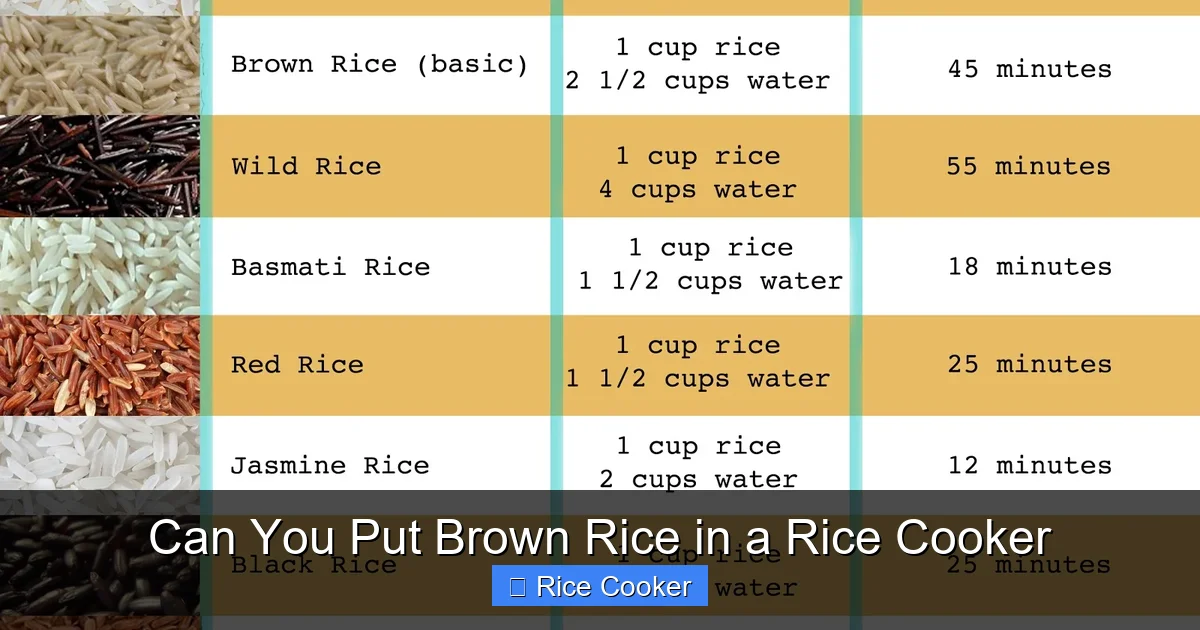
- Water ratio matters: Brown rice needs more water than white rice—typically 1½ to 2 cups of water per cup of uncooked brown rice.
- Soaking helps: Soaking brown rice for 30 minutes to overnight improves texture and reduces cooking time.
- Cooking time is longer: Expect brown rice to take 45–60 minutes to cook fully, compared to 20–30 minutes for white rice.
- Check for doneness: The rice is done when it’s tender with a slight chew and all water is absorbed.
- Cleaning is easy: Always rinse the inner pot and use warm, soapy water to maintain your cooker.
- Experiment with flavors: Add herbs, spices, or broth to elevate your brown rice dish beyond plain grains.
📑 Table of Contents
- Can You Put Brown Rice in a Rice Cooker? A Complete Guide
- Why Choose Brown Rice?
- What Makes Brown Rice Different from White Rice?
- Types of Rice Cookers That Work Best with Brown Rice
- How to Cook Brown Rice in a Rice Cooker: Step-by-Step
- Tips for Perfect Brown Rice Every Time
- Troubleshooting Common Brown Rice Problems
- Health Benefits of Eating Brown Rice
- Creative Ways to Serve Brown Rice
- Conclusion: Yes, You Can (and Should) Cook Brown Rice in a Rice Cooker
Can You Put Brown Rice in a Rice Cooker? A Complete Guide
Have you ever wondered whether your trusty rice cooker can handle brown rice? If you’re trying to eat healthier or simply expand your grain game, this question has probably crossed your mind. The good news? Yes, you can absolutely cook brown rice in a rice cooker—and many people swear by the results. In fact, using a rice cooker is one of the easiest and most reliable ways to prepare perfectly cooked brown rice without babysitting the stove.
But here’s the catch: brown rice isn’t like white rice. It has a tougher outer bran layer, which means it takes longer to cook and needs more water. If you try to treat it like white rice, you might end up with mushy, undercooked, or even burnt grains. That’s why understanding how to adapt your technique—and your rice cooker—is key. This article will walk you through everything from choosing the right cooker to mastering the ideal water-to-rice ratio, so you can enjoy delicious, nutritious brown rice every single time.
Why Choose Brown Rice?
If you’re considering switching to brown rice, you’re not alone. It’s packed with more fiber, vitamins, and minerals than its refined white counterpart. According to the USDA, a single cup of cooked brown rice provides about 3.5 grams of fiber—more than double what you get from white rice. It also contains essential nutrients like magnesium, selenium, and B vitamins, which support digestion, energy production, and heart health.
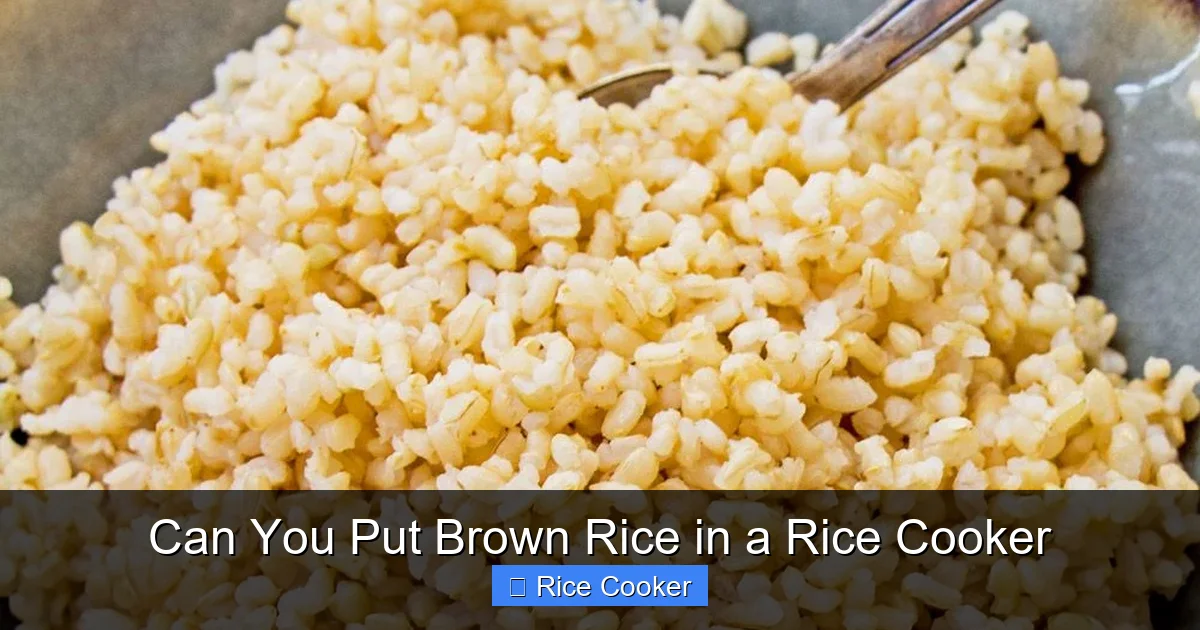
Visual guide about Can You Put Brown Rice in a Rice Cooker
Image source: i.pinimg.com
Beyond nutrition, brown rice has a rich, nutty flavor and a satisfying chew that makes meals feel more filling. Whether you’re following a whole-grain diet, managing blood sugar levels, or just looking for a tasty side dish, brown rice is a smart choice. And thanks to modern rice cookers, preparing it at home has never been easier.
What Makes Brown Rice Different from White Rice?
Understanding the difference between brown and white rice is the first step to mastering brown rice in your rice cooker. Brown rice still has its natural bran and germ layers intact, while white rice has these removed during processing. These layers give brown rice its color, texture, and nutritional profile.
The bran layer acts like armor—it protects the inner kernel but also slows down absorption of water and heat. That’s why brown rice takes longer to cook and often turns out drier if not prepared correctly. On the flip side, white rice cooks quickly and absorbs water fast, making it ideal for recipes that call for fluffy, separate grains.
Because of these differences, standard rice cooker settings for white rice won’t work well for brown rice. But don’t worry—most modern rice cookers come with specific settings for “brown rice” or “multigrain.” Even if yours doesn’t, you can still achieve great results with a few simple tweaks.
Types of Rice Cookers That Work Best with Brown Rice
Not all rice cookers are created equal when it comes to handling brown rice. While older, basic models might struggle with inconsistent heating or lack of moisture control, newer and more advanced units are built to handle a variety of grains—including brown rice.
Fuzzy Logic Rice Cookers
These are the gold standard for cooking brown rice. Fuzzy logic technology uses sensors and algorithms to monitor temperature and adjust heat throughout the cooking cycle. This ensures even cooking and prevents burning or drying out. Most fuzzy logic models have a dedicated “brown rice” setting that automatically adjusts time and water levels.
Pressure Cookers (Instant Pot, etc.)
While technically not traditional rice cookers, pressure cookers like the Instant Pot can cook brown rice in about 20–25 minutes. They use high pressure to speed up the process, making them a great option if you’re short on time. Just be sure to follow the manufacturer’s guidelines for rice ratios.
Basic Rice Cookers
If your rice cooker doesn’t have special settings, it’s still possible to cook brown rice—but it requires more attention. You’ll need to manually set the timer and monitor the progress. Some users even recommend switching to the “warm” function halfway through to prevent overcooking.
When shopping for a rice cooker, look for models labeled as “brown rice capable” or “multigrain.” Brands like Zojirushi, Cuckoo, and Panasonic are known for their precision and reliability with different types of rice.
How to Cook Brown Rice in a Rice Cooker: Step-by-Step
Ready to give it a try? Follow this foolproof method to make perfect brown rice in your rice cooker every time.
Step 1: Rinse the Rice
Start by placing 1 cup of raw brown rice in a fine-mesh strainer. Rinse it under cold running water for about 30 seconds, swirling gently with your fingers. This removes excess starch and prevents clumping. You’ll notice the water turning cloudy—keep rinsing until it runs clear.
Step 2: Soak the Rice (Optional but Recommended)
For even better results, soak the rinsed rice in water for 30 minutes to 1 hour—or even overnight in the fridge. Soaking softens the bran layer, reduces cooking time, and leads to a more uniform texture. After soaking, drain any excess water before adding it to the cooker.
Step 3: Add Water and Rice to the Inner Pot
Use a measuring cup to add the rice to the inner pot of your rice cooker. Then add water according to this general rule: 1½ to 2 cups of water per 1 cup of brown rice. For example, if you’re cooking 2 cups of rice, start with 3 cups of water. Adjust slightly based on your cooker and personal preference—some prefer softer rice, others like it firmer.
Step 4: Select the Right Setting
If your rice cooker has a “Brown Rice” or “Multigrain” setting, select it now. This will automatically adjust the cooking time and temperature. If you don’t have this setting, choose the regular “White Rice” mode and plan to cook for 50–60 minutes instead of the usual 20–30.
Step 5: Start Cooking
Close the lid and press the power button. Avoid opening the lid during cooking—this releases steam and can affect the outcome. Let the cooker do its job without interference.
Step 6: Let It Rest
Once the cooking cycle ends, let the rice sit, covered, for 10–15 minutes. This allows the grains to absorb any remaining moisture and finish cooking evenly. Fluff the rice gently with a fork before serving.
Tips for Perfect Brown Rice Every Time
Even with the right technique, small details can make a big difference. Here are some pro tips to help you nail brown rice in your rice cooker.
Measure Accurately
Use a dry measuring cup for both rice and water. Too much water leads to soggy rice; too little results in hard, chewy kernels. Invest in a kitchen scale if you want extra precision—especially helpful for meal prep.
Don’t Skip the Soak
While not mandatory, soaking brown rice significantly improves texture. If you’re in a rush, at least rinse well and increase cooking time by 5–10 minutes.
Flavor Your Rice
Instead of plain water, try cooking your brown rice in vegetable broth, coconut milk, or even apple cider vinegar for added flavor. You can also toss in a bay leaf, garlic clove, or handful of spinach during the last 10 minutes of cooking.
Avoid Opening the Lid
Steam escapes when you open the lid, which can throw off the cooking process. Wait until the cycle completes before checking.
Store Leftovers Properly
Let cooled brown rice come to room temperature before storing in an airtight container in the fridge for up to 5 days. Reheat gently in a saucepan with a splash of water to restore moisture.
Troubleshooting Common Brown Rice Problems
Even experienced cooks run into issues now and then. Here’s how to fix the most common brown rice mistakes.
Problem: Rice Is Too Dry or Hard
This usually happens when there’s not enough water or the rice wasn’t soaked. Next time, increase water by ¼ cup and try soaking the rice beforehand. Also, check your cooker’s seal—if steam leaks out, the rice won’t retain moisture.
Problem: Rice Is Mushy or Sticky
Too much water or overcooking causes this. Use less water next time and avoid pressing the “keep warm” function for too long after cooking. Fluff the rice immediately after it finishes to separate the grains.
Problem: Uneven Texture (Some Grains Are Undercooked)
This can happen if the rice wasn’t rinsed properly or if the cooker doesn’t distribute heat evenly. Try stirring the rice once during soaking, and consider investing in a higher-end model with fuzzy logic technology.
Problem: Burnt Rice
Most often caused by low water levels or a dirty inner pot. Clean your rice cooker regularly and ensure the heating element isn’t clogged with residue. Also, never leave it unattended while cooking.
Health Benefits of Eating Brown Rice
Switching to brown rice isn’t just about convenience—it’s a smart move for your health. As mentioned earlier, brown rice is loaded with fiber, which supports digestive health, stabilizes blood sugar, and keeps you feeling full longer. Studies suggest that diets rich in whole grains like brown rice may reduce the risk of heart disease, type 2 diabetes, and certain cancers.
Brown rice is also naturally gluten-free (when labeled as such), making it a safe option for those with celiac disease or gluten sensitivity. Plus, it’s a versatile base for salads, stir-fries, soups, and casseroles. Whether you’re meal prepping or cooking dinner for two, brown rice adds substance and flavor without the artificial additives found in processed foods.
Creative Ways to Serve Brown Rice
Don’t let brown rice be just a side dish. Its nutty flavor pairs well with almost anything. Try these ideas to keep your meals exciting:
- Bowl Bowls: Top with grilled chicken, roasted veggies, avocado, and tahini dressing.
- Sushi Rolls: Swap white rice for seasoned brown rice in your next makizushi.
- Fried Rice: Stir-fry cooled brown rice with soy sauce, ginger, garlic, and your favorite proteins.
- Risotto Style: Slow-cook brown rice with broth and cheese for a creamy, comforting dish.
- Dessert Rice Pudding: Simmer brown rice with milk, cinnamon, and raisins for a wholesome sweet treat.
The possibilities are endless. Once you master the basics, you’ll find yourself reaching for brown rice more often than white.
Conclusion: Yes, You Can (and Should) Cook Brown Rice in a Rice Cooker
So, can you put brown rice in a rice cooker? Absolutely. With the right tools, technique, and a little patience, your rice cooker becomes a powerful ally in preparing healthy, delicious meals. Whether you’re new to whole grains or a seasoned cook looking to simplify your routine, brown rice offers unmatched benefits in flavor, nutrition, and versatility.
Modern rice cookers are built to handle the challenges of cooking brown rice—longer times, more water, and careful monitoring—without requiring constant attention. By following the steps outlined above, troubleshooting common issues, and experimenting with flavors, you’ll soon be enjoying restaurant-quality brown rice at home.
Remember, the key is consistency. Don’t get discouraged if your first batch isn’t perfect. Keep adjusting water amounts, soaking times, and cooker settings until you find what works best for your machine and taste buds. Over time, you’ll develop a rhythm that makes brown rice as easy and reliable as white rice.
In the end, choosing brown rice isn’t just about changing your cooking method—it’s about making a healthier lifestyle choice. And with your rice cooker doing the heavy lifting, there’s no reason not to give it a try. Happy cooking!
Frequently Asked Questions
Can all rice cookers cook brown rice?
Most modern rice cookers, especially those with fuzzy logic or multigrain settings, can handle brown rice. Older basic models may struggle due to shorter cooking cycles and less precise temperature control. Check your manual or look for a “brown rice” setting before assuming compatibility.
How much water do I use for brown rice in a rice cooker?
Use 1½ to 2 cups of water per 1 cup of uncooked brown rice. This ratio ensures the rice cooks evenly without becoming too wet or too dry. Adjust slightly based on your cooker and personal preference—some prefer softer rice, others like it firmer.
Do I need to soak brown rice before cooking?
Soaking is optional but highly recommended. Soaking for 30 minutes to 1 hour (or overnight) softens the bran layer, reduces cooking time, and leads to a more uniform, tender texture. If you skip soaking, expect longer cooking times and possibly uneven results.
How long does brown rice take to cook in a rice cooker?
Brown rice typically takes 45 to 60 minutes to cook fully, depending on the type of rice and your cooker. White rice usually takes 20–30 minutes. If your model has a dedicated “brown rice” setting, it will auto-adjust the timing for optimal results.
Why is my brown rice either too hard or too mushy?
Hard rice usually means insufficient water or lack of soaking. Mushy rice results from too much water or overcooking. To fix this, adjust your water ratio, soak the rice, and avoid opening the lid during cooking. Fluffing the rice gently after cooking also helps separate the grains.
Can I cook flavored or seasoned brown rice in a rice cooker?
Yes! Replace water with broth, coconut milk, or add herbs like bay leaves, garlic, or turmeric during cooking. Just be mindful that strong flavors may alter the taste. For best results, add seasonings after the rice has finished cooking and rested.