

Can you put butter in a rice cooker? Absolutely—yes, but it requires the right technique to avoid mess or uneven melting. Using butter in your rice cooker adds rich flavor and creamy texture to dishes like rice, grains, and even desserts. With simple steps and the right settings, you can easily incorporate butter for enhanced taste and nutrition.
Key Takeaways
- Yes, butter can be added to a rice cooker: It’s safe when melted properly and used in moderation.
- Enhances flavor and richness: Butter brings depth and creaminess to plain rice and grain dishes.
- Use low heat or warm setting: Prevents burning and ensures even distribution without scorching.
- Best for certain recipes: Ideal for pilafs, risotto-style dishes, sweet rice, or even breakfast porridge.
- Monitor closely when cooking: Butter can burn quickly, so keep an eye on the process.
- Alternative: Add after cooking: Stirring in softened or melted butter at the end preserves flavor and texture.
- Health tip: Use unsalted butter for better control over sodium levels in your dish.
Key Takeaways
- Understanding can you put butter in rice cooker: Provides essential knowledge
Quick Answers to Common Questions
Can I add cold butter directly to hot water in the rice cooker?
No, it’s best to melt butter first or use room-temperature butter to avoid splattering and uneven mixing.
Will butter affect how my rice cooker cleans?
Yes—burnt butter can leave sticky residue. Clean the inner pot immediately after use with warm, soapy water.
Is it okay to use salted vs. unsalted butter?
Unsalted butter gives you better control over the salt content in your dish; salted butter works too but may make your meal saltier.
How much butter should I use per cup of rice?
A good rule of thumb is 1–2 tablespoons per cup of uncooked rice, depending on how rich you want the flavor.
Can I use butter in a rice cooker to make dessert?
Absolutely! Try making sweet rice pudding or buttered oatmeal—butter adds creamy richness to both savory and sweet dishes.
📑 Table of Contents
- Can You Put Butter in Rice Cooker? A Complete Guide to Flavorful Results
- Understanding Your Rice Cooker’s Capabilities
- Safe Ways to Add Butter to Your Rice Cooker
- Recipes That Shine with Butter in the Rice Cooker
- Common Mistakes to Avoid
- Health Considerations and Alternatives
- Tips for Perfect Buttered Rice Every Time
- Conclusion: Yes, You Can—and Should—Try It
Can You Put Butter in Rice Cooker? A Complete Guide to Flavorful Results
Have you ever wondered if you can add butter to your rice cooker? The short answer is yes—you absolutely can. But before you start tossing sticks of butter into your appliance, let’s talk about how, why, and when it works best. Whether you’re making a savory side dish, a comforting grain bowl, or even a sweet breakfast treat, incorporating butter into your rice cooker routine can elevate your meals in surprising ways.
Many people assume that rice cookers are only for boiling water and cooking dry grains. But modern rice cookers are versatile kitchen tools capable of handling more than just plain white or brown rice. With the right techniques, you can sauté ingredients, steam vegetables, and even bake small desserts. And yes—adding butter is totally doable. In fact, doing so can make your rice fluffier, richer, and more satisfying. Let’s dive into everything you need to know about using butter in your rice cooker safely and effectively.
Understanding Your Rice Cooker’s Capabilities
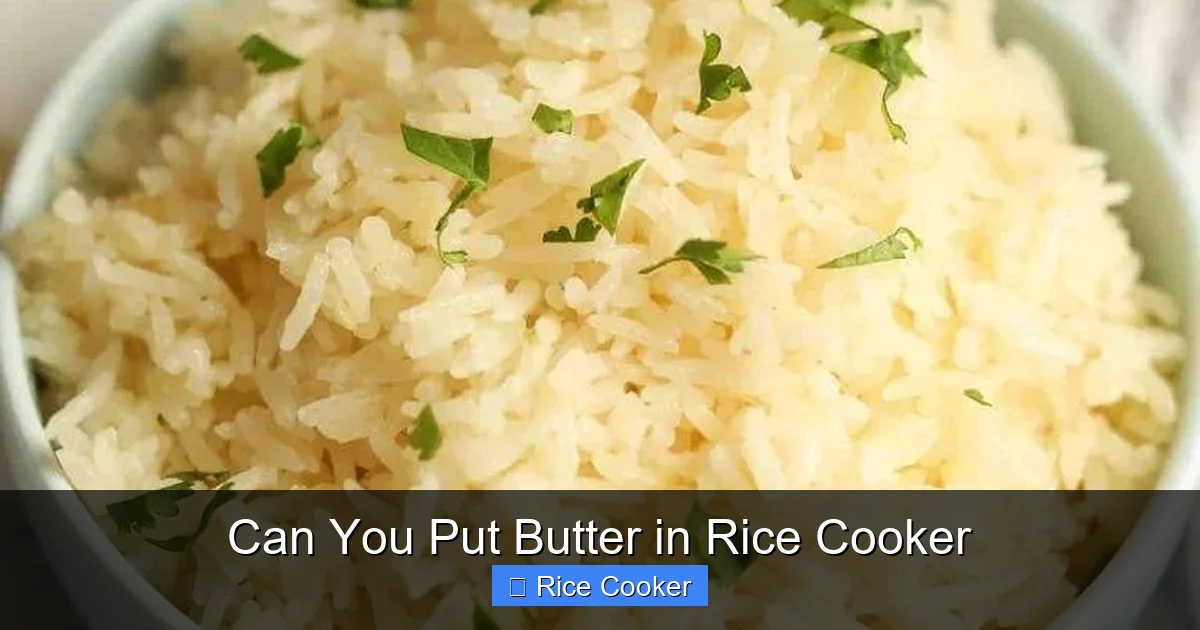
Rice cookers come in many styles—basic automatic models, smart multi-cookers, and high-end appliances with multiple functions. Before adding butter, it’s important to understand what your specific model can handle. Most rice cookers have a heating plate at the bottom and a removable inner pot. The key is knowing whether your unit has a “keep warm” function, a “saute” or “cook” setting, or just a simple on/off switch.
Visual guide about Can You Put Butter in Rice Cooker
Image source: panmastery.com
Types of Rice Cookers and Their Functions
- Basic Rice Cookers: These usually have only one button—press to cook, then automatically switch to “keep warm.” They don’t typically allow manual stirring or temperature control.
- Multi-Function Rice Cookers: Many newer models include settings like “brown rice,” “steam,” “slow cook,” or even “fry/sauté.” These are ideal for adding butter early in the process.
- Smart Rice Cookers: Wi-Fi-enabled devices with programmable timers and app controls allow for precise timing when melting butter or combining ingredients.
If your rice cooker lacks a sauté function, you can still add butter—just be extra careful about timing and heat. The goal is to melt the butter gently without burning it, which can ruin both the flavor and the appliance.
Why People Want to Add Butter
Butter isn’t just about taste—it also helps bind ingredients, improves mouthfeel, and enhances the absorption of nutrients. When added to rice or grains, it creates a creamy, luxurious texture that plain cooked grains often lack. Plus, butter contains fat-soluble vitamins (A, D, E, and K), which help your body absorb fat-soluble nutrients from other foods in your meal.
That said, moderation is key. Butter is calorie-dense and high in saturated fat, so while it makes food delicious, it shouldn’t replace healthier fats like olive oil or avocado in every recipe.
Safe Ways to Add Butter to Your Rice Cooker
Adding butter to a rice cooker isn’t complicated, but it does require attention. Here are several safe and effective methods depending on your recipe and equipment.
Visual guide about Can You Put Butter in Rice Cooker
Image source: simplelivingrecipes.com
Method 1: Melt Butter First, Then Add Rice and Water
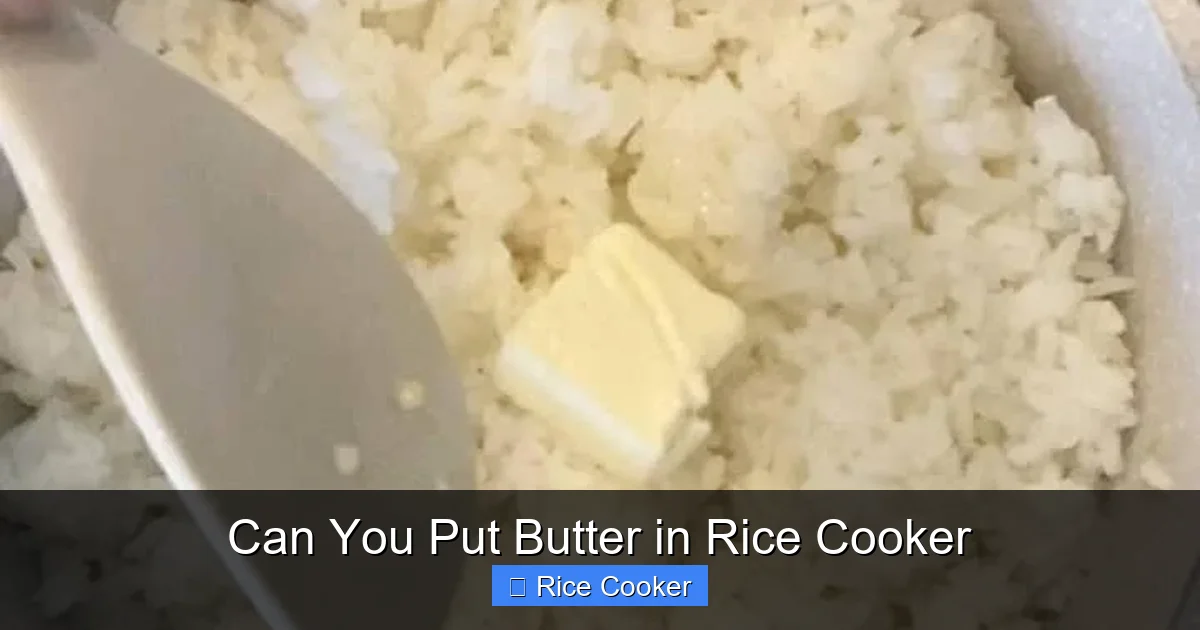
This is the safest method for basic rice cookers without sauté functions. Start by placing the inner pot in the rice cooker (with the heating plate off). Add a small amount of water (about ½ cup) and turn the unit on. Once the water heats up slightly (not boiling), carefully add softened or melted butter. Stir gently with a wooden spoon or silicone spatula to combine. Then add your rinsed rice and continue cooking as usual.
Tip: Don’t add cold butter directly to hot water—it will splatter. Instead, melt it separately in a microwave-safe container or small saucepan, then pour it in slowly.
Method 2: Use the Saute Function (If Available)
If your rice cooker has a sauté setting, this becomes much easier. Turn the unit on and select the sauté function. Add a tablespoon of butter and let it melt completely. Then add your rice and stir for 1–2 minutes to coat the grains in butter. This step adds a nutty aroma and helps prevent sticking. Afterward, add water according to your recipe and switch to the regular “cook” setting.
This method is especially useful for making butter-rice pilaf, where you want the rice to absorb flavor during the initial cooking phase.
Method 3: Add Butter After Cooking
If you prefer not to risk burning butter in the cooking cycle, simply cook your rice normally, then turn off the rice cooker once it switches to “keep warm.” Open the lid, add softened or melted butter, and stir well. Cover again and let it sit for 5–10 minutes. This method preserves the butter’s freshness and prevents any burnt flavors.
This is perfect for dishes where subtle butter notes are desired without altering the cooking process.
Method 4: Make Buttered Rice for Breakfast
Who says rice cookers are just for dinner? You can make overnight oats, quinoa porridge, or even sweet rice pudding using butter. For example, combine rolled oats, milk, a pinch of salt, and a teaspoon of butter in the inner pot. Set the timer and let it cook overnight on “warm” mode. In the morning, stir in fruit, nuts, or honey for a hearty breakfast.
Butter adds richness and helps thicken the mixture slightly, giving it a custard-like consistency.
Recipes That Shine with Butter in the Rice Cooker
Now that we’ve covered safety and methods, let’s explore some delicious recipes where butter truly makes a difference.
Classic Buttered Rice Pilaf
This aromatic dish combines rice, onions, garlic, and butter for a deeply flavorful side. Start by sautéing diced onion and minced garlic in butter using the rice cooker’s sauté function. Add long-grain rice and toast it for 1–2 minutes. Pour in broth or water, cover, and cook until done. Finish with a pat of butter stirred in at the end for shine and richness.
Sweet Coconut Rice with Butter
A tropical twist on plain rice. Cook jasmine or basmati rice with coconut milk, a splash of water, and a pinch of salt. Add a tablespoon of butter halfway through cooking for extra creaminess. Serve warm with grilled chicken or mango slices.
Buttered Oatmeal Porridge
Swap traditional oatmeal for a rice cooker version. Combine oats, milk, cinnamon, and a teaspoon of butter. Cook on “porridge” or “slow cook” setting. Top with berries and a drizzle of maple syrup for a cozy morning meal.
Garlic Butter Rice Bowl
Perfect for meal prep. Sauté garlic and red pepper flakes in butter, add cooked rice, and toss. Top with steamed broccoli, boiled eggs, and a sprinkle of Parmesan. This protein-packed bowl is ready in minutes.
Common Mistakes to Avoid
Even experienced cooks sometimes run into issues when using butter in their rice cooker. Here are common pitfalls and how to fix them.
Burning the Butter
Butter burns at around 300°F (150°C), which is lower than the boiling point of water. If left unattended, especially on high heat, butter can smoke and create bitter flavors. Always use low heat and stir frequently when melting.
Using Too Much Water
Adding butter doesn’t change the liquid ratio much, but it can increase steam production. Stick to standard water-to-rice ratios unless your recipe specifies otherwise.
Skipping the Rinse
Just like with plain rice, rinsing removes excess starch and prevents gumminess. Don’t skip this step—even when adding butter.
Not Cleaning the Inner Pot
Burnt butter residue can damage non-stick coatings over time. Clean the inner pot immediately after use with warm, soapy water and a soft sponge.
Health Considerations and Alternatives
While butter adds flavor and richness, it’s important to consider health implications. Butter is high in saturated fat, which may raise LDL cholesterol if consumed excessively. For those watching their intake, consider alternatives like:
- Ghee (clarified butter): Has a higher smoke point and no dairy solids, making it less likely to burn.
- Olive oil or avocado oil: Heart-healthy fats that work well in rice cookers.
- Cream or coconut milk: Adds creaminess without the saturated fat.
If you love the taste of butter but want to reduce calories, try using half the amount or substituting with a blend of ghee and low-fat milk.
Tips for Perfect Buttered Rice Every Time
Want consistent results? Follow these expert tips:
- Use unsalted butter to control sodium levels in your dish.
- Let butter reach room temperature before adding to hot liquids—this prevents clumping.
- Stir gently but thoroughly to distribute flavor evenly.
- Experiment with herbs and spices—add thyme, rosemary, or turmeric to the butter for infused flavors.
- Store leftover buttered rice properly in an airtight container for up to 3 days.
Conclusion: Yes, You Can—and Should—Try It
So, can you put butter in a rice cooker? The answer is a confident yes. With the right technique, your rice cooker becomes a gateway to richer, more flavorful meals. Whether you’re making a simple side dish or a gourmet-inspired bowl, butter adds depth and satisfaction that plain rice simply can’t match.
Remember, the key is preparation and patience. Melt it slowly, monitor the heat, and don’t rush the process. And if you’re unsure about your appliance’s capabilities, always err on the side of caution—add butter after cooking for a foolproof result.
Your next pot of rice doesn’t have to be boring. With a little butter, creativity, and confidence, your rice cooker can transform ordinary grains into extraordinary meals. Give it a try today—and taste the difference.
Frequently Asked Questions
Does butter make rice stick together?
Not necessarily. Butter coats the grains slightly but doesn’t cause clumping if you rinse the rice beforehand and use proper water ratios.
Can I substitute oil instead of butter?
Yes! Olive oil, coconut oil, or ghee are great substitutes and may offer different flavor profiles or health benefits.
How do I prevent butter from burning in my rice cooker?
Use low heat, stir frequently, and avoid adding cold butter directly to hot liquids. Melting it separately is safer.
Will adding butter change the cooking time?
Generally no—but it might increase steam slightly. Stick to standard cooking times unless your recipe calls for adjustments.
Can I freeze buttered rice for later?
Yes, store cooled buttered rice in an airtight container for up to 3 months. Reheat gently on the stovetop or in the microwave.
Is it safe to leave butter in the rice cooker overnight?
No—never leave perishable ingredients like raw butter sitting in a warm machine for extended periods due to bacterial growth risks.