

Making rice pilaf in a rice cooker is not only possible—it’s one of the easiest ways to do it. With just a few simple steps, you can create a delicious, aromatic dish that’s perfect as a side or main course. Whether you’re using white rice, brown rice, or even wild rice, your rice cooker handles it all with precision.
Key Takeaways
- You absolutely can make rice pilaf in a rice cooker—no special equipment needed. The appliance’s consistent heat and automatic shut-off ensure perfectly cooked grains every time.
- Rice pilaf combines rice with broth, aromatics, and sometimes protein, creating a richer, more flavorful dish than plain boiled rice. Using a rice cooker makes this process foolproof.
- Standard white rice works best for most pilafs, but brown and wild rice can also be used with adjusted liquid ratios and cooking times.
- Adding sautéed onions and garlic before rice adds depth. Some rice cookers have a “sauté” function, but even without it, you can cook these aromatics on the stove first.
- Proper water-to-rice ratio is key. For white rice, use 1.5 cups water per 1 cup rice; adjust slightly for other varieties. A pinch of salt enhances flavor.
- Resting the cooked pilaf helps steam evenly, making the grains separate and fluffy. Cover with a lid and let sit for 5–10 minutes after cooking completes.
- Customize your pilaf with herbs, vegetables, or proteins like peas, diced chicken, or sun-dried tomatoes. Add them during the last 10 minutes of cooking for best results.
Quick Answers to Common Questions
Can you make rice pilaf in a rice cooker?
Yes! A rice cooker is actually one of the best tools for making rice pilaf because it provides consistent heat and hands-off cooking.
What kind of rice should I use for pilaf in a rice cooker?
Long-grain white rice (like Basmati or Jasmine) works best due to its ability to absorb flavors and maintain texture.
Do I need a rice cooker with a sauté function?
Not necessarily. You can sauté onions separately and add them to the cooker before cooking.
How much liquid do I need?
For white rice, use 1.5 cups liquid per 1 cup rice. Adjust slightly for brown or wild rice.
Should I rinse the rice before cooking?
Generally no—rinsing removes starch that helps bind flavors. Only rinse if specified on packaging.
📑 Table of Contents
Can You Make Rice Pilaf in a Rice Cooker?
If you love the idea of serving up a warm, fragrant bowl of rice pilaf—fluffy grains infused with savory onions, herbs, and rich broth—but don’t want to stand over the stove stirring constantly, then yes: you can absolutely make rice pilaf in a rice cooker. In fact, using this kitchen staple might be the easiest, most foolproof way to achieve restaurant-quality results at home.
Rice pilaf originated centuries ago as a way to stretch grains with flavorful ingredients, often served alongside meats or stews. Today, it’s a beloved comfort food across many cuisines—from American Southern versions to Middle Eastern and Mediterranean twists. Traditionally prepared by sautéing rice and onions together, then simmering in liquid until tender, the method sounds labor-intensive. But thanks to modern rice cookers with their precise temperature control and automatic timers, you can skip the constant monitoring and still get incredible results.
In this guide, we’ll walk you through everything you need to know about making rice pilaf in a rice cooker—whether you’re a beginner or an experienced cook looking to simplify your routine. From choosing the right rice to customizing flavors, we’ve got you covered.
The Basics of Rice Pilaf
Before diving into the how-to, let’s quickly define what exactly we mean by “rice pilaf.” Unlike plain boiled rice, pilaf starts with a flavor base—usually sautéed onions (and sometimes garlic)—that gets mixed with raw rice. Then, liquid (often broth instead of water) is added, and the whole thing simmers until absorbed. The result? A dish where each grain is lightly coated with aromatic goodness, with a slight chewiness and nutty undertone.

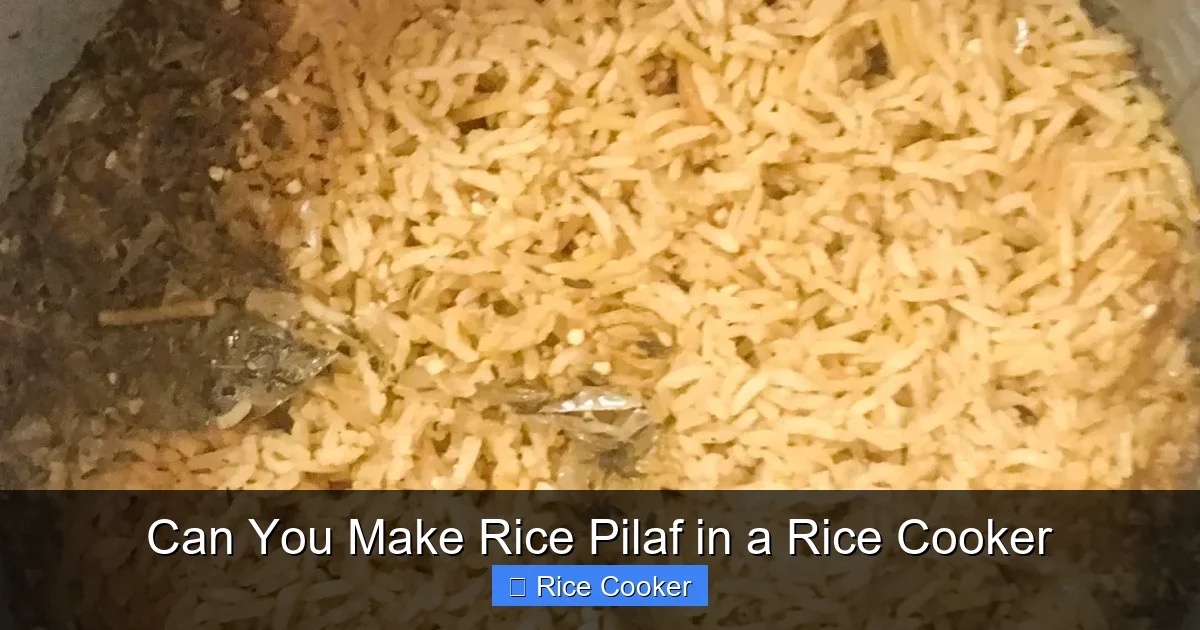
Visual guide about Can You Make Rice Pilaf in a Rice Cooker
Image source: iheartvegetables.com
Why Use a Rice Cooker?
While traditional pilaf requires attention during the sauté step and careful timing for simmering, a rice cooker automates much of this process. Most models come with multiple settings—white rice, brown rice, quick cook, keep warm—and some even include a sauté function. Even if yours doesn’t, you can still prepare the onion base separately and combine it with the rest of the ingredients before cooking.
Using a rice cooker ensures:
- Consistent heat distribution — no hot spots or scorching
- Automatic shut-off — so you don’t overcook
- Hands-off convenience — perfect for multitasking
- Precise liquid measurement — built-in cups help avoid guesswork
Choosing Your Rice
The type of rice you choose affects both texture and cooking time. Here’s a quick breakdown:
- Long-grain white rice: The classic choice for pilaf. It cooks evenly, holds its shape well, and absorbs flavors beautifully. Examples include Jasmine and Basmati.
- Brown rice: Nuttier and chewier. Requires more liquid and longer cook time (typically 1:2 ratio vs. 1:1.5 for white).
- Wild rice: Adds earthy flavor and chewy texture. Best combined with another grain or used alone with extra liquid.
- Instant rice: Not recommended—it becomes mushy when rehydrated.
For beginners, long-grain white rice is ideal because it’s forgiving and widely available.
Step-by-Step Guide to Making Rice Pilaf in a Rice Cooker
Ready to try it yourself? Follow these simple steps for foolproof rice pilaf every time.
Visual guide about Can You Make Rice Pilaf in a Rice Cooker
Image source: i0.wp.com
Ingredients You’ll Need
A basic pilaf calls for:
- 1 cup long-grain rice (white preferred)
- 1 small onion, finely chopped
- 1–2 cloves garlic, minced (optional)
- 2 tablespoons butter or olive oil
- 1.5 cups chicken, vegetable, or beef broth (or water + bouillon)
- Salt and pepper to taste
- Optional add-ins: frozen peas, diced carrots, shredded chicken, dried herbs (thyme, oregano), lemon zest
Equipment Checklist
- Standard rice cooker (with or without sauté function)
- Rice paddle or wooden spoon
- Measuring cups
- Knife and cutting board
- Small skillet (if your cooker lacks sauté mode)
Method: Two Ways Depending on Your Cooker
Option 1: Using a Rice Cooker with Sauté Function
- Turn the sauté setting on and melt butter in the inner pot.
- Add onions and cook until soft and translucent (about 5 minutes). If using garlic, add now and cook for 30 seconds.
- Add rice and stir to coat in the fat. Toast lightly for 1–2 minutes to enhance nutty flavor.
- Pour in broth, season with salt and pepper, and give it a quick stir.
- Close the lid, select the “White Rice” setting, and press start.
- When done, let it rest for 5–10 minutes with the lid closed. Fluff gently before serving.
Option 2: Without a Sauté Function
- In a small pan, melt butter over medium heat. Sauté onions until soft.
- Transfer onions to the rice cooker pot along with any garlic.
- Add rice and stir to combine. Pour in broth, salt, and any optional ingredients.
- Follow same cooking instructions as above.
Tips for Perfect Results
- Don’t rinse long-grain rice unless instructed—it removes surface starch that helps bind flavors.
- Use room-temperature broth for faster cooking and even absorption.
- Let it rest—this steams the bottom layer without turning it soggy.
- Fluff with a fork—not a spoon—to maintain separation.
Customizing Your Rice Pilaf
One of the joys of rice pilaf is how versatile it is. Once you master the basics, feel free to experiment!
Herb & Spice Variations
Replace plain broth with flavored liquids or sprinkle in dried herbs:
- Middle Eastern style: Add ½ tsp turmeric, cinnamon, and cumin to broth. Garnish with parsley and pomegranate seeds.
- Italian version: Stir in fresh basil, rosemary, and a splash of balsamic vinegar after cooking.
- Mexican twist: Use vegetable broth, add corn kernels, and finish with lime juice and cilantro.
Vegetable Additions
Toss in frozen or fresh veggies during the last 10 minutes of cooking:
- Peas and carrots
- Diced bell peppers
- Sliced mushrooms
- Zucchini or spinach (add toward the end to prevent mushiness)
Protein Boosts
Make pilaf a complete meal by adding cooked chicken, shrimp, or lentils. Sear meat first, then remove before adding rice. Return it later during the final minutes.
Common Mistakes to Avoid
Even with the best tools, mistakes happen. Here’s how to dodge them:
- Too much liquid: Stick to the recommended ratio. Excess moisture leads to gluey rice.
- Not resting the rice: Skipping this step causes uneven texture.
- Over-stirring after cooking: This breaks apart delicate grains.
- Using cold broth: Cold liquid slows down cooking and affects consistency.
- Neglecting seasoning: Taste and adjust salt/pepper at the end—it makes a big difference.
Storing and Reheating Leftovers
Rice pilaf stores beautifully! Let it cool completely, then transfer to an airtight container. It keeps in the fridge for up to 4 days or in the freezer for 2–3 months.
To reheat:
- Microwave individual portions with a splash of water to prevent drying out.
- Or steam briefly in a covered pan over low heat.
Avoid microwaving without adding moisture—dry pilaf is a common pitfall.
Frequently Asked Questions
Still have questions? We’ve answered the most common ones below.
Can I make rice pilaf with brown rice in a rice cooker?
Absolutely! Brown rice needs more liquid (about 2 cups per 1 cup rice) and longer cooking time. Set your cooker to “Brown Rice” mode if available, or cook for an extra 5–10 minutes after the cycle ends.
Do I need to pre-soak the rice?
Nope—not necessary. Soaking can cause the grains to break or become too sticky. Just measure carefully and follow the standard ratio.
Can I use water instead of broth?
Yes, but broth adds far more flavor. If using water, dissolve ½ teaspoon of bouillon powder or add a bay leaf while cooking for depth.
What if my rice cooker doesn’t have a sauté function?
No problem! Sauté the onions separately in a small pan, then mix everything together before adding liquid. The flavor will be just as rich.
How do I prevent my pilaf from being mushy?
Use the correct water ratio, avoid opening the lid during cooking, and don’t overfill the pot. Also, fluff gently after resting—never mash the rice.
Can I double the recipe?
Yes, but don’t exceed the maximum fill line on your rice cooker. Too much rice can lead to uneven cooking. Cook in batches if needed.
Frequently Asked Questions
Is rice pilaf healthier than plain rice?
It depends on ingredients. Pilaf often includes vegetables, herbs, and lean proteins, which boost nutrition compared to plain white rice.
Can I make vegetarian rice pilaf?
Yes! Use vegetable broth, add beans or tofu, and season with spices like cumin or smoked paprika.
Why does my pilaf turn out sticky?
This usually happens from too much liquid or over-stirring. Ensure proper ratios and let the rice rest undisturbed.
How do I add cheese to rice pilaf?
Add grated Parmesan or feta during the last 5 minutes of cooking so it melts into the grains.
Can I cook rice pilaf ahead of time?
Yes! Store cooled pilaf in the fridge and reheat with a bit of water to restore moisture.
What are good side dishes for rice pilaf?
Grilled chicken, roasted vegetables, salad, or crusty bread pair wonderfully with pilaf.