
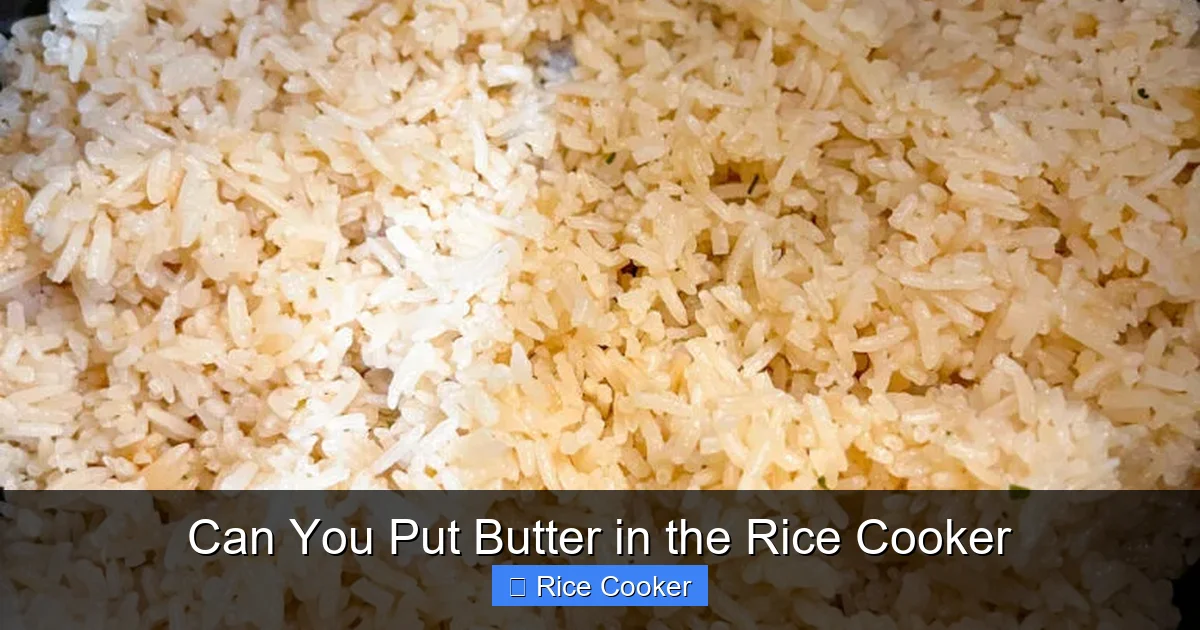
Adding butter to your rice cooker is not only possible but can elevate your meals with richer flavor and creamier texture. While it’s not a traditional method, many home cooks swear by this simple trick. Whether you’re making plain white rice, jasmine, or even quinoa, butter adds richness and depth that complements almost any dish. With the right technique, you can achieve perfectly cooked, buttery rice without overcooking or creating a greasy mess.
Key Takeaways
- Butter improves flavor and texture: It adds a rich, creamy mouthfeel and enhances the natural taste of rice, making every bite more satisfying.
- Most rice cookers handle butter safely: As long as your appliance has a standard heating plate and no non-stick coating issues, melting butter inside is generally safe.
- Use the right amount: Too much butter can make rice soggy or leave a greasy residue; start with 1–2 tablespoons per cup of rice.
- Timing matters: Add butter either at the beginning (with water) or during the last few minutes of cooking to avoid splitting or burning.
- Consider fat-free alternatives: If you’re watching calories, try olive oil, coconut oil, or ghee for similar benefits with less saturated fat.
- Perfect for specific rice types: Butter works especially well with long-grain varieties like basmati or jasmine, and in dishes like risottos or pilafs.
- Cleanup is manageable: Most butter residue can be wiped away easily after cooking; just let the cooker cool before cleaning.
Have you ever wondered if you can put butter in the rice cooker? The short answer is yes, and not only is it possible, but it might just transform your everyday rice into something extraordinary. While most people rely on plain water when using their rice cooker, adding a touch of butter introduces a new dimension of flavor and richness that can elevate even the simplest meal. From breakfast bowls to dinner sides, buttery rice adds a comforting, indulgent quality that appeals to both kids and adults alike.
But before you grab that stick of butter and head straight to the kitchen, there are a few things to consider. Not all rice cookers are created equal, and some methods work better than others depending on your appliance, the type of rice you’re cooking, and how you plan to use the final product. In this comprehensive guide, we’ll walk you through everything you need to know about putting butter in the rice cooker—from safety tips and recipe ideas to troubleshooting common mistakes. By the end, you’ll feel confident experimenting with this delicious twist on a classic staple.
Key Takeaways
- Understanding can you put butter in the rice cooker: Provides essential knowledge
📑 Table of Contents
- Is It Safe to Put Butter in the Rice Cooker?
- Benefits of Adding Butter to Rice
- Best Types of Rice for Buttered Varieties
- Step-by-Step Guide: How to Add Butter to Your Rice Cooker
- Troubleshooting Common Issues
- Creative Recipes Using Buttered Rice Cooker Magic
- Alternatives to Butter for Health-Conscious Cooks
- Final Thoughts: Should You Try It?
Is It Safe to Put Butter in the Rice Cooker?
One of the first questions many people ask is whether it’s actually safe to add butter to a rice cooker. After all, these appliances aren’t typically designed to handle dairy products, and you don’t want to risk damaging your machine or creating a sticky mess.
The good news? For most standard electric rice cookers—especially those with stainless steel inner pots—adding butter is perfectly safe. Unlike induction cooktops or certain non-stick pans, rice cookers rely on direct contact between the heating element and the pot, which means they can handle fats like butter without overheating or warping components.
However, there are a couple of exceptions to keep in mind:
– Non-stick coated pots: If your rice cooker uses a non-stick interior, avoid scraping or stirring too vigorously after adding butter, as sharp utensils could damage the coating.
– Older models with plastic parts: Some vintage rice cookers have plastic lids or handles that may melt or warp under prolonged exposure to high heat—though this rarely happens with butter since it melts quickly and doesn’t require extended boiling.
As long as you follow basic guidelines—like not overfilling the pot, using moderate heat settings, and avoiding metal spatulas near delicate surfaces—your rice cooker should handle butter like a champ.
How Butter Affects Cooking Time and Temperature
Butter has a lower smoke point than oils like avocado or olive oil, but it still performs well in the controlled environment of a rice cooker. When added early in the process (alongside water), it melts gradually as the rice begins to absorb liquid. This allows the fat to coat each grain evenly, contributing to a softer, more cohesive texture.
Because butter contains milk solids, it can slightly darken the color of white rice—this is normal and adds a subtle nutty aroma. Just be aware that overdoing it might lead to a slightly caramelized edge around the pot if left unattended.
To minimize risks, always monitor the first few minutes of cooking if you’re trying butter for the first time. And remember: rice cookers automatically switch to “warm” mode once the cycle ends, so even if butter isn’t fully melted at the end, residual heat will take care of it.
Benefits of Adding Butter to Rice
Visual guide about Can You Put Butter in the Rice Cooker
Image source: icanyoucanvegan.com
Beyond the obvious flavor boost, incorporating butter into your rice offers several nutritional and culinary advantages. Let’s break them down:
Enhanced Flavor Profile
Plain white rice can sometimes taste bland, especially when served alongside savory dishes. Butter introduces a creamy, savory note that cuts through spiciness and complements proteins like chicken, fish, or beans. It also pairs beautifully with herbs, garlic, or lemon zest for a Mediterranean-inspired side.
Improved Texture
Fat molecules help bind moisture within each grain, resulting in fluffier, less sticky rice. This is particularly useful when preparing fried rice or serving it alongside stir-fries where you want individual grains rather than clumps.
Nutritional Boost
While butter is high in saturated fat, it also provides fat-soluble vitamins like A, D, E, and K—important for hormone production, immune function, and bone health. For those who eat dairy, this can be a convenient way to increase calorie density without sacrificing taste.
Of course, moderation is key. One tablespoon per cup of rice is usually sufficient to enhance flavor without tipping your daily fat intake overboard.
Cultural and Culinary Versatility
In many global cuisines, butter plays a starring role in rice preparation. Think of French risotto, Indian biryani with ghee, or Scandinavian risengrynsgrøt (porridge). Even in American households, browned butter over steamed rice is a beloved comfort food.
By adapting these techniques at home, you’re not just cooking rice—you’re embracing centuries of culinary tradition.
Best Types of Rice for Buttered Varieties
Visual guide about Can You Put Butter in the Rice Cooker
Image source: metrocookingdallas.com
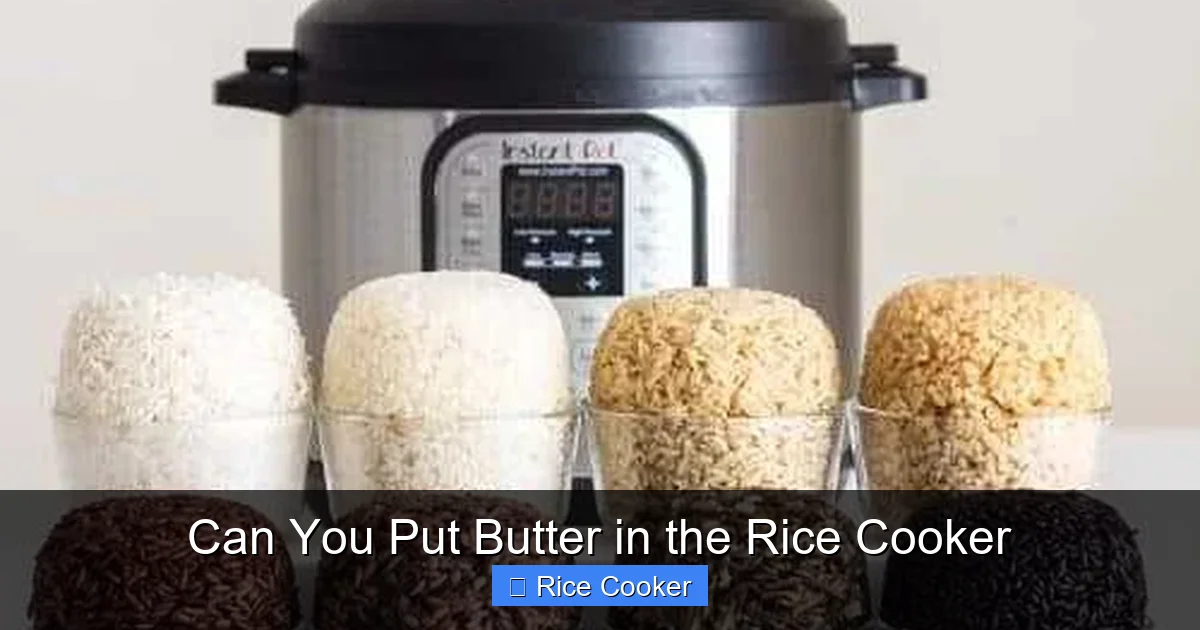
Not all rice responds equally to butter. Choosing the right variety ensures optimal results:
Long-Grain White Rice
Basmati and jasmine are ideal because their slender shape allows butter to penetrate evenly without causing mushiness. Plus, their aromatic nature harmonizes beautifully with the rich flavor of butter.
Medium-Grain Varieties
Arborio (used in risotto) absorbs liquid slowly and benefits from butter’s emulsifying properties. However, since risotto requires constant stirring, using a rice cooker isn’t traditional—but you can still add butter toward the end of cooking for a creamy finish.
Short-Grain Sticky Rice
Common in Asian desserts and sushi, short-grain rice becomes tacky when cooked. Adding butter here can create a decadent dessert base—just be mindful that excess fat might reduce stickiness, altering the intended texture.
Avoid wild or brown rice unless you’re prepared for longer cook times, as their higher fiber content can interfere with butter’s ability to coat grains uniformly.
Instant and Pre-Cooked Rice
These convenience options absorb flavor surprisingly well. Just remember to add butter after reheating, not during initial prep, to preserve their quick-cook profile.
Step-by-Step Guide: How to Add Butter to Your Rice Cooker
Ready to give it a try? Follow these simple steps for foolproof buttery rice every time:
Step 1: Measure Your Ingredients
For every 1 cup of uncooked rice, use:
– 1½ cups water (adjust based on rice type)
– 1–2 tablespoons unsalted butter (or salted, if preferred)
If you’re cooking for a crowd, scale up proportionally.
Step 2: Prep the Inner Pot
Lightly grease the bottom of the rice cooker pot with a small amount of oil or cooking spray to prevent sticking—even though butter helps with cohesion, this extra step ensures easy cleanup.
Step 3: Add Rice and Water First
Place rinsed rice and cold water into the pot. Stir gently to distribute evenly.
Step 4: Introduce the Butter
There are two main timing strategies:
– Early Addition: Drop the butter cubes directly into the water before starting the cooker. They’ll melt gradually as the rice absorbs liquid.
– Late Addition: Wait until the rice cooker switches to “warm” mode, then stir in melted butter. This prevents splitting and keeps the butter intact.
For beginners, early addition is recommended. For experienced cooks aiming for maximum creaminess, late addition yields superior results.
Step 5: Start the Cycle
Close the lid and press “Cook.” Do not lift the lid during the active cooking phase—this disrupts temperature control and extends cook time.
Step 6: Rest and Fluff
Once done, let the rice sit for 5–10 minutes. Then fluff gently with a fork to separate grains and redistribute the butter evenly.
Optional Enhancements
Add a pinch of salt, a dash of garlic powder, or a sprinkle of Parmesan cheese after cooking for extra flavor layers.
Troubleshooting Common Issues
Even with careful preparation, mistakes happen. Here’s how to fix them:
Rice Is Too Dry or Crunchy
This usually means insufficient water or interrupted heat. Always measure water precisely, and never pause the cooking cycle mid-way unless necessary.
Rice Is Mushy or Sticky
Too much butter or over-stirring can cause clumping. Use only 1 tablespoon per cup of rice, and avoid touching the rice until the end.
Butter Burns or Smokes
If your rice cooker has a “keep warm” function that runs continuously, butter added too early may scorch. Switch to late addition in such cases.
Greasy Residue After Cooking
Let the pot cool completely before washing. Warm butter can solidify and cling to surfaces. A soft sponge and warm soapy water usually do the trick.
If stubborn residue remains, soak the pot in hot water for 15 minutes before scrubbing.
Creative Recipes Using Buttered Rice Cooker Magic
Now that you know how to do it safely, why not experiment? Here are three delicious ideas:
Garlic Herb Butter Rice
Rinse 1 cup jasmine rice. Add 1½ cups water, 2 tbsp butter, 2 minced garlic cloves, and a pinch each of thyme and rosemary. Cook normally. Finish with lemon juice and chopped parsley.
Cheesy Cauliflower Rice Bowl
Steam cauliflower florets separately. Cook 1 cup brown rice with 1 tbsp butter and vegetable broth instead of water. Mix together, top with sautéed mushrooms, spinach, and a sprinkle of cheddar.
Sweet Cinnamon Apple Rice Pudding
Combine 1 cup glutinous rice, 2 cups almond milk, ¼ cup sugar, 1 cinnamon stick, and 1 tbsp butter in the rice cooker. Cook on “porridge” setting. Serve warm with sliced apples and nuts.
These recipes show how versatile butter can be—not just for savory meals, but even desserts!
Alternatives to Butter for Health-Conscious Cooks
If you’re reducing saturated fat intake, don’t worry—there are plenty of tasty substitutes:
– Ghee: Clarified butter with a nutty flavor and high smoke point; great for Indian and Middle Eastern dishes.
– Olive Oil: Adds heart-healthy monounsaturated fats; best for Mediterranean-style rice.
– Coconut Oil: Imparts a tropical aroma; excellent with Thai or Caribbean recipes.
– Vegan Butter: Plant-based spreads mimic butter’s texture; check labels for trans-fat content.
Each option brings unique benefits, so choose based on dietary needs and flavor preferences.
Final Thoughts: Should You Try It?
So, can you put butter in the rice cooker? Absolutely—and doing so opens up a world of flavor possibilities you might never have imagined. Whether you’re looking to impress guests, simplify family dinners, or just enjoy a little extra richness in your meals, this simple trick delivers big results.
Just remember: moderation, timing, and the right equipment go a long way. Start small, observe how your rice responds, and adjust accordingly. Over time, you’ll develop your own signature buttery blends that turn ordinary grains into gourmet experiences.
Your rice cooker wasn’t just built for basics—it’s ready for creativity. So go ahead, grab that butter, and watch your next bowl of rice shine like never before.
Frequently Asked Questions
Can I put butter in the rice cooker with salt?
Yes, you can absolutely add salt along with butter. In fact, combining salt and butter enhances flavor synergistically. Just add both to the water before starting the cook cycle. Avoid adding salt directly to dry rice, as it can draw out moisture unevenly.
Will butter make my rice greasy?
A little butter won’t make rice greasy—it adds richness, not excess fat. Use 1–2 tablespoons per cup of rice, and fluff thoroughly after cooking to distribute the fat evenly. Too much butter, however, can leave a slick film, so moderation is key.
What happens if I add butter at the wrong time?
If you add butter too early, it may split or burn, especially in rice cookers with long “keep warm” cycles. Late addition (after cooking) often yields better results because the rice stays intact and the butter melts gently via residual heat.
Can I use margarine instead of butter?
Yes, but opt for stick margarine over tub varieties, as it behaves more like real butter. Be cautious with highly processed brands containing hydrogenated oils, which can affect taste and texture. Natural margarines with minimal additives work best.
Does butter change how rice cooks?
Butter doesn’t significantly alter cook time, but it can slightly shorten the period needed for full hydration due to its fat content. Still, always follow your rice cooker’s manual for precise water ratios to avoid dryness or sogginess.
How do I clean a rice cooker after using butter?
Allow the inner pot to cool completely. Wash with warm soapy water and a soft sponge. Stubborn butter residue can be loosened by soaking in hot water for 10–15 minutes. Never use abrasive scrubbers on non-stick coatings.