
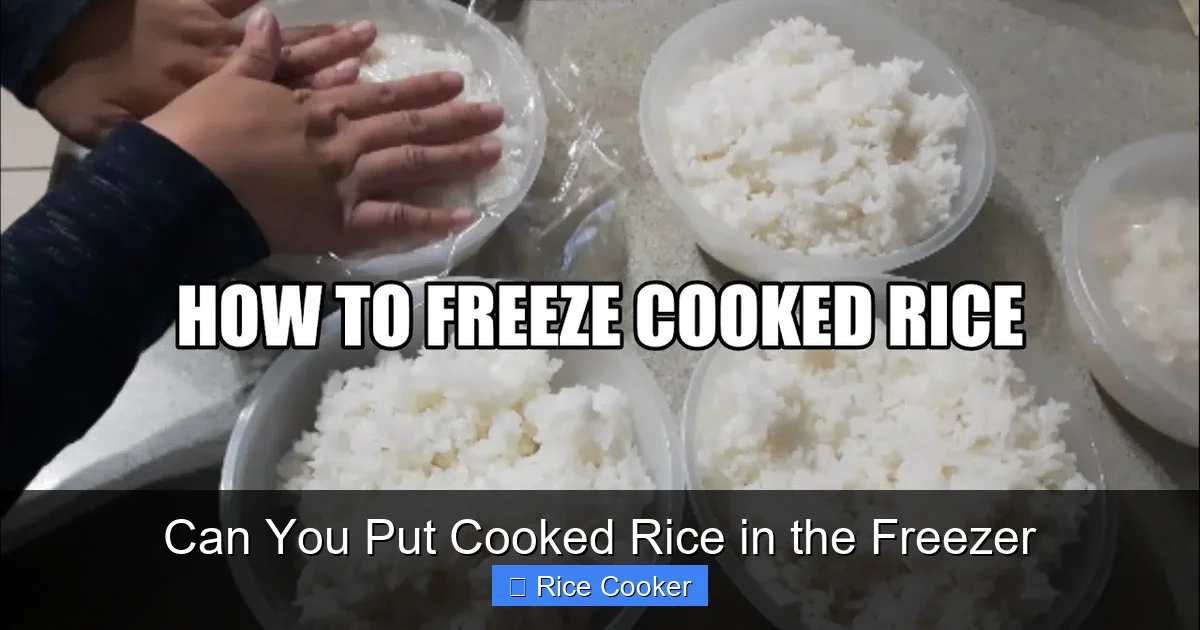
Can you put cooked rice in the freezer? Absolutely—freezing cooked rice is a smart way to save time, prevent waste, and keep your meals ready-to-eat. With proper storage techniques, frozen rice can stay safe and flavorful for up to 6 months. Whether you’re meal prepping or dealing with leftovers, this method is simple, effective, and backed by food safety guidelines.
Key Takeaways
- Freezing extends shelf life: Cooked rice can be safely stored in the freezer for up to 6 months, making it ideal for batch cooking and reducing food waste.
- Proper packaging is essential: Use airtight containers or heavy-duty freezer bags to prevent freezer burn and maintain texture.
- Cooling before freezing saves time: Let rice cool slightly after cooking before transferring it to freezer-safe containers.
- Thaw safely in the fridge: Always thaw frozen rice in the refrigerator or under cold running water to avoid bacterial growth.
- Reheat thoroughly: When reheating, ensure rice reaches an internal temperature of at least 165°F (74°C) for safety.
- Label and date containers: Keep track of how long rice has been frozen to use it within recommended timeframes.
- Best for large batches: Freezing is most useful when preparing rice in bulk—perfect for families or meal prep routines.
📑 Table of Contents
- Introduction: Why Freeze Cooked Rice?
- Is It Safe to Freeze Cooked Rice?
- How Long Can You Freeze Cooked Rice?
- Step-by-Step Guide: How to Freeze Cooked Rice
- How to Thaw and Reheat Frozen Cooked Rice
- Common Mistakes to Avoid When Freezing Rice
- Can You Freeze Different Types of Rice?
- Creative Ways to Use Frozen Rice
- Conclusion: Freeze Smart, Eat Better
Introduction: Why Freeze Cooked Rice?
Have you ever found yourself staring into the fridge, wondering what to make for dinner, only to realize you have a half-full container of leftover rice? Or maybe you just cooked a big pot of rice for lunch and want to save the rest—but you’re not sure if it’s okay to freeze it. The good news? Yes, you can absolutely put cooked rice in the freezer. In fact, freezing is one of the most practical and food-safe ways to store cooked rice when you don’t plan to eat it right away.
Cooked rice is a staple in many households, but it can spoil quickly at room temperature—especially in warm weather. Bacteria like *Bacillus cereus*, which can survive normal cooking temperatures, multiply rapidly between 40°F and 140°F (4°C and 60°C). That’s why the USDA recommends refrigerating cooked rice within two hours of cooking. But even in the fridge, rice typically lasts only 3–4 days. Freezing changes the game.
By freezing cooked rice, you extend its shelf life significantly—up to six months in some cases—while preserving both flavor and texture. This makes it perfect for meal preppers, busy parents, or anyone who loves having quick, ready-to-use ingredients on hand. Plus, frozen rice reheats beautifully when done correctly. So whether you’re doubling your rice recipe or just want to avoid food waste, freezing is your new best friend.
In this article, we’ll walk you through everything you need to know about freezing cooked rice—from preparation and packaging to thawing and reheating. You’ll also learn how to tell if frozen rice is still good, tips for maximizing quality, and answers to common concerns. Let’s get started!
Is It Safe to Freeze Cooked Rice?
Visual guide about Can You Put Cooked Rice in the Freezer
Image source: sarahscoopeats.com
One of the first questions people ask is whether freezing cooked rice is safe. The short answer: yes, it’s completely safe—as long as you follow basic food handling guidelines. Freezing stops bacterial growth, including that pesky *Bacillus cereus* that can cause food poisoning. Once rice is frozen, bacteria enter a dormant state and won’t become active again until the rice is thawed and warmed above 40°F (4°C).
But here’s the catch: safety doesn’t mean quality stays perfect forever. Freezing preserves rice well, but over time, it can develop freezer burn or lose moisture, affecting taste and texture. That’s why proper storage is key. Also, always ensure your rice was cooled and stored promptly after cooking. Never leave hot rice sitting out for more than two hours before refrigerating or freezing.
Another important point: raw rice can be stored in the freezer too, though it’s less common. If you’re freezing uncooked rice, make sure it’s dry and not mixed with sauces or seasonings that could create ice crystals. Cooked rice, on the other hand, freezes much more easily and retains better flavor when handled correctly.
So yes—freezing cooked rice is not only safe, it’s encouraged by food safety experts as a way to reduce waste and maintain nutritional value. Just remember: clean hands, clean containers, and consistent temperature control are your best tools for success.
How Long Can You Freeze Cooked Rice?
Visual guide about Can You Put Cooked Rice in the Freezer
Image source: sarahscoopeats.com
Knowing how long you can freeze cooked rice helps you plan meals and avoid spoilage. According to the USDA, cooked rice can be safely frozen for up to **6 months**. Beyond that, while it may not be unsafe, quality starts to decline. Texture becomes drier, and flavor dulls due to freezer burn or oxidation.
Here’s a general guide based on quality:
- 1–3 months: Best quality—moisture and flavor are nearly intact.
- 3–6 months: Still safe to eat, but slight drying or off-notes may appear.
- Beyond 6 months: Not recommended; risk of freezer burn increases, and nutrients degrade.
To maximize longevity, store rice in small portions (about 1–2 cups each). This allows you to thaw only what you need without repeatedly exposing larger blocks to temperature fluctuations. Label each container with the date so you can rotate your stock easily.
Also, avoid refreezing rice once it’s been thawed and reheated. Each freeze-thaw cycle can accelerate spoilage and increase the chance of bacterial contamination. Plan ahead, portion wisely, and enjoy fresh-tasting rice every time.
Step-by-Step Guide: How to Freeze Cooked Rice
Freezing cooked rice isn’t complicated—it just requires a few careful steps to ensure it stays fresh and tasty. Follow this simple process for best results:
1. Cool the Rice Promptly
After cooking, let rice cool at room temperature for about 10–15 minutes. Don’t leave it out longer than 20 minutes total. Rapid cooling helps prevent bacterial growth while making it easier to handle.
2. Portion Into Containers
Divide the rice into meal-sized portions—usually 1 cup per serving works well. Using smaller amounts means less waste when thawing. Avoid filling containers more than ¾ full to allow space for expansion as the rice freezes.
3. Choose the Right Container
Use airtight freezer-safe containers or heavy-duty freezer bags. Glass jars work, but plastic or silicone containers are lighter and take up less space. If using bags, squeeze out as much air as possible before sealing to minimize freezer burn.
4. Label and Date
Write the contents and date on each container. Use a permanent marker or waterproof label. This helps you keep track of how long it’s been stored and ensures older batches get used first.
5. Freeze Flat (If Using Bags)
For freezer bags, lay them flat so they freeze quickly and stack neatly in your freezer. This saves space and speeds up thawing later.
6. Store Properly
Keep your freezer at 0°F (-18°C) or lower. Consistent cold is essential for maintaining quality. Avoid placing rice near the freezer door, where temperatures fluctuate.
Following these steps ensures your rice stays in top condition. And remember: the better you pack it, the better it tastes when you pull it out weeks later.
How to Thaw and Reheat Frozen Cooked Rice
Thawing and reheating frozen rice correctly is just as important as freezing it properly. Done right, your rice will come out moist and flavorful. Here’s how to do it safely:
Method 1: Thaw in the Refrigerator (Slow & Safe)
Place the frozen rice container in the refrigerator and let it thaw overnight (8–12 hours). This is the safest method because it keeps the rice at a constant, cold temperature. Once thawed, reheat it thoroughly within 24 hours.
Method 2: Thaw Under Cold Running Water
If you’re short on time, submerge the sealed container in cold water for 30–60 minutes, stirring occasionally. Replace the water if it warms up. Never use hot water—it encourages bacterial growth.
Method 3: Reheat Directly from Frozen (Quick Option)
For convenience, you can cook frozen rice directly. Add a tablespoon of water or broth to prevent drying, cover tightly, and microwave or steam until heated through (about 2–3 minutes in the microwave, checking every 30 seconds).
Reheating Tips:
- Stir occasionally during reheating to distribute heat evenly.
- Aim for an internal temperature of at least 165°F (74°C).
- Add a splash of water or butter after reheating to revive dryness.
- Never reheat rice more than once.
When reheating, always check for odd smells, colors, or textures before eating. If anything seems off, it’s better to discard it. With these methods, your frozen rice can taste almost as good as freshly made.
Common Mistakes to Avoid When Freezing Rice
Even experienced home cooks make mistakes when freezing rice. Being aware of these pitfalls helps you avoid ruined meals and wasted food. Here are the most common errors—and how to fix them:
Mistake #1: Not Cooling Before Freezing
Leaving hot rice in a container can create condensation inside, leading to sogginess or mold. Always cool rice to room temperature first, then transfer to freezer-safe containers.
Mistake #2: Overfilling Containers
Rice expands as it freezes. Filling containers beyond ¾ full can cause them to crack or leak. Leave enough headspace for expansion.
Mistake #3: Using Weak Packaging
Regular plastic wrap or paper bags don’t hold up in the freezer. Invest in sturdy, airtight containers or thick freezer bags rated for long-term storage.
Mistake #4: Skipping Labels
Without dates, you might forget which batch is oldest. Label everything clearly. It takes 10 seconds but saves headaches later.
Mistake #5: Storing Near Strong Odors
Freezers absorb smells. Store rice away from onions, fish, or spices to prevent flavor transfer.
Mistake #6: Refreezing Thawed Rice
Once rice has been thawed and reheated, don’t freeze it again. Bacteria can multiply during the thaw-reheat cycle, increasing food safety risks.
Avoiding these mistakes ensures your frozen rice remains safe, delicious, and ready whenever you need it.
Can You Freeze Different Types of Rice?
Not all rice is created equal—and some types freeze better than others. Here’s a breakdown of popular varieties and their freezing performance:
White Rice (Long-Grain)
This is the most commonly frozen type. It has a neutral flavor and holds up well in the freezer. Perfect for stir-fries, bowls, or side dishes.
Brown Rice
Higher in fiber and oil content, brown rice can develop off-flavors faster. To preserve quality, freeze it within 2–3 months and store in vacuum-sealed bags.
Jasmine and Basmati Rice
These aromatic rices retain their fragrance better when frozen properly. Jasmine, in particular, stays fluffy and fragrant for up to 4 months.
Sushi Rice
Because sushi rice contains vinegar and sugar, it can become sticky when frozen. While edible, it’s best used for cooked rice dishes rather than raw sushi after thawing.
Risotto and Creamy Dishes
Cream-based risottos may separate or curdle upon thawing. If you must freeze them, blend thoroughly after reheating and add a little extra liquid to restore creaminess.
In general, plain, cooked grains freeze best. Avoid freezing rice already mixed with heavy sauces, fried meats, or dairy-heavy recipes unless you’re confident in your reheating technique.
Creative Ways to Use Frozen Rice
Don’t let frozen rice sit unused! With a little creativity, you can turn it into delicious meals anytime. Here are some inspired ideas:
- Fried Rice: Sauté frozen rice with eggs, vegetables, soy sauce, and your favorite protein. Quick, satisfying, and zero prep needed.
- Rice Bowls: Layer thawed rice with roasted veggies, grilled chicken, tahini, or pickled radishes for a customizable meal.
- Soup Base: Add rice to miso soup, pho, or tomato basil soup. It adds body and makes the dish more filling.
- Stuffed Peppers or Veggies: Mix rice with herbs, beans, and cheese, then stuff into bell peppers or zucchini and bake.
- Rice Pudding: Warm frozen rice with milk, cinnamon, and sugar for a comforting dessert.
- Burrito Fillings: Combine rice with beans, salsa, and meat for easy breakfast burritos or lunch wraps.
Using frozen rice this way reduces food waste and saves time. Plus, you’ll never say “what’s for dinner?” again.
Conclusion: Freeze Smart, Eat Better
Freezing cooked rice is a simple, science-backed strategy that benefits everyone—from busy professionals to home chefs who hate waste. By following safe storage practices, you can enjoy flavorful, nutritious rice for weeks or even months after cooking. Whether you’re meal prepping for the week or saving leftovers, freezing gives you flexibility and peace of mind.
Remember: the key to great frozen rice lies in proper cooling, airtight packaging, and thoughtful portioning. Take the time to label, date, and organize your freezer stash, and you’ll always have a quick, healthy option ready.
So next time you cook a big batch of rice, don’t rush to throw the rest away. Pop it in the freezer instead. Your future self will thank you—with every delicious bowl of fried rice, hearty soup, or savory rice bowl.
Frequently Asked Questions
Can you freeze cooked rice for later use?
Yes, cooked rice can be safely frozen for up to 6 months. Properly packaged and stored, it retains quality and is perfect for future meals.
How should I package cooked rice for freezing?
Use airtight containers or heavy-duty freezer bags. Leave space for expansion, label with the date, and remove excess air to prevent freezer burn.
Can you freeze rice that has been refrigerated?
Absolutely. As long as the rice was refrigerated promptly (within 2 hours of cooking), it’s safe to freeze again.
How long does frozen rice last?
Frozen rice is safe for up to 6 months, though quality declines after 3–4 months. For best results, use within 3 months.
Do I need to cool rice before freezing?
Yes. Let rice cool to room temperature before freezing to prevent condensation and bacterial growth.
Can you microwave frozen rice directly?
Yes, you can reheat frozen rice directly in the microwave. Add a bit of water, cover, and heat in intervals until fully warmed through.