
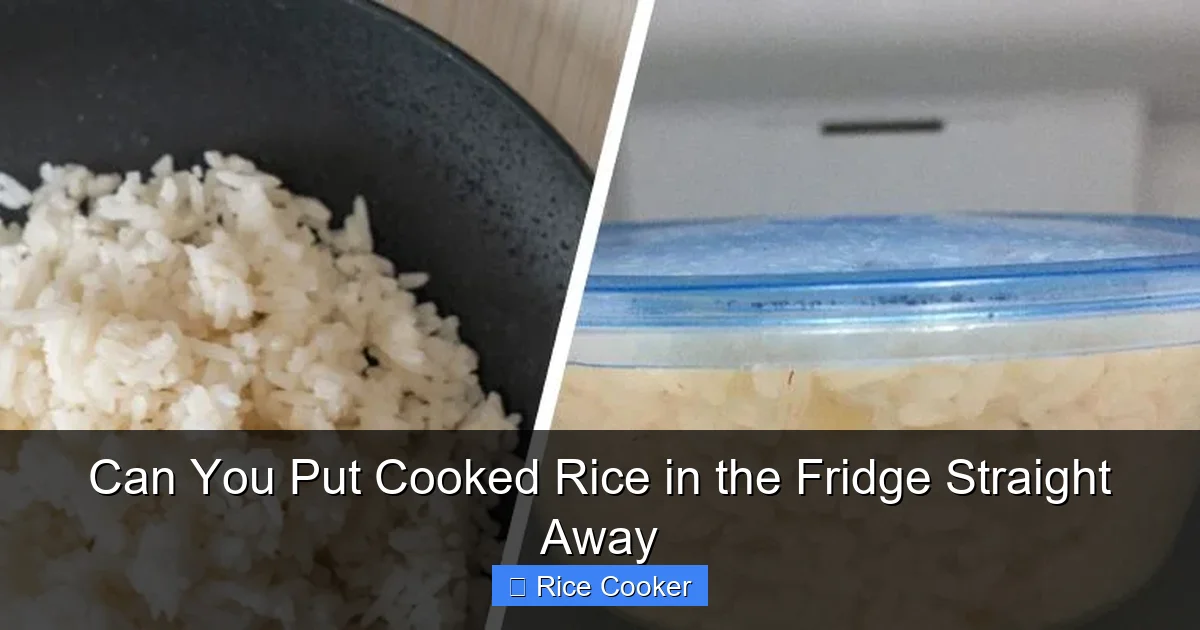
Can you put cooked rice in the fridge straight away? Absolutely — but only if done correctly. To avoid foodborne illness, cool the rice quickly and store it within two hours of cooking. This simple step helps prevent the growth of *Bacillus cereus*, a bacteria that thrives in improperly cooled rice. Always use shallow containers for faster cooling and label your storage with the date. With these easy tips, your leftover rice stays safe, tasty, and ready for meals all week long.
Have you ever finished a delicious bowl of fried rice or a savory rice pilaf and wondered, “Can I just pop this in the fridge right now?” If so, you’re not alone. Many home cooks and busy families face this exact question every day. The short answer? Yes — you absolutely can put cooked rice in the fridge straight away — but there’s a smart way to do it. In fact, doing it the right way can save you from food poisoning and help your leftovers taste better for days to come.
Rice is a staple in kitchens around the world, from Japanese sushi bowls to Mexican arroz con pollo and hearty American jambalaya. But despite its popularity, many people don’t realize that rice can be a hidden source of foodborne illness if not handled properly. The culprit? A bacteria called *Bacillus cereus*. This sneaky germ can survive high cooking temperatures and produce toxins that cause vomiting or diarrhea — and it loves growing in cooked rice that sits at room temperature for too long.
So, can you put cooked rice in the fridge straight away? Let’s break it down step by step so you can enjoy your rice safely and confidently.
Key Takeaways
- Yes, you can refrigerate cooked rice immediately: It’s safe and recommended to cool rice quickly to prevent bacterial growth.
- Speed is key: Cool rice to room temperature within one hour, then refrigerate to minimize the “danger zone” (40°F–140°F).
- Use shallow containers: Wide, flat containers help rice cool faster by increasing surface area.
- Label and date: Store rice for no more than 3–4 days to ensure freshness and safety.
- Reheat properly: Always reheat rice to at least 165°F (74°C) to kill any potential bacteria.
- Freezing is an option: You can freeze cooked rice for up to 6 months, making meal prep easier.
- Never leave rice out overnight: Bacteria multiply rapidly in warm rice left at room temperature.
📑 Table of Contents
- Why Refrigerating Rice Immediately Is Important
- How Long Can Cooked Rice Stay at Room Temperature?
- Best Practices for Cooling and Storing Cooked Rice
- Can You Freeze Cooked Rice?
- How to Safely Reheat Refrigerated Rice
- Common Myths About Rice Storage
- Special Considerations: Baby Food and Rice
- Signs Your Rice Has Gone Bad
- Final Thoughts: Safe Rice, Happy Kitchen
Why Refrigerating Rice Immediately Is Important
When rice is freshly cooked, it’s hot — usually above 140°F (60°C). At this temperature, bacteria can’t grow yet. But as the rice begins to cool, it enters what’s known as the “danger zone” — the temperature range between 40°F and 140°F where bacteria multiply rapidly. If rice sits in this zone for more than two hours (or one hour if the room is hotter than 90°F), harmful bacteria like *Bacillus cereus* can start to thrive.
*Bacillus cereus* is particularly dangerous because it forms spores that survive boiling. Once cooked, these spores can become active again when the rice cools and stays warm. They produce heat-stable toxins that aren’t killed by reheating — meaning even if you boil your rice again, the sickness-causing compounds remain.
That’s why experts strongly recommend cooling rice quickly and refrigerating it within two hours of cooking. By putting cooked rice in the fridge straight away (and using proper cooling methods), you cut off the time bacteria need to multiply.
How Long Can Cooked Rice Stay at Room Temperature?
Visual guide about Can You Put Cooked Rice in the Fridge Straight Away
Image source: sarahscoopeats.com
The general rule of thumb is simple: Do not leave cooked rice sitting out for more than two hours. If you’re in a hot kitchen or the ambient temperature is over 90°F (32°C), that window shrinks to just one hour. After that, the risk of bacterial growth increases significantly.
For example, imagine you just made a large pot of jasmine rice for a family dinner. You serve it, clean up, and then realize you forgot to put it in the fridge until an hour later. That’s already pushing it — especially if the room was warm. Even worse: you leave the rice out overnight while guests stay late or during a dinner party. That rice is now in serious danger.
In contrast, if you transfer the rice to a shallow container within 30 minutes of cooking and place it directly into the refrigerator, you’re protecting yourself and your family from unnecessary health risks.
Best Practices for Cooling and Storing Cooked Rice
Visual guide about Can You Put Cooked Rice in the Fridge Straight Away
Image source: recipeofbangladesh.com
Cooling rice properly isn’t about speed alone — it’s about doing it smart. Here are some practical, easy-to-follow tips to make sure your rice stays safe and delicious:
Use Shallow Containers
Instead of leaving rice in a tall, deep pot, transfer it to a wide, shallow container or a ceramic dish. The increased surface area allows heat to escape faster, helping the rice cool more evenly. This reduces the chance of cold spots where bacteria might still grow.
Stir Occasionally While Cooling
Gently stir the rice every 15–20 minutes as it cools. This prevents moisture from pooling on top and ensures even temperature distribution. Think of it like fluffing a pillow — it helps air circulate and speeds up the process.
Avoid Covering Immediately
Don’t seal the container right after cooking. Wait until the rice has cooled slightly (within 30–40 minutes) before covering it. Steam builds up when hot food is sealed, which can make the center stay warm longer. Instead, cover it loosely with a lid or plastic wrap pierced with small holes to let steam escape.
Refrigerate Promptly
Once the rice reaches room temperature (about 70°F), move it into the fridge. Most refrigerators should be set to 40°F or lower. This keeps the rice cold enough to slow bacterial growth.
Label and Date Your Containers
Use a marker to write the date on the container. Cooked rice should be eaten within 3–4 days. After that, even if it looks and smells fine, the texture may have degraded, and the risk of contamination increases.
Can You Freeze Cooked Rice?
Absolutely! Freezing is another excellent way to preserve rice. Unlike refrigeration, freezing slows bacterial growth to nearly zero. Cooked rice can be frozen for up to 6 months and still be safe to eat.
To freeze rice:
– Cool it completely first.
– Portion it into freezer-safe bags or containers.
– Squeeze out excess air before sealing (this prevents freezer burn).
– Label with the date.
When you’re ready to use it, thaw in the refrigerator overnight or reheat directly from frozen in a microwave or pan with a splash of water to prevent drying.
Freezing is especially helpful for meal preppers, parents with busy schedules, or anyone who likes to cook rice in bulk. Just remember: once rice is frozen and thawed, it should be used within 3–4 days in the fridge.
How to Safely Reheat Refrigerated Rice
Reheating rice correctly is just as important as storing it. Cold rice can harbor bacteria, so you must bring it back to a safe temperature to kill any potential germs.
Here’s the safest method:
– Place rice in a microwave-safe dish and cover it with a damp paper towel to retain moisture.
– Microwave on high for 1–2 minutes, stir, then continue heating in 30-second intervals until steaming hot throughout.
– Alternatively, transfer rice to a saucepan, add a tablespoon of water, cover, and simmer over low heat for 5–7 minutes, stirring occasionally.
Always check that the internal temperature reaches at least 165°F (74°C). Use a food thermometer if possible — visual cues like steam aren’t always reliable.
Never reheat rice more than once. Leftover rice that’s been reheated once should be discarded to be safe.
Common Myths About Rice Storage
There are plenty of myths floating around about rice storage — let’s clear them up.
Myth: Rice Should Be Left Out to Cool Naturally
False. Leaving rice to cool slowly at room temperature gives bacteria time to grow. The USDA recommends cooling rice quickly and refrigerating it within two hours.
Myth: Rice Can Be Stored Indefinitely in the Fridge
Not true. While rice won’t spoil immediately, quality declines after 3–4 days. After that, the starch breaks down, and the texture becomes gummy or dry.
Myth: All Types of Rice Are Safe the Same Way
Most cooked rice follows the same rules, but brown rice has a higher oil content and may go rancid faster. Still, it should be refrigerated within two hours and eaten within 3–4 days.
Myth: Rice Can Be Reheated Multiple Times Safely
No. Each reheating cycle increases the risk of bacterial contamination. Always treat reheated rice as a single-use item.
Special Considerations: Baby Food and Rice
Parents often ask: Can I make rice cereal for babies and store it in the fridge? Yes — but with extra care.
Homemade baby rice cereal should be cooled quickly and stored in clean, sterilized jars. Use within 24 hours if refrigerated, or freeze portions for up to 3 months. Always test the temperature before feeding.
Commercial baby rice products have preservatives and stricter storage guidelines, so follow package instructions closely.
Never leave baby rice out at room temperature — their immune systems are more vulnerable to foodborne illness.
Signs Your Rice Has Gone Bad
Even when stored properly, rice can eventually spoil. Watch for these signs:
– Unpleasant odor (sour or off-putting smell)
– Mold growth
– Grittiness or unusual texture
– Cloudy appearance (indicating moisture buildup)
If you notice any of these, toss the rice immediately. When in doubt, throw it out.
Final Thoughts: Safe Rice, Happy Kitchen
So, can you put cooked rice in the fridge straight away? Yes — and it’s one of the best things you can do to keep your meals safe and delicious. By cooling rice quickly, storing it properly, and reheating it thoroughly, you protect yourself and your loved ones from foodborne illness.
Whether you’re making a big batch of sushi rice, leftover fried rice, or a comforting rice porridge, following these simple steps makes all the difference. And with tools like shallow containers, food thermometers, and freezer-safe bags, rice storage becomes stress-free.
Next time you finish a meal, don’t hesitate — refrigerate that rice right away. Your future self will thank you.
Frequently Asked Questions
Is it safe to put hot cooked rice in the fridge?
Yes, it’s safe to put hot cooked rice in the fridge, but it should cool slightly first. Avoid placing extremely hot rice directly into the refrigerator, as it can raise the internal temperature and affect other foods. Cooling it within 30–60 minutes before refrigerating is ideal.
How long can cooked rice stay in the fridge?
Cooked rice should be eaten within 3–4 days when stored in the refrigerator at 40°F or below. After that, the quality declines, and the risk of bacterial contamination increases, even if the rice looks and smells normal.
Can you eat rice that’s been in the fridge for a week?
No, you should not eat rice that’s been in the fridge for more than 3–4 days. While it may not always show visible signs of spoilage, harmful bacteria like *Bacillus cereus* can still be present. When in doubt, discard old rice.
Should you rinse rice before refrigerating?
Rinsing rice before cooking removes excess starch and prevents clumping, but it doesn’t affect safety. Once cooked, rinsing is unnecessary and may waste nutrients. Simply store the cooked rice properly without rinsing.
Can you reheat rice multiple times?
It’s not recommended to reheat rice more than once. Each reheating cycle increases the risk of bacterial contamination. If you have leftover rice, reheat only what you plan to eat immediately and discard the rest.
Does rice go bad in the fridge?
Yes, rice can go bad in the fridge. While it won’t spoil quickly due to low moisture and acidity, it can develop mold, off odors, or texture changes. Always check for signs of spoilage before eating and follow storage guidelines to maintain freshness.