
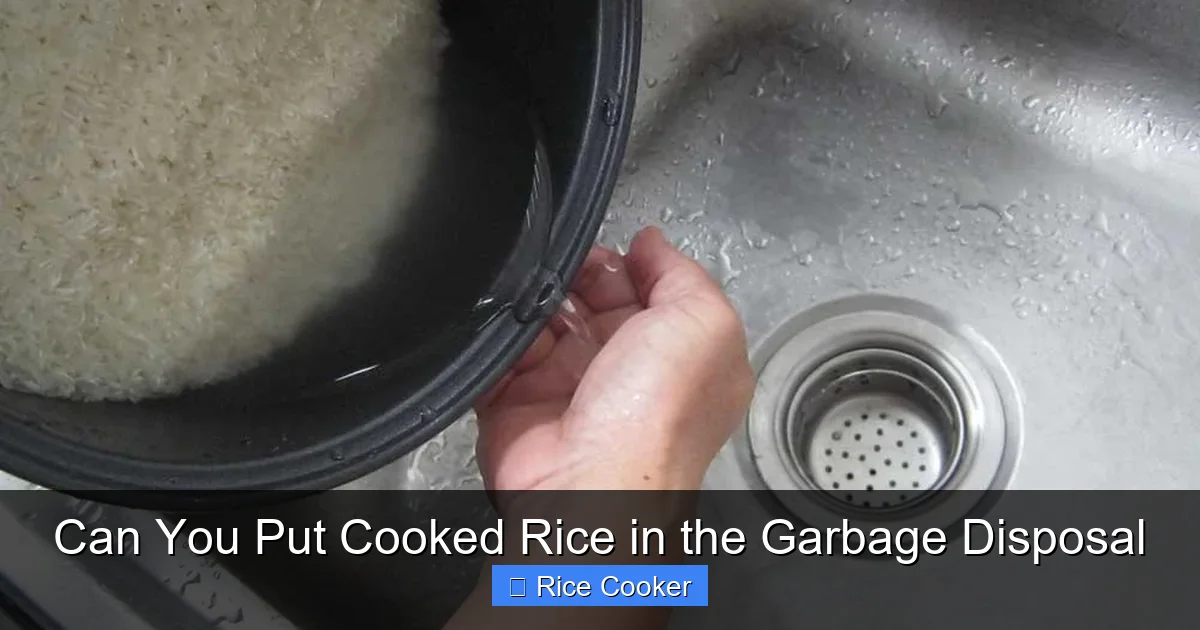
Can you put cooked rice in the garbage disposal? The short answer is no—it’s not recommended. Cooked rice expands when wet and can clump together, creating stubborn blockages in your pipes. While a small amount might seem harmless, over time, rice can gum up your disposal and lead to costly repairs. Instead, compost or discard it safely to protect your kitchen’s plumbing system.
Have you ever finished a delicious bowl of fried rice or leftover stir-fry and wondered, “Can I just toss this into the garbage disposal?” It’s a common question, especially for busy home cooks who want to make cleanup quick and easy. After all, the garbage disposal seems like the perfect solution—grind up food waste, send it down the drain, and be done with it.
But here’s the thing: not all food scraps play nicely with your plumbing. And when it comes to cooked rice, things get tricky. While it might seem harmless because it’s soft and wet, cooked rice has properties that can wreak havoc on your garbage disposal and drain lines over time. In this article, we’ll explore why you should think twice before dumping rice down the disposal, what happens when you do, and safer ways to handle leftover grains.
Whether you’re using a traditional rice cooker or cooking on the stovetop, understanding how to properly dispose of cooked rice is essential for maintaining a healthy kitchen and avoiding expensive plumbing headaches. Let’s dive in and uncover the truth about rice and your garbage disposal.
—
Key Takeaways
- Cooked rice expands when wet: It swells in your pipes, increasing the risk of clogs compared to raw rice.
- It doesn’t break down easily: Unlike food scraps that dissolve, rice forms dense clumps that resist disintegration.
- Garbage disposals aren’t designed for starchy foods: Rice contains starches that stick to pipe walls and trap grease.
- Clogs lead to backups and odors: Blockages from rice can cause unpleasant smells and require professional cleaning.
- Better alternatives exist: Compost rice or dispose of it in the trash to avoid plumbing issues.
- Prevention is key: Always use cold water and minimal quantities if you must run food waste through.
- Regular maintenance helps: Flush your disposal weekly with ice cubes and citrus peels to reduce buildup.
📑 Table of Contents
- Why You Shouldn’t Put Cooked Rice in the Garbage Disposal
- The Science Behind Rice and Plumbing Clogs
- What Happens When You Run Cooked Rice Through Your Disposal?
- Safety Tips for Using Your Garbage Disposal Safely
- Safer Alternatives for Disposing of Cooked Rice
- How to Clean and Maintain Your Garbage Disposal
- Common Myths About Garbage Disposals and Food Waste
- Conclusion: Protect Your Plumbing, Protect Your Peace of Mind
Why You Shouldn’t Put Cooked Rice in the Garbage Disposal
Cooked rice may look like a simple, soft food scrap, but its behavior in your plumbing system tells a different story. When rice is cooked, it absorbs water and becomes gelatinous. This transformation is what makes it so dangerous for garbage disposals. Unlike fibrous vegetables or meat bones, which can be pulverized into tiny pieces, rice turns into a sticky, expanding mass that clings to pipes.
The main issue lies in rice’s high starch content. Starch molecules break down during cooking and become highly soluble in water. When they come into contact with moisture in your drain, they begin to swell. This swelling causes the rice particles to fuse together, forming large, compact clumps. These clumps don’t break down further in water—instead, they act like glue, trapping grease, oils, and other debris.
Over time, this buildup narrows your pipes and creates ideal conditions for clogs. What starts as a small amount of rice can grow into a full-blown blockage, leading to slow drains, gurgling sounds, and even sewage backups. And because garbage disposals are designed to handle soft, fibrous materials, they aren’t equipped to deal with the unique challenges posed by starchy foods like rice.
—
The Science Behind Rice and Plumbing Clogs

Visual guide about Can You Put Cooked Rice in the Garbage Disposal
Image source: shinymodern.com
To truly understand why cooked rice is problematic, let’s take a closer look at what happens chemically and physically inside your pipes.
When rice is boiled, the heat breaks down the grain’s cell structure. The starches inside—mainly amylose and amylopectin—dissolve and release into the water. These starches are hydrophilic, meaning they love water. As they move through your plumbing system, they continue to absorb moisture, causing them to expand.
Unlike protein-based foods (like eggs) or cellulose-rich items (like celery), starches don’t degrade quickly. In fact, they remain stable in warm, moist environments. This means that even after grinding, rice particles retain their ability to swell and bond with other substances.
Imagine pouring a cup of instant mashed potatoes down the sink. That’s essentially what happens with cooked rice—just in smaller portions. Each spoonful adds a little more starch to your system. Over days, weeks, or months, these tiny contributions accumulate. Eventually, the starch-rich residue dries slightly along pipe walls, forming a crusty layer that attracts more debris.
This process is known as biofilm formation. Once a surface is covered in organic matter, bacteria thrive and produce mucus-like secretions that further glue particles together. The result? A hardened plug that’s nearly impossible to remove without professional tools.
—
What Happens When You Run Cooked Rice Through Your Disposal?
Visual guide about Can You Put Cooked Rice in the Garbage Disposal
Image source: plumbjoe.com
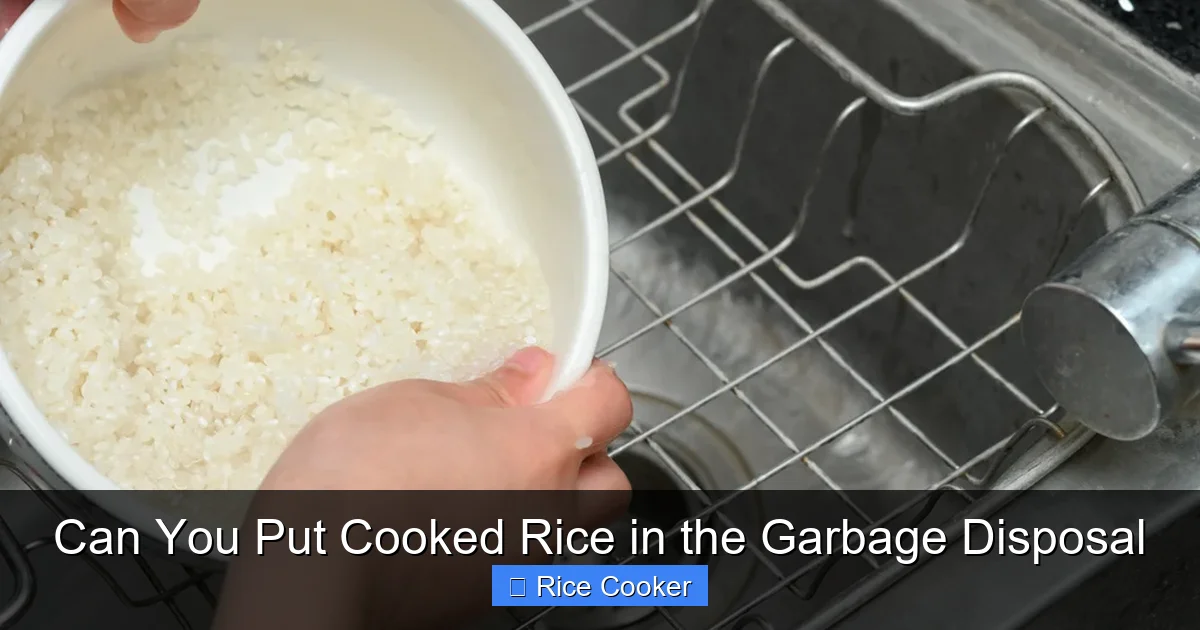
Let’s walk through a typical scenario: You finish a meal of fried rice, scoop the leftovers into the sink, flip the switch on your garbage disposal, and hear the familiar whirring sound. At first, everything seems fine. But within a few days, your kitchen drain slows down. By the end of the week, water pools around the disposal, and a foul odor begins to rise from the sink.
Here’s what likely occurred:
– **Immediate Grinding:** The disposal blades pulverize the rice into very small particles. These tiny bits are washed down the drain with cold water.
– **Rapid Expansion:** In the warm, humid environment of your pipes, the starch-laden particles absorb moisture and begin to expand.
– **Clumping Action:** The particles stick together and to pipe walls, forming a dense mass.
– **Grease Attraction:** Kitchen grease coats the inside of pipes naturally. The sticky rice clumps latch onto this grease, creating a larger obstruction.
– **Drain Slowdown:** Water struggles to flow past the growing blockage, leading to backups and eventual overflow.
In extreme cases, the clog reaches far enough to block the main sewer line, requiring a plumber with a hydro-jetter or snake to clear it. These services cost hundreds of dollars and can disrupt your daily routine for hours.
Even worse, if the clog isn’t caught early, it can damage your disposal unit or compromise your home’s entire drainage system. That’s why it’s crucial to avoid putting cooked rice—or any starchy food—through the disposal altogether.
—
Signs Your Disposal Is Affected by Rice Buildup
If you suspect rice or other starches have caused problems, watch for these warning signs:
– **Slow draining sink:** Water takes longer than usual to go down.
– **Gurgling noises:** Air trapped behind a clog pushes out bubbles as water tries to pass.
– **Foul odors:** Rotting food smells indicate bacterial growth in blocked areas.
– **Disposal motor struggling:** If the unit strains or shuts off frequently, it may be fighting a clog.
– **Overflowing garbage disposal unit:** In rare cases, the clog forms inside the disposal itself.
If you notice any of these symptoms, stop using the disposal immediately. Pour boiling water down the drain (only if there’s no grease present) to loosen minor buildup. Then, consider using a plunger or calling a plumber before attempting chemical cleaners, which can harm your pipes and septic systems.
—
Safety Tips for Using Your Garbage Disposal Safely
While we strongly advise against putting cooked rice in your disposal, there are times when you might need to run other food scraps through. If you choose to use your disposal, follow these best practices to minimize risks:
– **Use Cold Water Only:** Hot water softens grease, making it more likely to coat pipes. Cold water keeps fats solid, allowing them to be flushed away cleanly.
– **Run Water Continuously:** Keep the water running while the disposal is active. This helps carry food particles through the pipes instead of letting them settle.
– **Avoid Large Quantities:** Never overload the disposal with more than a handful of food waste at once.
– **Skip Starchy and Fatty Foods:** Rice, pasta, bread, and fatty meats should always go in the trash or compost bin.
– **Clean Weekly:** Flush your disposal with ice cubes and citrus rinds to sharpen blades and freshen the unit.
Remember, your garbage disposal is not a trash can. Its purpose is to handle small amounts of soft, non-starchy food waste—not rice, coffee grounds, or eggshells.
—
Safer Alternatives for Disposing of Cooked Rice
So what should you do with that leftover rice instead? Fortunately, several eco-friendly and practical options exist:
1. Compost It
Composting is one of the best ways to recycle cooked rice. As long as the rice hasn’t been mixed with meat, dairy, or oily sauces, it breaks down beautifully in compost piles or bins. Just mix it into your brown materials (like dried leaves or cardboard) to balance the carbon-to-nitrogen ratio.
Tip: Avoid adding too much rice at once—excess moisture can create odors. Spread it thinly across your compost pile and turn it regularly.
2. Freeze and Trash It
If you don’t have access to a compost bin, freeze leftover rice in sealed bags until trash day. This prevents it from attracting pests in your kitchen and reduces methane emissions when it eventually ends up in a landfill.
3. Donate Unused Rice
Still good but uneaten? Consider donating to local food banks or shelters. Many organizations accept dry or cooked grains as part of their meal programs. Check with your nearest shelter first—some have restrictions on perishable donations.
4. Use It as Animal Feed (Sparingly)
Some farmers accept small amounts of cooked grains for livestock. However, always confirm with the farm beforehand. Improper feeding can harm animals or violate health regulations.
Never feed cooked rice to pets—especially dogs—as it can cause digestive upset.
—
How to Clean and Maintain Your Garbage Disposal
Prevention is always better than cure. Regular maintenance keeps your disposal running smoothly and reduces the chance of clogs—even from non-rice foods. Here’s how to keep things in top shape:
– **Flush Monthly:** Run cold water while turning on the disposal for 10–15 seconds each month. This clears out residual food particles.
– **Ice Cube Trick:** Drop 3–4 ice cubes into the disposal and run it with cold water. The ice sharpens the blades and helps cut through grease.
– **Citrus Freshness:** Add lemon, lime, or orange peels to the disposal. They clean surfaces and leave a pleasant aroma.
– **Avoid Harsh Chemicals:** Drain cleaners can corrode metal pipes and kill beneficial bacteria in septic systems.
– **Inspect Annually:** Have a plumber check your disposal and drain lines every 6–12 months, especially if you live in an older home.
By following these steps, you’ll extend the life of your disposal and avoid costly repairs.
—
Common Myths About Garbage Disposals and Food Waste
There are many misconceptions about what belongs—and doesn’t belong—in your garbage disposal. Let’s debunk a few rice-related myths:
Myth #1: “A Little Rice Won’t Hurt”
Reality: Even a single serving of rice can contribute to long-term buildup. Small amounts add up over time.
Myth #2: “Rice Will Dissolve Like Other Foods”
Reality: Most food scraps break down completely, but rice remains sticky and expansive.
Myth #3: “Grinding Makes Rice Safe for Drains”
Reality: Grinding only makes rice smaller—not safer. Tiny particles still swell and clump.
Myth #4: “You Can Flush Rice with Vinegar to Break It Down”
Reality: Vinegar won’t dissolve starch. It may slightly lower pH, but it won’t prevent clogs.
Sticking to proven guidelines—and avoiding rice entirely—is the safest approach.
—
Conclusion: Protect Your Plumbing, Protect Your Peace of Mind
In the end, the simple answer to “Can you put cooked rice in the garbage disposal?” is no. While it might seem convenient in the moment, the consequences—slow drains, foul odors, and expensive repairs—are anything but convenient. Cooked rice behaves differently than other food waste. Its starch content leads to expansion, clumping, and persistent blockages that standard cleaning methods can’t fix.
Instead of risking your plumbing, opt for smarter disposal habits. Compost your rice, freeze it for later trash pickup, or donate it if possible. These small changes make a big difference in keeping your kitchen clean, functional, and odor-free.
And remember: your garbage disposal is a tool, not a catch-all for every food scrap. Treat it with care, use it wisely, and it will serve you faithfully for years to come.
By choosing responsible disposal methods today, you’re not just protecting your pipes—you’re contributing to a healthier environment and a more sustainable lifestyle. So next time you’ve got leftover rice, think twice. Your future self (and your wallet) will thank you.
—
Frequently Asked Questions
Can you put uncooked rice in the garbage disposal?
No, uncooked rice is even more dangerous. It expands dramatically when it contacts water, potentially causing immediate clogs. Always dispose of both raw and cooked rice in the trash or compost.
Will vinegar help dissolve rice in my drain?
Unfortunately, no. Vinegar cannot break down starch effectively. It may slightly alter pH levels but won’t prevent rice from clumping and blocking pipes.
Can I flush rice with hot water?
Hot water worsens the problem by softening grease and accelerating starch expansion. Always use cold water when dealing with any food waste in the disposal.
Is it okay to rinse rice down the sink without using the disposal?
Yes, but only if you pour it slowly and follow with plenty of cold water. Even then, rice tends to settle and shouldn’t be rinsed frequently.
What happens if I accidentally put rice in the disposal?
If it’s just a small amount, run cold water for 30 seconds afterward. Monitor your sink for slow drainage. If signs appear, stop using the disposal and call a plumber.
Are there any types of rice that are safer for disposals?
All cooked rice varieties—white, brown, jasmine, basmati—behave similarly due to their starch content. None are safe for garbage disposals.