
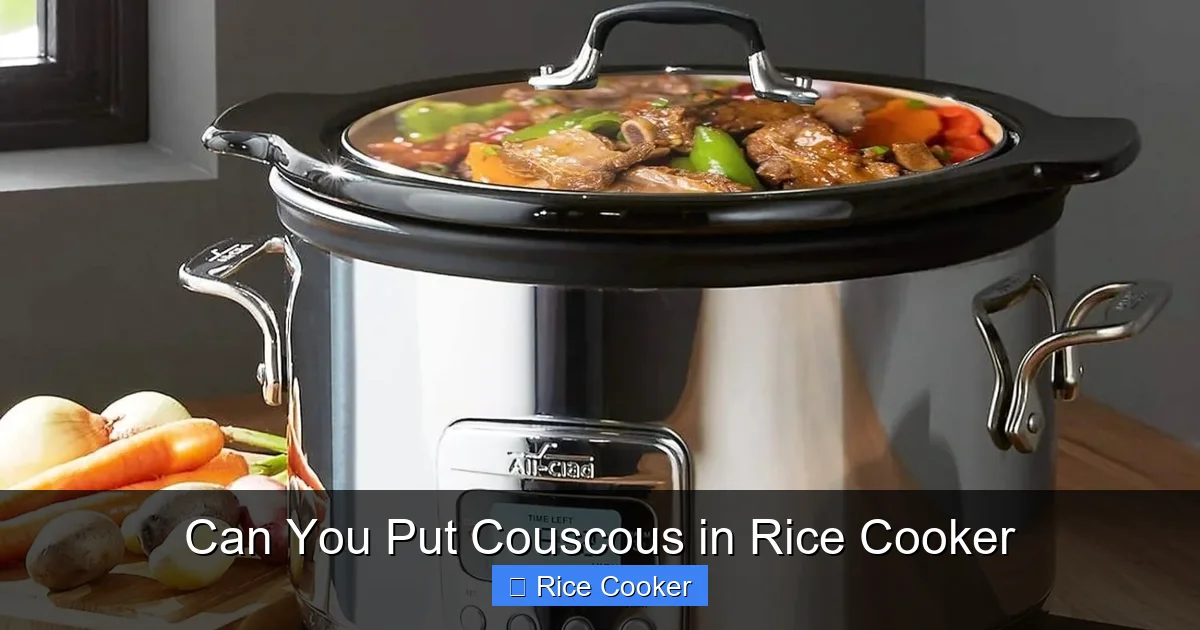
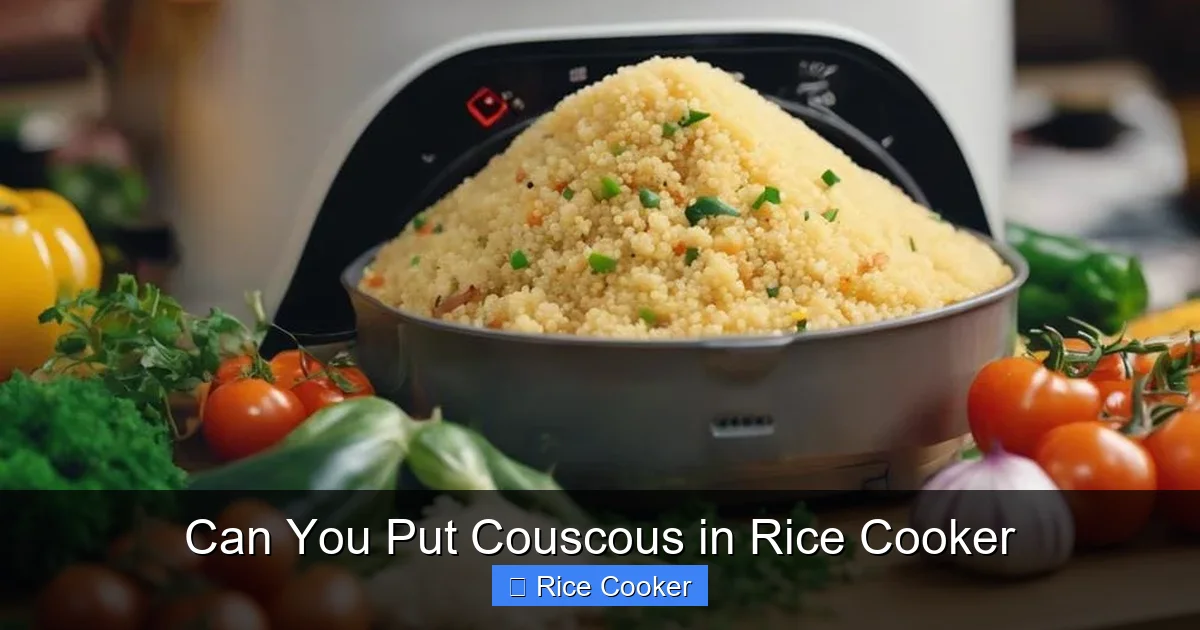
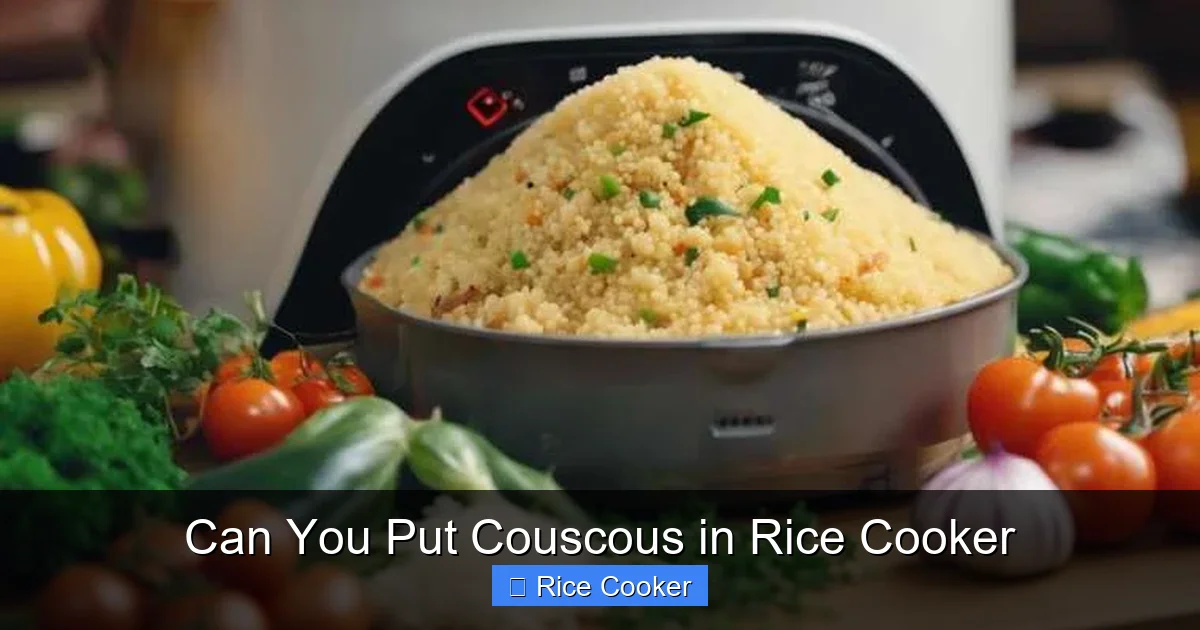
You can definitely cook couscous in a rice cooker, and it’s one of the easiest ways to prepare this Mediterranean staple. With just water or broth and a simple ratio, your rice cooker does all the work. Whether you’re meal prepping or whipping up a last-minute dinner, using a rice cooker for couscous is fast, foolproof, and delicious.
Can You Put Couscous in Rice Cooker? Absolutely—and you’ll be amazed at how simple it is!
If you’ve ever looked into your pantry and spotted a bag of couscous wondering what to do with it, you’re not alone. This tiny, round pasta from North Africa is incredibly versatile, nutritious, and ready in under 10 minutes. But if you don’t have a stovetop handy or want to avoid babysitting a pot, your trusty rice cooker might just be the answer. The short answer? Yes, you can absolutely put couscous in a rice cooker—and it turns out perfectly every time.
Rice cookers are designed to automate the cooking process, maintaining consistent heat and timing so your grains come out tender but not mushy. Couscous, which traditionally absorbs liquid rapidly, fits right into this system. Unlike traditional methods that require boiling water and a lid, the rice cooker handles everything on its own. Plus, it frees up your stove for other dishes. Whether you’re making a quick side for grilled chicken, building a salad bowl, or prepping meals for the week, using your rice cooker for couscous is a game-changer.
In this article, we’ll walk through everything you need to know—from ratios and timing to tips for flavor boosts and meal ideas. You’ll also learn why couscous belongs in your rice cooker rotation and how to troubleshoot common issues. So grab that bag of couscous, plug in your appliance, and let’s get cooking!
Key Takeaways
- Yes, couscous works great in rice cookers. It cooks quickly and evenly without constant stirring.
- Use a 1:1 water-to-couscous ratio. For richer flavor, substitute half the water with broth or milk.
- Rinse couscous before cooking. This removes excess starch and prevents clumping.
- Cooking time is short—usually 5–7 minutes. Most rice cookers have a “quick cook” or “manual” setting perfect for couscous.
- Fluff immediately after cooking. Use a fork to break up any lumps and keep it light and airy.
- Customize with herbs, spices, or mix-ins. Try adding lemon zest, parsley, feta, or roasted vegetables.
- Store leftovers properly. Keep cooked couscous in an airtight container for up to 3 days.
📑 Table of Contents
- Why Choose a Rice Cooker for Couscous?
- How to Cook Couscous in a Rice Cooker: Step-by-Step Guide
- Perfect Ratios and Liquid Choices
- Tips for Best Results
- Meal Ideas Using Rice Cooker Couscous
- Troubleshooting Common Issues
- Health Benefits of Couscous
- Frequently Asked Questions About Cooking Couscous in a Rice Cooker
Why Choose a Rice Cooker for Couscous?
Couscous isn’t just for special occasions—it’s a weekday hero. Its mild flavor and soft texture make it a favorite across many cuisines, from Moroccan tagines to American grain bowls. Traditionally, couscous is steamed over boiling water, often with aromatics like onions, garlic, or spices. While this method yields excellent results, it requires attention and cleanup. That’s where the rice cooker shines.
Using a rice cooker for couscous eliminates guesswork. There’s no risk of burning or sticking, and you don’t have to stand over the stove. Just measure, add liquid, press a button, and walk away. Many modern rice cookers even have a “quick cook” or “manual” setting ideal for couscous, which cooks faster than rice due to its small size.
Another benefit? Couscous absorbs liquid quickly, making it perfect for hands-off cooking. Unlike long-grain rice, which needs careful monitoring, couscous settles into the rice cooker’s cycle and comes out fluffy and separate. And because it’s so fine, it doesn’t require the same soaking or rinsing as other grains.
Plus, rice cookers are energy-efficient. They maintain steady heat without wasting power, which means your couscous cooks evenly without hot spots. Whether you’re feeding one person or a family, the same ratio works every time.
How to Cook Couscous in a Rice Cooker: Step-by-Step Guide
Ready to try it? Follow these simple steps for foolproof couscous every time.
What You’ll Need
- 1 cup uncooked couscous (regular or whole wheat)
- 1 cup water or broth (or half water, half broth for extra flavor)
- Pinch of salt (optional)
- Optional add-ins: olive oil, butter, lemon juice, herbs
Step 1: Rinse the Couscous
Before cooking, rinse couscous under cold water using a fine-mesh strainer. This removes surface starch, which helps prevent clumping. Drain well.
Step 2: Add Ingredients to the Rice Cooker
Pour rinsed couscous into the inner pot. Add your liquid (water or broth), and stir gently. If desired, add a pinch of salt or a splash of olive oil.
Step 3: Close the Lid and Start Cooking
Secure the lid and select the “Quick Cook” or “Manual” setting. Set the timer for 5–7 minutes. Most rice cookers will automatically switch to “Keep Warm” once done.
Step 4: Let It Sit
Once the cycle ends, let the couscous sit, covered, for 2–3 minutes. This allows steam to finish softening any remaining granules.
Step 5: Fluff and Serve
Open the lid and fluff with a fork. Taste and adjust seasoning if needed. Serve warm or chilled.
Pro tip: If your rice cooker has a “Steam” or “Grains” setting, try that too—it can give a lighter texture.
Perfect Ratios and Liquid Choices
Getting the right water-to-couscous ratio is key to fluffy, non-gummy results. The standard ratio is 1 cup couscous to 1 cup liquid. This works for both regular and whole wheat versions. Too much liquid makes it soggy; too little leaves it dry and hard.
For richer flavor, swap half the water with low-sodium broth—chicken, vegetable, or beef all work well. You can also use milk or even coconut milk for a creamy twist (great with Middle Eastern or Indian-inspired dishes).
Avoid using too much salt in the liquid, as couscous absorbs flavor quickly. Instead, season after cooking or mix in fresh herbs and lemon juice at the end.
Tips for Best Results
Even though couscous is forgiving, a few tricks ensure restaurant-quality results every time.
Don’t Skip Rinsing
Rinsing removes excess starch and prevents gunkiness. It’s especially important for instant or pre-steamed couscous.
Use Room-Temperature Liquid
Cold liquid can slow cooking; warm liquid ensures even absorption.
Fluff Immediately After Cooking
As soon as the rice cooker switches to “Keep Warm,” open the lid and fluff with a fork. This breaks up clumps and keeps the texture light.
Avoid Opening the Lid During Cooking
Steam builds up, and releasing it can disrupt the cooking process. Wait until the cycle completes.
Experiment with Mix-Ins
Add sautéed vegetables, chickpeas, sun-dried tomatoes, or crumbled feta during the last minute of cooking for extra flavor and nutrition.
Meal Ideas Using Rice Cooker Couscous
Couscous is incredibly adaptable. Here are five creative ways to use your rice cooker-made couscous:
1. Mediterranean Couscous Salad
Cook couscous with vegetable broth. Once done, stir in chopped cucumber, cherry tomatoes, red onion, parsley, olives, and a lemon-olive oil dressing. Chill before serving.
2. Spicy Couscous with Chickpeas
Add a teaspoon of cumin, paprika, and a dash of cayenne to the cooking liquid. Stir in canned chickpeas during the last minute. Top with avocado and tahini sauce.
3. Lemon-Herb Couscous Bowl
Use chicken broth and add fresh dill, mint, and lemon zest. Mix in sautéed spinach and grilled chicken breast for a complete meal.
4. Sweet Couscous Pudding
Substitute half the liquid with milk or almond milk. Add a pinch of cinnamon and a spoonful of honey. Let cool slightly and serve with berries.
5. Stuffed Bell Peppers
Fill halved bell peppers with a mixture of couscous, ground lamb or turkey, tomatoes, and spices. Bake after stuffing for a hearty dish.
These ideas show how versatile couscous can be—whether you’re aiming for savory or sweet.
Troubleshooting Common Issues
Even with the best technique, things can go wrong. Here’s how to fix common couscous mishaps.
Problem: Clumpy or Sticky Couscous
Cause: Not rinsing, too much liquid, or not fluffing.
Solution: Always rinse before cooking. Measure liquids carefully. Fluff immediately after cooking.
Problem: Dry or Undercooked Couscous
Cause: Insufficient liquid or interrupted cooking.
Solution: Use the 1:1 ratio. Ensure the rice cooker lid is sealed. Don’t open during cooking.
Problem: Bland Flavor
Cause: Cooking in plain water with no seasoning.
Solution: Use seasoned broth or add herbs/spices to the liquid. Finish with fresh lemon juice or olive oil.
Problem: Overcooked or Mushy Texture
Cause: Longer cooking time than needed.
Solution: Stick to 5–7 minutes. Whole wheat couscous may need 2–3 extra seconds, but monitor closely.
Problem: Rice Cooker Smells Like Burnt Food
Cause: Residue buildup from previous cooking.
Solution: Clean the inner pot thoroughly before use. Run a cycle with vinegar and water to deodorize.
With a little practice, these issues become rare. Your rice cooker will soon be your go-to for couscous.
Health Benefits of Couscous
Beyond convenience, couscous offers real nutritional perks. Made from durum wheat semolina, it’s a good source of complex carbohydrates and provides sustained energy. One cup of cooked couscous contains about 200 calories, 7 grams of protein, and 4 grams of fiber (especially in whole wheat versions).
Whole wheat couscous is higher in fiber, B vitamins, and minerals like iron and magnesium. It’s also naturally gluten-free only if labeled so—always check packaging if you have celiac disease or sensitivity.
Because it’s quick to prepare, couscous encourages home cooking over processed foods. Pair it with lean proteins, healthy fats, and colorful veggies for balanced meals.
Frequently Asked Questions About Cooking Couscous in a Rice Cooker
Can I cook instant couscous in a rice cooker?
Yes, but it’s not necessary. Instant couscous is already partially cooked and just needs steaming. However, cooking it fully in a rice cooker will make it softer and more uniform. Just reduce liquid slightly to avoid mushiness.
Visual guide about Can You Put Couscous in Rice Cooker
Image source: ricearray.org
Visual guide about Can You Put Couscous in Rice Cooker
Image source: ricearray.org
Do I need to add oil or butter to the rice cooker?
Not required, but a small amount (like 1 teaspoon) can improve texture and flavor. It’s especially helpful if you’re using plain water instead of broth.
Can I reheat cooked couscous in the rice cooker?
Yes. Add a splash of water or broth to the cooked couscous, stir, cover, and set the rice cooker to “Warm” or “Steam” for 5–10 minutes. Avoid high heat to prevent drying out.
Is couscous the same as bulgur?
No. Bulgur is cracked wheat that’s coarser and takes longer to cook. While both can be made in a rice cooker, they differ in texture and flavor. Use the right grain for your recipe.
Can I freeze cooked couscous?
Absolutely. Cool completely, portion into containers, and freeze for up to 3 months. Thaw in the fridge or reheat with a bit of water.
What’s the difference between regular and whole wheat couscous?
Regular couscous is made from refined semolina and cooks faster. Whole wheat couscous is less processed, higher in fiber, and has a nuttier taste. Both work in a rice cooker, but whole wheat may take slightly longer.
Frequently Asked Questions
Can I cook instant couscous in a rice cooker?
Yes, but it’s not necessary. Instant couscous is already partially cooked and just needs steaming. However, cooking it fully in a rice cooker will make it softer and more uniform. Just reduce liquid slightly to avoid mushiness.
Do I need to add oil or butter to the rice cooker?
Not required, but a small amount (like 1 teaspoon) can improve texture and flavor. It’s especially helpful if you’re using plain water instead of broth.
Can I reheat cooked couscous in the rice cooker?
Yes. Add a splash of water or broth to the cooked couscous, stir, cover, and set the rice cooker to “Warm” or “Steam” for 5–10 minutes. Avoid high heat to prevent drying out.
Is couscous the same as bulgur?
No. Bulgur is cracked wheat that’s coarser and takes longer to cook. While both can be made in a rice cooker, they differ in texture and flavor. Use the right grain for your recipe.
Can I freeze cooked couscous?
Absolutely. Cool completely, portion into containers, and freeze for up to 3 months. Thaw in the fridge or reheat with a bit of water.
What’s the difference between regular and whole wheat couscous?
Regular couscous is made from refined semolina and cooks faster. Whole wheat couscous is less processed, higher in fiber, and has a nuttier taste. Both work in a rice cooker, but whole wheat may take slightly longer.