
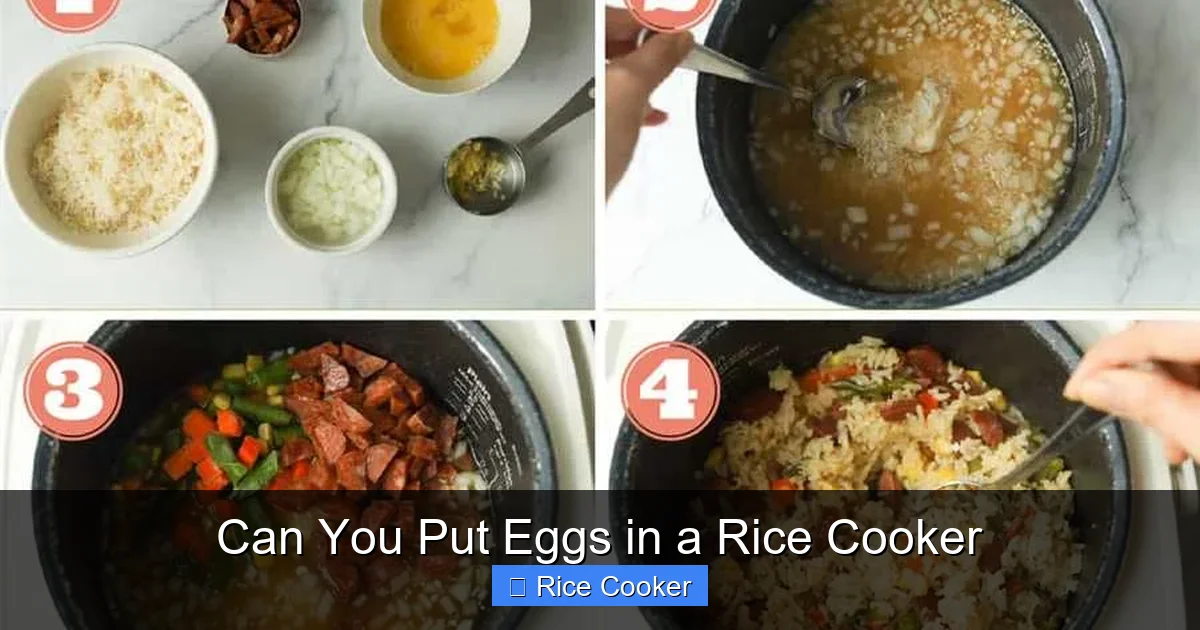
Yes, you absolutely can put eggs in a rice cooker—and it’s one of the simplest, most convenient ways to cook them at home. Whether you’re boiling, scrambling, or making fluffy omelets, your rice cooker can do it all with minimal effort. With just water and a little timing, you’ll get perfectly cooked eggs every time, no stove required.
Key Takeaways
- Yes, eggs can safely be cooked in a rice cooker—no need for a separate pot or stove burner.
- Boiling eggs is the most common method, requiring only water, a heat-safe container, and precise timing.
- Steaming soft-boiled or poached-style eggs is also possible with the right setup and timing.
- Scrambled or fried eggs can be made directly in the rice cooker bowl using non-stick spray or butter.
- Always use a heat-resistant container when adding eggs to the rice cooker to prevent cracking or damage.
- Timing varies by egg size and desired doneness—start checking around 6–8 minutes for soft-boiled.
- Rice cookers save energy and clean-up time while delivering consistent results for egg-based meals.
📑 Table of Contents
- Can You Put Eggs in a Rice Cooker? The Ultimate Guide to Easy, Hands-Off Cooking
- The Science Behind Cooking Eggs in a Rice Cooker
- How to Boil Eggs in a Rice Cooker
- Steaming Eggs for Soft-Boiled Perfection
- Scrambling and Frying Eggs in a Rice Cooker
- Meal Prep and Batch Cooking with Eggs in a Rice Cooker
- Safety Tips and Common Mistakes to Avoid
- Creative Recipes Using Eggs in a Rice Cooker
- Choosing the Right Rice Cooker for Egg Cooking
- Frequently Asked Questions
- Conclusion: Why Every Kitchen Needs This Hack
Can You Put Eggs in a Rice Cooker? The Ultimate Guide to Easy, Hands-Off Cooking
Have you ever been in the middle of cooking dinner, realized you’re out of eggs, or just wanted something quick and protein-packed without turning on the stove? If so, you’re not alone. But here’s a little secret: your rice cooker might already be the perfect tool for the job. Yes, you read that right—you can put eggs in a rice cooker. And not just any eggs—boiled, steamed, scrambled, even fried-style eggs can all be made with minimal effort, thanks to the steady, low-and-slow heat of a rice cooker.
Whether you’re meal prepping for the week, making breakfast for one, or just craving a warm, runny yolk to dip into your rice, this kitchen hack is a game-changer. In this complete guide, we’ll walk through everything you need to know about cooking eggs in a rice cooker—from basic boiling methods to creative recipes—so you can start enjoying perfectly cooked eggs anytime, anywhere.
The Science Behind Cooking Eggs in a Rice Cooker
Before we dive into the how-to, let’s talk about why this works. A rice cooker uses a combination of heating elements and a thermostat to maintain a consistent temperature—usually between 185°F and 212°F (85°C to 100°C), depending on the model. This steady heat is ideal for cooking eggs gently without overcooking them. Unlike direct flame or high heat, which can scramble an egg instantly or create rubbery whites, the rice cooker’s low, even warmth allows proteins in the egg to denature slowly, resulting in tender, uniform texture.
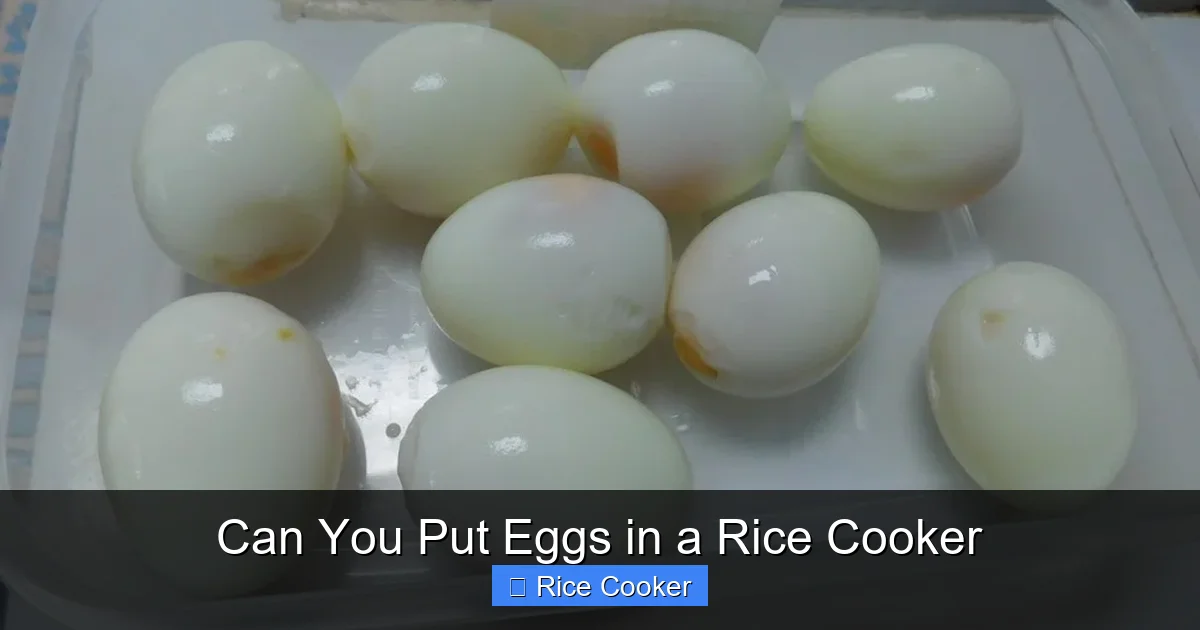
Visual guide about Can You Put Eggs in a Rice Cooker
Image source: thailand1dollarmeals.com
Another advantage is convenience. Once you set it up, the rice cooker does the rest. No constant stirring, monitoring, or babysitting required. Plus, because the cooking vessel is sealed, moisture is retained, which helps keep eggs moist and prevents them from drying out—even when overcooked.
Why People Love Using Rice Cookers for Eggs
- No extra pots or pans needed—just the rice cooker bowl.
- Energy-efficient compared to stovetop boiling.
- Perfect for batch cooking—make six eggs at once while your rice is cooking.
- Great for dorm rooms or small kitchens where space is limited.
How to Boil Eggs in a Rice Cooker
If you’ve never boiled eggs before, start here. Boiling is the simplest method, and with a rice cooker, it becomes almost effortless.
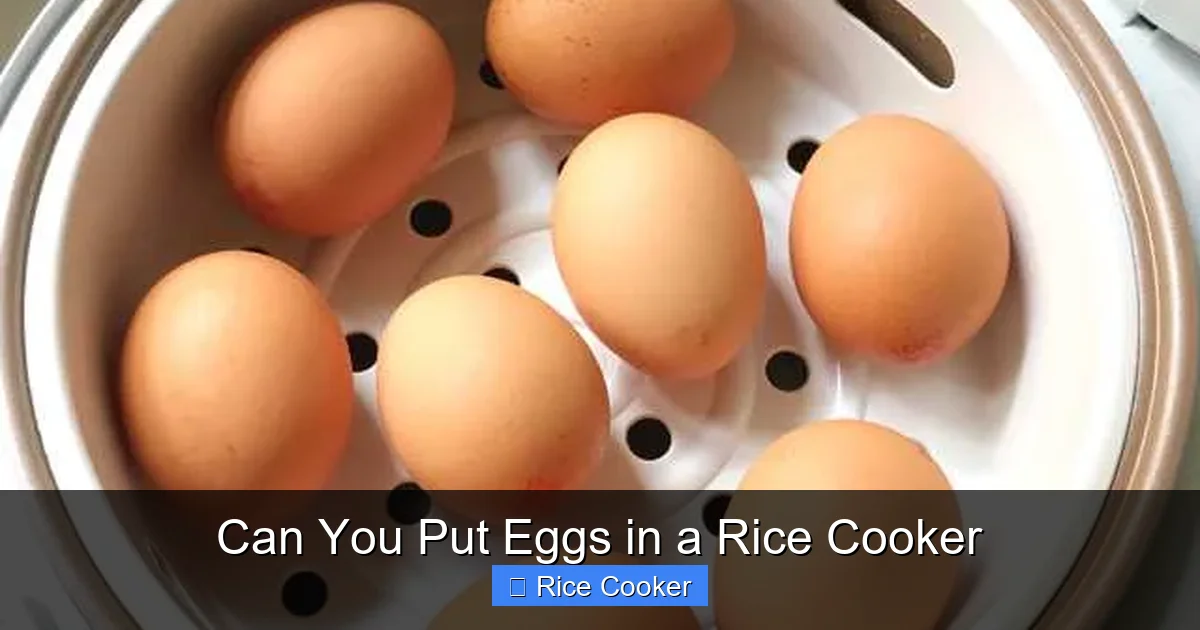
Visual guide about Can You Put Eggs in a Rice Cooker
Image source: metrocookingdallas.com
What You’ll Need
- Fresh eggs (fresher eggs are easier to peel)
- Water
- A heat-resistant container or egg boiler pod
- Tongs or spoon for removal
- Ice bath (optional, for easier peeling)
Step-by-Step Instructions
- Add water to the rice cooker: Pour about 1–2 inches of cold water into the inner pot. Too much water can dilute flavors, too little risks dry eggs.
- Place eggs in a container: Use a heat-safe bowl or an egg boiler pod designed for rice cookers. Make sure the container has enough room for the eggs to sit flat without touching each other.
- Submerge the container: Gently place the container into the water so the eggs are fully covered by about an inch of water above them.
- Close and cook: Secure the lid, plug in the rice cooker, and press “Cook” or “Boil” if available. Most models will automatically switch to “Keep Warm” once boiling begins.
- Set a timer: For soft-boiled eggs, aim for 6–7 minutes. Medium: 8–9 minutes. Hard-boiled: 10–12 minutes. Adjust based on egg size and preference.
- Cool quickly: Once done, remove the eggs immediately and transfer them to an ice bath for 1–2 minutes. This stops the cooking process and makes peeling easier.
Pro Tips
- Use older eggs for easier peeling—fresh eggs tend to stick to the shell.
- Tap the eggs gently on the counter before boiling to weaken the shell.
- Try a pressure setting if your rice cooker has one—it can reduce cooking time by 1–2 minutes.
Steaming Eggs for Soft-Boiled Perfection
If you prefer a more delicate texture—like the classic French soft-boiled egg with a runny yolk—steaming is the way to go. This method mimics a steamer basket and yields tender, custard-like results.
How to Steam Eggs in a Rice Cooker
- Fill the pot with 1/2 cup of water.
- Place a trivet or steamer basket inside, ensuring it’s stable and doesn’t touch the bottom.
- Crack one egg per serving** into small ramekins or silicone muffin cups.
- Cover the pot with a lid, leaving a small vent open if possible.
- Cook for 6–8 minutes for runny yolks (soft-boiled), or up to 10 minutes for firmer whites.
This method is ideal for making individual portions—perfect for toast dipping or ramen topping!
Bonus: Poached-Style Eggs
Want poached eggs without the splatter? Try this trick:
- Whisk 2 eggs in a small bowl until frothy.
- Pour into a greased muffin tin placed in the rice cooker.
- Cover and steam for 7–9 minutes.
- You’ll get gently set, cloud-like egg rounds—great for salads or English muffins.
Scrambling and Frying Eggs in a Rice Cooker
Forget the pan. Your rice cooker can make fluffy scrambled eggs or golden fried eggs too—no oil needed if you use a non-stick model.
Fluffy Scrambled Eggs
- Crack 2–4 eggs into the rice cooker bowl.
- Add a splash of milk or cream, salt, and pepper.
- Whisk well.
- Close the lid and cook on “Cook” mode for 6–8 minutes.
- Stir halfway through for even texture.
The gentle heat creates a creamy, custardy scramble—no flipping or scraping required.
Fried Eggs with Crispy Edges
- Lightly grease the bottom of the rice cooker bowl with butter or oil.
- Crack 1–2 eggs into the center.
- Cover and cook for 5–7 minutes on “Cook.”
- The yolk stays runny while the white sets into a crispy edge.
Serve over toast, rice, or hash browns for a satisfying breakfast.
Meal Prep and Batch Cooking with Eggs in a Rice Cooker
One of the biggest perks of using a rice cooker for eggs is its ability to handle multiple eggs at once—making it ideal for meal prep.
Make-Ahead Hard-Boiled Eggs
- Follow the boiling method above for 10–12 minutes.
- Cool completely in an ice bath.
- Store in the fridge for up to one week.
- Peel and add to salads, wraps, or grab-and-go snacks.
Batch-Scrambled Egg Cups
- Whisk 12 eggs with cheese, spinach, and diced ham.
- Pour into greased muffin tins inside the rice cooker.
- Cook for 10–12 minutes until set.
- Refrigerate and reheat in the microwave—perfect for weekday breakfasts.
Egg and Rice Bowls
Combine boiled eggs with cooked rice, veggies, and soy sauce for instant, nutritious bowls. Cook rice first, then add eggs to the pot during the last 2 minutes of rice cooking.
Safety Tips and Common Mistakes to Avoid
While cooking eggs in a rice cooker is safe and easy, there are a few things to watch out for.
Never Use a Metal Container in a Non-Stick Pot
Metal can scratch the coating and release harmful chemicals. Always use glass, ceramic, or silicone containers.
Don’t Overfill the Water
Too much water can lead to overflow or dilute flavors. Stick to 1–2 inches unless you’re steaming.
Avoid Rapid Temperature Changes
Placing a hot pot directly into cold water can cause cracks. Let it cool slightly before washing.
Check Egg Freshness
Old eggs may explode due to gas buildup. Use the float test: fresh eggs sink, old ones float.
Clean Immediately After Use
Egg residues can stain or smell if left. Rinse the pot while still warm.
Creative Recipes Using Eggs in a Rice Cooker
Once you’ve mastered the basics, the possibilities are endless.
Korean-Style Fried Rice with Eggs
- Cook rice in the rice cooker.
- Stir-fry with soy sauce, garlic, and veggies.
- Push ingredients to the sides.
- Crack an egg into the center and scramble under the lid for 5 minutes.
Japanese Tamagoyaki (Sweet Rolled Omelet)
- Whisk 3 eggs with sugar and mirin.
- Pour thin layers into the pot.
- Cook 2–3 minutes per layer, rolling as you go.
- Slice and serve with rice.
Egg Drop Soup (Instant Version)
- Cook chicken broth in the rice cooker.
- In a bowl, whisk 2 eggs with a splash of water.
- Slowly pour into simmering broth while stirring.
- Cook 2–3 minutes until thickened.
Deviled Eggs (Prep in Advance)
- Hard-boil eggs, peel, and slice.
- Mix yolks with mustard, vinegar, and paprika.
- Pipe back into halves and chill.
- Perfect for parties or lunches.
Choosing the Right Rice Cooker for Egg Cooking
Not all rice cookers are created equal when it comes to cooking eggs.
Best Features to Look For
- Non-stick inner pot: Makes cleanup easy and prevents sticking.
- Large capacity: At least 4–6 cups for batch cooking.
- Keep Warm function: Keeps eggs at safe temperature after cooking.
- Steaming tray compatibility: Enhances versatility.
Recommended Models
- Cuckoo CRP-HHP1010F**: High-tech with fuzzy logic and steam settings.
- Zojirushi Neuro Fuzzy**: Reliable, durable, and great for beginners.
- Black+Decker RC500**: Affordable and compact for small kitchens.
Frequently Asked Questions
How long do eggs take to cook in a rice cooker?
Soft-boiled: 6–7 minutes. Medium: 8–9 minutes. Hard-boiled: 10–12 minutes. Adjust based on size and preference.
Can I cook multiple eggs at once?
Yes! Just make sure they’re not stacked and have enough water around them.
Do I need special equipment?
Only a heat-resistant container or egg pod. Glass or silicone work best.
Are eggs safe to eat if left on “Keep Warm” overnight?
No. Eggs should not be left at room temperature for more than 2 hours. Always refrigerate promptly.
Can I make omelettes in a rice cooker?
Yes, but it’s harder to fold the edges. Best for frittatas or egg muffins instead.
Will my rice cooker break if I put eggs in it?
No, as long as you follow safety tips—especially using heat-safe containers and avoiding metal in non-stick pots.
Conclusion: Why Every Kitchen Needs This Hack
So, can you put eggs in a rice cooker? Absolutely. And now that you know how, you’ll wonder why you didn’t think of it sooner. From soft-boiled perfection to fluffy scrambles, your rice cooker is capable of so much more than just rice. It’s a versatile, energy-saving appliance that simplifies meal prep, reduces cleanup, and delivers consistent results every time.
Whether you’re cooking for one or feeding a family, this simple technique opens up a world of possibilities. Next time you’re craving eggs—without the hassle—reach for your rice cooker. You’ll be amazed at how easy and delicious it can be.
Happy cooking!
Frequently Asked Questions
How long do eggs take to cook in a rice cooker?
Soft-boiled: 6–7 minutes. Medium: 8–9 minutes. Hard-boiled: 10–12 minutes. Adjust based on size and preference.
Can I cook multiple eggs at once?
Yes! Just make sure they’re not stacked and have enough water around them.
Do I need special equipment?
Only a heat-resistant container or egg pod. Glass or silicone work best.
Are eggs safe to eat if left on “Keep Warm” overnight?
No. Eggs should not be left at room temperature for more than 2 hours. Always refrigerate promptly.
Can I make omelettes in a rice cooker?
Yes, but it’s harder to fold the edges. Best for frittatas or egg muffins instead.
Will my rice cooker break if I put eggs in it?
No, as long as you follow safety tips—especially using heat-safe containers and avoiding metal in non-stick pots.