
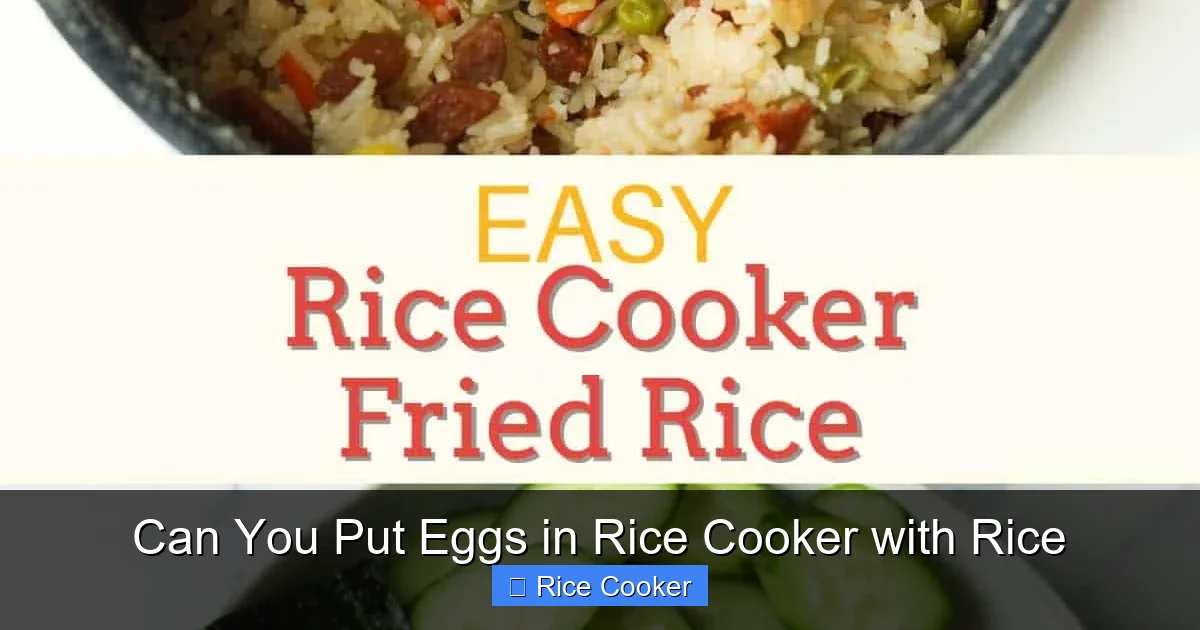
You absolutely can cook eggs in a rice cooker alongside rice, creating a simple, one-pot meal that’s both delicious and convenient. With the right technique, you’ll get perfectly cooked rice and soft-scrambled or poached eggs every time—no stovetop needed. This clever kitchen hack saves time, minimizes cleanup, and works great for families or solo eaters alike.
Key Takeaways
- Yes, it’s possible: Eggs and rice can be cooked together in a rice cooker using water displacement and steam release.
- Best egg styles: Scrambled, soft-boiled, or poached eggs work best; hard-boiled may overcook.
- Timing is key: Add eggs after the rice has finished cooking or during the warming phase to avoid mushy results.
- Use a heat-resistant dish: A small bowl or ramekin prevents eggs from floating or sticking to the cooker.
- Experiment with flavors: Add herbs, cheese, or soy sauce to elevate your egg-rice combo.
- Safety first: Always use clean utensils and ensure eggs are fresh to avoid foodborne illness.
- Great for meal prep: Cook rice ahead and reheat with eggs for quick breakfasts all week.
📑 Table of Contents
- Can You Put Eggs in Rice Cooker with Rice?
- Why Use a Rice Cooker for Cooking Eggs?
- How to Cook Eggs in a Rice Cooker with Rice
- Tips for Perfect Egg & Rice Combinations
- Egg Varieties You Can Cook in a Rice Cooker
- Common Mistakes to Avoid
- Creative Recipes Using Rice Cooker Egg + Rice Combos
- Frequently Asked Questions About Cooking Eggs in a Rice Cooker
Can You Put Eggs in Rice Cooker with Rice?
If you’re looking for a no-fuss way to make breakfast, lunch, or even dinner—without standing over a hot stove—the rice cooker might just become your new best friend. That’s right: you can definitely put eggs in a rice cooker with rice. In fact, this clever method combines two staple ingredients into one satisfying, hands-off meal. Whether you’re cooking for one or feeding a family, learning how to cook eggs alongside rice opens up a world of flavorful, efficient possibilities.
Rice cookers are designed to automate the process of boiling water and turning it off when the grains reach perfection. But did you know they also create the ideal environment for steaming eggs? The gentle residual heat and controlled moisture mean your rice stays fluffy while your eggs come out tender and custardy. It’s not magic—it’s science—and we’re here to walk you through everything you need to know.
Why Use a Rice Cooker for Cooking Eggs?
Let’s face it: traditional egg-cooking methods like frying or boiling require constant attention, greasy pans, and extra cleanup. With a rice cooker, you set it and forget it. Here’s why this kitchen gadget shines when it comes to cooking eggs:
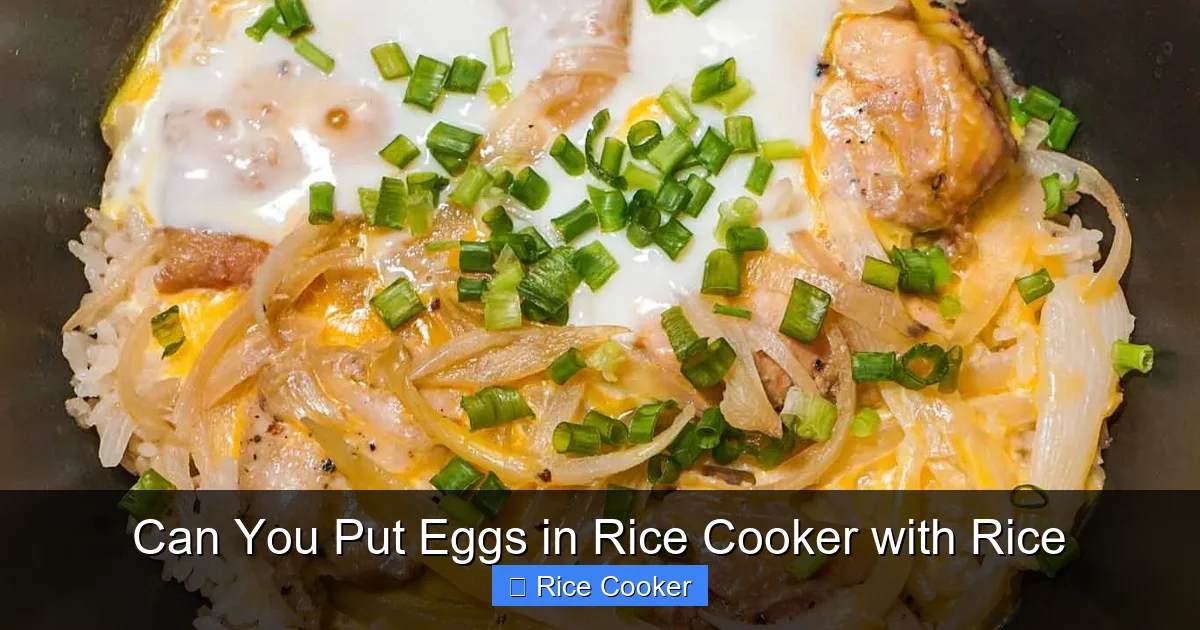
Visual guide about Can You Put Eggs in Rice Cooker with Rice
Image source: i.pinimg.com
- Even heat distribution: The rice cooker maintains consistent temperature, preventing eggs from scrambling too fast or becoming rubbery.
- Minimal effort: No stirring, flipping, or monitoring required.
- Less mess: Everything happens in one pot—no splattered oil or overflowing water.
- Energy efficient: Uses less power than an oven or stovetop.
- Multi-tasking made easy: While the rice cooks, you can prep other ingredients or even enjoy a quiet moment.
Plus, many modern rice cookers come with steam trays or multiple compartments, making dual-dish cooking even simpler. Even basic models work well if you follow a few key tips.
How to Cook Eggs in a Rice Cooker with Rice
Cooking eggs in a rice cooker isn’t about tossing raw egg mixture into the same pot as uncooked rice. It requires a bit of strategy to ensure both foods finish at the right time and texture. Below is a step-by-step guide for beginners.
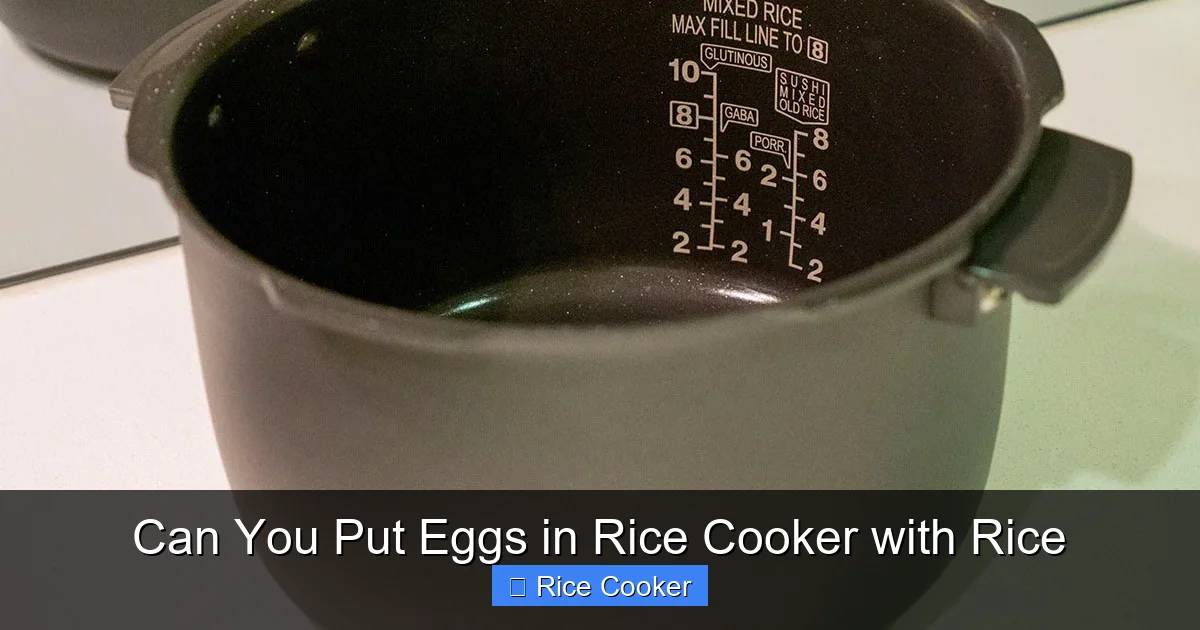
Visual guide about Can You Put Eggs in Rice Cooker with Rice
Image source: storables.com
Step 1: Start with Your Rice
Begin by preparing your rice as usual—rinse the grains, add them to the inner pot with the correct amount of water (usually 1:1.5 ratio for white rice), and insert into the cooker. Close the lid and press “Cook.” Most rice cookers will automatically switch to “Keep Warm” once done—typically within 20–40 minutes depending on the type and quantity.
For best results, let the rice cook fully before adding eggs. If you rush this step, the added moisture from the eggs could make your rice soggy.
Step 2: Prepare the Eggs
While the rice is cooking, crack 1–2 eggs into a small microwave-safe or heat-resistant bowl. Whisk lightly until blended but still slightly thick (not frothy). Avoid over-whisking, as this introduces too much air and leads to dry, spongy scrambled eggs.
If you prefer poached or soft-boiled eggs, place them gently in a ramekin filled with warm water (not boiling) and cover with a lid or plate to trap steam. For scrambled style, skip the water—just pour the whisked eggs directly into the bowl.
Step 3: Create a Steam Pocket
Once the rice cooker switches to “Keep Warm,” open the lid carefully (watch out for steam!) and place your prepared egg bowl inside. Make sure it doesn’t touch the sides or bottom directly. If your cooker has a steam tray, use that instead—it’s designed for this purpose.
Close the lid and let the residual heat do its work. Timing depends on desired doneness:
- Soft-scrambled eggs: 5–7 minutes
- Poached eggs (runny yolk): 6–8 minutes
- Hard-boiled eggs: Not recommended (they’ll overcook)
Check after 5 minutes and stir gently if using scrambled style. The goal is creamy, not curdled.
Step 4: Serve Immediately
Once your eggs reach the perfect texture, remove them quickly to prevent overcooking. Mix them into the warm rice or serve on top. Season with salt, pepper, soy sauce, or your favorite garnishes like scallions or sesame seeds.
Tips for Perfect Egg & Rice Combinations
Getting consistently great results takes practice—but these pro tips will help you nail it every time.
Choose Fresh Eggs
Older eggs can split easily when heated and may have weaker whites. Test freshness by placing an egg in a glass of water—if it sinks flat, it’s fresh. If it stands upright or floats, consider using it soon or opting for scrambled instead of poached.
Don’t Overfill the Cooker
Leave enough space for steam to circulate. Overcrowding traps moisture and raises internal temperature, which can overcook eggs or undercook rice.
Use a Non-Stick Bowl
A ceramic or silicone ramekin reduces sticking and makes cleanup easier. Glass bowls are fine too, but avoid metal unless labeled for high-heat use.
Experiment with Varieties
Try different rice types—jasmine adds fragrance, brown rice needs longer cooking time, and sushi rice pairs beautifully with savory eggs. You can also mix in vegetables like peas, corn, or diced bell peppers during the last few minutes of rice cooking.
Add Flavor Boosters
Drizzle a little olive oil or butter into the egg bowl before pouring. Sprinkle grated Parmesan, chili flakes, or smoked paprika for extra zing. A dash of fish sauce or tamari gives an umami kick that complements rice wonderfully.
Clean Up Like a Pro
Let the cooker cool completely before washing. Remove the inner pot and wash with warm soapy water. Most parts are dishwasher safe unless specified otherwise. Never immerse the base unit in water.
Egg Varieties You Can Cook in a Rice Cooker
Not all egg preparations are created equal when it comes to rice cookers. Some work better than others due to texture and cooking requirements.
Scrambled Eggs
This is arguably the most popular method. Lightly whisk eggs with a splash of milk or water (optional), then cook them using the keep-warm steam. They emerge tender, moist, and golden—perfect over warm rice.
Soft-Boiled Eggs
Drop whole eggs into a small container filled halfway with warm water. Cover and place in the rice cooker during the keep-warm phase. After 6–8 minutes, transfer to ice water to stop cooking. The yolk should be runny, the white just-set.
Poached Eggs
Similar to soft-boiled, but cracked directly into shallow water in a ramekin. Cover tightly and steam for 7–9 minutes. Great for topping fried rice or congee-style dishes.
Muffin-Tin Egg Cups
For meal prep lovers, try cracking eggs into greased muffin cups, placing them on a trivet, and steaming along with rice. Each cup becomes a portable mini-breakfast!
Avoid hard-boiled or fully scrambled eggs cooked together with raw rice—the extended heat will ruin both textures.
Common Mistakes to Avoid
Even experienced cooks occasionally slip up. Here’s what not to do when making egg-and-rice meals in your rice cooker.
Adding Eggs Too Early
If you add eggs before the rice finishes, they’ll cook unevenly and the rice may absorb too much moisture. Always wait until the rice cooker enters the keep-warm cycle.
Using Cold Water for Egg Prep
Cold eggs expand when heated rapidly, increasing risk of cracking. Room-temperature eggs (or briefly warmed ones) are safer and cook more evenly.
Covering the Egg Bowl Too Tightly
While covering helps retain steam, sealing it completely traps pressure and can cause splattering. Leave a tiny gap for ventilation.
Overcooking
Eggs continue cooking slightly after removal due to residual heat. Err on the side of underdone—you can always heat them a second time.
Skipping Stirring (for Scrambled)
For scrambled eggs, stir every minute during the final 3–4 minutes. This ensures uniform texture and prevents browning.
Creative Recipes Using Rice Cooker Egg + Rice Combos
Ready to level up your game? Try these inspired ideas:
Japanese-Style Tamago Kake Gohan
Whisk two eggs with mirin, soy sauce, and a pinch of sugar. Pour over freshly cooked jasmine rice in a bowl. Top with shredded nori and a sprinkle of bonito flakes for authentic flair.
Veggie-Packed Fried Rice
Sauté diced carrots, peas, and onions in a pan while rice cooks. Transfer veggies to the rice cooker with the finished rice. Add beaten eggs during keep-warm phase, then fold everything together.
Mexican Breakfast Burrito Base
Cook black beans with cumin and chili powder in the rice cooker (use the rice setting with extra liquid). Layer with scrambled eggs and salsa over warm rice. Roll in tortillas for grab-and-go meals.
Korean Bibimbap Style
Top rice with spinach, bean sprouts, and marinated mushrooms. Add a sunny-side-up egg (steamed separately for 5 mins). Drizzle with gochujang sauce and enjoy.
Simple Congee with Soft Egg
Make slow-cooked rice porridge (congee) by using a 1:6 rice-to-water ratio. Once thickened, stir in a whisked egg until creamy. Serve with pickled ginger and green onions.
Frequently Asked Questions About Cooking Eggs in a Rice Cooker
Still have questions? We’ve got answers.
Can I cook multiple eggs at once?
Absolutely! Just use individual ramekins or a larger shallow dish. Ensure there’s enough space for steam and avoid stacking containers.
Will the eggs taste like rice?
Only if you’re using plain water and no seasoning. To prevent flavor crossover, cover the egg bowl loosely or use a divider tray. Seasoning eggs beforehand masks any minor rice scent.
What if my rice cooker doesn’t have a keep-warm function?
Some older models only have “on/off” switches. In that case, cook rice first, turn off the machine, wait 2–3 minutes for heat retention, then add eggs and cover for 5–7 minutes.
Can I cook frozen rice?
Not recommended. Frozen rice lacks proper structure and may release excess starch, making eggs slimy. Always start with freshly cooked rice.
Is it safe to leave the rice cooker unattended?
Yes—that’s the whole point! Modern rice cookers are designed for safety. Just avoid opening the lid unnecessarily during cooking.
How long does it take total?
Approximately 30–45 minutes depending on rice type and egg style. Plan accordingly if you’re making breakfast on a tight schedule.
Frequently Asked Questions
Can I cook multiple eggs at once?
Yes, you can cook several eggs simultaneously by using separate ramekins or a larger shallow dish. Just make sure each container has enough space and isn’t stacked to allow steam circulation.
Will the eggs taste like rice?
Unlikely if you season the eggs beforehand or use a covered container. Without seasoning, trace amounts of rice flavor might transfer, especially with very plain preparations.
What if my rice cooker doesn’t have a keep-warm function?
Older models without automatic shutoff can still work—simply turn off the cooker after rice finishes, wait a few minutes for residual heat, then add eggs and cover for 5–7 minutes.
Can I cook frozen rice?
It’s not ideal. Frozen rice often breaks down and releases excess starch, which can make eggs watery or gluey. Always use freshly cooked rice for best results.
Is it safe to leave the rice cooker unattended?
Absolutely. Rice cookers are built to operate safely without supervision. Just avoid opening the lid frequently during cooking to maintain temperature and steam.
How long does it take total?
The entire process usually takes 30–45 minutes: 20–30 minutes for rice, plus 5–10 minutes for eggs during the warming phase. Adjust based on your model and preferences.