
Can you put eggs in a rice cooker? Absolutely! This clever kitchen hack lets you cook eggs quickly and easily without special equipment. From soft-boiled to scrambled, your rice cooker can do it all—saving time and energy.
Key Takeaways
- Rice cookers are versatile: Beyond rice, they can steam, boil, and even scramble eggs with minimal effort.
- Soft-boiled eggs are the easiest: Place eggs in the pot, add water, and cook on “Keep Warm” or “Boil” mode for 6–8 minutes.
- Scrambled eggs work too: Use the inner pot like a non-stick pan by cracking eggs into a bowl, mixing, and cooking slowly.
- No need for a separate steamer: Many rice cookers have built-in steam trays—perfect for poached or hard-boiled eggs.
- Safety first: Always use clean utensils and avoid cross-contamination when handling raw eggs.
- Perfect for meal prep: Cook multiple eggs at once for grab-and-go breakfasts or salads.
- Energy-efficient method: Using a rice cooker uses less electricity than stovetop or microwave alternatives.
📑 Table of Contents
- Can You Put Eggs in Rice Cooker? The Surprising Truth
- Why People Ask: Is It Safe?
- How Rice Cookers Work: A Quick Primer
- Cooking Soft-Boiled Eggs in a Rice Cooker
- Hard-Boiled Eggs: The Meal Prep Champion
- Scrambled Eggs: Yes, Really!
- Poached Eggs: Steamed to Perfection
- Tips for Perfect Eggs Every Time
- Common Mistakes to Avoid
- Creative Ways to Use Rice Cooker Eggs
- Energy Efficiency & Convenience
- Frequently Asked Questions About Cooking Eggs in a Rice Cooker
Can You Put Eggs in Rice Cooker? The Surprising Truth
Have you ever stared at a carton of fresh eggs, wondering what to make for breakfast, only to realize your rice cooker is sitting idle? Maybe you’re tired of the same old omelets or scrambled eggs every morning. Or perhaps you’re prepping meals for the week and want something quick, hands-off, and delicious.
Well, here’s a kitchen secret that might change everything: yes, you can definitely put eggs in a rice cooker. And not just any eggs—soft-boiled, hard-boiled, poached, and even scrambled eggs can all be made with minimal effort. In fact, many people don’t realize how versatile their rice cooker truly is. It’s not just for fluffy white rice anymore.
In this article, we’ll walk you through everything you need to know about cooking eggs in your rice cooker. From beginner-friendly techniques to pro tips for perfect results every time, you’ll learn why this method is a game-changer in the kitchen. Whether you’re a college student, a busy parent, or someone who loves experimenting with new recipes, this guide will show you how simple and efficient egg cooking can be—without sacrificing flavor or texture.
Why People Ask: Is It Safe?
Before we dive into the fun part, let’s address the elephant in the room: Is it safe to cook eggs in a rice cooker?
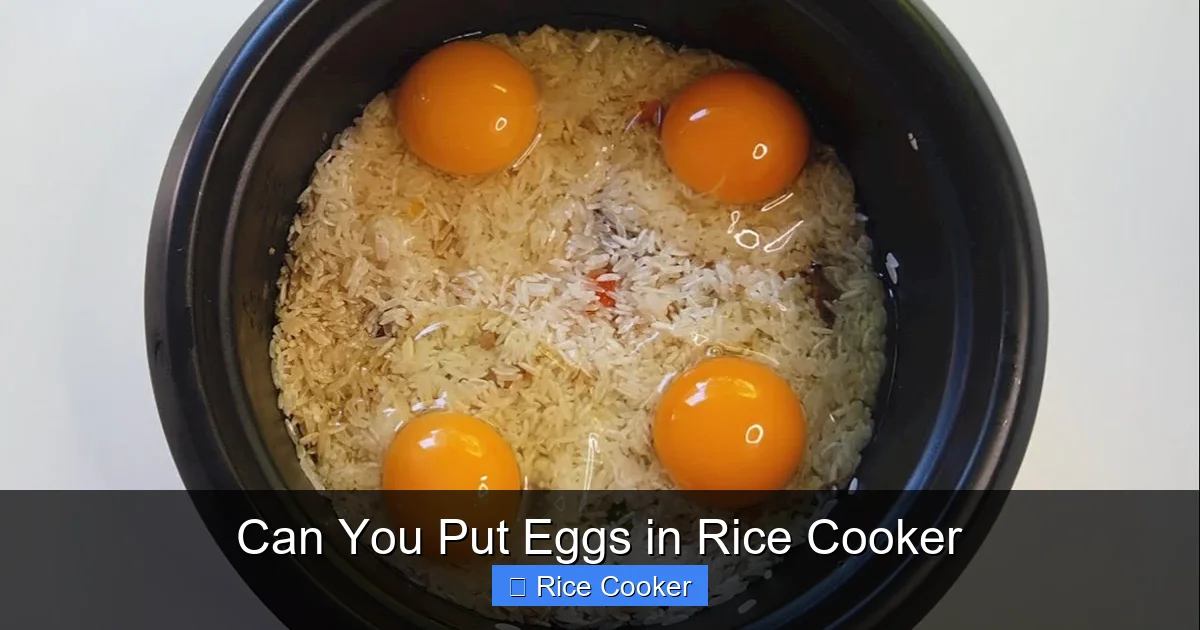
Visual guide about Can You Put Eggs in Rice Cooker
Image source: recipes.net
The short answer is yes, as long as you follow basic food safety rules. Rice cookers are designed to maintain high temperatures safely, and cooking eggs in them follows similar principles to boiling or steaming. However, there are a few precautions to keep in mind:
- Always use clean eggs and wash your hands before handling them.
- Avoid cracking eggs directly into the inner pot unless it’s non-stick and heat-safe.
- Don’t leave cooked eggs in the rice cooker for hours without refrigeration.
- Clean the inner pot thoroughly after use to prevent bacterial growth.
With these simple steps, you can enjoy safe, delicious eggs cooked right in your appliance. Plus, using a rice cooker means less mess and fewer dishes to clean!
How Rice Cookers Work: A Quick Primer
To understand why eggs work so well in a rice cooker, it helps to know a bit about how these appliances function.
Visual guide about Can You Put Eggs in Rice Cooker
Image source: i.pinimg.com
Most modern rice cookers operate using one of two modes: heating and keeping warm. When you set it to cook, it heats up to a high temperature (usually around 212°F or 100°C) to bring water to a boil. Once the water reaches that point, it switches to “keep warm” mode, maintaining a steady temperature without overcooking.
This dual-stage process is ideal for eggs because:
- It provides consistent heat—no hot spots or uneven cooking.
- The sealed environment traps steam, which gently cooks eggs without drying them out.
- You don’t need to monitor the pot constantly—just set it and forget it.
Some rice cookers also come with additional features like a steam tray, which sits above the water line and allows you to steam or poach eggs without submerging them. These models are especially convenient for beginners.
Cooking Soft-Boiled Eggs in a Rice Cooker
If you’ve ever craved a perfectly runny yolk with a firm white—think avocado toast or ramen garnish—soft-boiled eggs are your go-to. And guess what? They’re ridiculously easy to make in a rice cooker.
What You’ll Need:
- Fresh eggs (ideally within a week of being laid)
- Water
- Your rice cooker
- A slotted spoon or tongs
Step-by-Step Instructions:
- Add 1–2 inches of water to the inner pot of your rice cooker.
- Gently place eggs on top (don’t stack too many—they need room).
- Close the lid and turn the cooker on.
- Cook for 6–8 minutes, depending on how soft you like your yolk.
- Once done, transfer eggs to an ice bath to stop cooking and peel easily.
Pro Tip: For extra flavor, add a pinch of salt or a splash of vinegar to the water. Vinegar helps prevent cracking and makes peeling smoother.
This method yields tender whites and silky, creamy yolks every time. No guesswork, no babysitting the stove—just perfect eggs ready in under 10 minutes.
Hard-Boiled Eggs: The Meal Prep Champion
Want protein-packed snacks or lunches for the next few days? Hard-boiled eggs are a lifesaver. And yes, your rice cooker can handle them too—though they take a little longer.
Method 1: Full Submersion
Follow the same steps as soft-boiled, but cook for 12–15 minutes. The longer time ensures the entire egg is fully cooked.
Method 2: Steam Tray (If Available)
Place eggs in the steam tray, add water to the base, and cover. Steam for 15–18 minutes. This keeps eggs cleaner and reduces peeling mess.
After cooking, cool eggs in cold water for 5–10 minutes before peeling. Store peeled eggs in airtight containers with a bit of water to keep them fresh.
Bonus: Hard-boiled eggs from a rice cooker stay moist and never get rubbery—thanks to the controlled heat!
Scrambled Eggs: Yes, Really!
You heard that right—you can make scrambled eggs in a rice cooker. While it’s not the traditional method, it works surprisingly well if you adapt the technique.
Here’s How:
- Whisk 2–3 eggs in a bowl with salt, pepper, and a splash of milk or cream.
- Pour mixture into the inner pot (make sure it’s non-stick).
- Add 1 tablespoon of water to prevent sticking.
- Cover and cook on “Cook” mode for 4–6 minutes, stirring halfway.
- Switch to “Keep Warm” and let sit for another minute.
This low-and-slow approach creates creamy, custardy scrambled eggs—no flipping required!
Note: Don’t overfill the pot, and avoid metal utensils to protect the coating.
Poached Eggs: Steamed to Perfection
Poached eggs are delicate, golden orbs of yolk floating in clear liquid. Making them on the stovetop takes practice—but in a rice cooker, they’re foolproof.
Using the Steam Tray:
- Fill the base with 1–2 inches of water.
- Crack an egg into a small ramekin or cup.
- Lift the steam tray and gently slide the ramekin onto it.
- Cover and steam for 8–10 minutes.
The result? Fluffy whites with a jammy center—ideal for English muffins or grain bowls.
For multiple eggs, use individual cups or silicone molds to keep them separated.
Tips for Perfect Eggs Every Time
Even with the best tools, small details matter. Here are expert-approved tips to elevate your rice cooker egg game:
- Use room-temperature eggs: Cold eggs are more likely to crack. Let them sit out for 15–30 minutes before cooking.
- Don’t overcrowd: Too many eggs slow down cooking and create uneven textures.
- Experiment with timing: Start checking eggs at 6 minutes for soft-boiled—you can always add a minute.
- Clean immediately: Egg residue can stain the pot. Rinse while still warm.
- Try flavored water: Add garlic, herbs, or lemon zest to the cooking water for infused eggs.
Common Mistakes to Avoid
Newcomers often run into issues. Here’s how to dodge them:
- Overcooking: Eggs continue cooking slightly after turning off the heat. Plan for this by removing them early.
- Not cooling properly: Skipping the ice bath leads to overcooked eggs or difficult peeling.
- Using damaged eggs: Check for cracks before placing in water—even tiny ones can cause leaks.
- Ignoring the keep-warm cycle: Leaving eggs too long in warm mode dries them out.
Creative Ways to Use Rice Cooker Eggs
Eggs aren’t just for breakfast. Try these fun ideas:
- Breakfast burritos: Scramble eggs, add beans, cheese, and veggies, then roll in tortillas.
- Mediterranean bowls: Poach an egg over quinoa, spinach, feta, and olives.
- Deviled eggs: Boil eggs, slice, mix yolks with mayo and mustard, and serve chilled.
- Snack packs: Portion hard-boiled eggs with whole-grain crackers and hummus.
Energy Efficiency & Convenience
One underrated benefit? Cooking eggs in a rice cooker saves energy. Unlike the stove or microwave, rice cookers use minimal power and often shut off automatically. Plus, they’re great for batch cooking—perfect for meal prep lovers.
And since most rice cookers have insulated pots, you can keep eggs warm for up to an hour without reheating.
Frequently Asked Questions About Cooking Eggs in a Rice Cooker
Can I cook multiple eggs at once?
Yes! Just make sure they fit comfortably in the pot or steam tray. Avoid stacking more than 4–6 eggs for best results.
Do I need special rice cooker settings?
Most standard models work fine. Use “Cook” or “Boil” mode for submerged eggs, and “Steam” if available. No fancy settings needed.
Are eggs cooked in rice cookers safe to eat?
Absolutely—as long as the eggs are fresh and handled properly. Ensure internal temperature reaches 160°F (71°C) for safety.
Can I use frozen eggs?
Not recommended. Frozen eggs expand and may crack during cooking. Always use fresh or refrigerated eggs.
How do I prevent eggs from exploding?
Cracks cause explosions. Handle eggs gently, use room-temp ones, and avoid sudden temperature changes.
Can I cook other foods with eggs in the rice cooker?
Sure! Pair eggs with rice, steamed vegetables, or even soups. Just layer ingredients carefully to avoid mixing.
Frequently Asked Questions
Can I cook multiple eggs at once in a rice cooker?
Yes! Most rice cookers can handle 4–6 eggs comfortably, depending on size. Just ensure they’re not stacked too high to allow even cooking.
Do I need special rice cooker settings to cook eggs?
Not really. Use the “Cook” or “Boil” setting for submerged eggs, or “Steam” if your model has a steam tray. No advanced features are required.
Are eggs cooked in a rice cooker safe to eat?
Absolutely. As long as the eggs are fresh and cooked to at least 160°F internally, they’re safe. Follow proper hygiene practices to avoid contamination.
Can I use frozen eggs in my rice cooker?
It’s not ideal. Frozen eggs expand and may crack during cooking. Always use fresh or refrigerated eggs for best results.
How do I prevent eggs from cracking or exploding?
Handle eggs gently, use room-temperature ones, and avoid adding them directly to boiling water. A gentle placement prevents stress fractures.
Can I cook other foods along with eggs in the rice cooker?
Yes! Combine eggs with rice, steamed veggies, or even grains. Just plan the cooking order—eggs usually need less time than rice.