
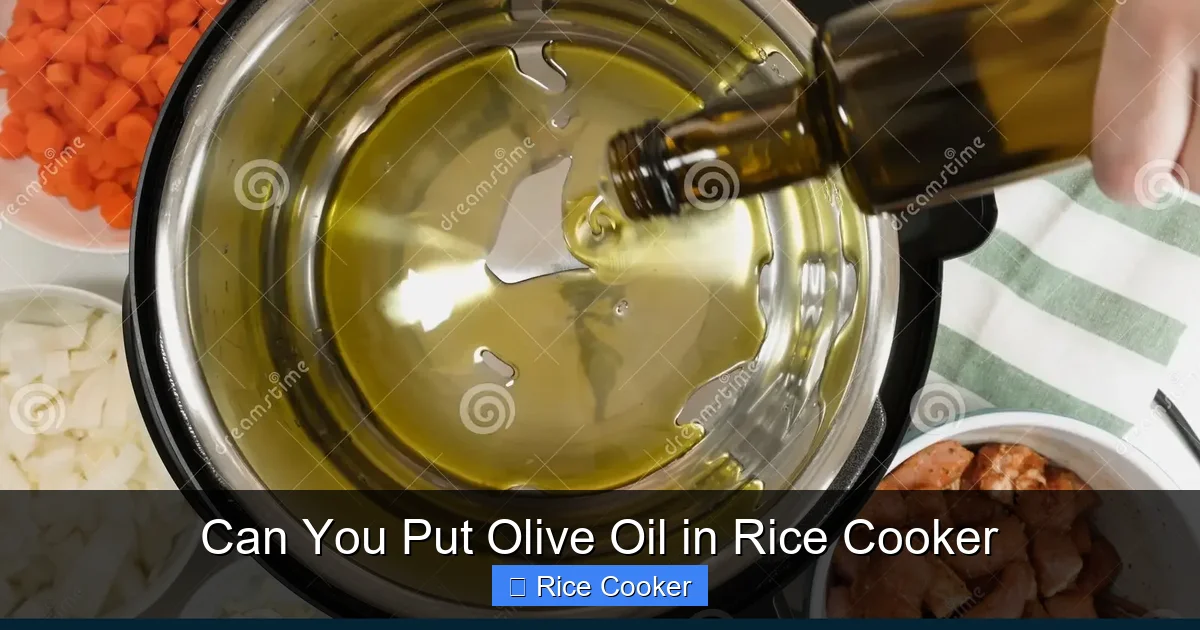
Can you put olive oil in a rice cooker? Absolutely! Adding olive oil during rice cooking enhances flavor, reduces stickiness, and boosts heart-healthy fats—all without extra effort. It’s a simple trick that transforms plain rice into a richer, more enjoyable side dish.
Have you ever wondered if there are ways to make your rice even better than just water and heat? If so, you’re not alone. Many home cooks seek small tweaks that deliver big results—especially when it comes to something as foundational as rice. One such question has been gaining popularity online: **can you put olive oil in rice cooker**? The answer is yes—and not only is it possible, but it might just elevate your next bowl of rice.
Cooking rice might seem simple, but getting that perfect balance of fluffy, separate grains with just the right amount of moisture takes practice. Some people swear by adding a pat of butter; others use coconut oil for subtle sweetness. But olive oil? That’s where things get interesting. Known for its bold flavor and health benefits, olive oil brings something unique to the table—literally. And because rice cookers are designed to absorb ingredients evenly, incorporating olive oil opens up new culinary possibilities.
In this guide, we’ll walk through everything you need to know about using olive oil in your rice cooker. From safety tips and measurement guidelines to flavor pairings and troubleshooting, you’ll learn how this simple addition can transform your everyday meal. Whether you’re preparing a quick weekday dinner or hosting guests, mastering this technique could be your secret weapon.
Key Takeaways
- Safety First: Most modern rice cookers safely handle small amounts of olive oil, but always check the manual to avoid damaging non-stick coatings or heating elements.
- Flavor & Texture Boost: Olive oil adds subtle richness and helps prevent rice from clumping, resulting in fluffier grains.
- Nutritional Upgrade: Using olive oil increases monounsaturated fats, supporting heart health and nutrient absorption.
- Best Practices: Use high-quality extra virgin olive oil and add it after rinsing rice—never substitute with butter or other oils for this purpose.
- Ideal Rice Types: Works best with long-grain varieties like basmati or jasmine; short-grain rice may become too soft or sticky.
- Amount Matters: Start with 1 teaspoon per cup of rice and adjust based on preference and recipe needs.
- Cleaning Tips: Clean the inner pot promptly after use since olive oil can leave residue if left to harden.
📑 Table of Contents
- Is It Safe to Add Olive Oil to Your Rice Cooker?
- Why Use Olive Oil Instead of Water Alone?
- How Much Olive Oil Should You Use?
- Step-by-Step Guide: Cooking Rice With Olive Oil
- What Types of Rice Work Best With Olive Oil?
- Troubleshooting Common Issues
- Cooking Ideas & Recipe Variations
- Environmental & Health Considerations
- Final Thoughts
Is It Safe to Add Olive Oil to Your Rice Cooker?
Before diving into recipes or techniques, let’s address the elephant in the room: Is it actually safe to pour olive oil directly into a rice cooker?
The short answer? Yes—but with some important caveats.
Most modern rice cookers come with a non-stick inner pot, which is usually coated with materials like titanium or ceramic. These coatings are designed to withstand normal cooking temperatures and occasional contact with fats. However, certain types of oil—like those high in acidity or subjected to extreme heat—might degrade the coating over time or create unpleasant odors.
Olive oil, especially extra virgin (EVOO), has a relatively low smoke point compared to refined oils like canola or avocado oil. But here’s the good news: When used in moderation and added after rinsing the rice (not before heating), EVOO won’t reach its smoke point during standard rice cooking cycles. This means it remains stable enough to enhance flavor without compromising safety.
Always consult your rice cooker’s user manual first. Some older models or budget units may lack proper ventilation or temperature control systems that could struggle with added fats. Also, avoid pouring large quantities at once—too much oil can pool at the bottom and potentially interfere with the sensor that detects when the rice is done.
So while it’s generally safe to add a few teaspoons of olive oil, treat it like any other ingredient: measure carefully, monitor closely, and clean thoroughly afterward.
Why Use Olive Oil Instead of Water Alone?

Visual guide about Can You Put Olive Oil in Rice Cooker
Image source: aboutoliveoil.org
Rice cookers are ingenious appliances built around one principle: precise moisture regulation. They measure water levels, heat accordingly, and shut off automatically when the liquid evaporates and the grains are cooked through. But what if you want more than just steamed perfection?
Adding olive oil introduces several advantages:
– **Enhanced Flavor Profile**: Unlike plain water, olive oil imparts a delicate nutty aroma and savory undertone that complements many dishes.
– **Improved Texture**: A thin layer of oil coats each grain, reducing starch adhesion and preventing clumping.
– **Healthier Option Than Butter**: While butter adds richness, it also contributes saturated fat. Olive oil offers heart-healthy monounsaturated fats instead.
– **Better Nutrient Absorption**: Fat-soluble vitamins (A, D, E, K) dissolve better in fat, meaning your body absorbs more nutrients when consumed alongside olive oil.
Of course, traditionalists argue that skipping oil preserves authenticity—especially in Asian cuisines where rice is typically boiled without added fats. But for Western palates or fusion meals, olive oil bridges cultural gaps beautifully.
Think of it this way: You wouldn’t cook pasta without salt—why would you cook rice without seasoning? Just like herbs and spices, oil serves as both enhancer and preservative. Plus, leftover rice stays fresher longer when lightly oiled due to reduced moisture loss.
How Much Olive Oil Should You Use?
Now for the practical part: How do you measure out the right amount?
Start conservatively. For every cup of uncooked white rice, try adding **1 teaspoon** of extra virgin olive oil. Brown rice, being denser, might benefit slightly more—but again, less is more. Overdoing it leads to greasy, soggy results rather than improved texture.
Here’s a quick reference chart:
| Rice Type | Cups Uncooked | Teaspoons Olive Oil |
|—————–|—————|———————|
| White Long Grain| 1 | 1 |
| Basmati | 1 | 1 |
| Jasmine | 1 | 1 |
| Brown Rice | 1 | 1–1.5 |
If you’re making a large batch (say, 2–3 cups), simply double or triple these amounts proportionally.
Pro tip: Never add oil directly to the hot inner pot unless instructed by your model’s manual. Instead, mix it with rinsed rice before transferring to the cooker. This ensures even distribution and avoids pooling.
Also remember that olive oil solidifies in cold temperatures. Don’t worry if it appears thick at room temperature—it will liquefy once heated during cooking.
Step-by-Step Guide: Cooking Rice With Olive Oil
Ready to give it a try? Follow these easy steps:
1. **Measure & Rinse**: Pour your desired amount of rice into a fine-mesh strainer. Rinse under cool water until the runoff runs clear—this removes excess starch and prevents gumminess.
2. **Combine Ingredients**: Transfer rinsed rice to a mixing bowl. Add measured olive oil and stir gently to coat all grains.
3. **Add Water**: Fill your rice cooker with water according to standard instructions (usually 1:1 ratio for white rice). Then transfer the oiled rice mixture into the inner pot.
4. **Set & Cook**: Close the lid, select your preferred setting (“White Rice” works fine), and press start.
5. **Let It Rest**: Once finished, let the rice sit covered for 5–10 minutes. This allows residual steam to finish hydrating the grains without drying them out.
6. **Fluff & Serve**: Gently fork through the rice before serving. Enjoy!
For added complexity, consider infusing the oil beforehand. Simply warm 2 tablespoons of EVOO with garlic slices, dried oregano, or lemon zest for 1 minute. Strain before using in step #2 above.
This method pairs excellently with Mediterranean dishes like grilled chicken, roasted vegetables, or hummus-based platters.
What Types of Rice Work Best With Olive Oil?
Not all rice varieties respond equally to added fats. Here’s a breakdown:
– **Long-Grain White Rice (Basmati, Jasmine)**: Ideal candidates. Their slender shape and low amylopectin content mean they hold individuality well even with light oil coating.
– **Brown Rice**: Can benefit from oil due to higher fiber content making it prone to dryness. However, watch timing—brown rice cooks slower, so ensure total liquid includes extra water if needed.
– **Sushi Rice**: Not recommended. Sushi relies on sticky texture achieved through precise water ratios and vinegar seasoning. Oil interferes with this chemistry.
– **Short-Grain Varieties (Arborio, Calrose)**: Generally avoided. These starches gel easily, and oil exacerbates stickiness—leading to mushy risotto-like consistency instead of distinct grains.
When in doubt, stick to long-grain whites. They offer versatility, mild flavor, and reliable performance across global cuisines.
Troubleshooting Common Issues
Even with careful preparation, mistakes happen. Here’s how to fix them:
– **Too Greasy?** Reduce oil quantity next time. Also, rinse rice thoroughly—oil combines poorly with excess surface starch.
– **Sticky Grains?** Ensure correct water-to-rice ratio. Too little liquid causes dryness; too much creates mush. Aim for visual cues: water should cover rice by ½ inch initially, then recede as it cooks.
– **Bitter Aftertaste?** Likely from low-quality oil. Always use certified extra virgin olive oil—not lampante or refined blends.
– **Oil Smells Burned?** Happens if oil pools beneath rice during heating. Always mix oil with dry grains first.
– **Inner Pot Staining?** Olive pigments can leave marks. Clean immediately with baking soda paste (½ tsp baking soda + water) before scrubbing.
Regular maintenance keeps your appliance looking new and functioning optimally.
Cooking Ideas & Recipe Variations
Want inspiration? Try these creative twists:
– **Garlic Herb Rice**: Infuse oil with minced garlic and thyme leaves before adding to rice. Perfect with salmon or lamb.
– **Lemon Citrus Blend**: Mix zest and juice of one lemon into oil. Pairs wonderfully with seafood or salads.
– **Mediterranean Bowl Base**: Cook rice with oil, cherry tomatoes, olives, and feta crumbles. Top with grilled veggies.
– **Spiced Pilaf**: Toast cumin, coriander, and paprika in oil before adding rice. Great with chickpeas or stewed meats.
– **Sweet Savory Fusion**: Combine oil with honey and cinnamon for breakfast porridge using leftover rice (reheat gently with milk).
Experimentation turns routine meals into adventures. Even plain rice becomes memorable when seasoned thoughtfully.
Environmental & Health Considerations
Beyond taste, olive oil aligns with modern wellness trends. Extra virgin versions contain antioxidants like oleocanthal, shown to reduce inflammation similarly to ibuprofen. Plus, sustainable farming practices support biodiversity and soil health.
Compared to processed alternatives (hydrogenated margarine, vegetable shortening), olive oil requires no artificial additives. It’s also biodegradable—making cleanup easier on the planet.
That said, cost matters. High-quality EVOO isn’t cheap. If budget constraints apply, reserve it for special occasions or use refined olive oil in everyday cooking (though flavor suffers).
Ultimately, small additions like this reflect mindful eating: maximizing nutrition, minimizing waste, and enjoying food deeply.
Final Thoughts
So, back to the original question: **can you put olive oil in rice cooker**? Yes—and doing so offers tangible benefits in flavor, texture, and nutrition. It’s not about replacing tradition but enhancing convenience with intentionality.
Don’t feel pressured to overhaul your entire kitchen routine overnight. Start with one batch, observe outcomes, and refine gradually. Soon, you’ll notice subtle shifts in how rice feels and tastes—and maybe even in how often you reach for that second helping.
Remember: Great cooking starts with curiosity. Whether you’re whipping up a family dinner or prepping meal-prep containers for the week, a little olive oil goes a long way.
Frequently Asked Questions
Can I use any type of olive oil in my rice cooker?
It’s best to use extra virgin olive oil for the richest flavor and highest antioxidant content. Avoid lampante or refined olive oils, which lack freshness and may produce off-flavors during cooking.
Will adding olive oil change the cooking time?
No significant change occurs. Rice cookers detect moisture levels regardless of added fats, so cooking duration remains consistent with standard settings.
Can I substitute butter or ghee instead of olive oil?
While technically possible, butter or ghee alters flavor dramatically and may smoke at higher temperatures. Olive oil provides a neutral yet distinctive profile ideal for most dishes.
Does olive oil prevent rice from sticking?
Yes! A thin film of oil coats each grain, reducing starch-to-starch contact. This results in visibly separated, fluffy rice instead of a sticky mass.
How do I clean my rice cooker after using olive oil?
Wipe the inner pot immediately with warm, soapy water. For stubborn stains, apply a paste of baking soda and water, let sit five minutes, then scrub gently with a soft sponge.
Can I add olive oil to brown rice in a rice cooker?
Absolutely! Brown rice benefits from added fat due to its fibrous nature. Use 1–1.5 teaspoons per cup and increase water slightly if needed to compensate for retained moisture.