
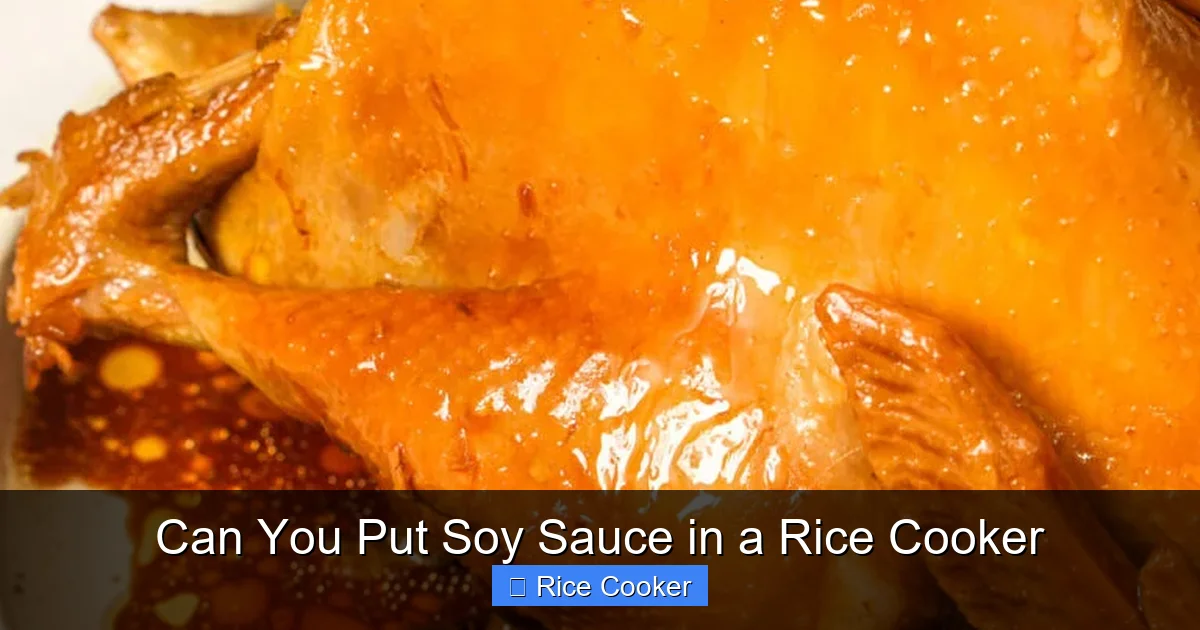
You can absolutely add soy sauce to your rice cooker—it’s a quick way to infuse your grains with savory umami flavor. Just mix it with water before cooking, or drizzle it over after for a tasty twist on plain rice. This method works great for sushi rice, fried rice, and even side dishes, making your meals more delicious without extra effort.
Key Takeaways
- Soy sauce adds flavor: It enhances the taste of rice with umami and saltiness, especially useful in Asian-inspired dishes.
- Best used in liquid form: Mix soy sauce with water or broth before adding to the rice cooker for even distribution.
- Use sparingly: Too much soy sauce can make rice too salty or sticky—start with 1–2 teaspoons per cup of rice.
- Works with different rice types: Ideal for short-grain rice (like sushi rice) but can be used in jasmine or basmati for extra depth.
- Pair with other ingredients: Combine soy sauce with garlic, ginger, sesame oil, or sugar for a richer flavor profile.
- Cleaning tip: Rinse the inner pot gently after use to prevent stains from soy sauce residue.
- Experiment safely: Try small batches first to find your perfect balance of salt and flavor.
📑 Table of Contents
- Can You Put Soy Sauce in a Rice Cooker? Yes—and Here’s How!
- Why Add Soy Sauce to Rice?
- How to Safely Add Soy Sauce to Your Rice Cooker
- What Types of Rice Work Best With Soy Sauce?
- Creative Ways to Use Soy Sauce in Your Rice Cooker
- Common Mistakes to Avoid
- Health Considerations and Alternatives
- Frequently Asked Questions
- Final Thoughts: Soy Sauce Is Your Secret Weapon
Can You Put Soy Sauce in a Rice Cooker? Yes—and Here’s How!
Rice is one of the most versatile foods on the planet. Whether you’re making fluffy jasmine rice, sticky sushi rice, or a hearty pilaf, the foundation is always simple: rice and water. But what if you could take that basic dish and turn it into something bold, savory, and full of flavor? That’s where soy sauce comes in—a kitchen staple in many Asian households that adds a deep umami punch to just about anything.
But here’s the big question: can you put soy sauce directly into a rice cooker? The short answer is yes—absolutely. And not only can you, but you might be amazed at how easy it is to transform plain white rice into something extraordinary. In this article, we’ll walk you through everything you need to know about using soy sauce in your rice cooker, from basic techniques to creative recipes. By the end, you’ll be ready to ditch the boring bowl of rice and serve up something delicious every time.
Why Add Soy Sauce to Rice?
Soy sauce isn’t just for dipping anymore. When added to rice, it does more than just season the grains—it enhances their natural texture and brings out subtle flavors that plain rice often lacks. The key lies in its two main components: salt and umami. Salt helps bring out the rice’s natural sweetness while enhancing other flavors, while umami (a savory, meaty taste) adds depth and complexity.
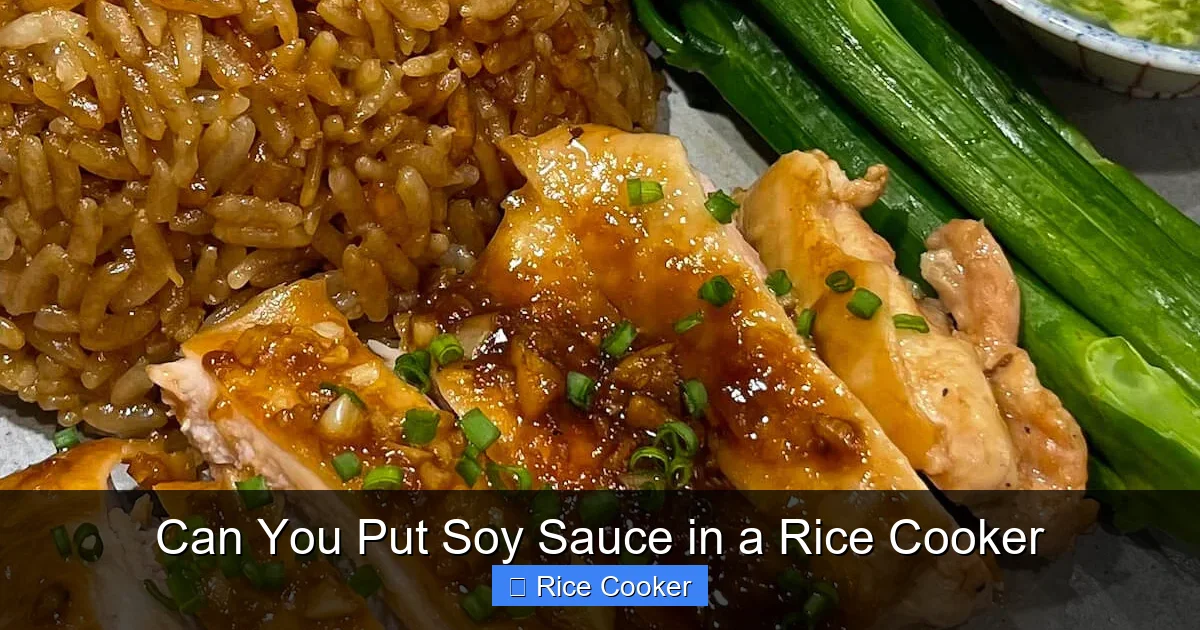
Visual guide about Can You Put Soy Sauce in a Rice Cooker
Image source: jasmineandtea.com
The Science Behind Flavor Infusion
When rice absorbs liquid during cooking, those liquids carry flavor directly into each grain. Soy sauce, being a liquid with concentrated flavor, seeps into the starchy interior of the rice as it cooks. This means every bite gets a consistent taste boost—no more guessing whether you got lucky with the flavor or not.
Common Uses for Soy Sauce-Rice
- Sushi rice: A classic example where soy sauce is often mixed with rice vinegar and sugar—but a splash of soy sauce can deepen the flavor even further.
- Fried rice: Adding soy sauce to cooked rice before stir-frying gives it a rich, savory base.
- Side dishes: Even plain steamed rice benefits from a light soy infusion when served with grilled meats or veggies.
- Vegan/vegetarian meals: Soy sauce acts as a plant-based protein enhancer, making rice feel more satisfying.
How to Safely Add Soy Sauce to Your Rice Cooker
Adding soy sauce to your rice cooker is simple, but there are a few best practices to follow so your rice turns out perfectly—not overly salty or mushy.
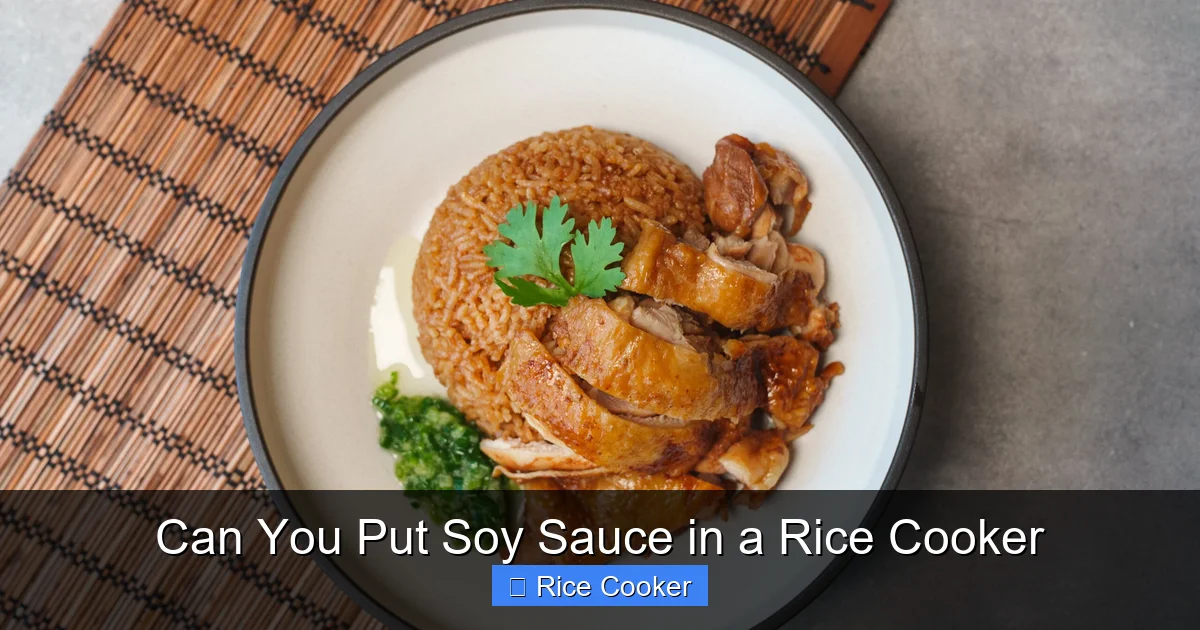
Visual guide about Can You Put Soy Sauce in a Rice Cooker
Image source: themeatmen.sg
Step-by-Step Guide
- Measure your rice: Start by rinsing 1 cup of rice under cold water until the water runs clear. This removes excess starch and prevents stickiness.
- Prepare the liquid mixture: For every 1 cup of rice, use 1¼ cups of water. Then add ½ to 1 teaspoon of soy sauce (adjust based on taste preference).
- Combine in the inner pot: Pour the rice, water, and soy sauce into the rice cooker pot. Gently stir to distribute the sauce evenly.
- Cook normally: Close the lid and press the “Cook” button. Most rice cookers will automatically switch to “Keep Warm” once done.
- Let it rest: After cooking, let the rice sit for 5–10 minutes with the lid closed. This allows flavors to settle and the rice to firm up.
- Fluff and serve: Use a fork to fluff the rice gently before serving. Taste and adjust with a little more soy sauce if needed.
Pro Tips for Perfect Results
- Don’t overdo it: Start with ½ teaspoon per cup of rice. You can always add more later, but you can’t take it away.
- Use low-sodium soy sauce: This gives you more control over the salt content and reduces the risk of oversalting.
- Add aromatics: Toss in a slice of ginger, a clove of garlic, or a sprig of scallion to the cooking liquid for extra aroma.
- Balance with sweetness: A tiny pinch of sugar or a dash of honey can counteract soy sauce’s bitterness and create a more rounded flavor.
What Types of Rice Work Best With Soy Sauce?
Not all rice varieties are created equal when it comes to soaking up flavor. Some absorb liquids better than others, which affects how well soy sauce seasons the grains.
Short-Grain Rice (e.g., Sushi Rice)
This is the gold standard for soy sauce-infused rice. Its high starch content makes it sticky and tender, allowing it to hold onto flavor beautifully. Short-grain rice is ideal for sushi, onigiri (rice balls), and Japanese-style fried rice.
Medium-Grain Rice (e.g., Calrose)
A close second to short-grain, medium-grain rice still absorbs flavor well and has a slightly softer texture. It’s commonly used in Korean bibimbap and American-style fried rice.
Long-Grain Rice (e.g., Jasmine, Basmati)
These varieties are less sticky and drain liquid faster, so soy sauce may not penetrate as deeply. However, you can still use them—just increase the amount of soy sauce slightly and consider adding it halfway through cooking for better absorption.
Brown Rice
Brown rice takes longer to cook and has a nuttier flavor, which pairs surprisingly well with soy sauce. Because it’s chewier, it can handle a bit more liquid and flavor. Just remember to extend the cooking time or use the “brown rice” setting on your cooker.
Creative Ways to Use Soy Sauce in Your Rice Cooker
Once you’ve mastered the basics, the possibilities are endless. Here are some fun and flavorful ways to elevate your rice with soy sauce.
Soy-Garlic Fried Rice
After cooking your soy sauce rice, spread it out on a tray to cool slightly. Then, heat oil in a wok or large pan, add minced garlic, diced carrots, peas, and your cooled rice. Stir-fry for 5–7 minutes, adding a splash of soy sauce and sesame oil at the end for shine and aroma.
Sesame-Soy Sushi Rice
In addition to soy sauce in the cooking liquid, mix 1 tablespoon of toasted sesame oil and 1 teaspoon of rice vinegar into the finished rice. This creates a fragrant, nutty base perfect for rolling sushi or making hand rolls.
Miso-Soy Glazed Rice
For an umami explosion, combine 1 teaspoon of miso paste with 1 teaspoon of soy sauce in the cooking liquid. This works especially well with short-grain rice and pairs beautifully with grilled salmon or tofu.
Spicy Sriracha Soy Rice
Mix 1 teaspoon of sriracha with soy sauce and a splash of water. Use this blend as your liquid instead of plain soy-water. Great for fans of bold, spicy flavors.
Sweet & Salty Soy Rice
Combine soy sauce with a teaspoon of brown sugar or maple syrup and a splash of apple cider vinegar. This sweet-and-sour profile is fantastic with roasted vegetables or stir-fried chicken.
Common Mistakes to Avoid
While soy sauce is a powerful flavor booster, there are a few common pitfalls that can ruin your rice—or at least make it less enjoyable.
Using Too Much Soy Sauce
One of the biggest errors is pouring too much soy sauce into the rice cooker. Since soy sauce is highly concentrated, a little goes a long way. Start small and taste as you go.
Not Rinsing the Rice
Skipping the rinse step leaves behind excess starch, which can make your rice gummy—especially when combined with salty liquids like soy sauce.
Ignoring the Ratio
Always maintain the right water-to-rice ratio. Too much liquid can result in mushy rice, while too little leads to dry, hard grains. Stick to the standard 1:1.25 ratio unless your rice cooker specifies otherwise.
Overcooking After Adding Soy Sauce
If you add soy sauce to already-cooked rice, avoid reheating it in the microwave or stove—this can make the rice gluey or unevenly seasoned. Instead, gently fold in more soy sauce at serving time.
Neglecting Cleanup
Soy sauce can stain the inner pot of your rice cooker. After use, rinse the pot with warm water and a soft sponge. Avoid steel wool or harsh scrubbers that can damage nonstick coatings.
Health Considerations and Alternatives
Soy sauce is generally safe for most people, but it’s worth noting that it contains a fair amount of sodium. If you’re watching your salt intake, consider these options.
Low-Sodium Soy Sauce
Available in most grocery stores, low-sodium soy sauce reduces sodium by up to 50% without sacrificing flavor. It’s a great alternative for heart-healthy diets.
Coconut Aminos
This soy-free condiment made from coconut sap offers a similar umami taste with less sodium and no gluten. It’s also a good option for those with soy allergies.
Tamari
A thicker, wheat-free soy sauce often preferred by people with gluten sensitivities. It has a richer flavor and darker color, so use it sparingly.
Homemade Seasoned Rice Mix
Create your own blend using rice vinegar, sugar, and a touch of soy sauce for sushi rice. Or mix olive oil, lemon zest, and a pinch of salt for Mediterranean-style rice.
Frequently Asked Questions
Can I put soy sauce directly on top of rice after cooking?
Yes, you can drizzle soy sauce over cooked rice, but it won’t absorb evenly like it would during cooking. For best results, mix it into the liquid from the start.
Will soy sauce make my rice too salty?
It depends on the amount used. Start with ½ teaspoon per cup of rice and taste before adding more. Low-sodium soy sauce helps reduce this risk.
Can I use soy sauce in a rice cooker with other ingredients?
Absolutely. Soy sauce pairs well with vegetables, proteins, and spices. Just ensure the total liquid volume stays within recommended ratios.
Is it okay to reuse the same soy-infused rice?
Yes, but refrigerate leftovers within 2 hours and reheat properly. Avoid reheating more than once to maintain texture and safety.
Can kids eat soy sauce rice?
Soy sauce rice is fine for most children, but check for soy or gluten allergies first. Also, limit salt intake for young kids.
Does soy sauce work with instant rice?
Yes, but instant rice already contains added seasonings, so use soy sauce cautiously to avoid over-seasoning.
Final Thoughts: Soy Sauce Is Your Secret Weapon
Adding soy sauce to your rice cooker isn’t just a shortcut—it’s a flavor upgrade that anyone can master. Whether you’re making sushi, fried rice, or simply want a more exciting side dish, soy sauce delivers bold, savory notes that transform ordinary rice into something special.
Remember, the key is moderation and experimentation. Start small, taste as you go, and don’t be afraid to mix in other ingredients like garlic, ginger, or sesame oil. Over time, you’ll develop a sense of what works best for your palate.
So next time you fire up your rice cooker, skip the plain old white rice. Grab that bottle of soy sauce and turn every meal into a flavorful adventure. Your taste buds (and your dinner guests) will thank you.
Frequently Asked Questions
Can I put soy sauce directly on top of rice after cooking?
Yes, you can drizzle soy sauce over cooked rice, but it won’t absorb evenly like it would during cooking. For best results, mix it into the liquid from the start.
Will soy sauce make my rice too salty?
It depends on the amount used. Start with ½ teaspoon per cup of rice and taste before adding more. Low-sodium soy sauce helps reduce this risk.
Can I use soy sauce in a rice cooker with other ingredients?
Absolutely. Soy sauce pairs well with vegetables, proteins, and spices. Just ensure the total liquid volume stays within recommended ratios.
Is it okay to reuse the same soy-infused rice?
Yes, but refrigerate leftovers within 2 hours and reheat properly. Avoid reheating more than once to maintain texture and safety.
Can kids eat soy sauce rice?
Soy sauce rice is fine for most children, but check for soy or gluten allergies first. Also, limit salt intake for young kids.
Does soy sauce work with instant rice?
Yes, but instant rice already contains added seasonings, so use soy sauce cautiously to avoid over-seasoning.