
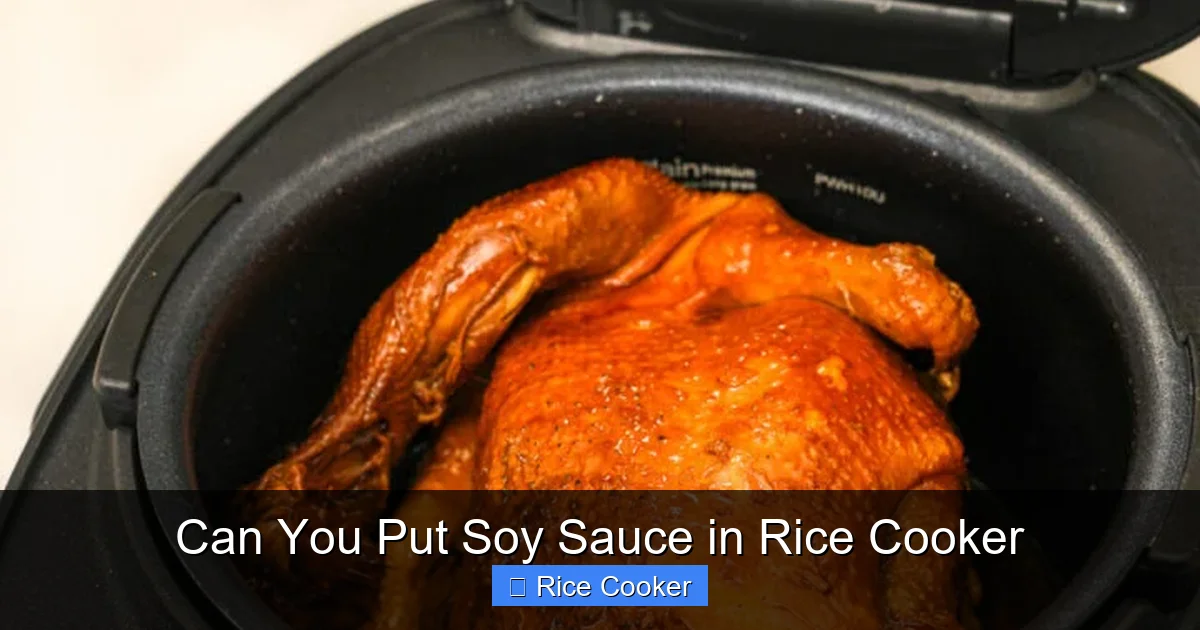
You absolutely can add soy sauce to your rice cooker—it’s a simple way to boost flavor without extra effort. Whether you’re making Japanese-style rice or experimenting with global cuisines, a splash of soy sauce adds umami depth that transforms plain grains into something extraordinary. This guide covers everything from ratios to safety tips, so you can cook smarter and tastier meals every time.
Key Takeaways
- Yes, it’s safe: Adding soy sauce to a rice cooker is perfectly safe and won’t damage the appliance when used in moderation.
- Flavor enhancement: Soy sauce adds rich umami, saltiness, and depth, transforming plain rice into a more complex dish.
- Simple technique: Just mix soy sauce with water or broth before adding it to the rice cooker with your grains.
- Perfect for fusion meals: Great for sushi rice, fried rice, bibimbap, and stir-fry bases.
- Watch the ratio: Use about 1–2 tablespoons per cup of rice to avoid overpowering the dish.
- Cooking tip: Combine soy sauce with garlic, ginger, or sesame oil for an even richer flavor profile.
- Cleaning note: Clean your rice cooker promptly after use to prevent residue buildup from soy sauce.
📑 Table of Contents
- Can You Put Soy Sauce in Rice Cooker? The Simple Answer (and Why It Works)
- Why Soy Sauce Belongs in Your Rice Cooker
- How to Safely Add Soy Sauce to Your Rice Cooker
- Best Types of Rice for Soy Sauce Infusion
- Creative Ways to Use Soy Sauce in Your Rice Cooker
- Common Mistakes to Avoid
- Health and Safety Tips
- Cleaning Your Rice Cooker After Using Soy Sauce
- Final Thoughts: Soy Sauce in the Rice Cooker Is a Game Changer
Can You Put Soy Sauce in Rice Cooker? The Simple Answer (and Why It Works)
Have you ever stared at a pot of plain, fluffy white rice, wondering how to make it taste like something special? Maybe you’re prepping for a stir-fry, making sushi, or just craving a bowl of warm, savory rice that hits the spot. If so, here’s a game-changing idea: yes, you can absolutely put soy sauce in a rice cooker, and it might be one of the easiest ways to elevate your meals.
Using soy sauce in your rice cooker isn’t just a kitchen hack—it’s a flavor shortcut. Instead of seasoning rice after cooking, you infuse the entire grain with deliciousness while it cooks. Think of it as giving your rice a head start on becoming a star player in your next meal. Whether you’re cooking jasmine rice, brown rice, or even quinoa in your rice cooker, a little soy sauce goes a long way.
But before you start dumping bottles into your cooker, let’s break down what you need to know. From proper ratios to safety tips, we’ll walk through everything so you can confidently add soy sauce to your rice cooker with confidence—and delicious results every time.
Why Soy Sauce Belongs in Your Rice Cooker
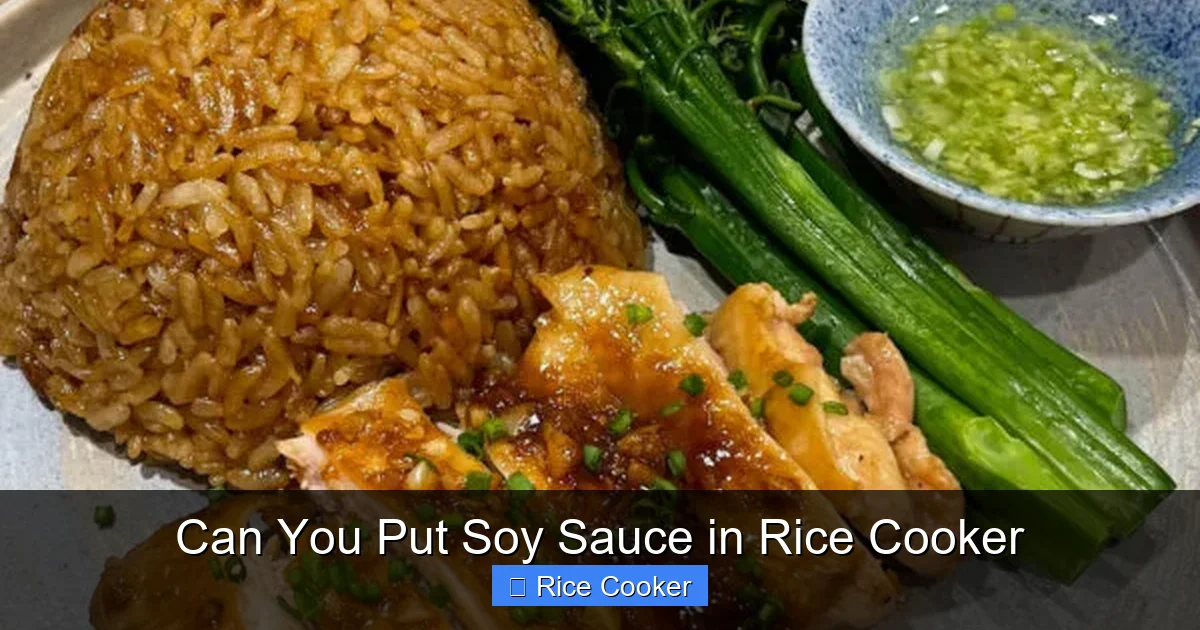
Visual guide about Can You Put Soy Sauce in Rice Cooker
Image source: jasmineandtea.com
Soy sauce brings more than just salt to the table. It’s packed with umami—the fifth taste sensation—that makes food deeply satisfying. When you add soy sauce to your rice cooker, you’re not just salting the rice; you’re layering in savory, fermented goodness that enhances every bite. This works especially well with Asian-inspired dishes, but don’t stop there—you can get creative!
Umami Powerhouse
Soy sauce is made from fermented soybeans, wheat, salt, and water. That fermentation process creates complex flavors that naturally complement rice. Unlike plain salt, soy sauce adds depth, richness, and a subtle sweetness that balances out the starchiness of rice. It’s like giving your grains a gourmet upgrade without extra steps.
Convenience Factor
One of the best parts? You don’t have to wait until the rice is done to add seasoning. By mixing soy sauce into the cooking liquid, the rice absorbs all those flavors during the steaming process. That means less stirring, less risk of burning, and more hands-off cooking.
Versatility Beyond Sushi
While many people think of soy sauce only for sushi rice, its uses go far beyond. Try it in:
- Fried rice (add it early so flavors blend)
- Bibimbap (mix with gochujang and sesame oil)
- Miso soup bases (combine with dashi and tofu)
- Stir-fries (use the cooked rice as a base)
The possibilities are endless when you unlock the power of soy-infused rice.
How to Safely Add Soy Sauce to Your Rice Cooker
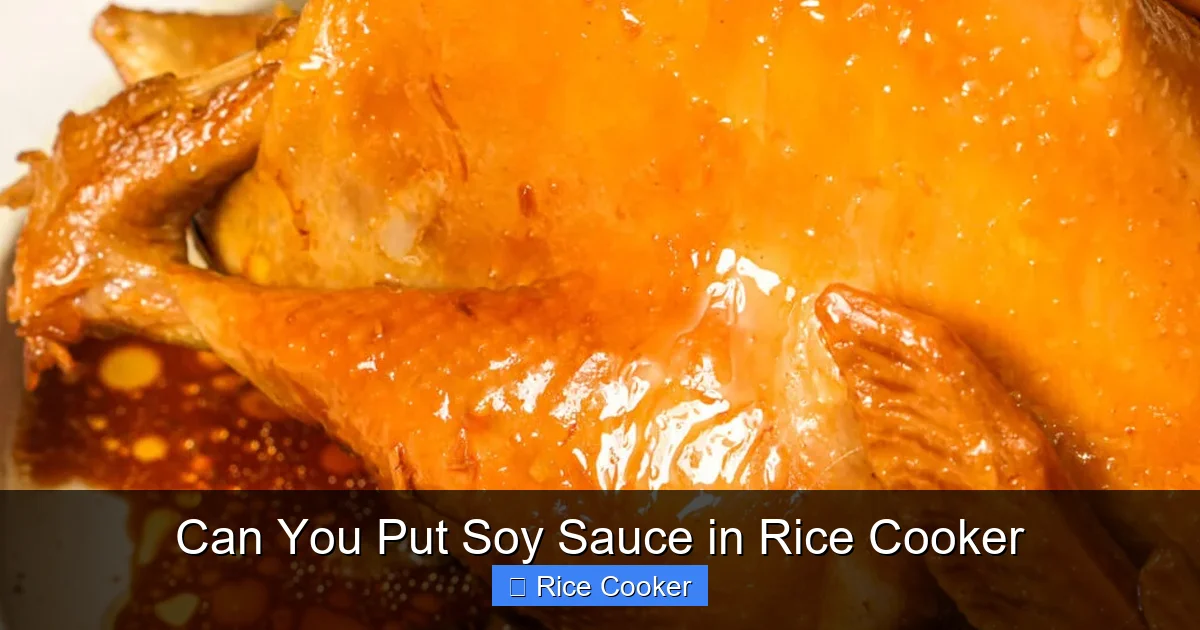
Visual guide about Can You Put Soy Sauce in Rice Cooker
Image source: onehappybite.com
Now that you’re convinced, let’s talk technique. Adding soy sauce to your rice cooker is simple, but doing it right ensures great taste and protects your appliance.
Choose the Right Ratio
Too much soy sauce can make your rice too salty or leave a bitter aftertaste. As a general rule, use:
- 1 tablespoon of soy sauce per 1 cup of uncooked rice
- For 2 cups: 2 tablespoons
- For 3 cups: 3 tablespoons
If you’re using low-sodium soy sauce, stick to the same amount—it’s already diluted, so you don’t need to adjust much.
Mix Before Adding
Don’t pour soy sauce directly onto dry rice. Instead:
- Add your rice to the inner pot.
- Pour in your measured water or broth.
- Then gently stir in the soy sauce.
- Give it a light stir to distribute evenly.
This helps prevent clumping and ensures consistent flavor throughout.
Use Quality Ingredients
Not all soy sauces are created equal. For the best results, use a high-quality dark soy sauce or tamari for richer flavor. Avoid cheap, overly processed brands that may contain excessive additives or lack depth.
Best Types of Rice for Soy Sauce Infusion
Not all rice varieties absorb liquid the same way. Some are better suited for soy sauce than others.
Jasmine Rice
Light, slightly sticky, and fragrant—jasmine rice is perfect for sushi and Thai dishes. Its natural floral notes pair beautifully with soy sauce’s umami kick.
Long-Grain White Rice
The most common type in rice cookers. It absorbs liquid evenly and stays separate after cooking, making it ideal for fried rice or side dishes.
Basmatic Rice
Known for its nutty aroma and soft texture, basmati works well with soy sauce when combined with aromatic ingredients like onions or garlic.
Brown Rice
Slightly chewier and nuttier, brown rice holds up well to soy sauce but may need a bit more liquid (about 1.5 cups per cup of rice instead of 1.5).
Avoid Short-Grain Varieties for Heavy Saucing
While short-grain rice (like sushi rice) can handle soy sauce, avoid overloading it—these grains tend to become mushy if too much liquid is added.
Creative Ways to Use Soy Sauce in Your Rice Cooker
Ready to level up your meals? Here are some fun, flavorful ideas using soy sauce in the rice cooker.
Sushi Rice Perfection
Make restaurant-quality sushi rice at home:
- 1 cup short-grain sushi rice
- 1¼ cups water
- 1½ tablespoons rice vinegar
- 1 tablespoon sugar
- 1 tablespoon soy sauce
Cook as usual, then fluff and cool before rolling.
Savory Garlic Fried Rice
Turn leftover rice into a quick dinner:
- 2 cups cooked rice (day-old works best)
- 2 tbsp soy sauce
- 1 tbsp sesame oil
- 2 cloves minced garlic
- 1 green onion, chopped
Add rice to the rice cooker, mix in soy sauce and sesame oil, cover, and heat on “Warm” mode for 5–7 minutes. Stir before serving.
Spicy Korean Bibimbap Base
Build a flavorful base for bibimbap:
- 1 cup short-grain rice
- 1 cup water
- 1 tbsp soy sauce
- 1 tsp gochujang
- 1 clove garlic, minced
- Drizzle of sesame oil after cooking
Let the rice soak up the bold Korean flavors while it steams.
Teriyaki-Infused Rice
Skip the store-bought teriyaki and make it yourself:
- 1 cup rice
- 1¼ cups water
- 2 tbsp soy sauce
- 1 tbsp mirin
- 1 tsp honey
Combine all ingredients, cook normally, and serve over grilled chicken or tofu.
Common Mistakes to Avoid
Even with the best intentions, things can go wrong. Here’s how to sidestep common pitfalls.
Overdoing the Soy Sauce
Too much soy sauce = overly salty or bitter rice. Stick to the 1:1 ratio (tbsp per cup) and taste a small sample before serving.
Not Mixing Well
Uneven distribution leads to pockets of strong flavor. Always stir the soy sauce into the water first, then add to the rice.
Using Soy Sauce as a Substitute for Salt
Soy sauce contains sodium and flavor compounds, but it’s not a 1:1 replacement for salt. Adjust accordingly based on your recipe.
Neglecting to Clean the Inner Pot
Soy sauce can leave dark stains or sticky residue. Rinse the inner pot immediately after use, and wash with warm, soapy water. For stubborn spots, soak in warm water with baking soda.
Skipping the Water Adjustment
Some people worry that soy sauce replaces water, but it doesn’t. Always keep your standard water-to-rice ratio and add soy sauce as a separate ingredient.
Health and Safety Tips
Using soy sauce in your rice cooker is safe—but let’s keep it smart.
Moderation Is Key
Excessive soy sauce increases sodium intake. If you’re watching your salt, opt for low-sodium soy sauce and limit to 1 teaspoon per cup of rice.
Avoid Metal Contamination
Most rice cookers have non-stick inner pots. While soy sauce won’t harm them, avoid metal utensils that could scratch the surface. Use silicone or wooden spoons.
Check Expiration Dates
Old soy sauce can develop off-flavors or mold. Always use fresh, properly sealed bottles.
Storage After Cooking
Leftover soy-seasoned rice should be refrigerated within 2 hours and eaten within 3 days. Label containers clearly to avoid confusion.
Allergen Awareness
Soy sauce contains soy and wheat (in traditional versions). Always check labels if you have allergies. Gluten-free tamari is a great alternative.
Cleaning Your Rice Cooker After Using Soy Sauce
Soy sauce leaves behind dark stains and sticky film if not cleaned properly. Follow these steps for a sparkling clean cooker:
Step-by-Step Cleaning
- Unplug and let the rice cooker cool completely.
- Rinse the inner pot under warm water to remove loose particles.
- Soak in warm, soapy water for 10–15 minutes.
- Scrub gently with a soft sponge—avoid abrasive pads.
- For tough stains, sprinkle baking soda on the bottom and scrub.
- Rinse thoroughly and wipe the exterior with a damp cloth.
- Reassemble and air-dry before storing.
Prevent Future Stains
To keep your rice cooker looking new:
- Clean it immediately after each use.
- Use a drop of dish soap directly on the stain before soaking.
- Store with the lid slightly open to allow moisture to escape.
Final Thoughts: Soy Sauce in the Rice Cooker Is a Game Changer
So, can you put soy sauce in a rice cooker? Absolutely. With just a few tablespoons, you transform ordinary rice into something bold, flavorful, and ready to shine in any meal. Whether you’re making sushi, fried rice, or a comforting bowl of seasoned grains, this simple trick saves time and boosts taste.
The beauty lies in its simplicity. No extra pans, no last-minute seasoning—just add, cook, and enjoy. And the best part? You’re not limited to one dish. From Korean-inspired bowls to teriyaki-glazed proteins, soy-infused rice opens doors to endless culinary creativity.
Remember: balance is key. A little soy sauce does wonders, but too much can overwhelm. Stick to the ratios, mix well, and clean up promptly. Then sit back and enjoy the delicious results.
Next time you’re cooking rice, skip the plain version. Reach for that soy sauce bottle and give your grains the flavor boost they deserve. Your taste buds will thank you—and your guests will ask for seconds.
Frequently Asked Questions
Can I use soy sauce instead of salt in my rice cooker?
No, soy sauce isn’t a direct substitute for salt. While it contains sodium, it also adds umami and other flavors. Use it in addition to—or instead of—salt, depending on your recipe’s needs.
Will soy sauce make my rice sticky?
Not if used correctly. Soy sauce doesn’t affect rice texture significantly. However, over-mixing or using too much liquid can lead to stickiness. Stick to the standard water ratio and stir gently.
Is it okay to add soy sauce to brown rice in a rice cooker?
Yes! Brown rice can handle soy sauce just fine. Just remember it absorbs liquid differently—use slightly more water (about 1.5 cups per cup of rice) and adjust soy sauce to taste.
Can I add soy sauce to instant rice or microwaveable packets?
No, soy sauce won’t mix evenly with pre-packaged instant rice. It works best in traditional rice cookers where you can control the liquid mixture.
Does soy sauce affect the cooking time in a rice cooker?
No, soy sauce doesn’t change the cooking time. The rice cooker relies on steam and heat, not flavor agents, so your rice will cook in the same amount of time as usual.
How do I remove soy sauce stains from my rice cooker?
Soak the inner pot in warm, soapy water with a pinch of baking soda. Scrub gently with a soft sponge. For stubborn stains, boil water with a drop of dish soap in the pot for 10 minutes, then wipe clean.