
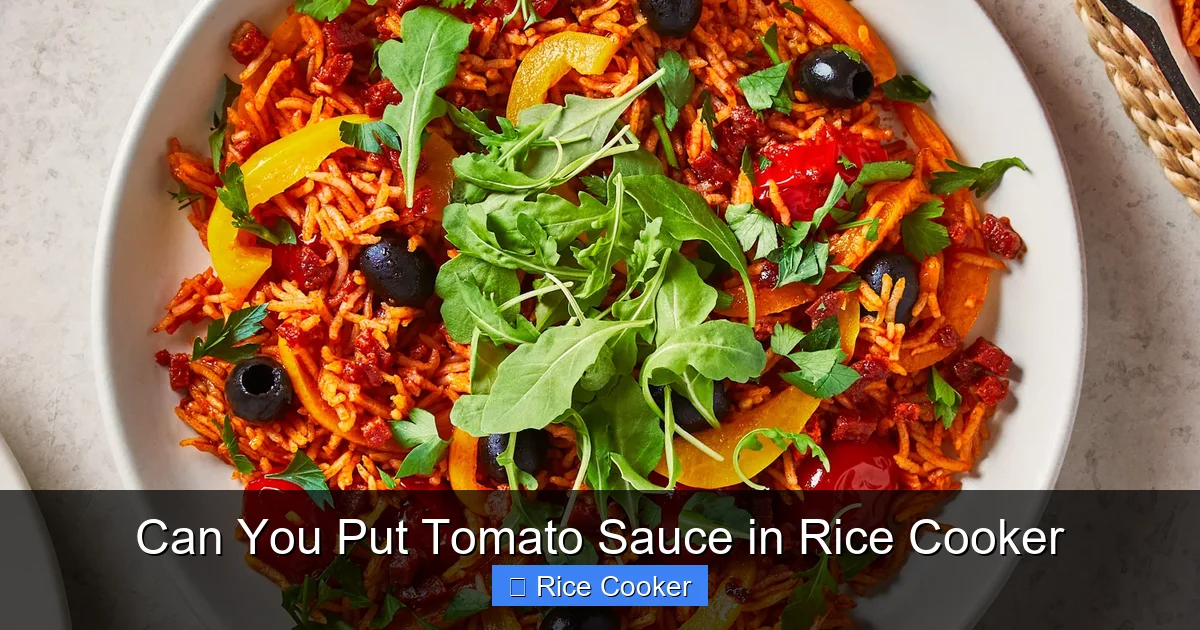
You absolutely can put tomato sauce in your rice cooker—it’s not only possible but also a quick way to make delicious, hands-off meals. From creamy risotto-style dishes to hearty grain bowls, the rice cooker handles tomato-based sauces beautifully. With the right technique, you’ll get tender grains and rich flavors without watching the stove.
Key Takeaways
- Yes, tomato sauce works perfectly in rice cookers. The appliance’s automated cooking cycle ensures even heat distribution, making it ideal for saucy dishes.
- It saves time and effort. Just add ingredients and press “cook”—no stirring or babysitting required.
- Popular uses include risotto, pilafs, and grain bowls. Tomato sauce adds moisture and flavor while keeping grains soft and fluffy.
- Choose low-acid or pre-cooked tomato sauce. This prevents overcooking and maintains texture.
- Customize with herbs, spices, and proteins. Boost flavor by adding garlic, basil, chicken, or beans.
- Clean-up is easy. Most rice cooker pots are non-stick and dishwasher-safe.
- Experiment with ratios. Start with equal parts rice and tomato sauce, then adjust to taste.
📑 Table of Contents
- Can You Put Tomato Sauce in Rice Cooker?
- Why Use Tomato Sauce in a Rice Cooker?
- Types of Rice Best Paired with Tomato Sauce
- Step-by-Step Guide: How to Cook Rice with Tomato Sauce
- Creative Ways to Use Tomato Sauce in Your Rice Cooker
- Tips for Perfect Tomato Sauce Rice Every Time
- Common Mistakes to Avoid
- Health Benefits of Tomato-Based Rice Dishes
- Frequently Asked Questions
Can You Put Tomato Sauce in Rice Cooker?
Imagine coming home after a long day, hungry and tired. Instead of standing over the stove for an hour, you simply toss some rice and tomato sauce into your rice cooker, press a button, and walk away. Thirty minutes later, you’re enjoying a warm, comforting bowl of creamy tomato-infused rice—no stress, no mess. That’s the magic of using a rice cooker for more than just plain white or brown rice. Yes, you can definitely put tomato sauce in a rice cooker, and doing so opens up a world of flavorful, easy-to-make meals that are perfect for busy weeknights or cozy weekends at home.
The rice cooker isn’t just for basic grains anymore. Modern appliances come with multiple settings—like slow cook, steam, and even yogurt functions—that make them incredibly versatile. But one of the best-kept secrets? Using tomato sauce as a base for grains like arborio, jasmine, or even quinoa. Not only does it cut down on cleanup, but it also infuses the rice with bold, savory notes that elevate any dish. Whether you’re new to rice cooker cooking or a seasoned pro, learning how to use tomato sauce in this kitchen workhorse can transform your meal routine.
Why Use Tomato Sauce in a Rice Cooker?
Many people assume the rice cooker is limited to boiling dry grains in water. While that’s its classic function, the truth is, the appliance thrives when you expand its role. Adding tomato sauce changes the game in several meaningful ways:

Visual guide about Can You Put Tomato Sauce in Rice Cooker
Image source: img.sndimg.com
Saves Time and Energy
Cooking with a rice cooker means minimal supervision. Once you add your ingredients and set the timer, you can focus on other tasks. There’s no need to stir constantly or worry about burning—just set it and forget it.
Consistent Results Every Time
Rice cookers regulate temperature automatically. This means your rice won’t be mushy or undercooked. When you use tomato sauce, the consistent heat helps it thicken nicely without drying out.
Enhances Flavor Without Extra Work
Tomato sauce brings natural sweetness, acidity, and umami to the table. Combined with rice, it creates a balanced, satisfying flavor profile that rivals restaurant-quality dishes.
Perfect for One-Pot Meals
If you’re feeding a crowd or meal-prepping for the week, a rice cooker makes one-pot wonders possible. Add rice, sauce, protein, and veggies all together—then let the machine do the rest.
Great for Dietary Needs
Using tomato sauce instead of extra oil or butter reduces fat content. It’s also naturally gluten-free (if using certified gluten-free tomato sauce), making it ideal for those with dietary restrictions.
In short, putting tomato sauce in your rice cooker isn’t just doable—it’s smart. It turns a simple appliance into a multitasking kitchen hero.
Types of Rice Best Paired with Tomato Sauce
Not all rice is created equal when it comes to absorbing liquid and holding up to saucy recipes. Choosing the right grain makes a big difference in texture and taste.

Visual guide about Can You Put Tomato Sauce in Rice Cooker
Image source: budgetpantry.com
Arborio Rice
This Italian short-grain rice is known for its creamy consistency and high starch content. It’s perfect for risotto-style dishes made in the rice cooker. When cooked with tomato sauce, it becomes velvety and rich, absorbing every bit of flavor.
Jasmine Rice
Popular in Southeast Asian cuisine, jasmine rice has a subtle floral aroma and slightly sticky texture. It works well with tomato sauce because it stays tender and doesn’t turn mushy, even when fully submerged.
Basmati Rice
Long-grain basmati absorbs liquid evenly and remains fluffy after cooking. When paired with tomato sauce, it takes on a tangy-sweet flavor without becoming soggy. Great for biryanis or grain bowls.
Brown Rice
Though it takes longer to cook, brown rice holds up well in tomato sauce. Its nutty flavor complements the acidity of tomatoes, and it retains more fiber and nutrients than white varieties.
Cauliflower Rice (Alternative)
For a low-carb option, try using cauliflower rice in place of traditional grains. It cooks quickly in the rice cooker and soaks up tomato sauce beautifully, creating a light yet flavorful side dish.
Each type offers unique benefits, so choose based on your dietary needs and desired outcome. Experimentation is encouraged—your taste buds will thank you.
Step-by-Step Guide: How to Cook Rice with Tomato Sauce
Ready to try it yourself? Follow these simple steps to make delicious tomato-rice in your rice cooker:
- Measure Your Ingredients: For every cup of uncooked rice, use about 1.5 to 2 cups of tomato sauce. Adjust based on how saucy you like your final dish.
- Rinse the Rice: Rinse grains under cold water until the water runs clear. This removes excess starch and prevents clumping.
- Add to the Pot: Place rinsed rice and tomato sauce in the inner pot. Stir gently to combine.
- Close the Lid and Set Timer: Select the appropriate setting—usually “White Rice” or “Cook & Hold.” If your model has a “Slow Cook” mode, you can use that too.
- Let It Cook: Wait for the cycle to complete. Avoid opening the lid during cooking to retain steam.
- Rest Before Serving: Let the rice sit for 5–10 minutes after cooking. This allows the grains to absorb remaining moisture and firm up slightly.
- Fluff and Serve: Use a fork to fluff the rice gently. Add fresh herbs, cheese, or protein if desired.
Pro Tip: For extra richness, stir in a tablespoon of olive oil or butter before closing the lid. This helps prevent sticking and adds depth to the flavor.
Creative Ways to Use Tomato Sauce in Your Rice Cooker
Once you master the basics, the possibilities are endless. Here are some inspired ideas to spark your culinary creativity:
1. Creamy Tomato Risotto
Use Arborio rice and half tomato sauce, half vegetable broth. Add a splash of cream or nutritional yeast at the end for a luxurious twist. Top with parmesan and black pepper.
2. Mediterranean Grain Bowl
Cook jasmine rice with tomato sauce, then mix in chickpeas, diced cucumbers, olives, and feta. Drizzle with tzatziki before serving.
3. Spicy Mexican Rice
Combine tomato sauce with cooked rice, cumin, chili powder, and corn. Add shredded chicken or black beans for a complete meal.
4. Herbed Pilaf with Sun-Dried Tomatoes
Mix tomato sauce with basmati rice, chopped sun-dried tomatoes, garlic, and fresh parsley. A fragrant, vibrant side dish.
5. Vegan Mushroom Tomato Medley
Sauté mushrooms separately, then layer them over cooked tomato-rice. Sprinkle with nutritional yeast for a cheesy flavor.
6. Breakfast Rice Porridge
Swap dinner for breakfast! Cook steel-cut oats or brown rice with tomato sauce, a pinch of cinnamon, and a drizzle of maple syrup. Serve with nuts and fruit.
These recipes show how versatile tomato sauce can be. Don’t be afraid to tweak ingredients based on what’s in your fridge.
Tips for Perfect Tomato Sauce Rice Every Time
Even with the right recipe, small details matter. Here are expert tips to ensure your tomato-rice turns out perfectly:
Don’t Overfill the Pot
Most rice cookers have a max fill line. Exceeding it can cause overflow and damage the heating element. Stick to recommended ratios.
Pre-Cook Tomato Sauce (Optional)
If your sauce is very acidic or raw, consider lightly simmering it first. This reduces harshness and helps it blend better with the rice.
Add Salt Early
Taste your tomato sauce and adjust seasoning before mixing with rice. Too much salt later may oversaturate the grains.
Use High-Quality Sauce
Opt for organic, low-sodium, or homemade tomato sauce. Avoid overly processed brands with added sugars or preservatives.
Stir Gently After Cooking
Airing out the rice briefly helps separate grains. Be gentle—over-stirring can make it gummy.
Store Leftovers Properly
Keep cooked tomato rice in an airtight container for up to 4 days. Reheat with a splash of water or broth to restore moisture.
Try Different Acids
Lemons, vinegar, or tamarind can brighten up tomato rice. Add a squeeze at the end for zesty contrast.
Small adjustments lead to big improvements. Keep notes on what works best for your family!
Common Mistakes to Avoid
New rice cooker users often run into issues when trying new recipes. Here are common pitfalls and how to fix them:
Mistake: Using Too Much Sauce
Too much liquid = mushy rice. Start with a 1:1.5 ratio and add more gradually if needed.
Mistake: Skipping the Rinse
Unrinsed rice leads to stickiness. Always rinse unless you prefer a chewier texture.
Mistake: Opening the Lid During Cooking
Steam escapes, disrupting the internal temperature. Wait until the cycle finishes.
Mistake: Ignoring the Resting Period
Rushing this step results in uneven texture. Let the rice breathe for 5–10 minutes.
Mistake: Not Cleaning the Inner Pot
Tomato sauce stains easily. Clean promptly with warm soapy water or run through the dishwasher if safe.
Learning from mistakes builds confidence. Each failed batch teaches you something valuable.
Health Benefits of Tomato-Based Rice Dishes
Beyond taste, tomato rice offers surprising nutritional perks:
- Lycopene Powerhouse: Tomatoes contain lycopene, an antioxidant linked to heart health and reduced cancer risk. Cooking enhances its absorption.
- Low in Fat: Compared to creamy sauces, tomato-based dishes are lighter and support weight management.
- Rich in Vitamins: Tomatoes provide vitamin C, K, and potassium—essential for immunity and blood pressure regulation.
- Digestive Support: Fiber from whole grains and vegetables aids digestion and gut health.
- Balanced Macros: Pairing carbs (rice) with protein (beans, meat) and fats (avocado, olive oil) creates satisfying, energy-boosting meals.
Eating well doesn’t mean sacrificing flavor. With tomato sauce and rice, you get both.
Frequently Asked Questions
Can I use any type of tomato sauce in my rice cooker?
Most canned or jarred tomato sauces work well, but avoid those with excessive sugar or thickeners. Fresh or low-sodium options are ideal for better flavor control.
How much tomato sauce should I use per cup of rice?
Start with 1.5 cups of tomato sauce for every 1 cup of uncooked rice. Adjust based on your preference for dryness or sauciness.
Will the rice cooker burn the sauce?
Modern rice cookers have precise temperature controls that prevent burning. However, always use a good-quality inner pot and don’t overfill it.
Can I add other ingredients like meat or vegetables?
Absolutely! Layer raw chicken, ground beef, or frozen veggies on top of the rice before cooking. They’ll absorb flavors and cook evenly.
Is tomato sauce rice gluten-free?
Yes, if you use certified gluten-free tomato sauce and rice. Always check labels to ensure safety for celiac or sensitive individuals.
How do I reheat leftover tomato rice?
Add a teaspoon of water or broth to the container, cover, and microwave for 1–2 minutes. Stir halfway through for even heating.
Frequently Asked Questions
Can I use any type of tomato sauce in my rice cooker?
Most canned or jarred tomato sauces work well, but avoid those with excessive sugar or thickeners. Fresh or low-sodium options are ideal for better flavor control.
How much tomato sauce should I use per cup of rice?
Start with 1.5 cups of tomato sauce for every 1 cup of uncooked rice. Adjust based on your preference for dryness or sauciness.
Will the rice cooker burn the sauce?
Modern rice cookers have precise temperature controls that prevent burning. However, always use a good-quality inner pot and don’t overfill it.
Can I add other ingredients like meat or vegetables?
Absolutely! Layer raw chicken, ground beef, or frozen veggies on top of the rice before cooking. They’ll absorb flavors and cook evenly.
Is tomato sauce rice gluten-free?
Yes, if you use certified gluten-free tomato sauce and rice. Always check labels to ensure safety for celiac or sensitive individuals.
How do I reheat leftover tomato rice?
Add a teaspoon of water or broth to the container, cover, and microwave for 1–2 minutes. Stir halfway through for even heating.