
Can you put veggies in a rice cooker? Yes—and it’s one of the easiest ways to cook a full, nutritious meal with minimal effort. Rice cookers are versatile kitchen tools that can handle more than just grains. By layering or prepping veggies properly, you can enjoy tender, flavorful vegetables alongside perfectly cooked rice, beans, or quinoa.
Key Takeaways
- You can definitely add vegetables to your rice cooker: It’s a simple, time-saving way to prepare a complete, balanced meal without extra pots or pans.
- Proper preparation matters: Chop vegetables uniformly and consider blanching dense ones (like carrots or broccoli) to ensure even cooking.
- Timing is key: Add softer vegetables earlier and denser ones later, or use the “warm” setting to finish cooking without overcooking delicate produce.
- Layering technique works best: Place water or broth at the bottom, then rice, followed by vegetables on top—never mix them directly into the rice.
- Flavor boosters enhance taste: Add herbs, garlic, lemon juice, or soy sauce to infuse vegetables with rich, aromatic flavors during cooking.
- Cleaning is easier: Most modern rice cookers have non-stick inner pots that make cleanup simple after cooking mixed ingredients.
- Experiment with combos: Try corn, peas, bell peppers, zucchini, mushrooms, spinach, or sweet potatoes for variety and nutrition.
Have you ever stood over a hot stove, stirring a pot of boiling water while trying to chop onions and dice carrots? We’ve all been there. But what if you could cook rice, beans, and vegetables all in one pot—no constant attention needed? That’s where the humble rice cooker shines. While many people think of rice cookers as glorified rice makers, they’re actually incredibly versatile kitchen allies. One of the best-kept secrets? You can absolutely put veggies in a rice cooker.
Whether you’re meal-prepping for the week, feeding a hungry family, or just looking for a lazy dinner idea, adding vegetables to your rice cooker opens up a world of possibilities. From creamy risotto-style dishes to hearty grain bowls, this method saves time, reduces cleanup, and delivers consistent results every time. Plus, it’s beginner-friendly—no fancy culinary skills required.
In this article, we’ll walk you through everything you need to know about cooking vegetables in a rice cooker. You’ll learn which veggies work best, how to layer ingredients properly, when to add certain foods, and even creative recipe ideas to get you started. So grab your rice cooker and let’s dive in!
Key Takeaways
- Understanding can you put veggies in a rice cooker: Provides essential knowledge
📑 Table of Contents
- The Magic of Multi-Cooking
- Which Vegetables Work Best in a Rice Cooker?
- How to Layer Ingredients Correctly
- Tips for Perfect Veggie-Rice Combinations
- Creative Recipe Ideas
- Troubleshooting Common Issues
- Beyond Basics: Advanced Techniques
- Environmental & Health Benefits
- Choosing the Right Rice Cooker for Veggie Cooking
- Final Thoughts: Embrace the Versatility
The Magic of Multi-Cooking
Rice cookers operate using precise temperature control and steam regulation. Once you add liquid and close the lid, the appliance heats the mixture to a boil, then automatically switches to “warm” mode once cooking is complete. This cycle ensures your food stays at the perfect temperature without burning or drying out. What makes rice cookers so great for veggies is their ability to trap steam—keeping ingredients moist while absorbing surrounding flavors.
Unlike traditional stovetop cooking, where you must monitor heat levels and stir constantly, a rice cooker does the heavy lifting for you. This means less risk of scorching, overcooking, or forgetting your food on the burner. And because most models have non-stick inner pots, cleanup becomes a breeze.
But here’s the catch: not all vegetables behave the same way under these conditions. Some soften beautifully, others may turn mushy if left too long. That’s why understanding how different veggies react to heat and moisture is essential. Let’s break it down.
Which Vegetables Work Best in a Rice Cooker?
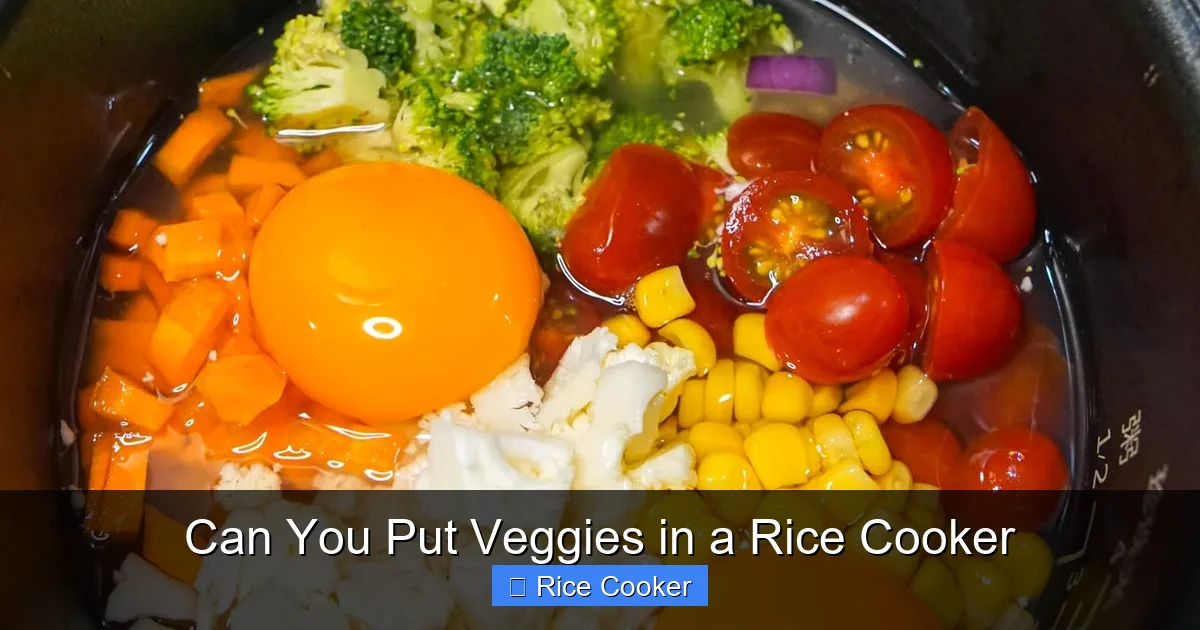
Visual guide about Can You Put Veggies in a Rice Cooker
Image source: nomadette.com
Not every vegetable is created equal when it comes to rice cooker compatibility. The key factor is texture and density. Delicate greens like spinach wilt quickly, while hardy root vegetables take longer to soften. Here’s a quick guide:
Soft & Fast-Cooking Veggies
These are ideal for adding early in the process since they cook quickly:
- Spinach or kale: Adds vibrant color and nutrients; best added in the last 5–10 minutes.
- Peas or corn kernels: Sweet and tender; go in with the rice or slightly before.
- Mushrooms: Earthy flavor develops well with steam; dice finely and add midway.
- Zucchini or summer squash: Mild and absorbs flavors nicely; cut into small cubes.
- Bell peppers: Sweeter varieties soften better; avoid red if you prefer crunch.
Medium-Density Veggies
These need a bit more time but still fare well:
- Carrots: Cut into uniform sticks; consider lightly steaming first if you want crisp-tender texture.
- Broccoli florets: Can become soft; blanch briefly before adding for optimal bite.
- Green beans: Trim ends and cut diagonally; add toward the end to retain snap.
- Cauliflower: Break into small florets; cooks faster than larger pieces.
Dense Root Vegetables
These take the longest and may require pre-treatment:
- Sweet potatoes or regular potatoes: Peel and cube evenly; parboil for 3–4 minutes before mixing in.
- Turnips or rutabagas: Slightly bitter; soak in cold water after peeling to reduce harshness.
- Beets: High in sugar; best roasted separately unless you love super sweet flavors.
Remember: consistency in size helps ensure even cooking. Aim for pieces no bigger than ½ inch thick for most veggies. Also, avoid adding too much liquid—rice cookers already account for evaporation, so excess water can dilute flavors or cause soggy results.
How to Layer Ingredients Correctly

Visual guide about Can You Put Veggies in a Rice Cooker
Image source: pickledplum.com
The secret to success lies in layering. Think of your rice cooker as a mini oven with controlled airflow. Placing ingredients in the right order maximizes steam distribution and prevents sogginess.
Here’s the recommended sequence:
Step 1: Start with Liquid
Add 1 cup of liquid per 1 cup of dry rice (usually water or broth). Broth adds more flavor than plain water—try chicken, vegetable, or miso-based options.
Step 2: Add Rice or Grain
Place the rinsed grains on top of the liquid. Don’t stir—just spread it evenly across the bottom.
Step 3: Arrange Veggies Strategically
- Place denser veggies (carrots, potatoes) closer to the heat source (bottom layer).
- Softer items (spinach, peas) go near the top or added last.
- Avoid burying delicate greens deep inside the rice—they’ll wilt before other components finish cooking.
Step 4: Optional Flavor Enhancements
Toss in:
- Garlic cloves (whole, unpeeled)
- Sliced ginger
- Bay leaves
- Fresh herbs like thyme or rosemary
- Lemon wedges or a splash of vinegar after cooking
Step 5: Close Lid and Set Mode
Use standard “white rice” or “brown rice” setting unless your model has a specific “multigrain” or “steam” function. If available, use those for best results.
After cooking completes, let the pressure release naturally for 5–10 minutes before opening. This allows residual steam to finish tenderizing any remaining raw bits.
Tips for Perfect Veggie-Rice Combinations
Even with the right veggies and layers, a few pro tips will elevate your dish from good to great:
Prep Ahead When Possible
Chopping all your vegetables before starting cuts down on prep time and ensures nothing gets forgotten. Keep them in airtight containers in the fridge until ready to use.
Don’t Overcrowd the Pot
Too many ingredients can block steam flow, leading to uneven cooking. Stick to filling the pot no more than halfway. If making large batches, consider doing multiple cycles or using a larger-capacity model.
Adjust Cooking Time for Brown Rice or Quinoa
Brown rice takes longer to cook than white rice. If your veggies are very dense (like sweet potatoes), you might need to increase total cook time by 5–10 minutes—or simply add them 10 minutes before the cycle ends.
Use the Warm Setting Wisely
If your rice cooker has a “warm” function, don’t rely solely on it for finishing tough veggies. The warm setting maintains temperature but doesn’t actively cook. Instead, use it to keep finished meals hot while you finish plating.
Add Acid at the End
A squeeze of lemon juice or a dash of apple cider vinegar brightens up steamed vegetables and balances rich grains. Always add acids after cooking—they break down over time and can make food taste sour.
Try Fermented or Umami Boosters
Miso paste, tamari, nutritional yeast, or a spoonful of peanut butter can deepen savory notes in vegetarian meals. Mix a small amount into the liquid before cooking for subtle richness.
Don’t Forget Protein!
For a complete meal, toss in canned chickpeas, black beans, tofu cubes, or shredded chicken during the last 10 minutes. They’ll absorb flavors and add satisfying texture.
Creative Recipe Ideas
Now that you know the basics, let’s get inspired! Here are five delicious, easy recipes you can whip up using your rice cooker:
1. Coconut Curry Rice with Mixed Veggies
Ingredients:
- 1 cup jasmine or basmati rice
- 1½ cups coconut milk + ½ cup water
- 1 tbsp curry powder
- 1 carrot, diced
- 1 cup broccoli florets
- ½ cup frozen peas
- 1 bell pepper, sliced
- 1 tsp turmeric (optional)
Instructions: Combine all ingredients in the rice cooker pot. Cook on “white rice” setting. Serve with lime wedges.
2. Mediterranean Herb Grain Bowl
Ingredients:
- 1 cup quinoa
- 2 cups vegetable broth
- 1 zucchini, spiralized or cubed
- 1 cup cherry tomatoes, halved
- ¼ cup kalamata olives
- 2 tbsp olive oil
- Fresh oregano, parsley, and lemon zest
Instructions: Layer quinoa, broth, zucchini, tomatoes, and olives. Cook on “multigrain” setting. Stir in herbs and oil after cooking.
3. Mexican Street Corn Rice
Ingredients:
- 1 cup white rice
- 1½ cups chicken or vegetable broth
- 1 ear of corn, kernels removed
- 1 cup corn tortilla strips (for crunch)
- 1 avocado, mashed
- Feta cheese and cilantro
Instructions: Add rice, broth, and corn kernels. Cook normally. Top with tortilla strips, avocado, feta, and cilantro before serving.
4. Asian-Inspired Ginger-Sesame Veggie Rice
Ingredients:
- 1 cup short-grain rice
- 1½ cups water
- 1-inch piece fresh ginger, grated
- 2 green onions, chopped
- 1 cup bok choy or spinach
- 1 tbsp soy sauce
- Sesame seeds for garnish
Instructions: Mix all ingredients except soy sauce and sesame seeds. Cook on “white rice” setting. Stir in soy sauce and greens during final 5 minutes. Sprinkle with sesame seeds.
5. One-Pot Lentil & Kale Pilaf
Ingredients:
- ¾ cup green lentils (rinsed)
- 1 cup brown rice
- 3 cups water or broth
- 2 cups chopped kale
- 1 bay leaf
- 1 tsp smoked paprika
- Salt and pepper to taste
Instructions: Combine lentils, rice, water, bay leaf, and spices. Add kale in the last 10 minutes. Remove bay leaf before serving.
Each of these recipes takes under 30 minutes from start to finish and yields enough for 3–4 servings. Leftovers reheat beautifully in the microwave or on the stovetop.
Troubleshooting Common Issues
Even experienced rice cooker users run into hiccups now and then. Here’s how to fix some frequent problems:
Problem: Mushy or Waterlogged Rice
Cause: Too much liquid or overfilled pot.
Solution: Stick to the 1:1.5 ratio (rice:liquid). Never exceed half-full capacity. Drain excess water if necessary before adding veggies.
Problem: Undercooked Veggies
Cause: Dense vegetables added too late or not pre-treated.
Solution: Parboil carrots or sweet potatoes for 3–4 minutes beforehand. Or add them 5–10 minutes before the cycle ends.
Problem: Burnt Bottom Layer
Cause: Direct contact between dry ingredients and heating element.
Solution: Always start with liquid. Never skip the water/broth step. Use parchment paper as a barrier if needed.
Problem: Off-Flavors or Bland Taste
Cause: Lack of seasoning or insufficient cooking time.
Solution: Season generously with salt, pepper, and aromatics. Use flavorful broths instead of plain water. Consider marinating protein or veggies briefly beforehand.
Problem: Sticky Clumping
Cause: Rice wasn’t rinsed or stirred after cooking.
Solution: Rinse grains before cooking to remove excess starch. After the “warm” phase, gently fluff with a fork.
By paying attention to these details, you’ll avoid common pitfalls and enjoy consistently excellent results.
Beyond Basics: Advanced Techniques
Once you’ve mastered simple veggie-rice combos, consider exploring advanced methods to expand your repertoire:
Steaming Separate Layers
Some high-end rice cookers come with removable trays or steam baskets. Use these to cook vegetables completely separate from grains—ideal for preserving texture and color.
Pressure Cooking Functions
Certain models double as pressure cookers. This dramatically shortens cooking time for legumes, root veggies, and tougher greens. Just remember to adjust liquid amounts accordingly.
Smoking or Infusing Flavors
Add wood chips (like applewood) to the water reservoir for a subtle smoky aroma. Alternatively, place citrus peels or coffee grounds near the heating plate for infused oils and fragrances.
Dehydrating or Reheating
Many modern units offer “keep warm” beyond 12 hours or even “dehydrate” settings. Use this to dry herbs, make jerky, or gently reheat leftovers without drying them out.
While not essential, these features open up exciting culinary doors—especially if you love experimenting with global cuisines or plant-based diets.
Environmental & Health Benefits
Cooking vegetables in a rice cooker isn’t just convenient—it’s also eco-friendly and health-conscious:
- Saves energy: A rice cooker uses less power than an electric stove or oven, especially for single-pot meals.
- Reduces plastic waste: No need for disposable steam bags or aluminum foil wraps.
- Preserves nutrients: Steaming gently retains vitamins and minerals better than boiling or frying.
- Encourages whole foods: Easy one-pot meals motivate people to include more vegetables in daily diets.
- Supports batch cooking: Prepare large quantities for lunches or freezer-friendly portions.
Plus, because everything cooks together, you’re more likely to eat balanced meals without relying on processed convenience foods.
Choosing the Right Rice Cooker for Veggie Cooking
Not all rice cookers are built alike. If you plan to cook vegetables regularly, invest in a model with these features:
- Non-stick inner pot: Makes cleaning effortless.
- Multiple cooking programs: Look for “steam,” “multigrain,” or “quick cook” settings.
- Large capacity (at least 6 cups uncooked): Gives room for extra veggies and proteins.
- Keep-warm timer: Maintains food safely for several hours.
- Transparent lid: Lets you peek without losing steam.
- Removable parts for washing: Dishwasher-safe components save time.
Popular brands like Zojirushi, Instant Pot, Aroma, and Cuckoo offer excellent options across price ranges. Read reviews focusing on ease of cleaning and versatility—not just rice quality.
Remember: even basic models work fine for beginners. Start simple, then upgrade as your confidence grows.
Final Thoughts: Embrace the Versatility
So, can you put veggies in a rice cooker? Absolutely—and you should! This kitchen hack transforms an ordinary appliance into a powerhouse for healthy, delicious meals. Whether you’re cooking for one or ten, vegetarians or meat-lovers, busy parents or solo diners, the rice cooker adapts to your lifestyle.
The beauty of this method lies in its simplicity and consistency. No more guessing games, no burnt edges, no forgotten ingredients. Just set it and forget it—until your timer dings, signaling a perfectly cooked, nutrient-rich meal.
Next time you’re craving something warm, wholesome, and fuss-free, reach for your rice cooker. Chop up some colorful veggies, add your favorite grains, and let science do the rest. Your taste buds—and your schedule—will thank you.
Frequently Asked Questions
Can I put frozen vegetables in a rice cooker?
Yes, frozen vegetables work well in a rice cooker. Because they’re already blanched during freezing, they cook faster than fresh ones. Simply add them with the rice—no need to thaw. Just be aware that they may release extra water, so monitor closely to avoid soggy results.
Do I need to peel vegetables before adding them?
It depends on the vegetable and personal preference. Peeling is optional for softer-skinned produce like zucchini or bell peppers. For root vegetables like carrots or potatoes, peeling isn’t necessary if you scrub them clean, but it helps with texture and appearance.
Can I cook meat and vegetables together in a rice cooker?
Absolutely! Chicken thighs, ground turkey, or shrimp all cook beautifully in a rice cooker with vegetables. Add protein during the last 10–15 minutes to prevent drying out. Use broth or tomato sauce instead of plain water for extra flavor.
What happens if I forget to add liquid?
Without liquid, your rice cooker won’t activate—most models have safety mechanisms that prevent operation if no water is detected. Even if it starts, dry ingredients will burn on the bottom due to direct heat exposure.
Is it safe to leave food in the rice cooker overnight?
Most rice cookers have a “keep warm” function that safely holds food for up to 12 hours. However, USDA guidelines recommend consuming perishable foods within 2 hours of cooking. For best quality and safety, refrigerate leftovers promptly.
Can I use a slow cooker instead of a rice cooker for veggies?
Yes, but techniques differ. Slow cookers use low, indirect heat and require more liquid. Veggies should generally be added at the beginning, and cooking times are longer (4–8 hours). Rice cookers offer quicker, more precise results for most recipes.