
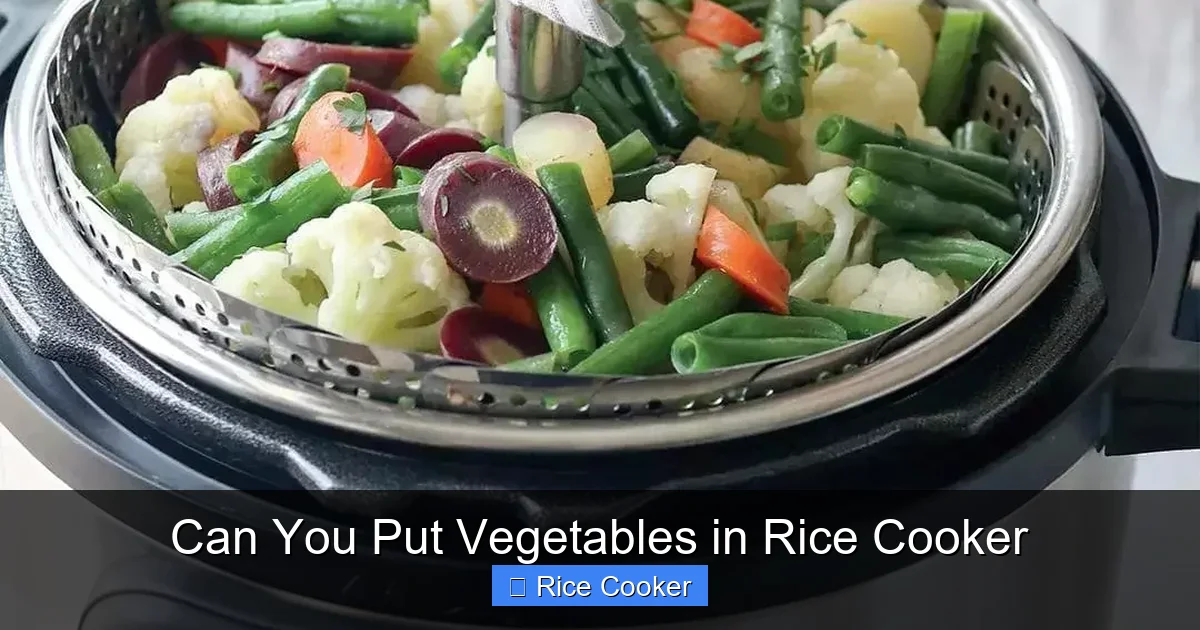
Can you put vegetables in a rice cooker? The short answer is yes—and it’s one of the easiest ways to prepare a complete, nutritious meal in one pot. From colorful stir-fry mixes to hearty soups, adding veggies to your rice cooker doesn’t require special steps or expensive equipment. With the right timing and preparation, you can enjoy tender rice and crisp-tender vegetables that retain their vitamins and flavor. Whether you’re meal prepping or whipping up a quick dinner, this simple trick makes healthy eating effortless and delicious.
Key Takeaways
- Yes, you can safely cook vegetables in a rice cooker: Most vegetables work well and cook efficiently alongside rice.
- Nutrient retention is better than boiling: Steaming in the rice cooker helps preserve vitamins like vitamin C and folate.
- Timing matters: Add harder vegetables early and softer ones later to avoid mushiness.
- Flavor enhancement: Vegetables absorb the rice’s aroma and add natural sweetness or earthiness.
- Cleaning is easy: One-pot cooking means fewer dishes and less cleanup.
- Customizable recipes: Mix and match vegetables based on seasonality or dietary preferences.
- Saves time: No need to sauté or steam separately—everything cooks together.
📑 Table of Contents
- Can You Put Vegetables in Rice Cooker? A Simple Guide to Healthier Meals
- How Vegetables React When Cooked in a Rice Cooker
- Best Vegetables to Use in Your Rice Cooker
- Step-by-Step Guide: How to Cook Vegetables in a Rice Cooker
- Creative Recipe Ideas Using Vegetables in Your Rice Cooker
- Tips for Perfect Vegetable-Rice Combinations
- Common Mistakes and How to Avoid Them
- Benefits of Cooking Vegetables in a Rice Cooker
- Frequently Asked Questions
- Conclusion
Can You Put Vegetables in Rice Cooker? A Simple Guide to Healthier Meals
Imagine this: it’s 6 p.m., you’re tired after work, and your fridge is half-empty. You open your rice cooker, toss in some leftover brown rice, and throw in a handful of frozen peas, carrots, and broccoli. Within 30 minutes, you’ve got a hot, balanced meal—no pan, no mess, no stress. Sounds too good to be true? Not at all. Yes, you can absolutely put vegetables in a rice cooker, and it’s one of the most convenient ways to make a complete, nutritious dinner.
Cooking vegetables in a rice cooker isn’t just possible—it’s practical. Unlike traditional stovetop methods that often involve multiple pots and pans, the rice cooker does the heavy lifting with minimal effort. The sealed environment mimics steaming, which helps lock in nutrients without sacrificing texture. Plus, because everything cooks in one vessel, cleanup is a breeze. Whether you’re a busy parent, a college student, or someone trying to eat healthier, using your rice cooker as a multi-cooker opens up a world of possibilities beyond plain white rice.
How Vegetables React When Cooked in a Rice Cooker
When vegetables are added to a rice cooker, they undergo a process similar to steaming. The heat and moisture from the cooking rice soften the vegetable fibers, breaking them down just enough to become tender. However, unlike boiling, where vegetables lose water-soluble vitamins into the cooking liquid, the closed system of a rice cooker traps those nutrients inside the food. This means you get more bang for your buck in terms of nutrition.

Visual guide about Can You Put Vegetables in Rice Cooker
Image source: storables.com
The Science Behind It
Rice cookers maintain a consistent temperature—typically around 100°C (212°F)—once the water reaches a boil and then switches to a warming mode. This gentle, steady heat is ideal for vegetables because it prevents overcooking and preserves color, texture, and flavor. Leafy greens like spinach or kale will wilt and release water, while denser veggies like potatoes or carrots take longer but stay firm. Understanding how different vegetables behave helps you plan your meals more effectively.
Why Steaming Is Better Than Boiling
Traditional boiling involves submerging vegetables in water, which leaches out vitamins such as vitamin B complex and vitamin C. In contrast, the rice cooker’s steam-based method keeps these nutrients intact. For example, steaming broccoli in a rice cooker retains up to 90% of its vitamin C content, compared to only about 50% when boiled. That’s why using your rice cooker for vegetables isn’t just convenient—it’s also smarter for your health.
Best Vegetables to Use in Your Rice Cooker
Not all vegetables are created equal when it comes to rice cooker cooking. Some respond beautifully to the moist, warm environment, while others may turn to mush or lose their shape. Here’s a breakdown of the best choices:
Visual guide about Can You Put Vegetables in Rice Cooker
Image source: kitchensnitches.com
- Root Vegetables: Carrots, sweet potatoes, parsnips, and potatoes hold up well and add natural sweetness. Cut them into uniform sizes for even cooking.
- Cruciferous Veggies: Broccoli, cauliflower, Brussels sprouts, and cabbage cook quickly and stay vibrant. Add them halfway through the rice cycle.
- Peas and Green Beans: These cook fast—usually within 10–15 minutes of rice starting. Add them toward the end to keep them crisp-tender.
- Onions and Garlic: Chop finely and sauté briefly before adding to prevent burning. They enhance flavor without overpowering the dish.
- Mushrooms: Button, cremini, or shiitake mushrooms release moisture and develop rich umami notes. Add them early so they soften nicely.
- Leafy Greens: Spinach, kale, or Swiss chard wilt quickly. Stir them in during the last 5 minutes to avoid bitterness.
Avoid These Vegetables
While most vegetables work, some don’t fare well in a rice cooker:
- Tomatoes: They break down into a sauce-like consistency and can make the rice soggy.
- Celery: Tends to become stringy and watery unless cooked very briefly.
- Bell Peppers: Can soften too much and lose their crunch if left in too long.
Step-by-Step Guide: How to Cook Vegetables in a Rice Cooker
Ready to give it a try? Follow this simple process to make a complete, balanced meal:
Step 1: Prep Your Ingredients
Wash and chop vegetables into similar-sized pieces so they cook evenly. If using fresh herbs or delicate greens, set them aside for later. Brown rice takes longer to cook than white rice, so adjust accordingly.
Step 2: Add Liquid and Base
Start with your base—rice—and add the appropriate amount of water (usually double the rice volume). Then place the vegetables on top, not mixed in. This prevents clumping and ensures proper steam circulation.
Step 3: Layer Strategically
Add harder vegetables first (like carrots or potatoes), then softer ones (peas or zucchini), and finally leafy greens near the end. Cover the cooker securely to trap steam.
Step 4: Start Cooking
Press the “Cook” button and let the magic happen. Once the cycle finishes, wait 5 minutes before opening the lid—this lets residual heat finish cooking any remaining vegetables gently.
Step 5: Fluff and Serve
Use a fork to fluff the rice and mix in any reserved greens or herbs. Taste and adjust seasoning if needed. A sprinkle of salt, soy sauce, or fresh lemon juice can elevate the flavors.
Creative Recipe Ideas Using Vegetables in Your Rice Cooker
The beauty of cooking vegetables in a rice cooker lies in its flexibility. Here are a few tried-and-true recipes to inspire your next meal:
One-Pot Mediterranean Bowl
Combine 1 cup quinoa, 1 chopped zucchini, ½ cup cherry tomatoes (halved), ¼ cup olives, 1 diced red onion, and 1 tsp oregano. Cook with water or low-sodium broth. Top with crumbled feta and a drizzle of olive oil before serving.
Asian-Inspired Veggie Fried Rice
Sauté garlic and ginger in a bit of oil, then add 1 cup cooked brown rice, 1 cup mixed stir-fry vegetables, 1 beaten egg, and soy sauce. Cook until heated through. Garnish with green onions and sesame seeds.
Hearty Lentil & Vegetable Medley
Layer ½ cup dried lentils, 1 cup chopped kale, 1 diced carrot, and 1 sliced potato. Add 3 cups water and a pinch of cumin. Cook until lentils are soft and rice is fluffy. Season with salt and pepper.
Spicy Southwest Rice Bowl
Mix 1 cup jasmine rice with 1 diced bell pepper, ½ cup corn kernels, ¼ cup black beans, and 1 tsp chili powder. Cook with broth for extra flavor. Serve with avocado slices and sour cream.
Tips for Perfect Vegetable-Rice Combinations
Want to avoid common pitfalls? Try these expert tips:
- Don’t overcrowd: Too many vegetables can lower the internal temperature and extend cooking time.
- Use a trivet or rack: Elevate vegetables slightly above the rice to prevent sogginess.
- Pre-soak dense veggies: Soaking potatoes or sweet potatoes for 30 minutes ensures they cook evenly.
- Season smartly: Add spices or herbs early; salt draws out moisture and may affect texture.
- Experiment with broths: Replace some water with vegetable, chicken, or mushroom broth for deeper flavor.
- Check doneness: Lift the lid halfway through to peek at progress—especially for delicate greens.
Common Mistakes and How to Avoid Them
Even seasoned home cooks make errors when using a rice cooker for vegetables. Here’s how to sidestep them:
Overcooking Soft Vegetables
If you add peas or spinach too early, they’ll turn into a green paste. Always add them in the final 5–10 minutes of cooking.
Neglecting Texture Differences
Potatoes take 40 minutes, while broccoli takes 15. Layer wisely or cook separately if precision is key.
Using Too Much Water
Excess liquid can make rice gummy and dilute flavors. Stick to standard ratios unless your recipe calls for more.
Skipping the Wait Time
Opening the lid immediately after cooking releases steam and stops the cooking process. Let it rest 5 minutes for best results.
Benefits of Cooking Vegetables in a Rice Cooker
Beyond convenience, there are real advantages to this method:
- Nutrient preservation: Less nutrient loss compared to boiling or frying.
- Time efficiency: One-pot meals cut prep and cleanup time in half.
- Energy savings: Rice cookers use less electricity than stovetops.
- Consistent results: No risk of burning or undercooking when following instructions.
- Great for meal prep: Make large batches and store portions for lunches.
- Kid-friendly: Mild textures and natural sweetness appeal to picky eaters.
Frequently Asked Questions
Can I cook frozen vegetables directly in the rice cooker?
Yes! Frozen vegetables work great—just add them with the rice and water. They’ll thaw and cook during the cycle. Just ensure they’re fully submerged to prevent uneven heating.
Do I need to soak vegetables before cooking?
Only dense root vegetables like potatoes benefit from soaking to speed up cooking. Most others—like broccoli or peas—can go straight into the cooker.
Will the rice absorb all the vegetable juices?
Some moisture transfers, especially from softer veggies, but most of the flavor remains in the rice due to steam condensation. Drain excess liquid if needed.
Can I cook meat and vegetables together?
Absolutely. Brown ground turkey or chicken before adding, then layer with rice and vegetables. The meat cooks thoroughly while absorbing the broth flavors.
Is it safe to leave the rice cooker unattended?
Yes—rice cookers automatically switch to “warm” mode once done. Just avoid opening the lid frequently during cooking to maintain heat.
Can I reuse the cooking liquid?
Yes! The starchy water from cooked rice and vegetables makes an excellent base for soups or sauces. Strain it through cheesecloth for clearer broth.
Conclusion
So, can you put vegetables in a rice cooker? Without a doubt—yes, and you should! This humble kitchen appliance is far more versatile than you might think. By adding a mix of colorful, nutritious vegetables, you transform plain rice into a satisfying, wholesome meal that’s both delicious and easy to make. Whether you’re feeding a family, meal prepping for the week, or simply looking to eat healthier with less effort, the rice cooker proves that great food doesn’t have to be complicated.
Remember: timing, layering, and choosing the right veggies are your keys to success. Don’t be afraid to experiment—try new combinations, spices, or broths to keep things exciting. And always trust your senses: if it smells good and looks vibrant, chances are it’s perfect. With this simple technique, you’re not just cooking rice—you’re building better habits, one pot at a time.
Frequently Asked Questions
Can I cook frozen vegetables directly in the rice cooker?
Yes! Frozen vegetables work great—just add them with the rice and water. They’ll thaw and cook during the cycle. Just ensure they’re fully submerged to prevent uneven heating.
Do I need to soak vegetables before cooking?
Only dense root vegetables like potatoes benefit from soaking to speed up cooking. Most others—like broccoli or peas—can go straight into the cooker.
Will the rice absorb all the vegetable juices?
Some moisture transfers, especially from softer veggies, but most of the flavor remains in the rice due to steam condensation. Drain excess liquid if needed.
Can I cook meat and vegetables together?
Absolutely. Brown ground turkey or chicken before adding, then layer with rice and vegetables. The meat cooks thoroughly while absorbing the broth flavors.
Is it safe to leave the rice cooker unattended?
Yes—rice cookers automatically switch to “warm” mode once done. Just avoid opening the lid frequently during cooking to maintain heat.
Can I reuse the cooking liquid?
Yes! The starchy water from cooked rice and vegetables makes an excellent base for soups or sauces. Strain it through cheesecloth for clearer broth.