
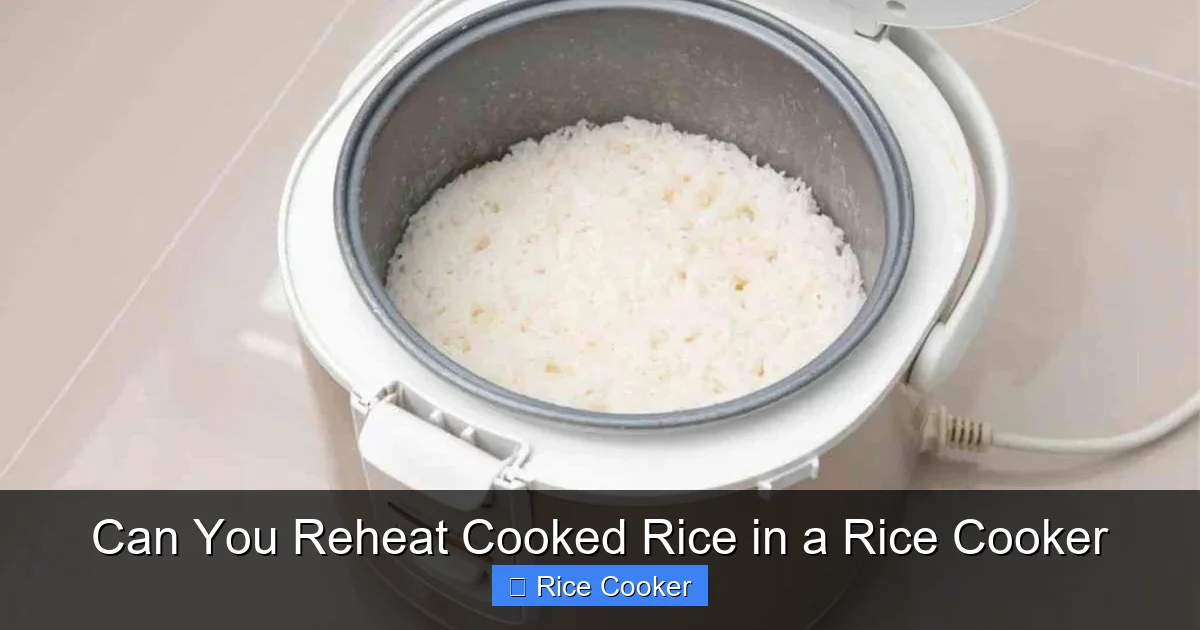
Reheating cooked rice in a rice cooker is not only possible but also one of the easiest and most effective ways to restore its fluffy texture. The key lies in using the right amount of moisture and timing—too little water causes dryness; too much makes it mushy. With simple techniques like adding a splash of water or broth and covering the lid, your rice will taste almost as fresh as when it was first made.
Key Takeaways
- Yes, it’s safe: Reheating rice in a rice cooker kills bacteria if done properly, especially at high temperatures.
- Texture matters: Using just enough liquid prevents mushiness and helps revive fluffiness.
- Cooking time is short: Most reheated rice takes 3–5 minutes on the “Keep Warm” or “Cook” setting.
- Add flavor boosters: A dash of soy sauce, butter, or herbs enhances taste after reheating.
- Store wisely: Cool rice quickly in shallow containers before refrigerating to avoid bacterial growth.
- Not all models are equal: Some rice cookers have better steam control—ideal for delicate reheating.
- Alternative methods exist: Microwave, stovetop, or oven work too—but rice cookers offer unmatched convenience.
📑 Table of Contents
- Can You Reheat Cooked Rice in a Rice Cooker?
- Why People Ask This Question: The Rise of Rice Cooker Popularity
- Safety First: Is It Safe to Reheat Rice?
- How to Reheat Cooked Rice in a Rice Cooker: Step-by-Step Guide
- Common Mistakes to Avoid When Reheating Rice
- Advanced Tips for Perfect Reheated Rice
- Rice Cooker vs. Other Reheating Methods
- Choosing the Right Rice Cooker for Reheating
- Creative Ways to Use Reheated Rice
- Final Thoughts: Make Every Grain Count
Can You Reheat Cooked Rice in a Rice Cooker?
If you’ve ever had leftover rice sitting in the fridge overnight, you know how tempting it is to toss it back into the rice cooker and hope for the best. After all, rice cookers are designed to cook perfect grains—so why wouldn’t they handle leftovers too?
The short answer? Absolutely yes—you can reheat cooked rice in a rice cooker. In fact, many home cooks swear by this method because it’s quick, hands-off, and surprisingly effective at restoring that light, fluffy texture that gets lost during refrigeration.
But before you press “start” on your next batch of cold leftovers, let’s walk through everything you need to know: safety tips, step-by-step instructions, common mistakes to avoid, and pro tricks to make your reheated rice taste like it just came out of the pot.
Whether you’re meal-prepping for busy weekdays or simply don’t want good food to go to waste, mastering rice reheating opens up a world of culinary flexibility. And with the right approach, your second-day rice can rival (or even beat) the first!
Why People Ask This Question: The Rise of Rice Cooker Popularity
Visual guide about Can You Reheat Cooked Rice in a Rice Cooker
Image source: theforkbite.com
Rice cookers have evolved far beyond their humble origins in Japanese kitchens. Today, they’re staples in homes across Asia, Europe, and North America—not just for cooking white rice, but for steaming vegetables, making congee, baking cakes, and now, reheating leftovers.
As more people adopt rice-based diets or rely on convenient appliances, questions about versatility naturally arise. One of the most common? “Can I reuse my rice cooker for leftovers?” And specifically: “Can you reheat cooked rice in a rice cooker without turning it into soup?”
The truth is, rice cookers excel at managing heat and moisture—two critical factors when reviving dried-out grains. Unlike microwaves, which zap unevenly and often leave cold spots, rice cookers circulate gentle, consistent warmth. That means fewer lumps, less sticking, and better overall results.
Plus, modern rice cookers come with features like fuzzy logic sensors, multiple cooking modes, and insulated inner pots—all of which help maintain ideal conditions for both cooking *and* reheating.
Safety First: Is It Safe to Reheat Rice?
Visual guide about Can You Reheat Cooked Rice in a Rice Cooker
Image source: ricearray.org
Before we dive into technique, let’s address the elephant in the room: food safety.
You may have heard warnings about reheating rice due to *Bacillus cereus*, a bacteria that can survive boiling and produce toxins that cause food poisoning. But here’s the good news: **if your rice was stored properly and reheated correctly, it’s perfectly safe**.
According to the U.S. Food and Drug Administration (FDA), cooked rice should be cooled within two hours of cooking and refrigerated promptly. When reheated to an internal temperature of at least 165°F (74°C), any surviving spores are destroyed.
So yes—reheating rice in a rice cooker is safe **as long as**:
– The rice was cooled and refrigerated within 2 hours of cooking
– It’s reheated thoroughly (no warm centers)
– You use enough liquid to prevent drying
Avoid reheating rice that’s been left at room temperature for more than 2 hours—even if it looks fine. When in doubt, throw it out.
How to Reheat Cooked Rice in a Rice Cooker: Step-by-Step Guide
Ready to give it a try? Follow these simple steps for foolproof results:
Step 1: Measure Your Leftovers
Start by scooping the desired amount of cold rice into the inner pot. Don’t worry about exact measurements—rice cookers handle small batches well.
Step 2: Add Moisture Wisely
This is where many people go wrong. Too little water = dry, crumbly rice. Too much = soupy, sticky mess.
For every cup of cold rice, add **¼ to ½ cup of hot water or broth**. If you’re feeling fancy, swap plain water for chicken or vegetable broth to add depth.
Pro tip: Use a fork to fluff the rice gently before adding liquid—it breaks up clumps and ensures even heating.
Step 3: Close the Lid and Select the Right Setting
Most rice cookers have a “Keep Warm” mode, which runs at around 190–200°F. While safe, it won’t fully rehydrate the grains. For best results, switch to the regular “Cook” cycle.
Press start and wait. Reheating usually takes **3–5 minutes**, depending on quantity and model.
Step 4: Fluff and Season
Once done, open the lid and fluff immediately with a fork. Then add a pat of butter, a drizzle of soy sauce, or a sprinkle of sesame oil for extra flavor.
Serve while hot—rice continues cooling rapidly once removed from heat.
Common Mistakes to Avoid When Reheating Rice
Even with the right tools, mistakes happen. Here are the top culprits that lead to disappointing results:
Mistake #1: Skipping the Water
Dry rice reheated without added moisture becomes tough and chalky. Always introduce liquid—even if you think it’s unnecessary.
Mistake #2: Overfilling the Pot
Rice expands when heated. If your pot is more than half full, the rice won’t cook evenly and may burn at the bottom. Stick to smaller batches.
Mistake #3: Using Cold Water
Cold water slows down the reheating process and can shock the grains. Use **hot water or broth** to jump-start rehydration.
Mistake #4: Not Stirring Before Cooking
Clumped rice heats unevenly. Always break apart clumps with a fork before adding liquid.
Mistake #5: Ignoring the Keep Warm Mode Limitation
While convenient, Keep Warm doesn’t reach the high temps needed for true reheating. Use it only if you’re in a hurry and accept slightly firmer texture.
Advanced Tips for Perfect Reheated Rice
Want restaurant-quality results at home? Try these expert tricks:
Trick 1: Steam It Gently
Instead of direct heating, place a small dish of water inside the pot with the rice, close the lid, and let the steam do the work. This mimics traditional steaming and keeps grains tender.
Trick 2: Toast the Rice First
For fried rice lovers: Sear cold rice in a dry skillet for 2–3 minutes before adding liquid. This removes excess moisture and creates a better base for flavors.
Trick 3: Freeze for Quick Reheat
Freezing rice in portions makes future reheats faster. Thaw overnight in the fridge, then follow standard reheating steps.
Trick 4: Upgrade the Liquid
Add a teaspoon of vinegar or lime juice to the water to counteract blandness and brighten flavors—especially useful with plain steamed rice.
Rice Cooker vs. Other Reheating Methods
You might wonder: why choose a rice cooker over a microwave or stove? Let’s compare.
Microwave Method
Pros: Fast, energy-efficient, great for single servings.
Cons: Uneven heating, tendency to form hard spots, requires frequent stirring.
Stovetop Method
Pros: Full control over heat, excellent for sautéing or frying.
Cons: Requires monitoring, easy to burn or stick.
Oven Method
Pros: Good for large quantities, even heating.
Cons: Slow, energy-intensive, not practical for everyday use.
Rice Cooker Method
Pros: Hands-off, consistent heat, built-in timer, minimal cleanup.
Cons: Limited capacity for huge batches, some models lack precise temp control.
For most home cooks, the rice cooker strikes the best balance between ease, consistency, and flavor preservation.
Choosing the Right Rice Cooker for Reheating
Not all rice cookers are created equal—especially when it comes to reheating.
Look for models with:
– **Insulated inner pots** to retain heat
– **Multiple cooking modes** (e.g., brown rice, porridge, delay timer)
– **Large enough capacity** for your household size
– **Easy-to-clean non-stick surfaces**
Japanese brands like Zojirushi, Tiger, and Panasonic are renowned for precision. But even basic models from Cuisinart or Instant Pot work well for reheating.
If you reheat rice frequently, consider investing in a premium unit with fuzzy logic—it adjusts cooking time and temperature based on grain type and quantity, which translates to better reheating outcomes.
Creative Ways to Use Reheated Rice
Don’t stop at plain steamed rice! Reheated grains become versatile ingredients:
– **Fried Rice**: Sauté with eggs, veggies, and your favorite sauce.
– **Rice Pudding**: Simmer with milk, sugar, cinnamon, and raisins.
– **Risotto**: Gradually add warm broth while stirring for creamy texture.
– **Stuffed Peppers**: Mix with cheese, meat, and spices, then bake.
Each application benefits from the controlled reheating process that rice cookers provide.
Final Thoughts: Make Every Grain Count
Reheating cooked rice in a rice cooker isn’t just a shortcut—it’s a smart, sustainable kitchen habit. By reducing food waste and saving time, you’re not only cutting costs but also embracing mindful cooking.
With proper storage, careful reheating, and a few insider tips, your leftovers can transform into delicious meals worth looking forward to. So next time you’re tempted to pitch last night’s dinner, remember: your rice cooker has got your back.
And who knows? You might just discover that reheated rice tastes even better the second time around.
Frequently Asked Questions
Is it safe to reheat rice in a rice cooker?
Yes, as long as the rice was stored properly in the refrigerator within 2 hours of cooking and reheated to at least 165°F. The high temperature kills harmful bacteria like Bacillus cereus.
How much water should I add when reheating rice?
Add ¼ to ½ cup of hot water or broth per cup of cold rice. This restores moisture without making it soggy.
Can I use the “Keep Warm” setting to reheat rice?
It’s possible, but not ideal. Keep Warm runs at lower temps and won’t fully rehydrate the grains. Use the regular “Cook” cycle for best results.
Will reheated rice taste the same as freshly cooked rice?
With proper technique—adding liquid, fluffing, and seasoning—reheated rice can be nearly indistinguishable from fresh. Texture may be slightly firmer, though.
Can I freeze rice for later reheating?
Absolutely. Portion and freeze rice in airtight containers. Thaw overnight in the fridge, then reheat in your rice cooker.
What’s the fastest way to reheat rice in a rice cooker?
Use hot liquid, select the “Cook” mode, and reheat in small batches. Most take just 3–5 minutes—faster than microwaving or oven reheating.