
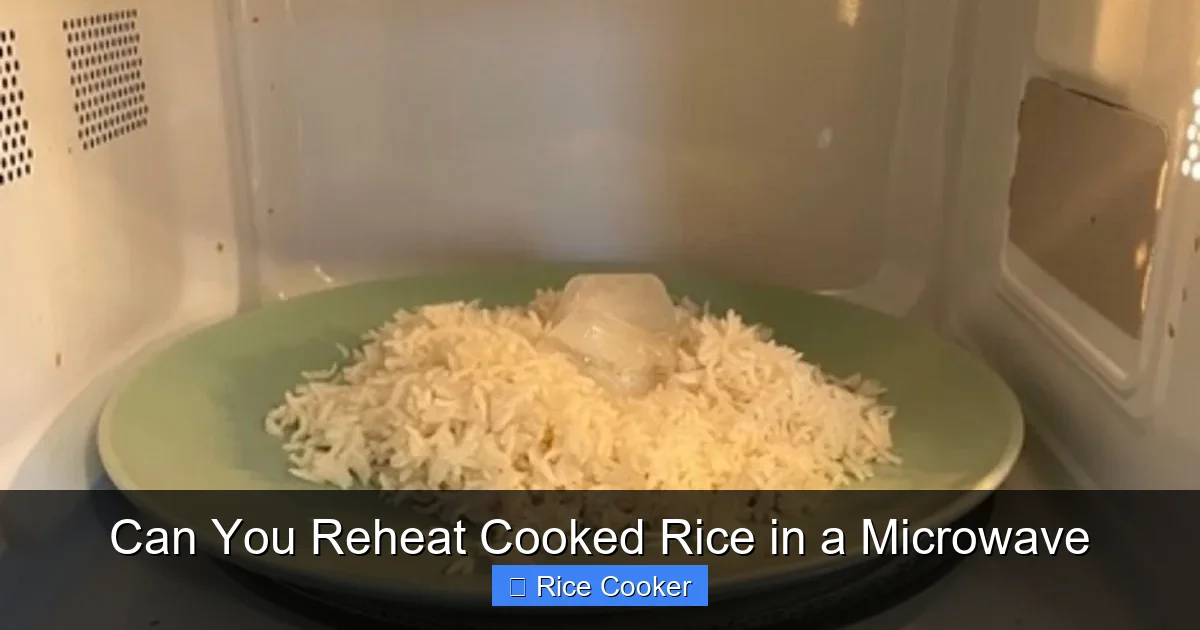
Can you reheat cooked rice in a microwave? Absolutely—microwaves are one of the quickest and safest ways to warm up leftover rice when done correctly. However, timing, moisture, and storage matter to prevent bacterial growth like Bacillus cereus. With the right technique, your reheated rice will be fluffy, hot, and delicious every time.
Key Takeaways
- Safety First: Reheating rice properly kills potential bacteria that may survive refrigeration.
- Microwave Works: A microwave is effective for reheating rice quickly and evenly when used with proper techniques.
- Add Moisture: Always add a splash of water or broth to prevent dry, crumbly rice during reheating.
- Stir Midway: Stirring halfway through ensures even heating and avoids cold spots.
- Cool Quickly: After reheating, let rice cool slightly before storing to reduce condensation and spoilage risk.
- Reheat Only Once: Never reheat rice more than once to maintain safety and texture.
- Storage Matters: Store cooled rice in an airtight container within 1–2 hours of cooking to minimize bacterial growth.
📑 Table of Contents
- Introduction: The Rice Dilemma – Safe & Delicious Leftovers
- Understanding Rice Safety: Why Reheating Matters
- Best Practices for Storing Cooked Rice
- Step-by-Step Guide: How to Reheat Rice in a Microwave
- Common Mistakes to Avoid
- Tips for Perfectly Reheated Rice Every Time
- Reheating Different Types of Rice
- Alternative Reheating Methods
- How Long Does Reheated Rice Last?
- Conclusion: Enjoy Your Rice—Safely and Deliciously
Introduction: The Rice Dilemma – Safe & Delicious Leftovers
We’ve all been there. You cook a perfect pot of rice—fluffy, golden, just right—only to find yourself staring at a container of leftovers days later. That’s not just sad; it’s wasteful. But here’s the real concern: can you reheat cooked rice in a microwave safely? The short answer is yes—but only if you do it the right way. Microwaving is one of the most convenient methods for reheating rice, but many people skip key steps that could turn a tasty meal into a health risk.
Rice, especially white rice, contains spores of a bacterium called Bacillus cereus. While these spores are harmless when the rice is freshly cooked (thanks to high heat), they can survive and multiply if rice is left at room temperature. When reheated improperly, the bacteria can release toxins that cause food poisoning. So, while microwaving is fast and efficient, it’s not just about getting hot rice back on the table—it’s about doing it safely.
In this article, we’ll walk you through everything you need to know about reheating cooked rice in a microwave. From storage tips to timing tricks, we’ll cover the science, the safety, and the best practices so you can enjoy your leftover rice without worry. Whether you’re meal prepping for the week or salvaging last night’s dinner, this guide will make sure your rice is both safe and delicious.
Understanding Rice Safety: Why Reheating Matters
Before diving into reheating techniques, it’s important to understand why reheating rice isn’t just about convenience—it’s about preventing illness. Bacillus cereus is a common culprit in foodborne illness linked to rice. These bacteria thrive in environments between 40°F and 140°F—known as the “danger zone.” If cooked rice is left out too long, the spores can grow and produce toxins that survive normal reheating.
Visual guide about Can You Reheat Cooked Rice in a Microwave
Image source: cookit.guru
The Danger of Improper Storage
Many people assume that because rice has been cooked, it’s automatically safe to leave out for hours. Not true. Cooked rice should never sit at room temperature for more than two hours. After that, the risk of bacterial growth increases significantly. Even refrigerated rice can harbor spores—so reheating is essential.
Why Microwaving Is Effective
Microwaves generate heat rapidly throughout the food, which helps kill bacteria. Unlike stovetop reheating, which can create uneven hot spots, microwaves penetrate food quickly. But here’s the catch: microwaves don’t always cook evenly. Cold spots can remain, allowing bacteria to survive. That’s why proper technique is crucial.
Best Practices for Storing Cooked Rice
You can’t reheat rice safely if it’s already spoiled. Proper storage is the foundation of safe reheating. Here’s how to store your rice to maximize freshness and safety.
Visual guide about Can You Reheat Cooked Rice in a Microwave
Image source: canyoumicrowavewiki.com
Cool It Fast
After cooking, let rice cool slightly—but not too long. Spread it out in a shallow container or divide it into smaller portions. This speeds up cooling and reduces condensation, which can encourage bacterial growth.
Use Airtight Containers
Store rice in airtight containers. Glass or BPA-free plastic containers work well. Avoid leaving rice in open bowls or uncovered pans.
Refrigerate Within Two Hours
This is non-negotiable. Cooked rice left out for more than two hours should either be refrigerated immediately or discarded. If you’re serving rice in a buffet setting, use chafing dishes with lids and keep them at 140°F or above.
Label and Date
Keep track of when you cooked the rice. Refrigerated rice should be used within 3–5 days. Frozen rice can last up to 6 months, though texture may degrade over time.
Thawing Frozen Rice
If you’ve frozen rice, thaw it in the refrigerator overnight. Never thaw at room temperature. Once thawed, reheat immediately and consume within 24 hours.
Step-by-Step Guide: How to Reheat Rice in a Microwave
Now comes the fun part—getting that rice warm and ready to eat. Follow these steps to ensure your microwave reheating is both safe and successful.
Step 1: Transfer to Microwave-Safe Dish
Remove the rice from its original container. Use a microwave-safe bowl or plate. Avoid metal containers or aluminum foil—they can cause sparks.
Step 2: Add Moisture
Dry rice reheats poorly. Add 1–2 tablespoons of water, broth, or sauce per cup of rice. This prevents it from becoming hard and dry. Cover the dish with a damp paper towel or microwave-safe lid to trap steam.
Step 3: Heat in Short Intervals
Start with 30-second intervals. For example, heat 1 cup of rice for 30 seconds, then stir. Repeat until hot. Stirring redistributes heat and ensures even warming.
Step 4: Check Temperature
Use a food thermometer to check the internal temperature. Rice should reach at least 165°F. If it’s still cold in the center, continue heating in 15–20 second increments.
Step 5: Let It Rest
Let the rice sit covered for 1–2 minutes after reheating. This allows heat to distribute evenly and makes stirring easier.
Pro Tip: Fluff with a Fork
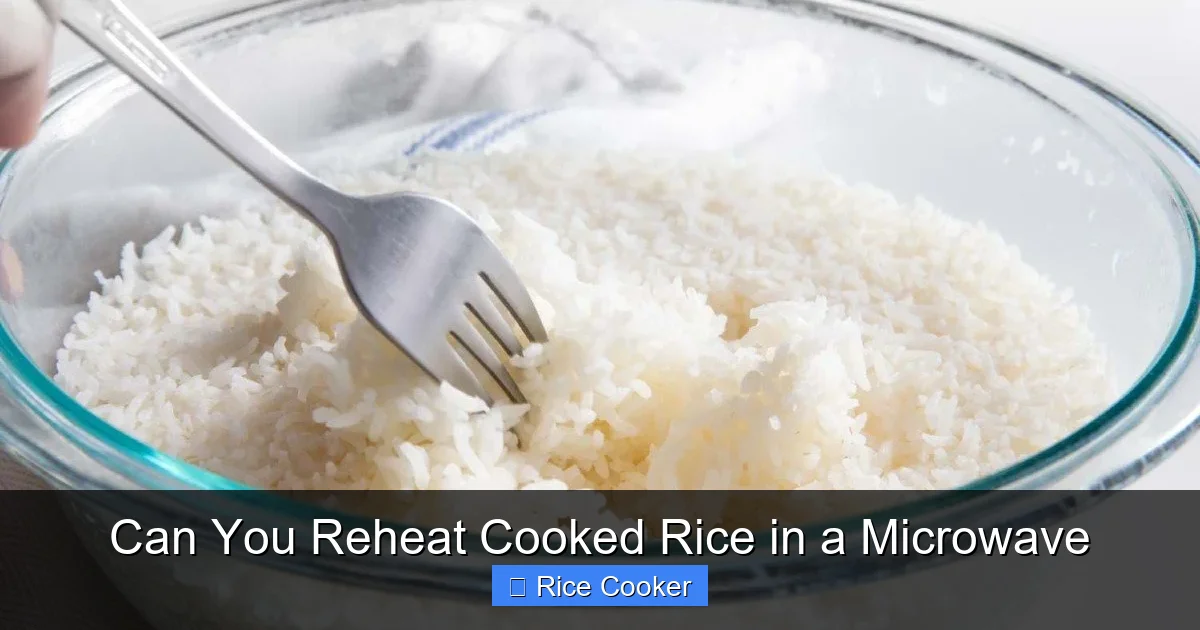
After reheating, fluff the rice with a fork to restore its light, airy texture. This also helps mix in any added liquid or seasonings.
Common Mistakes to Avoid
Even experienced cooks make mistakes when reheating rice. Here are the most common errors and how to fix them.
Mistake 1: Skipping the Water
Dry rice reheats tough and chewy. Always add a bit of liquid. Think of it like reviving a dry sponge—water brings it back to life.
Mistake 2: Overcooking
Microwaves vary in power. Overheating turns rice into a gluey mess. Use short intervals and test frequently.
Mistake 3: Not Stirring
Cold spots lead to uneven heating and potential food safety issues. Stir after each interval.
Mistake 4: Reheating More Than Once
Never reheat rice twice. Each reheating cycle increases the risk of bacterial regrowth. Make enough for one serving, or freeze extras.
Mistake 5: Using Old Rice Beyond Safe Limits
Refrigerated rice older than 5 days should be discarded. Freeze it instead if you won’t use it soon.
Tips for Perfectly Reheated Rice Every Time
Want your reheated rice to taste just as good as the first time? Try these expert tips.
Use a Lid or Paper Towel Cover
Covering traps steam, keeps rice moist, and prevents splatters. A damp paper towel works great—just fold it over the bowl.
Rotate the Bowl
Some microwaves have hot spots. Rotate the bowl 90 degrees halfway through heating for even warmth.
Add Flavor During Reheating
Stir in soy sauce, butter, herbs, or garlic while reheating. This refreshes flavor better than adding toppings afterward.
Reheat in Smaller Portions
Smaller amounts heat faster and more evenly. Divide large batches into single-serving portions before reheating.
Experiment with Broth Instead of Water
Vegetable or chicken broth adds flavor and moisture. Great for soups, fried rice, or casseroles.
Check for Texture Before Serving
If rice is still too firm, add a teaspoon of water and heat for 10 more seconds. Don’t overdo it—rice continues to cook as it sits.
Reheating Different Types of Rice
Not all rice is created equal. The method you use may vary depending on the type of rice and how it was originally cooked.
White Rice
Most common and easiest to reheat. Follow standard microwave steps. White rice holds moisture well and reheats smoothly.
Brown Rice
Denser and chewier. May need a bit more liquid and longer reheating time. Brown rice can be harder to revive if overcooked.
Fried Rice
Best reheated with a splash of soy sauce and a pat of butter. Stir-fry-style rice often has eggs and veggies that benefit from quick reheating.
Coconut Rice
Add a bit of coconut milk while reheating to restore richness. Cover well to prevent moisture loss.
Jasmine or Basmati Rice
Aromatic varieties can lose their scent if dried out. Reheat with a drop of oil or a pinch of salt to enhance flavor.
Instant Rice or Rice Pudding
These may break down during reheating. Use low power and frequent stirring to avoid clumping.
Alternative Reheating Methods
While microwaves are convenient, other methods can yield better texture or flavor. Consider these options.
Stovetop Reheating
Place rice in a saucepan with a splash of water. Cover and heat on low-medium, stirring occasionally. This method gives better control over texture.
Oven Reheating
Spread rice on a baking sheet, drizzle with water, and cover with foil. Bake at 300°F for 10–15 minutes. Great for larger batches.
Steamer Basket
Use a steamer basket over boiling water. This gently reheats rice without drying it out. Ideal for delicate grains.
Air Fryer
Spray rice with oil, add water, and reheat at 300°F for 3–5 minutes. Air fryers give rice a slightly crispy edge—great for fried rice.
How Long Does Reheated Rice Last?
Even after reheating, rice should be treated as a perishable food. Here’s how long you can safely keep it.
Reheated Rice in the Fridge
Consume within 24–48 hours. Label it clearly so you don’t forget.
Frozen Reheated Rice
You can refreeze rice, but texture may suffer. Best for soups or casseroles where texture isn’t critical.
Signs of Spoiled Rice
Discard rice if it smells sour, has mold, slimy texture, or unusual color. When in doubt, throw it out.
Conclusion: Enjoy Your Rice—Safely and Deliciously
So, can you reheat cooked rice in a microwave? Yes, absolutely—and with the right steps, you can do it safely, quickly, and with excellent results. Microwaves aren’t just for popcorn and leftovers; they’re powerful tools for bringing back your favorite grain-based meals. The key lies in understanding the risks, using proper storage, and following a few simple reheating rules.
Remember: reheating isn’t optional when it comes to rice safety. Whether you’re warming up last night’s fried rice or reviving a pot of plain white rice, taking the time to do it right protects your health and improves your meal quality. Add a splash of water, cover it, stir halfway, and heat in short bursts—and you’ll have perfectly reheated rice every time.
With these tips, you’ll never waste rice again. And you’ll always have a quick, nutritious option ready to go. So next time you’re tempted to toss out those leftovers, remember: with a little care and attention, your rice can be just as good—or even better—the second time around.
Frequently Asked Questions
Is it safe to reheat rice in the microwave?
Yes, it’s safe to reheat rice in the microwave as long as you follow proper guidelines. Always ensure the rice reaches at least 165°F and avoid reheating more than once.
How long should I reheat rice in the microwave?
Heat in 30-second intervals, stirring between each, until the rice is hot throughout. Total time varies by amount and microwave power, usually 1–3 minutes total.
Do I need to add water when reheating rice in the microwave?
Yes, adding 1–2 tablespoons of water per cup helps prevent dryness and improves texture. Cover the dish to trap moisture.
Can I reheat rice that’s been frozen?
Yes, but thaw it in the refrigerator first. Then reheat immediately using the microwave method with added liquid.
How do I prevent rice from becoming mushy after reheating?
Use short heating intervals, avoid overcooking, and add only a small amount of liquid. Stir frequently to distribute heat evenly.
What’s the best way to store cooked rice for future reheating?
Store in an airtight container in the refrigerator within 2 hours of cooking. Use within 3–5 days for best quality and safety.