

Reheating cooked white rice is not only possible but also safe when done correctly. The key lies in proper storage and controlled reheating to prevent harmful bacteria growth. With simple techniques, you can enjoy leftover rice without sacrificing flavor or texture.
Key Takeaways
- Reheating rice is safe: When stored and reheated properly, cooked white rice can be eaten multiple times without health risks.
- Cool quickly: Always cool rice within two hours of cooking to prevent bacterial growth, especially Bacillus cereus.
- Store in shallow containers: This helps the rice cool faster and reduces the chance of spoilage.
- Use a microwave or stovetop: Both methods work, but microwaving with moisture (like water or broth) yields better results.
- Check temperature: Ensure rice reaches 165°F (74°C) during reheating to kill any potential pathogens.
- Don’t overheat: Repeated reheating increases risk; consume leftovers within 3–4 days.
- Flavor matters: Adding a splash of liquid during reheating keeps rice from drying out.
📑 Table of Contents
- Can You Reheat Cooked White Rice? A Complete Guide to Safe & Delicious Leftovers
- Understanding Rice Safety: Why People Worry About Reheating
- Step-by-Step: How to Reheat Cooked White Rice Safely
- Best Methods for Reheating White Rice
- Tips to Keep Reheated Rice Flavorful and Tasty
- Common Myths About Reheating Rice Debunked
- How Long Does Reheated Rice Last?
- Final Thoughts: Reheat with Confidence
Can You Reheat Cooked White Rice? A Complete Guide to Safe & Delicious Leftovers
You just made a perfect pot of jasmine rice for dinner, but there’s more than enough for tomorrow. Instead of tossing it out, you consider reheating it—but wait… isn’t reheating rice risky? We’ve all heard the warnings: “Never reheat rice!” But here’s the truth—yes, you can reheat cooked white rice safely, as long as you follow a few simple steps. In fact, with the right techniques, reheating rice is one of the easiest ways to reduce food waste and enjoy convenient meals throughout the week.
Cooked white rice is a kitchen staple across cultures and cuisines. From fried rice to rice bowls and side dishes, its versatility is unmatched. But with that convenience comes responsibility—especially when it comes to food safety. The fear around reheating rice often stems from a real concern: the bacterium Bacillus cereus, which can produce heat-stable toxins that survive even boiling. However, this doesn’t mean all reheated rice is dangerous. Understanding how to store, cool, and reheat your rice properly can make the difference between a tasty meal and a stomachache.
Understanding Rice Safety: Why People Worry About Reheating
The Science Behind the Warning
Let’s start with the facts. Bacillus cereus is a common soil bacterium that can contaminate raw rice grains before they’re cooked. When rice is cooked, the starches gelatinize, creating an ideal environment for bacterial spores to grow—even at room temperature. If rice cools slowly or sits out too long, these spores can multiply and produce toxins that cause food poisoning. Symptoms include nausea, vomiting, and diarrhea, typically 1–6 hours after eating affected rice.
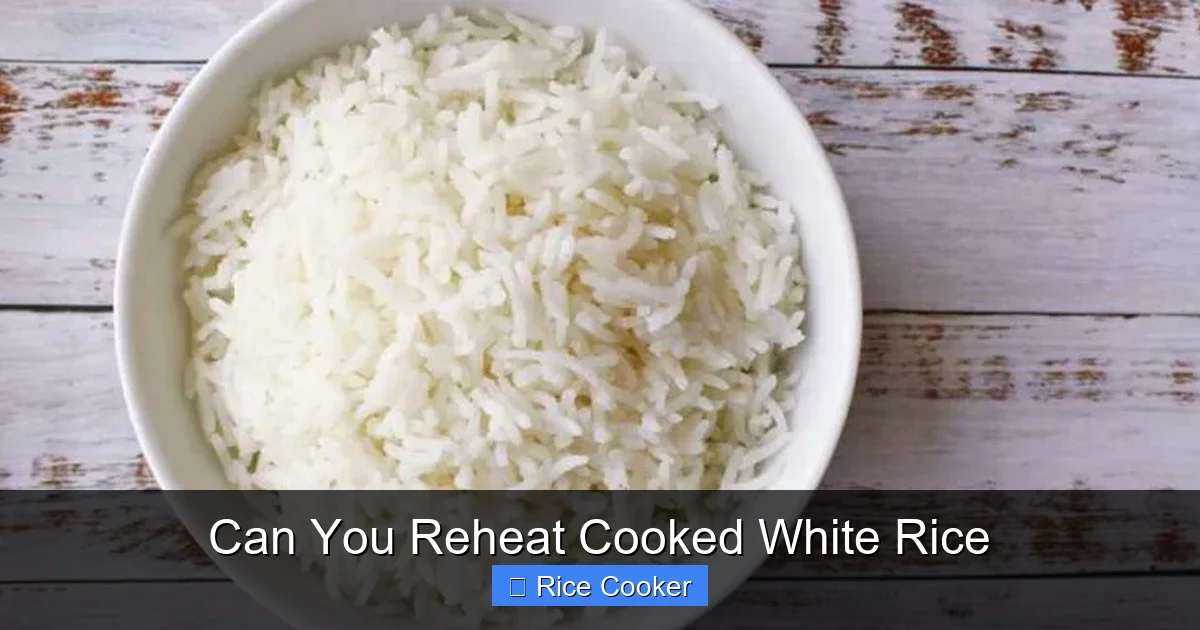
Visual guide about Can You Reheat Cooked White Rice
Image source: iknowallnews.com
This is why food safety experts recommend against letting cooked rice sit at room temperature for more than two hours. But here’s the good news: proper cooling and refrigeration drastically reduce this risk. Once rice is cooled quickly and stored in the refrigerator, the bacteria can’t thrive, and reheating it thoroughly will destroy any remaining live organisms.
How Many Times Can You Reheat Rice?
Technically, you can reheat rice multiple times—but each time increases the risk of quality loss and bacterial contamination. For best results, consume leftover rice within 3–4 days and reheat it only once. Avoid reheating rice more than twice, and never leave it at room temperature for extended periods between uses.
Step-by-Step: How to Reheat Cooked White Rice Safely
Step 1: Cool the Rice Properly After Cooking
After cooking, resist the urge to let rice sit in the pot while you clean up. Instead, transfer it to a shallow container immediately. Shallow containers increase surface area, allowing the rice to cool faster—within the two-hour window recommended by the USDA. Stir occasionally to help distribute heat and speed up cooling.
Visual guide about Can You Reheat Cooked White Rice
Image source: practicalcooks.com
If you’re preparing rice in advance, spread it on a baking sheet to cool first before transferring to a sealed container. This method is especially useful for large batches.
Step 2: Store in the Refrigerator Promptly
Once cooled, cover the rice tightly with a lid or plastic wrap. Label the container with the date so you know when it was prepared. Refrigerate at 40°F (4°C) or below. Do not store rice in open containers or near strong-smelling foods, as rice can absorb odors.
Pro tip: Use airtight glass containers instead of plastic when possible. Glass is less porous and easier to clean, reducing the buildup of bacteria over time.
Step 3: Reheat Thoroughly to 165°F
When you’re ready to eat, reheat the rice until it’s steaming hot throughout. The internal temperature should reach at least 165°F (74°C), which kills any potential bacteria. Microwave, stovetop, or oven methods all work—just ensure even heating.
Best Methods for Reheating White Rice
Microwave Method (Quick & Easy)
The microwave is the fastest way to reheat rice. Here’s how to do it right:
- Place rice in a microwave-safe dish. Add a tablespoon of water or broth to prevent dryness.
- Cover with a microwave-safe lid or damp paper towel to trap steam.
- Heat on high for 1 minute, stir, then heat in 30-second intervals until hot.
- Let stand for 1–2 minutes to allow even heat distribution.
For single servings, try using a small ceramic bowl with a vented lid or a microwave-safe plate covered with plastic wrap poked with holes.
Stovetop Method (Best for Texture)
If you prefer firmer, fluffier rice, the stovetop is your best bet. This method gives you more control over consistency.
- Transfer rice to a saucepan. Add a splash of water or broth.
- Cover and heat over medium-low heat, stirring occasionally.
- Simmer for 5–7 minutes until heated through.
- Remove from heat and let stand, covered, for 2–3 minutes.
This method mimics how fried rice is traditionally reheated and helps restore moisture naturally.
Oven Method (For Large Batches)
Need to reheat a full tray of rice? Use the oven. Preheat to 350°F (175°C). Spread rice evenly on a baking sheet lined with parchment paper. Drizzle with water or broth, cover tightly with foil, and bake for 10–15 minutes, stirring halfway through.
Note: Oven reheating takes longer and may slightly dry out the edges, so monitor closely.
Tips to Keep Reheated Rice Flavorful and Tasty
Add Moisture During Reheating
Rice dries out quickly after refrigeration. To combat this, always add a small amount of liquid—water, broth, or even a pat of butter—during reheating. Steam helps rehydrate the grains without making them mushy.
Fluff with a Fork Before Serving
After reheating, fluff the rice gently with a fork. This restores separation between grains and improves texture. Avoid mashing—this creates a gummy consistency.
Season Lightly
Reheated rice can taste bland. Enhance flavor by adding a pinch of salt, a squeeze of lime, or a sprinkle of fresh herbs. A dash of soy sauce or sesame oil works wonders in Asian-inspired dishes.
Use Rice in Creative Recipes
If plain reheated rice isn’t appealing, transform it into something new. Try:
- Rice Pudding: Mix with milk, sugar, cinnamon, and raisins, then simmer until creamy.
- Fried Rice: Stir-fry with eggs, vegetables, soy sauce, and protein.
- Risotto-style Rice: Simmer with broth for a creamy, comforting dish.
Common Myths About Reheating Rice Debunked
Myth #1: “All Reheated Rice Is Poisonous”
False. While improperly handled rice can be unsafe, properly cooled, refrigerated, and reheated rice is completely safe to eat. The key is following food safety guidelines.
Myth #2: “Freezing Ruins Rice Quality”
Not necessarily. Freezing rice preserves it well for up to 6 months. Just thaw slowly in the fridge and reheat thoroughly. Texture may be slightly altered, but it remains edible and nutritious.
Myth #3: “You Must Eat Rice Within 24 Hours”
Overly cautious. While fresh rice is best, properly stored rice can last 3–4 days in the fridge or much longer when frozen. The two-hour rule applies only to room-temperature storage.
How Long Does Reheated Rice Last?
Reheated rice should be consumed within 3–4 days if kept refrigerated. If frozen, it can last up to 6 months. Always check for signs of spoilage—off smells, sliminess, or unusual colors indicate it’s time to discard.
Final Thoughts: Reheat with Confidence
Reheating cooked white rice doesn’t have to be stressful. By understanding the science behind food safety and using simple techniques, you can enjoy leftover rice safely and deliciously. Whether you’re making fried rice for lunch or warming up a side dish, the process is straightforward and effective.
Remember: cool fast, store tight, reheat hot. With these rules in mind, you’ll never look at a pot of leftover rice the same way again. Not only will you save time and money, but you’ll also reduce food waste—a win for your wallet and the planet.
Next time you cook rice, think beyond the first meal. Plan ahead, store wisely, and reheat with confidence. Your future self—and your taste buds—will thank you.
Frequently Asked Questions
Is it safe to reheat rice more than once?
While technically possible, reheating rice multiple times increases the risk of bacterial growth and texture degradation. For best safety and quality, reheat only once and consume within 3–4 days.
How long can you keep cooked white rice in the fridge?
Cooked white rice can be safely stored in the refrigerator for up to 3–4 days when cooled and covered properly. Always label containers with the date for tracking.
Can you freeze rice for later use?
Yes, cooked white rice freezes well for up to 6 months. Thaw in the refrigerator and reheat thoroughly before serving. Avoid refreezing unless necessary.
Why does reheated rice sometimes taste bad?
Reheated rice can become dry, gummy, or bland if not properly moistened during reheating. Adding liquid like water, broth, or butter helps restore flavor and texture.
Does boiling rice kill Bacillus cereus?
Boiling destroys live bacteria but not preformed toxins produced by Bacillus cereus. That’s why proper cooling and refrigeration are critical—toxins form before cooking, during improper storage.
What’s the fastest way to reheat rice without a microwave?
The stovetop is the next best option. Heat rice with a splash of liquid over low-medium heat, covered, for 5–7 minutes until hot throughout. Stir occasionally for even warming.