
Cooked rice can last 3 to 4 days in the refrigerator if stored properly, but freezing extends its shelf life to up to 6 months. Always cool it quickly, use airtight containers, and reheat thoroughly to avoid foodborne illness. Understanding how to store cooked rice safely ensures you enjoy flavorful, safe meals every time.
Cooked rice is a staple in many households, appearing in everything from stir-fries and fried rice to rice bowls and casseroles. Its versatility and quick preparation make it a go-to meal option across cultures and cuisines. But have you ever wondered: how long can cooked rice actually keep? The answer isn’t just about convenience—it’s about food safety. Consuming spoiled rice can lead to unpleasant gastrointestinal issues, including nausea, vomiting, and diarrhea. Understanding how to store cooked rice properly not only preserves flavor and texture but also protects your health.
The science behind rice spoilage is rooted in a bacterium called Bacillus cereus, which can survive the cooking process and produce heat-stable spores. When cooked rice is left at room temperature, these spores can multiply and release toxins that cause food poisoning. That’s why timing and storage methods are so crucial. Whether you’re using a rice cooker to make a large batch or prepping just enough for dinner, knowing how long cooked rice can keep changes everything.
In this comprehensive guide, we’ll walk through the ins and outs of storing cooked rice, from immediate cooling techniques to advanced freezing strategies. We’ll also share practical tips on reheating, recognizing spoilage, and maximizing shelf life—all tailored for everyday home cooks who want to eat safely and smartly.
Key Takeaways
- Refrigeration Duration: Cooked rice should be refrigerated within 1 hour of cooking and lasts 3–4 days when stored correctly.
- Freezing for Long-Term Storage: Frozen rice can stay safe and edible for up to 6 months; label with dates for easy tracking.
- Proper Cooling Is Critical: Never leave rice sitting at room temperature for more than 2 hours (1 hour above 90°F/32°C).
- Airtight Containers Prevent Contamination: Use sealed plastic containers or vacuum-sealed bags to reduce moisture loss and bacterial growth.
- Reheating Matters: Always reheat rice to an internal temperature of 165°F (74°C) to kill potential bacteria like Bacillus cereus.
- Signs of Spoiled Rice: Discard rice that smells off, feels slimy, or has visible mold—even if it looks okay.
- Portion Control Helps Safety: Freeze rice in small portions to thaw only what you need, reducing waste and risk.
Quick Answers to Common Questions
Can I eat rice that’s been sitting out overnight?
No. Cooked rice left at room temperature for more than 2 hours (or 1 hour in hot weather) should be discarded due to the risk of Bacillus cereus growth, which causes food poisoning even when the rice looks and smells fine.
Is it safe to eat refrigerated rice after 5 days?
Generally no. While some people consume rice up to 5 days old, the safest window is 3 to 4 days. After that, bacterial risks increase, and texture may degrade.
Can I freeze rice in the original pot?
Not recommended. Metal pots can leach chemicals when frozen and are hard to seal. Transfer rice to airtight containers or bags before freezing.
Does rice lose nutrients when frozen?
Rice retains most of its nutrients when frozen. However, prolonged freezing (beyond 6 months) may slightly reduce vitamin content and texture quality.
Can I reheat rice multiple times?
It’s best to avoid reheating rice more than once. Each reheating cycle increases the chance of bacterial contamination and affects texture negatively.
📑 Table of Contents
How Long Can Cooked Rice Be Left Out at Room Temperature?
Leaving cooked rice out at room temperature is one of the fastest ways to invite bacterial growth. The danger zone for food safety is between 40°F (4°C) and 140°F (60°C), where bacteria multiply rapidly. According to the U.S. Food and Drug Administration (FDA), perishable foods like cooked rice should not sit in this range for more than two hours—and only one hour if the ambient temperature exceeds 90°F (32°C).
When rice is freshly cooked, it’s still warm but quickly cools into the danger zone. If you’ve just finished using your rice cooker and plan to serve the rice later, don’t let it rest uncovered on the counter. Instead, transfer it to shallow containers to speed up cooling. The goal is to get the rice below 40°F as quickly as possible—ideally within the first hour.
For example, imagine you’re hosting a family dinner and cooked a pot of jasmine rice for fried rice tomorrow. You’ve plated today’s portion, but the leftover rice sits on the counter overnight. By morning, that rice could harbor enough Bacillus cereus spores to make someone sick—even if it looks and smells fine. This is because the toxin produced by the bacteria is odorless, colorless, and doesn’t affect taste or texture.
So, to summarize: cooked rice should never be left out for more than 2 hours at room temperature. After that window closes, it’s safer to discard it—especially if you live in a hot climate or during summer months.
How Long Does Cooked Rice Last in the Refrigerator?
If you’ve cooled your cooked rice properly and stored it in the refrigerator within the recommended time frame, it can safely last 3 to 4 days. This timeframe applies to all types of rice—white, brown, basmati, jasmine, or even wild rice—though brown rice, with its higher oil content, may lose freshness slightly faster.
To maximize refrigerator life, always use airtight containers. Glass or BPA-free plastic containers with tight-fitting lids work best. Avoid leaving rice in open bowls or uncovered dishes, as this exposes it to air, contaminants, and moisture loss.
Here’s a practical tip: when you’re done eating, portion out the rice you plan to eat soon and freeze the rest. This minimizes how often you open the container and reduces exposure to refrigerator odors and bacteria. For instance, if you made a big batch of coconut-infused jasmine rice for curry, divide it into individual servings before refrigerating.
Another key point: never reheat rice more than once. Repeated heating increases the risk of bacterial contamination. If you have leftover rice after two meals, consider repurposing it into something new—like rice pudding, stuffed peppers, or a hearty salad.
Remember, refrigeration slows bacterial growth but doesn’t stop it entirely. That’s why the 3- to 4-day rule exists. After that, even in the coldest part of your fridge, the risk increases.
Can You Freeze Cooked Rice? How Long Will It Keep?
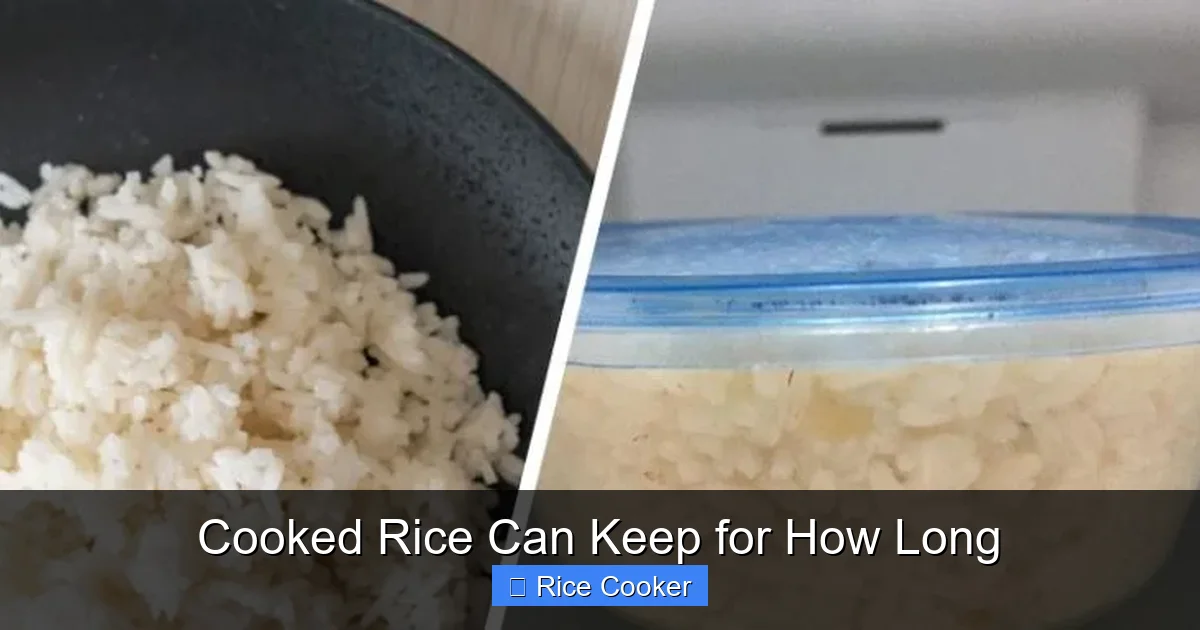
Visual guide about Cooked Rice Can Keep for How Long
Image source: recipeofbangladesh.com
Yes—freezing cooked rice is one of the safest and most effective ways to extend its shelf life. When frozen properly, rice can last up to 6 months without significant loss of quality. In fact, some chefs freeze rice specifically to preserve its starch structure, which helps it hold up better in dishes like fried rice.
To freeze rice effectively, follow these steps:
– Cool the rice completely (within 1–2 hours).
– Divide it into portion-sized amounts.
– Place each portion in an airtight container or freezer-safe bag.
– Label with the date and contents.
– Remove as much air as possible from bags to prevent freezer burn.
Frozen rice should be stored at 0°F (-18°C) or lower. Most home freezers maintain this temperature consistently, making them ideal for long-term storage.
When you’re ready to use frozen rice, thaw it in the refrigerator overnight or reheat it directly from frozen—just ensure it reaches a safe internal temperature. Never thaw rice at room temperature, as this reintroduces the danger zone.
One advantage of freezing is that it halts bacterial growth entirely. While the rice won’t spoil, it may dry out or become crumbly over time. To combat this, add a teaspoon of water or broth when reheating to restore moisture.
Many home cooks swear by this method, especially when meal prepping. Imagine preparing a week’s worth of Asian-inspired meals—you can cook a large batch of rice, freeze it in muffin tins, and pop out portions as needed. It saves time, reduces waste, and keeps your meals consistent.
How to Properly Store Cooked Rice: Step-by-Step Guide
Storing cooked rice correctly is simpler than you might think—but skipping a few steps can lead to wasted food or, worse, foodborne illness. Here’s a foolproof method:
1. Cool Quickly
After removing rice from the rice cooker or pot, spread it in a thin layer on a baking sheet or large tray. Stir occasionally to release heat and speed up cooling. Cover loosely with plastic wrap to prevent drying while allowing airflow. Aim to cool to room temperature within 1–2 hours.
2. Portion and Containerize
Once cooled, divide the rice into meal-sized portions. Choose containers that are freezer-safe and oven-safe if you plan to reheat later. Glass is ideal, but high-quality plastic works too. Leave a little headspace for expansion if freezing.
3. Seal Tightly
Ensure lids are tightly closed. If using plastic bags, squeeze out excess air or use a vacuum sealer. This prevents freezer burn and contamination from fridge odors.
4. Label Everything
Write the date and type of rice on each container. This helps you rotate stock and use older batches first. A simple label system—like “Jasmine Rice – Oct 5”—makes meal prep effortless.
5. Store in the Right Spot
Refrigerate at or below 40°F. For longer storage, place in the coldest part of the freezer—usually the back or bottom. Avoid storing near raw meat or fish to prevent cross-contamination.
Following these steps ensures your rice stays fresh, safe, and delicious. Think of it as giving your rice a proper “cool-down period” and a cozy, protected home in your kitchen.
How to Reheat Cooked Rice Safely
Reheating rice is straightforward, but doing it wrong can ruin the texture or, more importantly, create unsafe conditions. The key is to bring the rice to an internal temperature of 165°F (74°C) throughout.
Microwave Method
Place rice in a microwave-safe dish. Add a splash of water or broth to prevent drying. Cover with a damp paper towel or lid to trap steam. Heat in 30-second intervals, stirring between each, until hot throughout. Let it rest for 1–2 minutes before serving.
Stovetop Method
Heat a skillet over medium-low. Add rice and a tablespoon of oil or butter to prevent sticking. Stir frequently, adding water or broth as needed. Continue cooking until heated through.
Oven Method
Spread rice on a baking sheet or dish. Drizzle with water and cover tightly with foil. Bake at 350°F (175°C) for 15–20 minutes, checking halfway through.
Avoid microwaving rice in plastic containers unless they’re labeled microwave-safe. Always check for uneven heating—some parts may be warm while others remain cold, creating a breeding ground for bacteria.
And remember: if the rice was refrigerated for more than 3 days or frozen beyond 6 months, it’s best to smell and visually inspect it before reheating. If anything seems off, it’s better to err on the side of caution.
Signs Your Cooked Rice Has Gone Bad
Even with perfect storage, rice can spoil. Knowing the signs helps protect your health.
Unpleasant Odor
Fresh rice should smell neutral or faintly nutty. If it emits a sour, ammonia-like, or rotten smell, discard it immediately.
Visible Mold
White, green, or black spots on the surface indicate mold growth. Mold can produce mycotoxins that are harmful even in small amounts.
Slimy Texture
Rice should feel dry and grainy. A sticky, slippery surface suggests bacterial contamination or improper storage.
Discoloration
Darkening or browning of the grains is a red flag. This can result from oxidation or spoilage.
Unusual Taste
Taste a small amount (if safe)—but if it tastes off, bitter, or sour, don’t risk it. When in doubt, throw it out.
Trust your senses. If the rice doesn’t look, smell, or feel right, it’s not worth the risk.
Frequently Asked Questions
How long does cooked rice last in the fridge?
Cooked rice can safely be stored in the refrigerator for 3 to 4 days when kept in an airtight container and cooled promptly. Always check for signs of spoilage before eating.
Can you eat day-old rice?
Yes, day-old rice is generally safe to eat if stored properly in the refrigerator. Many dishes, like fried rice, actually taste better the next day due to improved texture and flavor absorption.
Is it safe to reheat rice?
Yes, as long as it’s reheated to an internal temperature of 165°F (74°C). Use a microwave, stovetop, or oven, and add moisture to prevent dryness. Avoid reheating more than once.
Why does rice sometimes make me sick?
This is often due to Bacillus cereus, a bacterium that produces toxins when rice is improperly stored. These toxins cause food poisoning symptoms like vomiting and diarrhea, even if the rice looks and tastes normal.
Can I freeze rice in plastic bags?
Yes, but use freezer-grade bags and remove as much air as possible to prevent freezer burn. Double-bagging adds extra protection and is recommended for long-term storage.
Does the type of rice affect how long it lasts?
Most rice types have similar shelf lives when stored properly. Brown rice may last slightly less time due to its natural oils, which can go rancid faster than those in white rice.