
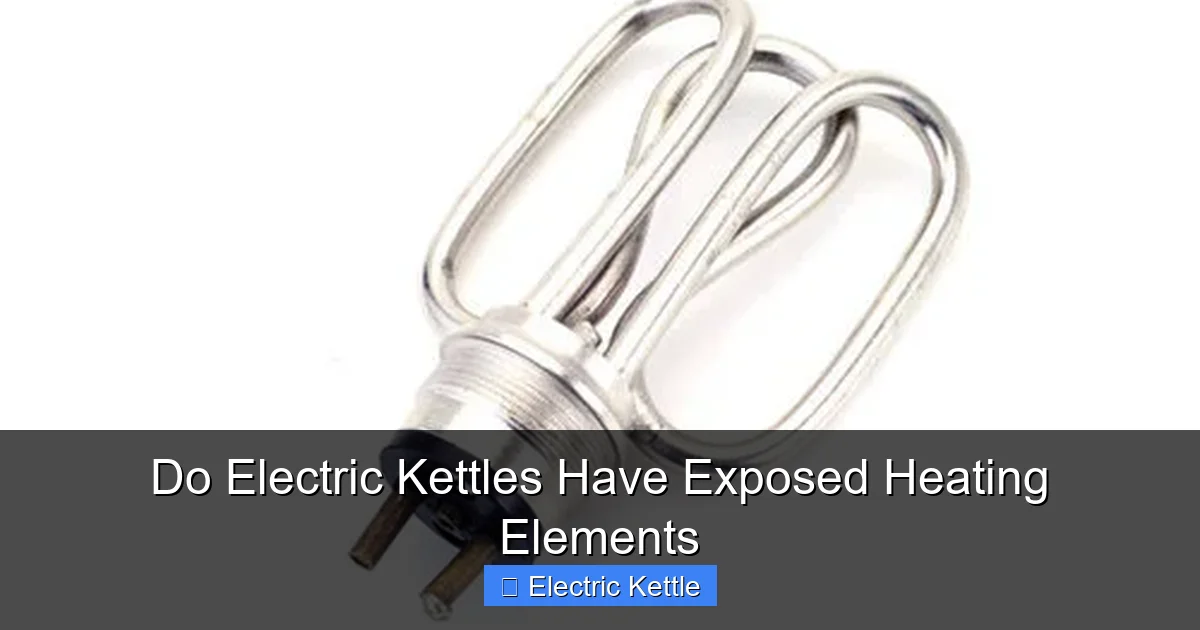
Not all electric kettles have exposed heating elements—many modern models feature concealed coils under a sealed base for improved safety and easier cleaning. Understanding the difference helps you pick a kettle that’s efficient, safe, and built to last.
Key Takeaways
- Exposed vs. concealed elements: Exposed heating elements are visible inside the kettle, while concealed ones are hidden beneath a smooth, sealed base.
- Safety considerations: Concealed elements reduce burn risks and prevent accidental contact with hot surfaces.
- Cleaning and maintenance: Kettles with concealed elements are easier to clean since there’s no coil to scrub around.
- Durability and performance: Exposed elements may heat faster but are more prone to limescale buildup and damage.
- Energy efficiency: Both types can be efficient, but concealed elements often distribute heat more evenly.
- Price and availability: Concealed-element kettles are more common in mid-to-high-end models, while exposed ones are often found in budget options.
- Choosing the right kettle: Consider your priorities—speed, safety, ease of cleaning, and long-term durability—when deciding between the two types.
📑 Table of Contents
- Do Electric Kettles Have Exposed Heating Elements?
- What Is a Heating Element in an Electric Kettle?
- Exposed Heating Elements: How They Work and What to Expect
- Concealed Heating Elements: The Modern Alternative
- Safety Considerations: Which Type Is Safer?
- Cleaning and Maintenance: Which Is Easier?
- Performance and Efficiency: Which Heats Faster?
- How to Choose the Right Electric Kettle for Your Needs
- Conclusion
Do Electric Kettles Have Exposed Heating Elements?
If you’ve ever stood in the kitchen, kettle in hand, wondering how it actually boils water so quickly, you’re not alone. Electric kettles are a staple in homes, offices, and dorm rooms around the world—but how they work under the hood isn’t always clear. One of the most common questions people ask is: *Do electric kettles have exposed heating elements?* The short answer is: it depends. Some do, and some don’t. The design of the heating element—whether it’s visible inside the kettle or hidden beneath a sealed base—can significantly impact safety, performance, cleaning, and longevity.
Understanding the difference between exposed and concealed heating elements is key to choosing the right electric kettle for your needs. While both types get the job done, they come with distinct advantages and drawbacks. For instance, exposed elements may heat water faster, but they’re harder to clean and pose a higher risk of burns. On the other hand, concealed elements offer a sleek, modern look and are much easier to maintain, though they might take a few extra seconds to boil. Whether you’re upgrading your current kettle or buying your first one, knowing what’s inside can help you make a smarter, safer choice.
In this guide, we’ll dive deep into the world of electric kettle heating elements. We’ll explore how each type works, compare their pros and cons, and give you practical tips for choosing the best option for your kitchen. By the end, you’ll know exactly what to look for—and what to avoid—when shopping for your next electric kettle.
What Is a Heating Element in an Electric Kettle?
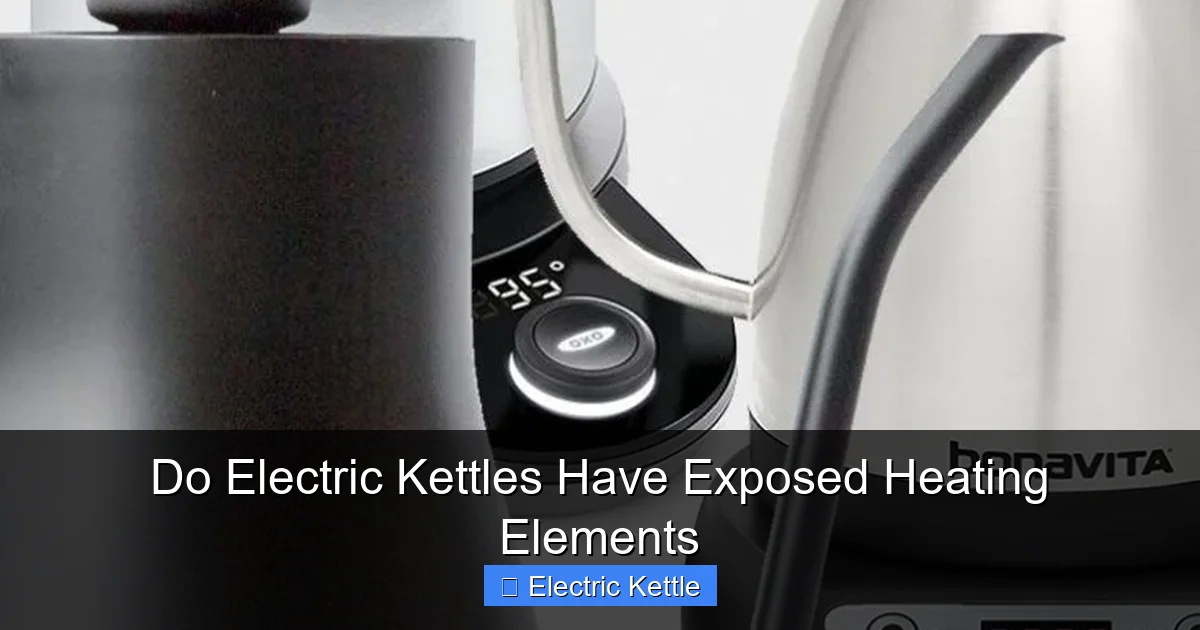
Visual guide about Do Electric Kettles Have Exposed Heating Elements
Image source: ohhowcivilized.com
At the heart of every electric kettle is a heating element—a coil or plate that converts electrical energy into heat. When you plug in your kettle and press the boil button, electricity flows through this element, causing it to heat up rapidly. The heat is then transferred to the water, bringing it to a boil in just a few minutes. It’s a simple yet effective process that has made electric kettles one of the most convenient kitchen appliances available.
But not all heating elements are created equal. The design, material, and placement of the element can vary widely between models. Some kettles use a spiral-shaped coil made of stainless steel or nichrome wire, while others feature a flat, disc-like plate. The key difference, however, lies in whether that element is *exposed* or *concealed*. An exposed heating element is one that you can see inside the kettle—usually a coiled wire sitting at the bottom, directly in contact with the water. A concealed element, by contrast, is hidden beneath a smooth, sealed base, so you never see the actual heating component.
The choice between these two designs affects more than just aesthetics. It influences how the kettle performs, how safe it is to use, and how easy it is to clean. For example, an exposed element might transfer heat more directly, potentially speeding up boiling time. But it also means that mineral deposits from hard water can build up directly on the coil, reducing efficiency over time. A concealed element, while slightly slower, is protected from direct contact with water, which helps prevent scaling and makes maintenance much simpler.
Exposed Heating Elements: How They Work and What to Expect
Design and Function
Electric kettles with exposed heating elements feature a visible coil—usually made of stainless steel or a nickel-chromium alloy—that sits at the bottom of the kettle, directly submerged in water. When the kettle is turned on, electricity passes through this coil, causing it to heat up quickly. The heat is then transferred directly to the surrounding water, which begins to warm and eventually boil. This direct contact allows for rapid heat transfer, which is why many people notice that kettles with exposed elements seem to boil water faster than their concealed counterparts.
These kettles are often found in more affordable models and are popular in regions where cost is a primary concern. They’re simple in design, easy to manufacture, and reliable when maintained properly. Because the heating element is in direct contact with the water, there’s minimal energy loss, which can make them slightly more efficient in terms of heat transfer. However, this same direct contact also means that the element is constantly exposed to minerals and impurities in the water, especially if you live in an area with hard water.
Pros of Exposed Heating Elements
One of the biggest advantages of exposed heating elements is speed. Because the coil is in direct contact with the water, heat is transferred almost instantly, allowing the kettle to reach boiling point faster than many concealed-element models. This can be a major plus if you’re in a hurry—whether you’re making a quick cup of tea before work or boiling water for instant noodles during a late-night snack.
Another benefit is cost. Kettles with exposed elements are typically less expensive to produce, which means they’re often more budget-friendly for consumers. If you’re looking for a basic, no-frills kettle that gets the job done without breaking the bank, an exposed-element model might be a good fit. They’re also widely available, so you won’t have trouble finding one at most department stores or online retailers.
Cons of Exposed Heating Elements
Despite their speed and affordability, exposed heating elements come with several drawbacks. The most obvious is the risk of burns. Because the coil is visible and directly accessible, there’s a chance of accidentally touching it—especially if the kettle is opened while still hot. This is particularly dangerous for households with children or pets, who might not understand the dangers of hot surfaces.
Cleaning is another challenge. Over time, mineral deposits from hard water can build up on the coil, forming a crusty layer known as limescale. This not only looks unappealing but can also reduce the kettle’s efficiency and even affect the taste of your water. Removing limescale from an exposed coil requires scrubbing with vinegar or a specialized descaling solution, which can be time-consuming and frustrating. In severe cases, the buildup can damage the element, leading to overheating or failure.
Durability is also a concern. Because the element is constantly exposed to water and heat, it’s more prone to corrosion and wear over time. Even with regular cleaning, the coil may eventually degrade, requiring a replacement or a new kettle altogether. Additionally, if the kettle is dropped or knocked over, the exposed coil is more likely to become bent or damaged, which can affect performance or create safety hazards.
Concealed Heating Elements: The Modern Alternative
Design and Function
Concealed heating elements represent the more modern approach to electric kettle design. Instead of a visible coil inside the kettle, the heating element is hidden beneath a smooth, sealed base—usually made of stainless steel or another heat-resistant material. When the kettle is turned on, electricity heats the concealed element, which then transfers heat through the base to the water above. This indirect method of heating is slightly slower than direct contact, but it offers significant advantages in terms of safety, cleanliness, and longevity.
These kettles are often found in mid-to-high-end models and are popular in households that prioritize ease of use and maintenance. The sealed base not only protects the heating element from water and minerals but also creates a sleek, modern look that many users prefer. Because there’s no coil to see or clean, the interior of the kettle remains smooth and easy to wipe down with a damp cloth.
Pros of Concealed Heating Elements
Safety is one of the biggest advantages of concealed heating elements. Since the heating component is hidden beneath a sealed base, there’s no risk of accidentally touching a hot coil—even if the kettle is opened while still warm. This makes concealed-element kettles a much safer choice for families with young children or pets. There’s also no exposed metal to corrode or degrade over time, which reduces the risk of electrical faults or short circuits.
Cleaning is significantly easier with a concealed element. Without a coil to scrub around, you can simply wipe the inside of the kettle with a sponge or cloth. Limescale buildup is still possible on the base, but it’s much easier to remove since the surface is flat and smooth. Many models even come with built-in descaling indicators or self-cleaning features to help maintain performance over time.
Durability is another strong point. Because the heating element is protected from direct contact with water, it’s less likely to suffer from corrosion or mineral buildup. This means the kettle can last longer and maintain consistent performance, even with regular use. Additionally, the sealed design reduces the risk of damage from drops or impacts, making these kettles more resilient in busy kitchens.
Cons of Concealed Heating Elements
The main downside of concealed heating elements is speed. Because heat must travel through the base before reaching the water, boiling times are generally a bit longer than with exposed elements. While the difference is usually only 30 seconds to a minute, it can be noticeable if you’re in a rush. However, for most users, this minor delay is a worthwhile trade-off for the added safety and convenience.
Another consideration is cost. Kettles with concealed elements are typically more expensive than their exposed counterparts, due to the more complex design and higher-quality materials. If you’re on a tight budget, you might find that concealed-element models are out of your price range. That said, many users find that the long-term benefits—such as lower maintenance and longer lifespan—make the investment worthwhile.
Finally, if the concealed element does fail, repairs can be more difficult and costly. Unlike exposed coils, which can sometimes be replaced or repaired, concealed elements are often integrated into the base of the kettle. This means that if something goes wrong, you may need to replace the entire unit rather than just the heating component.
Safety Considerations: Which Type Is Safer?
When it comes to kitchen appliances, safety should always be a top priority—and electric kettles are no exception. The design of the heating element plays a crucial role in determining how safe a kettle is to use, especially in households with children, elderly individuals, or pets. So, which type is safer: exposed or concealed?
Exposed heating elements pose a clear burn risk. Because the coil is visible and directly accessible, there’s a chance of accidentally touching it—especially if the kettle is opened while still hot. This can result in serious burns, particularly if the water inside is near boiling temperature. Additionally, if the kettle is dropped or knocked over, the exposed coil can become bent or damaged, potentially creating electrical hazards or causing the element to overheat.
Concealed heating elements, on the other hand, are much safer by design. The sealed base prevents any contact with the heating component, eliminating the risk of burns from touching a hot coil. This makes them ideal for families with young children or pets who might be curious about the inside of the kettle. The enclosed design also reduces the risk of electrical faults, as the element is protected from moisture and physical damage.
Another safety advantage of concealed elements is their resistance to limescale buildup. When mineral deposits accumulate on an exposed coil, they can cause hot spots that lead to overheating or even element failure. Concealed elements are less prone to this issue, as the smooth base allows for more even heat distribution and easier cleaning. This not only improves safety but also extends the life of the kettle.
That said, both types of kettles are generally safe when used properly. Most modern models come with built-in safety features such as automatic shut-off, boil-dry protection, and cool-touch handles. These features help prevent accidents and ensure that the kettle turns off if it overheats or runs out of water. However, the inherent design of concealed elements gives them an edge in terms of overall safety and peace of mind.
Cleaning and Maintenance: Which Is Easier?
One of the most overlooked aspects of electric kettle ownership is cleaning and maintenance. While it might seem like a minor detail, how easy it is to keep your kettle clean can have a big impact on its performance, lifespan, and even the taste of your water. So, which type of heating element is easier to maintain?
Exposed heating elements require more hands-on care. Because the coil is directly in contact with water, it’s prone to limescale buildup—especially if you live in an area with hard water. Over time, this mineral crust can reduce heating efficiency, cause strange noises, and even impart a metallic taste to your water. To clean an exposed element, you’ll need to soak the kettle in a mixture of vinegar and water, then scrub the coil with a soft brush or sponge. This process can be time-consuming and messy, and if not done regularly, the buildup can become difficult to remove.
Concealed heating elements, by contrast, are much easier to clean. With no coil to scrub around, you can simply wipe the smooth interior with a damp cloth. Limescale can still form on the base, but it’s much easier to remove since the surface is flat and accessible. Many concealed-element kettles also come with descaling indicators or self-cleaning modes that alert you when it’s time to clean and help dissolve mineral deposits automatically.
In terms of long-term maintenance, concealed elements have a clear advantage. Because they’re protected from direct contact with water, they’re less likely to corrode or degrade over time. This means fewer repairs, longer lifespan, and more consistent performance. Exposed elements, while functional, require more frequent cleaning and are more prone to damage, which can lead to earlier replacement.
Performance and Efficiency: Which Heats Faster?
When it comes to performance, the debate between exposed and concealed heating elements often centers on speed. Which type heats water faster? The answer depends on several factors, including the design of the element, the power of the kettle, and the quality of the materials used.
Exposed heating elements typically heat water faster because the coil is in direct contact with the water. This allows for rapid heat transfer, meaning the kettle can reach boiling point in just a few minutes. For example, a 1500-watt kettle with an exposed element might boil a liter of water in under four minutes. This speed is one of the main reasons why exposed elements are still used in many budget and entry-level models.
Concealed heating elements, on the other hand, rely on indirect heat transfer. The element heats the base, which then warms the water above. This process is slightly slower, so boiling times are generally a bit longer—often by 30 seconds to a minute. However, the difference is usually minimal and may not be noticeable in everyday use. Many concealed-element kettles also use higher-quality materials and more efficient designs, which can help offset the slight delay.
Energy efficiency is another consideration. While exposed elements may transfer heat more directly, they’re also more prone to heat loss due to scaling and corrosion. Over time, this can reduce efficiency and increase energy consumption. Concealed elements, with their protected design and even heat distribution, often maintain consistent performance and efficiency over the long term.
How to Choose the Right Electric Kettle for Your Needs
Choosing between an exposed and concealed heating element ultimately comes down to your priorities. If you value speed and affordability, an exposed-element kettle might be the right choice. But if you prioritize safety, ease of cleaning, and long-term durability, a concealed-element model is likely the better option.
Consider your household. Do you have children or pets? If so, the added safety of a concealed element is worth the extra cost. Do you live in an area with hard water? A concealed element will be much easier to maintain and less prone to scaling.
Think about your usage habits. Do you need water to boil as quickly as possible? An exposed element might save you a minute or two. But if you’re willing to wait a little longer for a safer, cleaner, and more durable kettle, go with concealed.
Finally, consider your budget. While concealed-element kettles are generally more expensive, they often come with additional features like temperature control, keep-warm functions, and sleek designs. If you can afford the investment, it’s likely to pay off in the long run.
Conclusion
So, do electric kettles have exposed heating elements? The answer is: some do, and some don’t. Both designs have their place in the market, and each offers unique benefits and drawbacks. Exposed elements are fast and affordable but require more maintenance and pose safety risks. Concealed elements are safer, easier to clean, and more durable, though they may cost more and heat slightly slower.
By understanding the differences between these two types, you can make a more informed decision when shopping for your next electric kettle. Consider your needs, your lifestyle, and your priorities—and choose the kettle that best fits your kitchen. Whether you go with exposed or concealed, the right electric kettle can make your daily routine faster, safer, and more enjoyable.
Frequently Asked Questions
Are electric kettles with exposed heating elements dangerous?
They can be more dangerous than concealed-element models because the hot coil is directly accessible, increasing the risk of burns. However, with proper use and caution, they are generally safe.
Can I clean an exposed heating element with vinegar?
Yes, soaking the kettle in a mixture of equal parts white vinegar and water for 30–60 minutes can help dissolve limescale. Scrub gently with a soft brush, then rinse thoroughly.
Do concealed heating elements take longer to boil water?
They may take 30 seconds to a minute longer than exposed elements due to indirect heat transfer, but the difference is usually minimal and often unnoticeable in daily use.
Which type of kettle is better for hard water areas?
Concealed-element kettles are better for hard water areas because the smooth base is easier to clean and less prone to scaling than an exposed coil.
Can I repair a kettle with a broken concealed heating element?
Repairs are often difficult and costly because the element is sealed into the base. In most cases, it’s more practical to replace the entire kettle.
Are concealed heating elements more energy efficient?
Not necessarily faster, but they often maintain efficiency longer due to reduced scaling and even heat distribution, which can lead to better long-term energy use.