
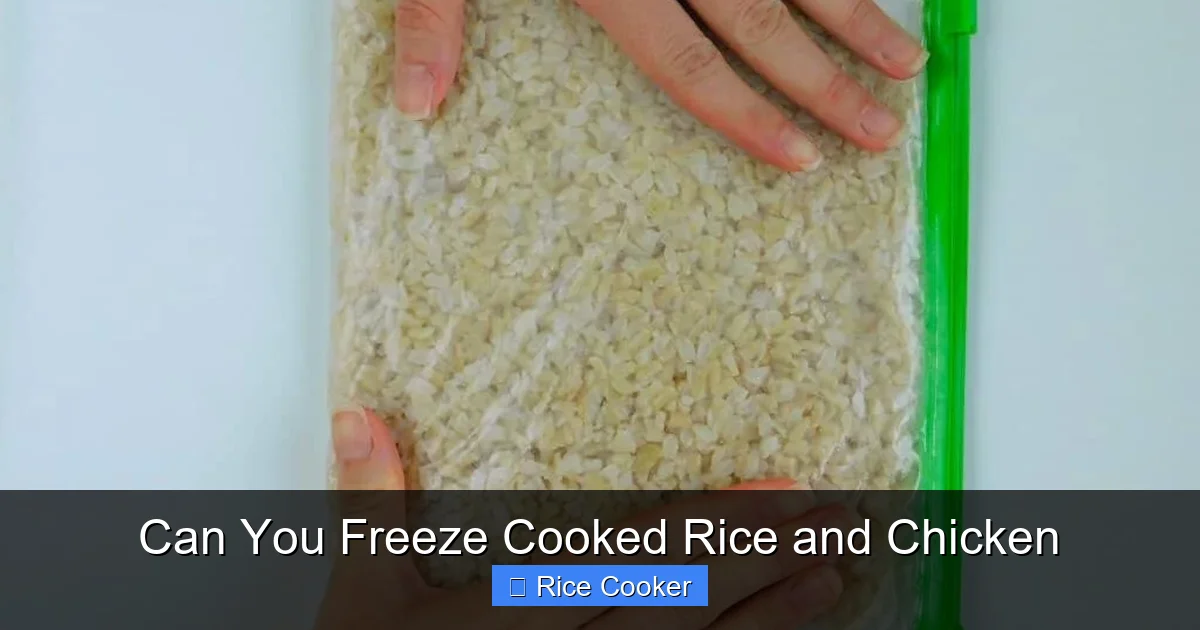
Can you freeze cooked rice and chicken? Absolutely! Freezing these staples is a smart way to cut down on prep time and minimize food waste. Whether you’re meal prepping or just have leftovers, storing them correctly ensures they stay safe and tasty. With the right techniques, you can enjoy your favorite dishes straight from the freezer—no compromise on flavor or safety.
Have you ever come home from work exhausted, only to realize there’s nothing to eat but last night’s leftovers? Or maybe you’ve cooked a big batch of fried rice with grilled chicken, only to find it’s too much for one meal? If so, you’re not alone. Life gets busy, and sometimes the best solution isn’t tossing food—it’s freezing it.
Can you freeze cooked rice and chicken? The short answer is yes—absolutely! Both are excellent candidates for freezing because they’re versatile, nutrient-dense, and hold up surprisingly well when stored correctly. Whether you’re meal prepping for the week or saving leftovers to avoid waste, freezing cooked rice and chicken is a practical and smart choice.
In this guide, we’ll walk through everything you need to know—from how to freeze them safely to how to bring them back to life when hunger strikes. You’ll learn the science behind freezing, the best packaging tips, and creative ways to use your frozen meals. Plus, we’ll share expert advice on avoiding common mistakes that can ruin texture and flavor. By the end, you’ll feel confident turning last night’s dinner into tomorrow’s lunch—frozen, thawed, and delicious.
Let’s get started!
Key Takeaways
- Freezing cooked rice and chicken is safe and effective. When stored properly, both retain their texture and flavor for weeks.
- Proper packaging prevents freezer burn and contamination. Use airtight containers or heavy-duty freezer bags with minimal headspace.
- Labeling with dates helps track freshness. Most cooked rice lasts 1–2 months; chicken stays best at 2–3 months in the freezer.
- Thawing should be done safely in the fridge, cold water, or microwave. Avoid room-temperature thawing to prevent bacterial growth.
- Reheating brings back great taste without drying out the food. Steam, warm in sauce, or use a rice cooker for even heat distribution.
- Quality matters before freezing. Only freeze freshly cooked, cooled rice and chicken—never partially eaten or spoiled items.
- Meal prep becomes effortless with frozen portions. Portion control saves time during busy weekdays.
Quick Answers to Common Questions
Can you freeze cooked rice and chicken together?
Yes, you can freeze cooked rice and chicken together in the same container or bag. Just make sure they’re cooled, portioned, and sealed properly. It’s especially convenient for meals like fried rice or stir-fry.
How long does frozen chicken last?
Cooked chicken stays best for 2 to 3 months in the freezer. After that, texture and flavor may decline, though it’s still safe to eat if stored correctly.
Does freezing ruin the taste of rice?
Not if done right. Freezing preserves rice well for up to 8 months. The key is rapid cooling, proper packaging, and avoiding large ice crystals that affect texture.
Can you freeze rice from a rice cooker?
Absolutely! Rice cooked in a rice cooker freezes just as well as any other type. Cool it down, pack it tightly, and label it with the date.
Is it safe to reheat frozen chicken and rice multiple times?
It’s okay to reheat once or twice, but frequent reheating dries out the food and increases the risk of bacterial growth. Try to use frozen meals within 1–2 days of thawing.
📑 Table of Contents
- Why Freeze Cooked Rice and Chicken?
- How Long Can You Freeze Cooked Rice and Chicken?
- Step-by-Step Guide to Freezing Cooked Rice and Chicken
- Best Practices for Storing Frozen Rice and Chicken
- How to Thaw Frozen Rice and Chicken Safely
- How to Reheat Frozen Rice and Chicken Perfectly
- Common Mistakes to Avoid When Freezing Rice and Chicken
- Creative Ways to Use Frozen Rice and Chicken
- Food Safety Tips When Freezing and Reheating
Why Freeze Cooked Rice and Chicken?
Freezing isn’t just about preserving food—it’s about preserving time, money, and peace of mind. When you freeze cooked rice and chicken properly, you’re essentially hitting pause on your meal plan. Later, you can press play again with minimal effort. This method is especially helpful for people who want to eat healthier but struggle with consistent meal planning.
One major benefit is reducing food waste. According to the USDA, millions of pounds of food go uneaten each year simply because people don’t know how to store or reuse leftovers. By freezing rice and chicken, you extend their shelf life significantly—sometimes by weeks or even months. That means fewer trips to the grocery store and more savings in your budget.
Another advantage is convenience. Imagine waking up on a Monday morning and knowing you’ve got a nutritious bowl of stir-fried rice waiting in the freezer. No last-minute takeout, no skipped meals, no stress. With frozen portions ready to go, you’re setting yourself up for success all week long.
How Long Can You Freeze Cooked Rice and Chicken?
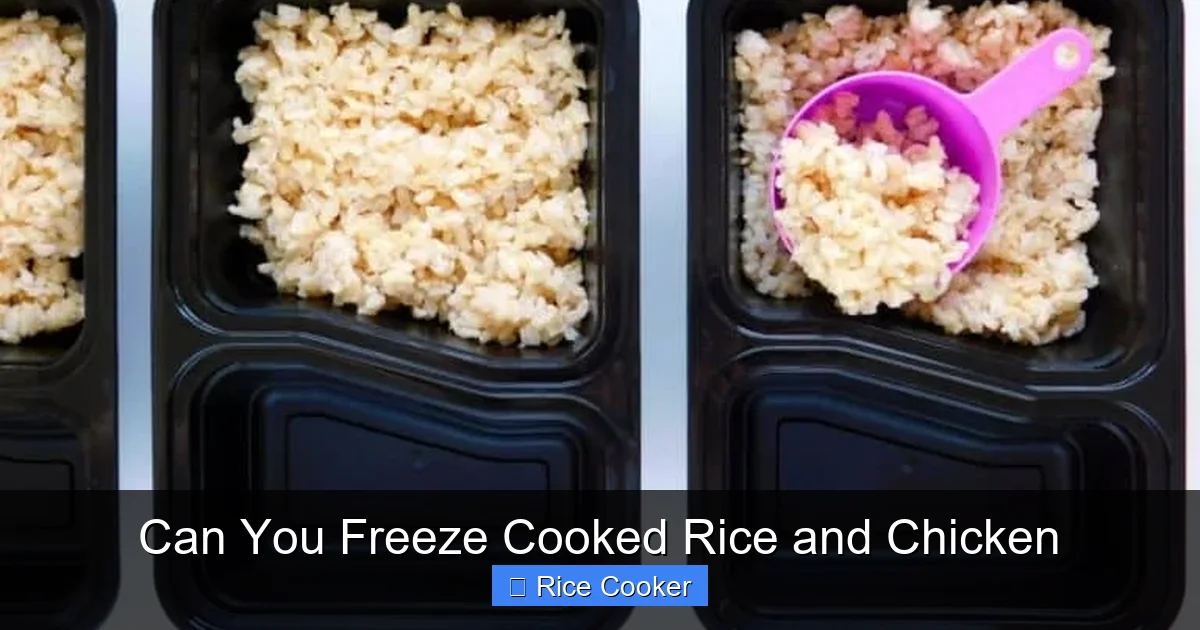
Visual guide about Can You Freeze Cooked Rice and Chicken
Image source: canyoufreezethis.com
Understanding freezer storage times is key to keeping your food safe and delicious. While both rice and chicken can last a while in the freezer, they do have limits.
Cooked White Rice
White rice, whether steamed, fried, or made in a rice cooker, typically keeps well for 6 to 8 months in the freezer. After that point, quality starts to decline—texture may become slightly gummy, and flavor can dull. But if stored correctly, it’s still safe to eat beyond 8 months, though not ideal.
Cooked Brown Rice
Brown rice has a shorter lifespan due to its higher oil content. It’s best used within 4 to 6 months. Beyond that, the oils can oxidize, leading to off-flavors and a less appealing mouthfeel. Always check for unusual smells or discoloration before using.
Chicken (Whole Pieces or Diced)
Cooked chicken—whether roasted, grilled, or shredded—can be frozen for 2 to 3 months without significant loss of quality. Some sources say up to 6 months is possible, but after 3 months, texture and moisture retention begin to drop. Ground chicken or chicken-based dishes like curry or soup may keep slightly longer because they’re already blended.
Remember: These are general guidelines. The real test is how you stored the food. Properly packed, labeled, and never opened containers help maximize longevity.
Step-by-Step Guide to Freezing Cooked Rice and Chicken
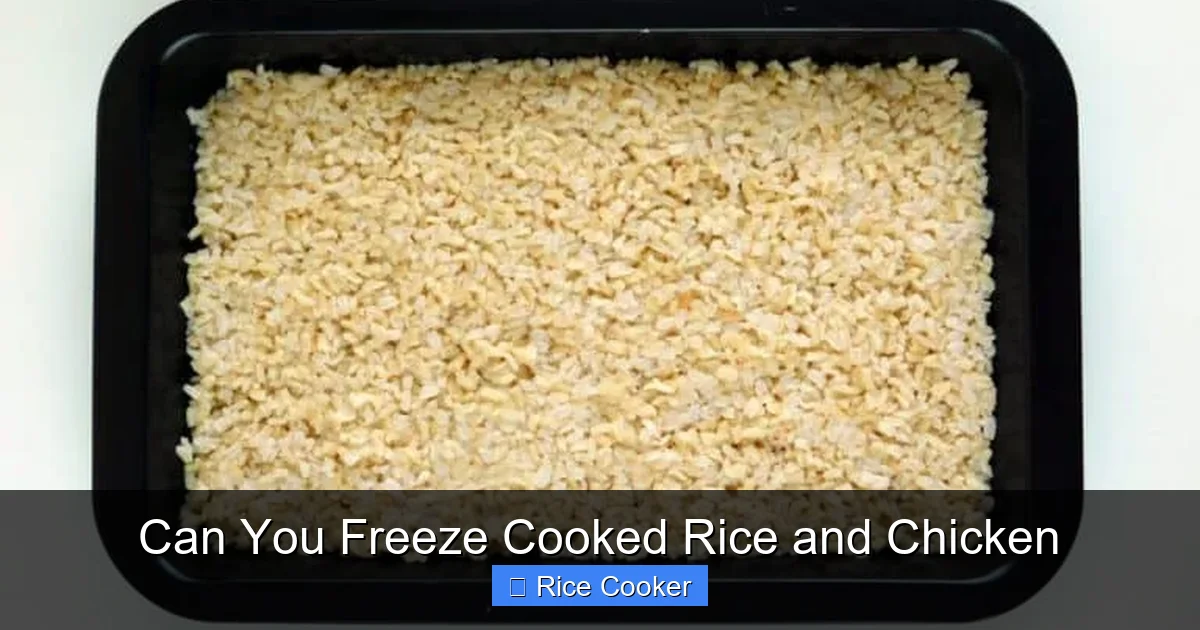
Visual guide about Can You Freeze Cooked Rice and Chicken
Image source: canyoufreezethis.com
Freezing might seem simple, but doing it the right way makes all the difference. Follow these steps to lock in flavor, prevent ice crystals, and keep your food safe.
Step 1: Cool Down Quickly
Never put hot rice or chicken directly into the freezer. Doing so raises the temperature inside your appliance, which can cause other foods to thaw and refreeze. Instead, spread the food out in a shallow container or tray and let it cool at room temperature for 15–30 minutes. This reduces the risk of bacterial growth and speeds up chilling.
Step 2: Portion Control Is Key
Think ahead: How will you eat this later? Divide your rice and chicken into meal-sized portions. For example, if you made 4 servings of chicken and rice, portion it into four equal containers. That way, you only thaw what you need—keeping the rest fresh.
Step 3: Use Airtight Containers or Freezer Bags
Choose containers with tight seals or heavy-duty freezer bags. Squeeze out as much air as possible to minimize freezer burn. If using jars, leave about ½ inch of headspace—rice expands when frozen. Label each container with the contents and date. Trust us, you’ll thank yourself when you see “Chicken Fried Rice – Oct 2024” instead of guessing.
Step 4: Flash Freeze for Better Texture
For rice especially, flash freezing helps prevent clumping. Spread individual portions on a baking sheet lined with parchment paper and place it in the freezer for 1–2 hours. Once solid, transfer the rice to a bag or container. This step is optional but highly recommended for rice lovers.
Best Practices for Storing Frozen Rice and Chicken
Even after freezing, proper storage continues to protect your food. Here’s how to keep things in top shape.
Avoid Cross-Contamination
Always use clean utensils and containers. Never reuse plastic bags from raw meat unless washed first. Separate raw and cooked foods—both in the fridge and freezer—to prevent bacteria transfer.
Keep Your Freezer at 0°F (-18°C) or Lower
This is the standard recommendation from food safety experts. Any warmer, and bacteria can survive or multiply. Check your freezer thermometer regularly. If it’s fluctuating, consider adjusting the temperature or checking door seals.
Don’t Stack Heavy Items on Top of Food Containers
Pressure can crush containers, damage seals, and expose food to air. Arrange items neatly so nothing sits on top of your meals. Think of it like organizing a library—orderly and accessible.
Use Quality Packaging
Invest in freezer-safe glass or BPA-free plastic containers. Vacuum-sealed bags are also great, but if you don’t have a vacuum sealer, double-bagging works almost as well.
How to Thaw Frozen Rice and Chicken Safely
Thawing is where many people make mistakes—and those mistakes can lead to unsafe food or ruined meals. The golden rule: Never thaw at room temperature. Bacteria grow rapidly between 40°F and 140°F (4°C and 60°C), creating a dangerous environment.
Method 1: Refrigerator Thawing (Recommended)
This is the safest and most convenient method. Transfer the container from the freezer to the fridge and allow 4–6 hours for chicken or 2–4 hours for rice (depending on thickness). Plan ahead—this takes time, but it preserves texture and flavor perfectly.
Method 2: Cold Water Thawing (Fastest Option)
If you’re in a hurry, submerge sealed bags in cold water. Change the water every 30 minutes to keep it cold. Thawing usually takes 1–2 hours. Make sure the bag is fully sealed—water should never touch the food.
Method 3: Microwave Thawing (Use Sparingly)
Only do this if you’re going to cook immediately after. Use the defrost setting and check frequently to avoid partial cooking. Microwaving can unevenly heat certain spots, so rotate or stir as needed.
How to Reheat Frozen Rice and Chicken Perfectly
Reheating is where the magic happens. Done right, your frozen meal tastes like it was just cooked. Done wrong, and you’re left with dry, rubbery chicken or mushy rice.
For Rice:
The best method is steaming. Place the rice in a steamer basket over boiling water for 5–7 minutes. Alternatively, microwave in short bursts (30 seconds) with a splash of water to revive moisture. Stirring halfway helps distribute heat.
For Chicken:
Warm it gently to avoid drying. Add a tablespoon of broth, water, or sauce when reheating—this adds back lost moisture. In the microwave, cover loosely with a damp paper towel to trap steam.
On the Stovetop:
Use a nonstick skillet with a lid. Heat over medium-low, adding liquid if needed. Stir occasionally for even warming.
In a Rice Cooker:
Yes, you can reheat rice in a rice cooker! Just add a teaspoon of water, close the lid, and press the “Cook” button. It’s gentle and effective—especially for leftover fried rice.
Common Mistakes to Avoid When Freezing Rice and Chicken
Even experienced cooks slip up. Let’s clear up some myths and bad habits.
Myth: You Can Freeze Anything, Anytime
False. Only freeze freshly cooked rice and chicken. Leftovers that sat out overnight or had been reheated multiple times are not ideal for freezing. They’ve already passed peak freshness.
Mistake: Not Cooling Before Freezing
Hot food raises freezer temperature, affecting other items. Always cool first.
Mistake: Overpacking or Underpacking
Too little airspace causes crushing; too much leads to freezer burn. Find the sweet spot.
Mistake: Skipping Labels
You’ll forget what’s what—and trust us, you won’t remember what you made six weeks ago.
Mistake: Thawing on Countertop
This is a food safety no-no. Bacteria multiply fast at room temperature.
Creative Ways to Use Frozen Rice and Chicken
Don’t let your frozen meals go to waste—get creative!
Stir-Fries
Defrost rice and chicken, then toss with veggies, soy sauce, and garlic. Sauté in a pan for a quick dinner.
Burrito Bowls
Layer rice, chicken, beans, cheese, and salsa in a bowl. Microwave or bake for a satisfying meal.
Chicken and Rice Casseroles
Mix with cream of mushroom soup, peas, and cheese. Bake until bubbly.
Rice Pudding
Simmer rice with milk, cinnamon, and sugar for a comforting dessert.
Fried Rice (Again!)
Frozen fried rice thaws beautifully and reheats into crispy perfection.
Soups and Stews
Add diced chicken and rice to broth with vegetables. Simmer together for a complete meal.
These ideas turn basic ingredients into gourmet experiences—all thanks to smart freezing.
Food Safety Tips When Freezing and Reheating
Safety comes first. Follow these rules to protect yourself and your family.
- When in doubt, throw it out. Spoiled food looks, smells, or feels off.
- Reheated food should reach an internal temperature of 165°F (74°C).
- Never refreeze food that’s been thawed in the microwave or cold water unless cooked first.
- Discard any rice that’s been sitting out more than 2 hours (or 1 hour above 90°F/32°C).
- Wash hands, surfaces, and utensils thoroughly before and after handling frozen food.
Frequently Asked Questions
Can I freeze rice and chicken the same day I cook them?
Yes, absolutely. As soon as they’ve cooled to room temperature (about 30 minutes), they’re safe to freeze. This preserves maximum flavor and texture.
Should I freeze rice and chicken separately or together?
It depends on your meal plans. For flexibility, freeze them separately. But if you always eat them together—like in fried rice—freezing them together saves space and simplifies thawing.
What’s the best way to thaw frozen rice quickly?
The fastest safe method is cold water thawing. Submerge the sealed container in cold water, changing the water every 30 minutes until thawed, usually within 1–2 hours.
Can I freeze leftover takeout rice and chicken?
Only if it was freshly prepared and hasn’t been sitting out more than 2 hours. Otherwise, discard it. Takeout containers aren’t always freezer-safe either—transfer to glass or plastic.
How do I prevent my frozen rice from getting mushy?
Don’t overcook it before freezing. Cook it al dente slightly. Also, avoid freezing in large chunks—portion into small servings and flash-freeze to maintain grain separation.
Can I freeze chicken that’s already been seasoned with spices?
Yes, but note that strong spices may lose potency over time. Mild seasonings like salt, pepper, or garlic powder hold up better. Consider adding fresh herbs when reheating.