
Can you cook white rice in the microwave? Absolutely! It’s a fast, energy-efficient way to prepare fluffy, delicious rice without needing a stove or traditional rice cooker. With the right technique—proper water-to-rice ratio, covered cooking, and letting it rest—you’ll get restaurant-quality results in under 10 minutes. Whether you’re meal prepping or whipping up dinner in a hurry, microwaving rice is a convenient and reliable option for busy lifestyles.
Key Takeaways
- Microwave-safe container is essential: Use a heatproof glass or ceramic bowl with a lid to prevent splatters and ensure even cooking.
- Correct water ratio is key: For most white rice, use a 1:1.5 to 1:2 ratio of rice to water (e.g., 1 cup rice to 1.5–2 cups water).
- Cooking time varies by quantity: A single serving takes about 5–7 minutes; double that amount may take 8–10 minutes.
- Resting after cooking improves texture: Let the rice sit covered for 2–3 minutes to absorb remaining moisture and fluff up.
- Fluffing with a fork prevents mushiness: Gently stir the rice after resting to separate grains and release steam.
- Seasoning and additions are possible: Add salt, butter, or herbs before cooking for flavor boosts.
- Storage and reheating tips included: Store leftovers properly and reheat with a splash of water to restore softness.
Quick Answers to Common Questions
How much water do I use per cup of rice?
Use 1.5 to 2 cups of water per 1 cup of uncooked white rice. Adjust based on rice type—jasmine and basmati prefer more water.
How long does it take to cook 1 cup of white rice in the microwave?
About 8–10 minutes on high power in a 1000-watt microwave. Stir halfway and let it rest afterward.
Can I cook more than 1 cup of rice in the microwave?
Yes, but limit it to 2 cups per bowl. Larger amounts require longer cooking and increase the risk of unevenness.
Do I need to rinse the rice before microwaving?
It’s optional but recommended. Rinsing removes excess starch and reduces stickiness, resulting in fluffier grains.
Can I add seasonings like salt or spices?
Absolutely. Add a pinch of salt, a knob of butter, or even garlic powder to the water before cooking for extra flavor.
📑 Table of Contents
- Can You Cook White Rice in the Microwave?
- Why Choose the Microwave for Cooking Rice?
- Types of White Rice That Work Best in the Microwave
- Step-by-Step Guide: How to Cook White Rice in the Microwave
- Pro Tips for Perfect Microwave White Rice
- Common Mistakes to Avoid
- Can You Cook Other Grains in the Microwave?
- Frequently Asked Questions About Microwaving White Rice
Can You Cook White Rice in the Microwave?
If you’ve ever found yourself staring at an empty pantry, wondering what to eat for dinner, chances are you reached for a bag of white rice. It’s versatile, affordable, and pairs well with almost any dish—from stir-fries to curries to simple side dishes. But when your stove is out of commission or you’re just too lazy to wash another pot, the question arises: Can you cook white rice in the microwave?
The short answer? Yes, absolutely. In fact, microwaving rice is one of the fastest and most energy-efficient ways to prepare it, especially if you only need a small portion. While traditional stovetop methods have their charm, the microwave offers convenience, speed, and surprisingly consistent results—when done correctly. Whether you’re cooking jasmine, basmati, or long-grain white rice, this method works beautifully with minimal effort.
Why Choose the Microwave for Cooking Rice?
You might be thinking, “But isn’t the microwave just for popcorn and leftovers?” Not anymore. Modern kitchens have evolved, and so has our understanding of what the microwave can do. When it comes to white rice, the microwave delivers several advantages that make it a go-to option for many home cooks:

Visual guide about Can You Cook White Rice in the Microwave
Image source: static01.nyt.com
Speed and Convenience
There’s no waiting for a pot to come to a boil or simmer. With the microwave method, you combine rice and water, cover, and zap it for 5–10 minutes. That’s it. No stirring, no watching the clock—just set it and forget it (well, almost).
Energy Efficiency
Compared to using the stove, the microwave uses less electricity. Since it heats food directly from within, there’s minimal heat loss. If you’re trying to cut down on energy bills or reduce kitchen clutter, this is a smart choice.
Less Mess
No boiling over, no scrubbing sticky pots. Just a single microwave-safe bowl and a plate to catch any drips. Cleanup is a breeze—usually just rinsing the bowl.
Perfect for Small Portions
If you’re cooking for one or two people, making a full pot on the stove can be wasteful. The microwave lets you cook exactly what you need—no excess rice to store or reheat later.
Consistent Results with Practice
Once you master the basics, you’ll find the microwave gives you reliable, fluffy rice every time. And unlike some appliances, microwaves don’t require calibration or special settings—just attention to detail.
Types of White Rice That Work Best in the Microwave
Not all rice is created equal, and not all types respond the same way to microwave cooking. However, most common varieties of white rice—especially those labeled as “long grain”—cook beautifully in the microwave. Here are the most popular options and why they work:
Visual guide about Can You Cook White Rice in the Microwave
Image source: justmicrowaveit.com
Long-Grain White Rice
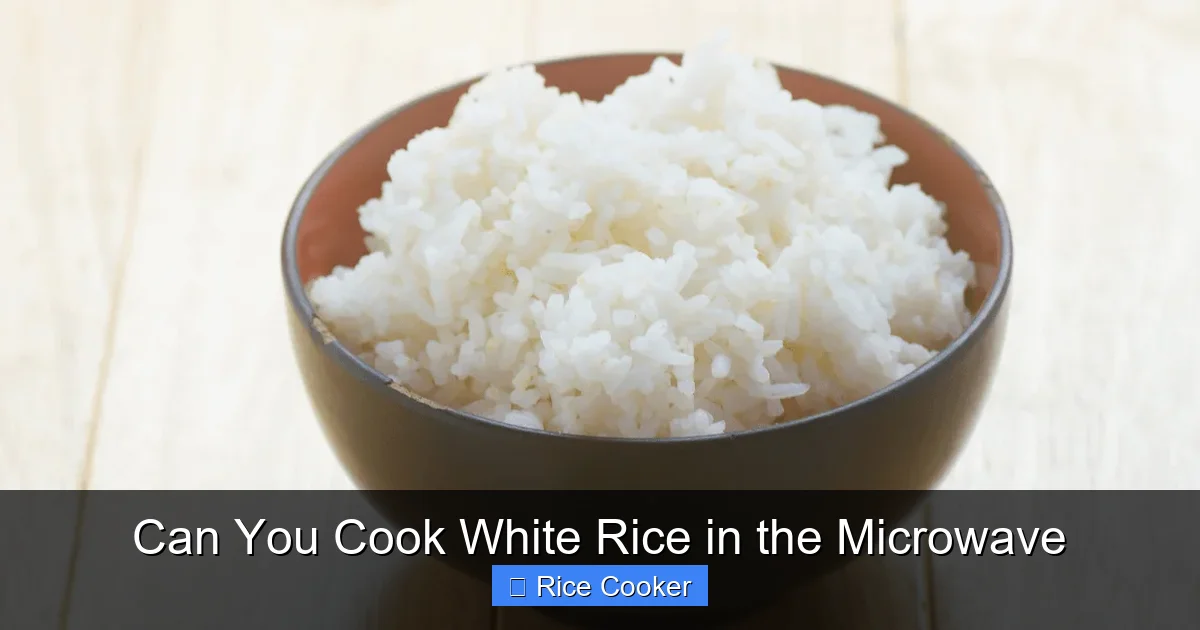
This is the most common type found in grocery stores. It’s light, fluffy, and doesn’t stick together when cooked properly. Jasmine and basmati are subtypes of long-grain rice and also microwave well.
Jasmine Rice
Aromatic and slightly sticky when cooked, jasmine rice absorbs flavors easily and develops a lovely fragrance. It’s ideal for Thai-style dishes and works great in the microwave with a bit more water than usual.
Basmati Rice
Known for its distinct nutty flavor and long, slender grains, basmati expands significantly when cooked. Use the 1:2 rice-to-water ratio and let it rest longer to achieve separation.
Parboiled (Converted) Rice
Partially boiled during processing, parboiled rice holds its shape well and resists mushiness. It’s a good choice for microwave cooking because it tolerates slight overcooking better than other whites.
Avoid Instant or Pre-Cooked Rice
These are designed for quick reheating, not fresh cooking. They often become gummy or overly soft when microwaved from dry form.
Step-by-Step Guide: How to Cook White Rice in the Microwave
Ready to try it yourself? Follow these simple steps for foolproof results every time:
What You’ll Need
- 1 cup white rice (any long-grain variety)
- 1.5 to 2 cups water (adjust based on rice type)
- Microwave-safe bowl (glass or ceramic, at least 3 quarts)
- Tight-fitting lid or microwave-safe plastic wrap
- Salt (optional)
- Butter or oil (optional, for added flavor)
Step 1: Rinse the Rice (Optional but Recommended)
Place the rice in a fine-mesh strainer and rinse under cold running water until the water runs clear. This removes excess starch, which helps prevent clumping and results in fluffier grains. Drain well.
Step 2: Combine Rice and Water
In your microwave-safe bowl, add the rinsed rice, water, and a pinch of salt. Stir gently. For every 1 cup of rice, start with 1.5 cups of water. If you’re using jasmine or basmati, go closer to 2 cups.
Step 3: Cover and Microwave
Cover the bowl with a lid or plastic wrap, leaving a small vent for steam to escape. Microwave on high power for 5 minutes. After 5 minutes, remove the bowl carefully (it will be hot!) and give the rice a gentle stir. This helps distribute heat evenly.
Step 4: Continue Cooking
Return the bowl to the microwave and cook for another 3–5 minutes, depending on your microwave’s wattage and the amount of rice. A typical 1000-watt microwave will take about 8–10 minutes total for 1 cup of rice.
Step 5: Let It Rest
Turn off the microwave and let the rice sit, covered, for 2–3 minutes. This allows residual heat to finish cooking the rice and makes it easier to fluff.
Step 6: Fluff and Serve
Using a fork, gently stir the rice to separate the grains. Avoid pressing down—this can make it compact and sticky. Serve immediately or keep warm.
Pro Tips for Perfect Microwave White Rice
Even experienced cooks can struggle with mushy or unevenly cooked rice. Here are some expert tips to elevate your microwave game:
Use the Right Container
Choose a bowl that’s wide enough to hold the rice without overflowing. A 3-quart glass container with a lid is ideal. Avoid metal—it can cause sparks and damage your microwave.
Don’t Overfill
Stick to no more than 2 cups of uncooked rice per bowl. Larger batches require longer cooking times and increase the risk of uneven heating.
Adjust Water Based on Altitude
At higher elevations, water boils at lower temperatures, which can affect cooking. Increase water slightly (add ¼ cup per cup of rice) and extend cooking time by 1–2 minutes.
Test Doneness Before Final Step
After initial cooking, check if the rice is tender. If a few grains still taste hard in the center, return to the microwave for 30 seconds at a time until done.
Add Flavor During Cooking
Instead of plain water, try using broth, coconut milk, or vegetable stock. A teaspoon of butter or oil enhances texture and taste. Herbs like bay leaf or garlic cloves infuse subtle flavor.
Reheat Leftovers Properly
To revive cooled rice, place it in a microwave-safe dish, sprinkle with 1–2 tablespoons of water, cover, and heat for 1–2 minutes. Stir halfway through.
Common Mistakes to Avoid
Even with the best intentions, mistakes happen. Here’s how to dodge the most common pitfalls when cooking white rice in the microwave:
Skipping the Resting Period
Rushing to fluff the rice immediately after cooking leads to uneven texture. Always let it sit covered for at least 2 minutes.
Using Too Little Water
Undercooked rice results in hard, chalky grains. Stick to the recommended ratios and err on the side of more water if unsure.
Not Stirring Midway
Microwaves heat unevenly. Stirring halfway ensures all grains cook uniformly and prevents hot spots.
Covering Too Tightly
Airtight lids trap too much steam, causing sogginess. Leave a small gap or use vented lids.
Ignoring Microwave Wattage
Older microwaves may have lower wattage (around 600–800W). Adjust timing accordingly—add 1–2 minutes if needed.
Can You Cook Other Grains in the Microwave?
Absolutely! While this article focuses on white rice, the microwave method extends to many other grains. Brown rice, quinoa, millet, and even oats can be cooked quickly and efficiently. Each requires a different water ratio and cooking time, but the process remains similar: combine, cover, cook, rest, fluff.
For example, brown rice needs more water (about 1:2.5) and longer cooking time (12–15 minutes), but it still comes out tender and delicious. Experimentation is part of the fun!
Frequently Asked Questions About Microwaving White Rice
Still have questions? We’ve got answers. Here are some of the most common queries from home cooks just like you.
Frequently Asked Questions
Is microwave-cooked rice safe to eat?
Yes, as long as you follow proper hygiene and cooking procedures. Ensure the rice reaches an internal temperature of at least 165°F (74°C) and avoid cross-contamination with raw foods.
Why is my microwave rice mushy?
Mushiness usually comes from too much water, insufficient draining, or not fluffing after cooking. Try reducing water by ¼ cup and always stir gently with a fork.
Can I freeze leftover microwave rice?
Yes! Cool completely, portion into airtight containers, and freeze for up to 3 months. Reheat with a splash of water and a few seconds in the microwave.
Does microwave rice taste as good as stove-cooked rice?
Many people find it tastes just as good, especially when prepared correctly. While the texture may differ slightly, the flavor is comparable once seasoned.
What if my microwave doesn’t have a timer?
Use an oven mitt to monitor the cooking progress. Start with shorter intervals (3–4 minutes) and check frequently to avoid overcooking.
Can I cook rice in a disposable microwave-safe container?
Only if it’s specifically labeled as microwave-safe. Some containers release harmful chemicals when heated. Glass or ceramic is always safer.
Conclusion: Microwave Rice—Your New Best Friend
So, can you cook white rice in the microwave? The answer is a resounding yes—and it might just become your new favorite kitchen hack. With just a few simple steps, you can enjoy perfectly cooked, fluffy white rice in under ten minutes, without lifting a pot or cleaning up a mess.
This method shines in situations where speed matters: busy weekday dinners, last-minute meal prep, or when your stove is out of action. It’s not just a backup plan—it’s a legitimate, efficient way to cook rice that rivals traditional methods in both quality and convenience.
Remember, practice makes perfect. Once you get the hang of water ratios, timing, and the importance of resting, you’ll wonder how you ever lived without it. So next time hunger strikes and you’re craving something warm and satisfying, skip the hassle—grab your rice, fire up the microwave, and whip up a batch of delicious, ready-to-eat goodness.
Your kitchen just got smarter, and your meals just got easier.