
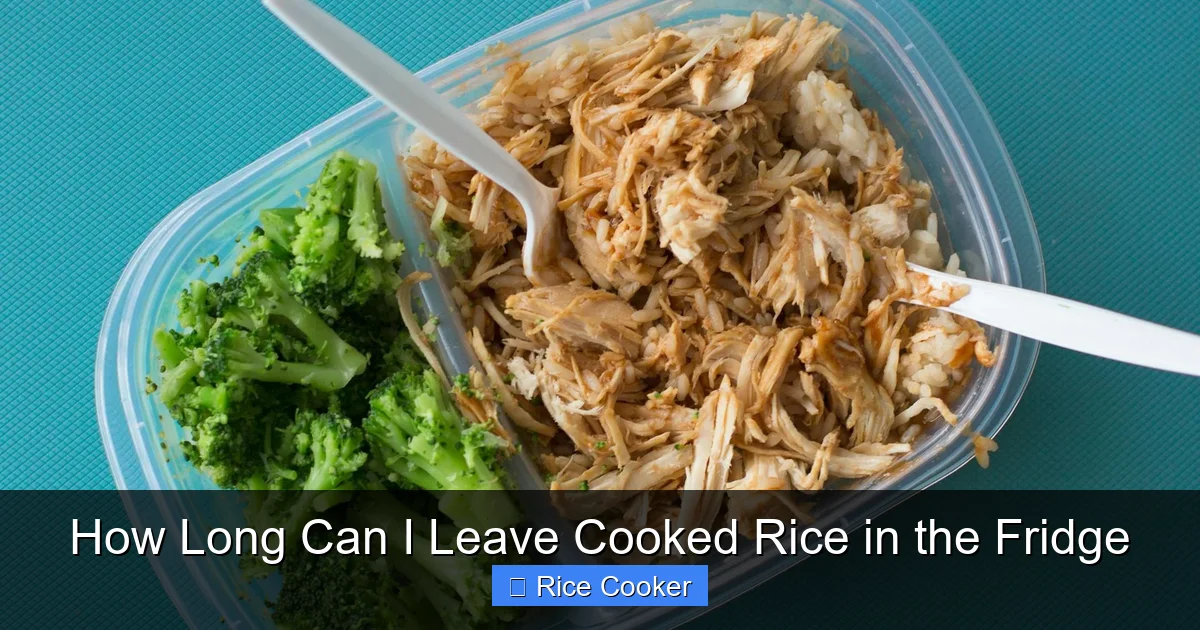
Cooked rice can be safely stored in the refrigerator for up to 4 days, but proper handling is crucial to prevent bacterial growth. Always cool rice quickly, store it in shallow containers, and reheat thoroughly to reduce health risks. Understanding these key steps helps you enjoy leftover rice without worry.
How Long Can I Leave Cooked Rice in the Fridge?
You’ve just finished a delicious meal—maybe stir-fry, fried rice, or a simple side dish—and there’s leftover rice. It’s convenient, tasty, and easy to reheat, right? But have you ever wondered: how long can I leave cooked rice in the fridge? This question isn’t just about convenience; it’s about food safety. Storing rice improperly can turn a simple leftovers routine into a risky situation.
Cooked rice is a common staple in many kitchens, and while it’s generally safe when handled correctly, it carries a unique risk compared to other foods. That’s because rice can harbor a bacteria called Bacillus cereus, which produces heat-resistant spores. These spores survive boiling and can reactivate during improper cooling, leading to foodborne illness if the rice isn’t stored or reheated properly.
In this article, we’ll break down exactly how long you can safely keep cooked rice in the refrigerator, why timing matters, and what you can do to protect yourself and your family. Whether you’re meal prepping for the week, running late on dinner cleanup, or just curious about food storage, you’ll find practical, science-backed answers here.
Why Rice Is Different
Not all leftovers are created equal—and rice definitely stands out when it comes to food safety. Most vegetables, meats, and grains don’t pose the same level of risk when cooled slowly or left at room temperature. But rice has a special vulnerability due to its starch content and the presence of Bacillus cereus.
Here’s the science in simple terms: When rice is cooked, the high heat kills most bacteria. However, Bacillus cereus produces spores that can survive boiling. If the hot rice is left sitting at room temperature—especially for more than two hours—those spores can germinate, grow, and produce toxins. These toxins aren’t destroyed by reheating, which means eating spoiled rice could still make you sick, even if it looks and smells fine.
This is why the “danger zone” for food—the temperature range between 40°F and 140°F (4°C to 60°C)—is so critical. Bacteria thrive in this range, and rice is particularly susceptible because it cools slowly when left in a bowl or pot.
The Good News: You Can Store Rice Safely
The bad news is that rice is tricky. The good news? With the right techniques, you can enjoy leftover rice for days—without fear. The key lies in speed, temperature control, and smart storage.
Let’s explore how to do that.
How Long Can Cooked Rice Stay in the Refrigerator?
So, back to the original question: How long can I leave cooked rice in the fridge? The short answer is 3 to 4 days. That’s the general rule of thumb recommended by food safety experts like the USDA and FDA.
But let’s unpack that.
According to the U.S. Food and Drug Administration (FDA), cooked rice should be refrigerated within one hour of cooking—or within two hours if the room is above 90°F (32°C). Once refrigerated, it should be eaten within 3 to 4 days. After that, the risk of bacterial growth increases significantly, even if the rice looks fine.
Why not longer? Because even in the cold environment of a fridge, Bacillus cereus can continue to grow slowly. While the growth rate slows at 40°F (4°C), the bacteria don’t die off quickly. So over time, toxins can accumulate to levels that may cause food poisoning.
Signs Your Rice Has Gone Bad
Even if your rice is within the 3–4 day window, it might not be safe to eat. Trust your senses—but don’t rely solely on smell. Some harmful bacteria don’t produce strong odors or visible changes.
Here are red flags to watch for:
– **Off odor:** A sour, rancid, or fermented smell indicates spoilage.
– **Slimy texture:** Fresh rice should feel dry or slightly moist but not sticky. Sliminess suggests bacterial growth.
– **Mold:** Any fuzzy spots—white, green, or black—mean discard immediately.
– **Unusual color:** Discoloration, especially browning or gray patches, is a warning sign.
– **Grain separation:** While some separation is normal, excessive clumping or glue-like consistency is suspect.
If you notice any of these, throw the rice away—even if it’s only been 2 days.
Best Practices for Storing Cooked Rice
Storing rice properly isn’t just about putting it in the fridge. How you cool and containerize it makes a huge difference.
**Cool It Fast**
The moment your rice is done cooking, start the cooling process. Don’t let it sit in the pot for more than 30 minutes. Instead, spread it out in shallow containers (like glass or stainless steel pans) to speed up heat loss. The goal is to get it below 40°F as quickly as possible.
An ice bath works wonders: Place the pot in a sink filled with ice water, stirring occasionally. This can cut cooling time in half.
**Use the Right Containers**
Avoid leaving rice in the original cooking pot or deep bowls. Transfer it to shallow, airtight containers—ideally those designed for food storage. Glass or stainless steel containers with tight lids are ideal because they don’t absorb odors or retain moisture.
Label each container with the date so you know when it was made. This helps prevent confusion and ensures you use older rice first.
**Refrigerate Promptly**
Once cooled, move the rice to the refrigerator immediately. The door is fine, but avoid placing it near raw meat or other high-risk foods that could contaminate it.
**Don’t Overcrowd the Fridge**
Give each container space to allow cold air to circulate. Overcrowding slows cooling and raises the internal temperature, creating a breeding ground for bacteria.
Can You Freeze Cooked Rice?
Yes! Freezing is one of the best ways to extend the shelf life of cooked rice safely.
When frozen properly, rice can last up to 6 months. Here’s how to do it right:
– Portion the rice into freezer-safe containers or zip-top bags.
– Leave about an inch of headspace to allow for expansion during freezing.
– Label with the date and contents.
– Store in the coldest part of the freezer (usually the back).
When you’re ready to use it, thaw overnight in the fridge or under cold running water. Reheat thoroughly until steaming hot—no lukewarm spots.
Freezing also helps preserve texture and flavor better than refrigeration, making it ideal for meal prep or batch cooking.
Reheating Rice Safely
One of the biggest myths about rice is that “if you boil it again, it’s safe.” But that’s not always true. Reheating kills bacteria, but it doesn’t eliminate the toxins already produced by Bacillus cereus.
To reheat rice safely:
– Heat it to at least 165°F (74°C) throughout. Use a food thermometer to check.
– Stir frequently to ensure even heating.
– Add a splash of water or broth to prevent drying.
– Never reheat rice more than once. Each cycle increases the risk of contamination.
Microwave, stovetop, or oven methods all work—just make sure it’s fully heated.
Common Mistakes People Make
Even experienced cooks sometimes overlook key details when storing rice. Here are some common pitfalls:
– **Leaving rice at room temperature too long:** More than two hours increases bacterial risk.
– **Using non-airtight containers:** Exposure to air promotes mold and odor absorption.
– **Reheating partially:** Only reheat what you plan to eat now. Leftovers from a reheated portion should be discarded.
– **Ignoring fridge temperature:** If your fridge is set above 40°F, bacteria grow faster. Check your appliance’s temperature regularly.
What About Brown Rice vs. White Rice?
Both white and brown rice follow the same storage guidelines, but there are slight differences in shelf life.
Brown rice contains more oil, which can go rancid faster. Because of this, it typically lasts a bit shorter time in the fridge—about 3 to 4 days, similar to white rice. However, brown rice can last longer when frozen (up to 6 months), just like white.
The key factor is always proper cooling and storage, not the type of grain.
Rice in Different Cuisines
Rice is a global staple, and different cultures have their own ways of handling leftovers. In many Asian households, leftover rice is often fried immediately or used in soups. In Western kitchens, it’s common to reheat it plain or with sauces.
Regardless of tradition, the food safety rules remain the same. Whether you’re making jasmine rice for Thai curry or sushi rice for rolls, treat it with the same care.
For example, sushi rice is usually served fresh or within a few hours, but if you’re making sushi ahead of time, store it properly in the fridge and consume within 24 hours for best quality and safety.
Tips for Meal Preppers
If you love meal prepping, rice is a great base—but it requires planning.
– Cook large batches in advance.
– Cool and portion immediately after cooking.
– Freeze portions in labeled bags for up to 6 months.
– Reheat only what you need, and never refreeze unless cooked again.
This way, you save time and minimize waste while staying safe.
When in Doubt, Throw It Out
Food poisoning symptoms from Bacillus cereus can include nausea, vomiting, diarrhea, and stomach cramps—often starting within 1 to 5 hours after eating contaminated rice. If you experience these symptoms, seek medical advice.
And remember: If you’re unsure whether your rice is safe, it’s better to discard it. There’s no such thing as “too careful” when it comes to food safety.
Conclusion
So, how long can I leave cooked rice in the fridge? The answer is up to 4 days—but only if you handle it correctly. From rapid cooling to proper storage and safe reheating, every step matters.
By following these guidelines, you can enjoy leftover rice with confidence. Whether you’re feeding a family, packing lunches, or saving for tomorrow’s stir-fry, smart storage keeps your meals both delicious and safe.
Next time you cook rice, think beyond the first serving. With the right habits, your kitchen becomes safer, smarter, and more sustainable.
Key Takeaways
- Safe Refrigeration Time: Cooked rice should be refrigerated within 1 hour of cooking and consumed within 3 to 4 days for maximum safety.
- Rapid Cooling Matters: To prevent bacterial growth, cool rice quickly by spreading it in shallow containers or using an ice bath before refrigeration.
- Bacillus Cereus Risk: The primary concern with stored rice is Bacillus cereus, a spore-forming bacteria that can survive normal cooking temperatures and multiply in warm environments.
- Proper Storage Tips: Use airtight containers and label them with dates. Avoid overcrowding the fridge to ensure even cooling and airflow.
- Reheating Is Critical: Always reheat rice to at least 165°F (74°C) throughout to kill potential bacteria. Never reheat more than once.
- Freezing Extends Life: For longer storage, freeze rice in portions for up to 6 months. Thaw and reheat safely when ready to eat.
- Watch for Spoilage Signs: Discard rice if it smells off, feels slimy, or shows mold—even if within the recommended time frame.
Frequently Asked Questions
How long can cooked rice stay in the refrigerator?
Cooked rice can be safely stored in the refrigerator for up to 3 to 4 days, provided it is cooled and stored properly. Always refrigerate within one hour of cooking and check for spoilage signs before eating.
Can you eat rice that’s been in the fridge for a week?
No, rice older than 4 days in the fridge should not be eaten, even if it looks and smells fine. Bacteria like Bacillus cereus can grow slowly over time and produce toxins that reheating won’t destroy.
Is it safe to leave rice out overnight?
Leaving rice at room temperature for more than 2 hours (or 1 hour if it’s very hot outside) is unsafe. This allows bacteria to multiply rapidly in the “danger zone” between 40°F and 140°F.
How should I cool cooked rice before refrigerating?
Spread rice in shallow containers or use an ice bath to cool it quickly. This helps bring the temperature down fast and reduces the risk of bacterial growth.
Can I freeze cooked rice?
Yes, cooked rice can be frozen for up to 6 months in airtight containers or freezer bags. Thaw in the fridge and reheat thoroughly before eating.
How do I know if rice has gone bad?
Check for off smells, slimy texture, mold, discoloration, or unusual clumps. If any of these are present, discard the rice immediately—even if it’s within the recommended storage time.