
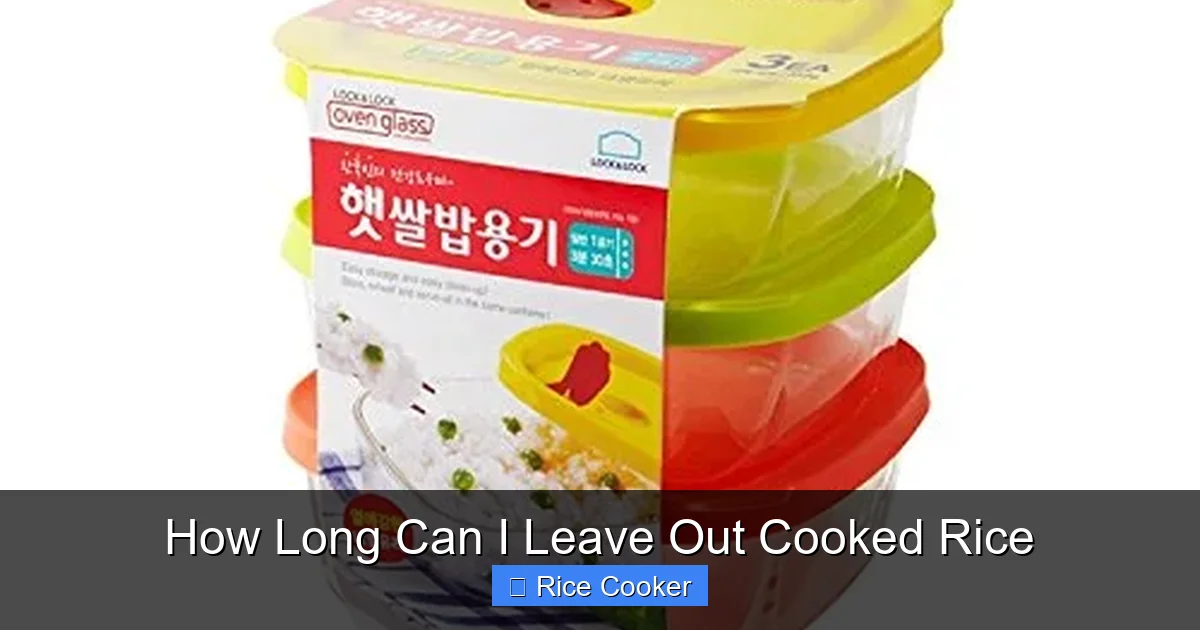
Cooked rice left at room temperature for more than 2 hours can develop harmful bacteria like Bacillus cereus. The safest rule is to refrigerate it within 1 hour of cooking, especially in warm environments. This guide covers safe handling, proper storage, and reheating methods to protect your health while enjoying leftovers.
Key Takeaways
- Understanding how long can i leave out cooked rice: Provides essential knowledge
📑 Table of Contents
- How Long Can I Leave Out Cooked Rice?
- The Science Behind Rice Spoilage
- Safety Guidelines: How Long Is Too Long?
- Best Practices for Storing Cooked Rice
- How Long Does Cooked Rice Last in the Fridge?
- Can You Freeze Cooked Rice?
- Reheating Leftover Rice: What You Need to Know
- Special Considerations: Fried Rice and Mixed Dishes
- Prevention Tips: Keep Your Rice Safe Every Time
- Conclusion: Enjoy Rice Without Worry
How Long Can I Leave Out Cooked Rice?
Have you ever finished a delicious meal, saved the rest of your rice for tomorrow, and wondered: “Is this still okay to eat?” It’s a common question—especially if you’re meal prepping, hosting guests, or just trying to reduce food waste. But when it comes to cooked rice, timing really matters.
You might be surprised to learn that cooked rice isn’t as innocent as it looks. Unlike raw grains, cooked rice can harbor dangerous bacteria, particularly Bacillus cereus, which produces heat-resistant spores. These spores survive normal cooking temperatures and can grow into active bacteria if the rice sits too long at room temperature.
In this complete guide, we’ll walk you through everything you need to know about safely storing and handling cooked rice. From the science behind why rice goes bad quickly to practical tips for keeping your meals both safe and tasty, you’ll learn how to enjoy leftover rice without any guilt or worry.
—
The Science Behind Rice Spoilage
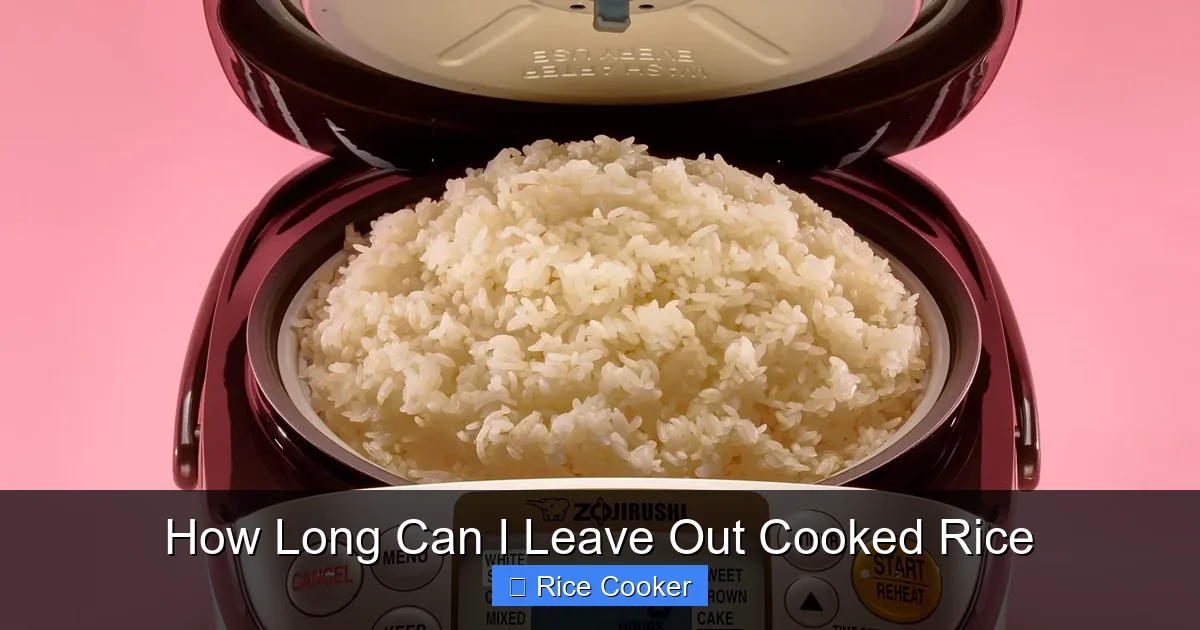
Visual guide about How Long Can I Leave Out Cooked Rice
Image source: pyxis.nymag.com
When rice is cooked, its starches absorb water and become soft and tender. This process also makes rice an ideal environment for bacterial growth—especially in the “danger zone” temperature range between 40°F and 140°F (4°C and 60°C). In just a few hours, bacteria like Bacillus cereus can multiply to dangerous levels.
What makes this especially tricky is that Bacillus cereus produces two types of toxins:
– **Emetic toxin** causes vomiting (often within 1–6 hours after eating)
– **Enterotoxin** causes diarrhea and stomach cramps (within 6–15 hours)
The scary part? Once these toxins are formed, they can’t be destroyed by reheating. That means even if you boil your leftover rice thoroughly, you could still get sick.
That’s why the focus isn’t just on killing bacteria—it’s on preventing them from growing in the first place.
—
Safety Guidelines: How Long Is Too Long?
According to the USDA and FDA, cooked rice should never be left out for more than **2 hours at room temperature**. If you’re in a hot climate where ambient temperatures exceed 90°F (32°C), that window shrinks to just **1 hour**.
Here’s why:
– **Room temperature = ideal breeding ground**: Most homes hover around 70°F (21°C), which is perfect for rapid bacterial multiplication.
– **Cooling slowly = increased risk**: If rice cools gradually from 140°F to 70°F over several hours, bacteria have plenty of time to thrive.
– **Spores wake up fast**: Bacillus cereus spores remain dormant until conditions are right—then they germinate, grow, and produce toxins within 12–24 hours.
So, what counts as “room temperature”? Think about where you store your rice after cooking:
– On the kitchen counter while you eat?
– Sitting on the dinner table during a party?
– Left on a buffet line?
All of these scenarios fall under “room temperature,” and all are risky if sustained beyond the recommended time limits.
—
Best Practices for Storing Cooked Rice
Now that we’ve covered the risks, let’s talk solutions. Proper storage is your best defense against foodborne illness.
1. Cool Quickly, Then Refrigerate
After cooking, spread the rice out in a shallow container or divide it into smaller portions. The goal is to lower its internal temperature from 140°F down to below 40°F as fast as possible—ideally within 1 hour.
Why shallow containers? Because they expose more surface area to cold air, speeding up the cooling process. A wide, flat dish works better than a tall pot.
2. Use Airtight Containers
Once cooled, transfer the rice to airtight containers or sealable plastic bags. This prevents moisture loss, reduces oxidation, and stops odors from seeping in or out of your fridge.
Pro tip: Label the container with the date so you always know how old the rice is.
3. Store in the Coldest Part of Your Fridge
Place your rice containers near the back of the refrigerator, away from the door where temperatures fluctuate most. Aim for a consistent 40°F (4°C) or lower.
Avoid leaving rice in the refrigerator door—it’s too warm and humid for safe storage.
—
How Long Does Cooked Rice Last in the Fridge?
When properly refrigerated, cooked rice remains safe to eat for **up to 4 days**. After that, the risk of spoilage and bacterial regrowth increases significantly.
But “safe” doesn’t always mean “good.” Over time, rice loses moisture, becomes dry or chalky, and may develop an off-flavor. So while you *can* eat rice older than 4 days, it’s usually not worth the risk—or the taste.
Signs Your Rice Has Gone Bad
Even before expiration dates creep up, watch for these red flags:
– **Slimy or sticky texture** (not the usual creamy consistency)
– **Unpleasant odor** (moldy, sour, or rotten egg smell)
– **Visible mold** (white, green, or black spots)
– **Cloudy liquid** pooling at the bottom of the container
If you notice any of these, toss the rice immediately. Don’t taste-test—once bacteria start producing toxins, there’s no way to tell by looking or smelling alone.
—
Can You Freeze Cooked Rice?
Yes! Freezing is one of the best ways to extend the shelf life of cooked rice. When frozen properly, rice stays safe for **up to 6 months**.
How to Freeze Rice Safely
1. Let the rice cool completely at room temperature (about 30–60 minutes).
2. Divide it into portion-sized servings using freezer-safe containers or heavy-duty plastic bags.
3. Press out excess air before sealing to prevent freezer burn.
4. Label with the date and contents.
Thawing and Reheating Tips
To thaw frozen rice:
– Move it from the freezer to the refrigerator overnight.
– Or, microwave it directly using the defrost setting.
When reheating:
– Bring rice to a rolling boil or heat it in a saucepan until steaming hot throughout.
– Add a splash of water or broth if it seems dry—this helps restore moisture.
Keep in mind: Frozen rice tends to become slightly softer or mushier upon thawing. While still perfectly safe, it may not have the same fluffy texture as fresh-cooked rice.
—
Reheating Leftover Rice: What You Need to Know
Reheating rice correctly is crucial—both for safety and flavor. Here’s how to do it right.
Microwave Method (Fast & Easy)
1. Place rice in a microwave-safe bowl.
2. Cover loosely with a damp paper towel or vented lid to retain moisture.
3. Microwave on high in 30-second intervals, stirring between each, until heated through (internal temp should reach 165°F / 74°C).
Stovetop Method (Best for Flavor)
1. Heat a small amount of water, broth, or oil in a skillet over medium heat.
2. Add rice and stir frequently until warmed evenly.
3. Reduce heat and cover to steam gently for extra tenderness.
Avoid These Common Mistakes
– **Don’t reheat rice more than once.** Each reheating cycle raises the risk of toxin formation.
– **Never use the “keep warm” function** on your rice cooker or slow cooker for extended periods—it keeps food in the danger zone.
– **Skip the cold-water bath** to cool rice quickly. While effective, splashing cold water can introduce contaminants if not handled hygienically.
—
Special Considerations: Fried Rice and Mixed Dishes
Not all rice is created equal when it comes to safety. Foods like fried rice, chow mein, or casseroles containing rice require extra attention.
Why Fried Rice Is Riskier
Commercial fried rice—especially at buffets or Chinese restaurants—is often cooked in large batches, cooled slowly, and kept warm for hours. This creates ideal conditions for Bacillus cereus growth.
At home, follow the same rules: refrigerate within 1 hour and eat within 4 days.
Rice in Sauces or Casseroles
When rice is mixed with other ingredients (like eggs, vegetables, or meat), it’s harder to monitor its internal temperature. Always ensure the entire dish reaches 165°F (74°C) when reheating.
Also, remember that sauces can trap heat, making the center of the dish lukewarm while the edges are scalding hot. Stir well before serving to distribute heat evenly.
—
Prevention Tips: Keep Your Rice Safe Every Time
Prevention is always easier than dealing with food poisoning. Follow these simple habits to keep your rice—and your family—safe.
1. Cook in Small Batches
Overcooking leads to waste; over-preparing leads to unsafe leftovers. Only make as much rice as you plan to eat within 2–3 days.
2. Use a Timer
Set a timer on your phone or kitchen clock to remind yourself to put rice in the fridge within 1 hour.
3. Invest in a Food Thermometer
Quickly check that your fridge maintains 40°F (4°C) and that reheated rice hits 165°F (74°C). Digital thermometers are affordable and accurate.
4. Avoid Cross-Contamination
Use clean utensils when scooping rice out of the pot or container. Never reuse old serving spoons that have touched raw meat or unwashed hands.
5. Educate Your Household
Make sure everyone in your home knows the “1-hour rule.” Children and elderly relatives are especially vulnerable to foodborne illnesses.
—
Conclusion: Enjoy Rice Without Worry
Cooked rice is a staple in kitchens worldwide—versatile, filling, and nutritious when handled correctly. But its safety hinges entirely on timing and temperature control. By following the guidelines in this article, you can enjoy delicious leftovers without compromising your health.
Remember: **When in doubt, throw it out.** Better safe than sorry when it comes to foodborne illness. With smart storage, quick refrigeration, and careful reheating, you can savor every bite—fresh or leftover—with confidence.
Whether you’re packing lunchboxes, feeding a crowd, or simply reducing waste, treating rice with respect means respecting your body. Now go ahead—your next bowl of perfectly reheated rice awaits!
—
Frequently Asked Questions
Can I leave cooked rice out overnight?
No, cooked rice should never be left out overnight. Bacteria like Bacillus cereus can grow rapidly between 40°F and 140°F (4°C–60°C), producing toxins that cause food poisoning. Always refrigerate within 1 hour, especially in warm climates.
How long does cooked rice last in the fridge?
Cooked rice stays safe in the refrigerator for up to 4 days when stored in airtight containers. Beyond that, the risk of spoilage and bacterial regrowth increases significantly.
Can you eat rice left out for 3 hours?
It depends on the temperature. If the room was cooler than 90°F (32°C), rice left out for 3 hours may still be safe—but it’s risky. The general rule is to refrigerate within 2 hours (1 hour if it’s very hot). When uncertain, it’s safer to discard it.
Is it safe to reheat rice multiple times?
No, reheating rice more than once increases the risk of toxin buildup from surviving Bacillus cereus spores. For best safety and taste, only reheat once and consume immediately.
Does freezing destroy bacteria in rice?
Freezing doesn’t kill bacteria—but it halts their growth. Bacillus cereus spores remain dormant when frozen and resume activity only when thawed and exposed to warm temperatures. Proper freezing preserves safety, but doesn’t eliminate existing toxins.
How can I tell if my rice has gone bad?
Watch for slimy texture, off odors (moldy or sour), visible mold, or cloudy liquid. Even if the rice looks fine, if it’s past the 4-day mark or stored improperly, it’s best to discard it to avoid food poisoning.