
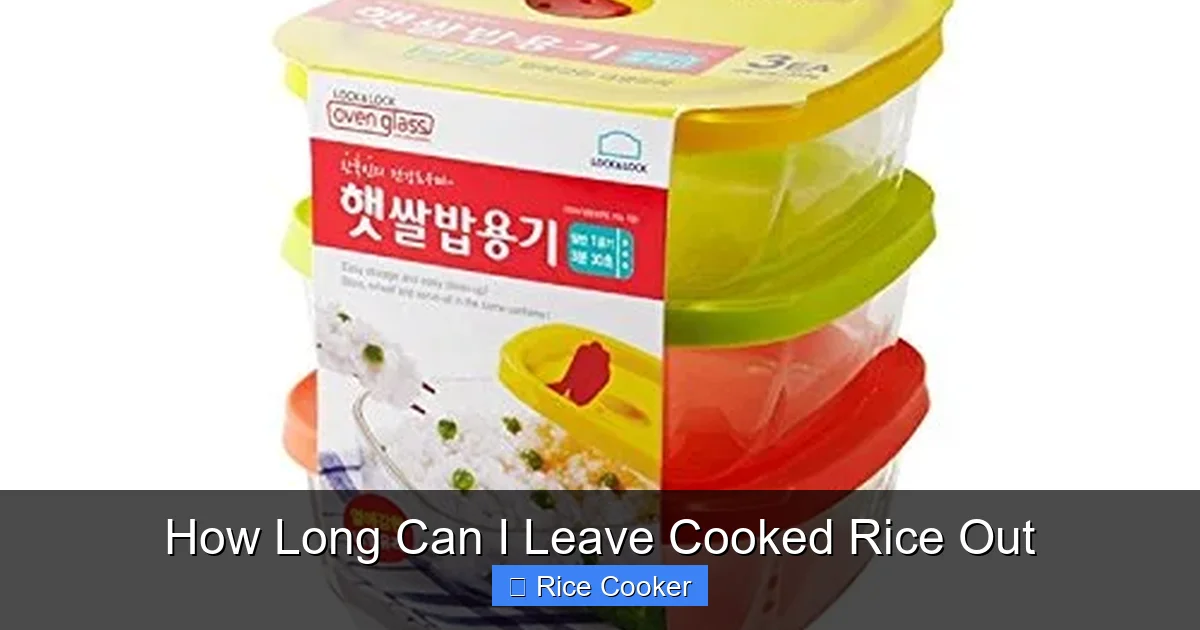
Leaving cooked rice at room temperature for more than 2 hours increases the risk of bacterial growth, especially from Bacillus cereus, which can cause food poisoning. To stay safe, always refrigerate or freeze rice within that time frame, and reheat it thoroughly before eating.
Have you ever wondered how long you can safely leave cooked rice sitting out on the counter? Maybe you made a big batch of fried rice for dinner and have leftovers, or perhaps you’re packing lunch and need to know if it’s okay to eat rice that’s been sitting at room temperature for a few hours. The truth is, while rice might look fine and even taste good, leaving it out too long can be risky.
Cooked rice is a favorite in many households—whether it’s fluffy jasmine, hearty brown rice, or savory sushi rice. But because rice contains spores of a bacterium called *Bacillus cereus*, which can survive boiling, it becomes a potential breeding ground for toxins if not handled properly. These spores are everywhere in the environment—in soil, water, and grains—and they can survive standard cooking temperatures. Once the rice cools, the conditions become perfect for these spores to grow into active bacteria and produce harmful toxins.
So, how long can I leave cooked rice out? The short answer: **no more than two hours**. After that window, the risk of foodborne illness increases significantly. Let’s dive deeper into why this matters, how to store rice safely, and what to do with leftovers so you can enjoy rice without worry.
Key Takeaways
- Do not leave cooked rice out for more than 2 hours—ideally, refrigerate or freeze it sooner to minimize bacteria growth.
- Bacillus cereus spores survive cooking and multiply in warm, moist environments, making improper storage a major concern.
- Reheating rice properly kills most bacteria, but only if done correctly using a food thermometer or steaming method.
- Store leftover rice in shallow, airtight containers to cool faster and reduce contamination risk.
- Consume refrigerated rice within 3–4 days, or freeze it for up to 6 months for best quality.
- Avoid tasting rice that’s been left out—when in doubt, throw it out to prevent illness.
Quick Answers to Common Questions
How long can cooked rice sit at room temperature?
No more than two hours—ideally, refrigerate it sooner. After that, bacteria can grow to harmful levels.
Can I eat rice that’s been left out overnight?
Not safely. Even if it looks fine, toxins from Bacillus cereus may be present and can cause food poisoning.
Is it okay to leave rice out if I’m serving it warm?
Yes, but only if it’s kept above 140°F. Once it cools below that, bacteria can multiply rapidly.
How should I reheat rice to kill bacteria?
Heat it until steaming hot throughout—at least 165°F—using a microwave, stovetop, or steamer. Stir frequently for even heating.
Can freezing rice make it unsafe?
No, freezing stops bacterial growth. Rice can be safely frozen for up to six months.
📑 Table of Contents
Why Is Cooked Rice Dangerous When Left Out?
You might think, “I’ve eaten rice that sat out all night—why didn’t I get sick?” Well, *Bacillus cereus* is tricky. It doesn’t always make food taste bad right away. In fact, the toxins it produces can cause symptoms like nausea, vomiting, diarrhea, and stomach cramps anywhere from 30 minutes to 6 hours after eating contaminated food. And here’s the kicker: unlike other bacteria, *Bacillus cereus* can grow and multiply in rice even when it’s been reheated.
When rice is cooked, the starch softens, creating a warm, moist environment ideal for bacterial growth. If you leave cooked rice at room temperature (especially between 40°F and 140°F—the “danger zone” for bacterial growth), those dormant spores wake up, start reproducing, and release heat-stable toxins. These toxins aren’t destroyed by normal reheating, so even if you microwave your rice until it’s steaming hot, you might still get sick.
This is particularly dangerous because rice is often served cold or at room temperature—like in salads, rolls, or as a side dish. That makes it easy for people to forget it was once hot and potentially contaminated. So while it may look and smell fine, the danger is real.
The 2-Hour Rule: What Does Food Safety Say?
According to the U.S. Food and Drug Administration (FDA) and the Centers for Disease Control and Prevention (CDC), perishable foods—including cooked rice—should never be left out at room temperature for more than **two hours**. This rule applies regardless of whether the rice was just cooked or has been sitting since earlier in the day.
Here’s why the two-hour limit is critical:
– Between 40°F and 140°F, bacteria multiply rapidly. In just one hour, *Bacillus cereus* can double its population.
– After two hours, the number of bacteria can reach levels high enough to cause illness.
– Even if the rice looks dry or cooled down, moisture trapped inside can still support bacterial growth.
If you’re eating rice in a hot climate (above 90°F), that time drops to **one hour**, because higher temperatures speed up bacterial reproduction. So if you live in a tropical area or are serving rice in summer, be extra cautious.
The key takeaway? **When in doubt, put it in the fridge.** Better safe than sorry.
How to Store Cooked Rice Properly
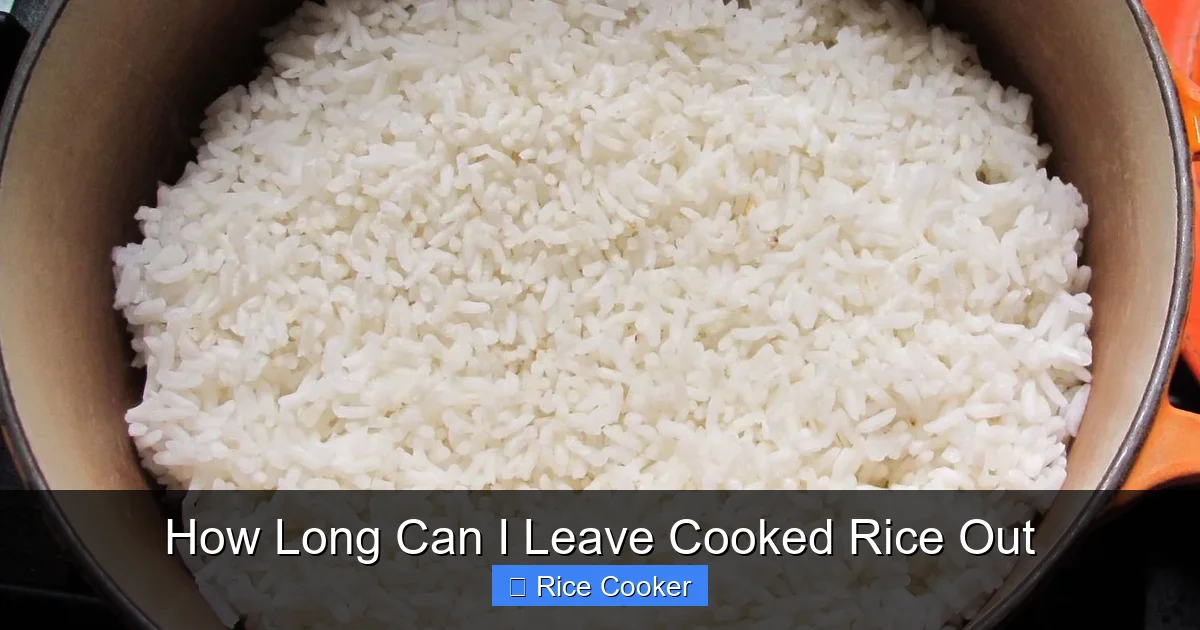
Visual guide about How Long Can I Leave Cooked Rice Out
Image source: i.pinimg.com
Proper storage is your best defense against foodborne illness. Here’s how to handle cooked rice like a pro:
Cooling Rice Quickly
Once your rice is done cooking, don’t let it sit in the pot. Transfer it immediately to shallow containers—no deeper than 2 inches—so it cools faster. Wide, flat containers help distribute heat and reduce condensation, which can encourage bacterial growth.
Avoid covering the container tightly while it’s still warm. Instead, use a loose lid or cover with plastic wrap punctured with holes. Let it cool to room temperature first, then refrigerate.
Refrigeration Tips
Place the cooled rice in the refrigerator within two hours. Ideally, within 30–60 minutes. Keep it at 40°F or below. Label the container with the date so you know how long it’s been stored.
For best results, divide large batches into smaller portions. This way, if you only need half for tomorrow’s lunch, the rest stays fresh longer.
Freezing for Long-Term Storage
If you won’t eat the rice within a few days, freeze it. Frozen rice can last up to **6 months** in an airtight container or freezer bag. Thaw it overnight in the fridge or reheat directly from frozen in a steamer or microwave with a splash of water.
Can You Reheat Rice Safely?
Yes, but only if done correctly. Reheating can kill most bacteria, but it won’t destroy the toxins already produced by *Bacillus cereus*. However, thorough reheating reduces the risk significantly.
Safe Reheating Methods
– **Microwave**: Place rice in a microwave-safe dish, cover with a damp paper towel, and heat in 30-second intervals until steaming hot throughout (use a food thermometer to check—it should read at least 165°F).
– **Stovetop**: Heat rice in a saucepan over medium heat, stirring frequently, until hot all the way through.
– **Steamer**: This is the safest method for sushi or delicate rice. Steam for at least 10 minutes to ensure even heating.
Never reheat rice more than once. Leftovers from a second reheating increase the risk of contamination.
What About Fried Rice?
Fried rice is a common culprit when it comes to food safety concerns. Because it’s usually packed with vegetables, eggs, and sauces, it becomes even more hospitable to bacteria. Plus, it often sits out longer due to buffet-style service or party settings.
The same rules apply: **refrigerate fried rice within two hours**. If you’re serving it at a potluck or event, consider keeping it warm on a chafing dish—but don’t let it cool and sit out again.
When taking home leftovers, transfer them to a clean container and refrigerate immediately. Don’t leave the original takeout container sitting on the counter.
Signs Your Rice Has Gone Bad
Even if your rice hasn’t been left out too long, it can spoil over time. Here’s how to tell if rice is no longer safe to eat:
– **Smell**: Fresh rice should have a neutral or slightly nutty aroma. If it smells sour, foul, or ammonia-like, discard it.
– **Texture**: Sticky, slimy, or overly soft rice indicates bacterial growth.
– **Mold**: Visible mold means the rice is contaminated and unsafe.
– **Color change**: Discoloration (greenish, black spots) is a red flag.
Remember: If you’re unsure, **when in doubt, throw it out**.
Special Considerations: Sushi Rice and Brown Rice
Different types of rice have unique storage needs.
Sushi Rice
Sushi rice is typically seasoned with vinegar, sugar, and salt, which can inhibit some bacterial growth—but not enough to make it safe at room temperature. Always refrigerate sushi rice within two hours of cooking. If you’re making sushi ahead of time, store it in an airtight container in the fridge and consume within one day for best quality.
Brown Rice
Brown rice has more fiber and nutrients than white rice, but it also takes longer to cook and cool. Because of its higher moisture content, it’s more prone to spoilage. Cool and refrigerate brown rice just like white rice, and use it within 3–4 days.
Expert Tips for Safe Rice Handling
To keep your family safe, follow these practical tips:
– **Use a food thermometer** to verify reheating temperatures.
– **Wash your hands and utensils** after handling raw rice to avoid cross-contamination.
– **Don’t reuse rice from a previous meal** unless it’s been properly reheated.
– **Keep rice off the counter**—use a trivet or cooling rack instead.
– **Educate your kids** about food safety, especially when packing school lunches.
With a little awareness and smart habits, you can enjoy rice safely every time.
Frequently Asked Questions
How long can I store cooked rice in the fridge?
Refrigerated rice is safe for 3 to 4 days. For longer storage, freeze it in airtight containers or bags.
Does vinegar in sushi rice prevent spoilage?
Vinegar adds flavor and slight preservation, but it doesn’t eliminate the risk of bacterial growth. Always refrigerate sushi rice.
Can I reheat rice more than once?
It’s best not to. Each reheating increases the risk of contamination. Only reheat what you plan to eat immediately.
Why does my rice smell sour after refrigeration?
A sour odor indicates spoilage. Discard rice with off-smells, as it may contain harmful bacteria or mold.
Is brown rice safer than white rice?
Both types carry the same risks. Brown rice just needs the same proper cooling and storage steps to stay safe.
Can I leave rice out during a picnic?
Only if it’s kept hot (above 140°F) or cold (below 40°F). Otherwise, pack it in a cooler with ice packs and eat within 2 hours.