
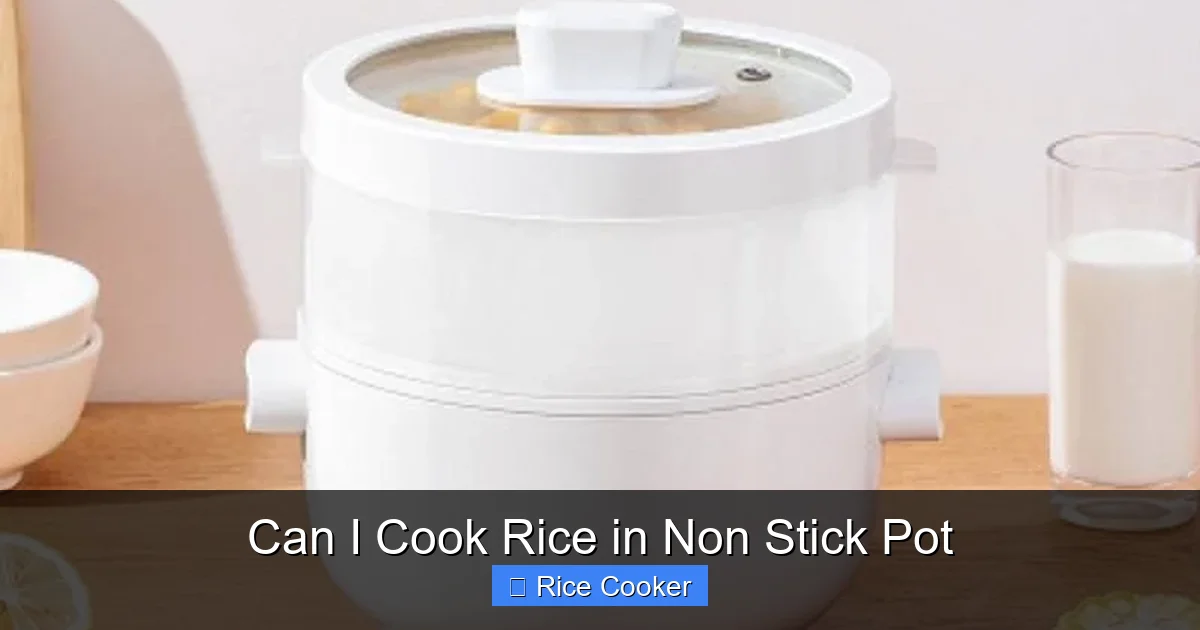
Can I cook rice in a non-stick pot? Absolutely! With the right method, a non-stick pot is perfectly safe and effective for cooking rice. You’ll avoid sticking, save cleanup time, and get fluffy results—just follow a few simple steps. Whether you’re making jasmine, basmati, or brown rice, using a non-stick pan doesn’t mean sacrificing quality.
Cooking rice might seem like a simple task, but getting it right requires precision—water ratio, heat level, timing, and technique all play critical roles. For many home cooks, the question isn’t just about how to cook rice, but *where* to cook it. Can I cook rice in a non-stick pot? The short answer is yes—and not only yes, but you can get excellent results every time if you know the tricks.
Many people assume that because rice sticks to the bottom of pans, non-stick cookware isn’t suitable. But that’s a common misconception. With proper care and technique, a non-stick pot is not only safe for cooking rice but can actually make the process cleaner and more efficient. In this guide, we’ll walk you through everything you need to know about cooking rice in a non-stick pot—from preparation to cleanup—so you can enjoy perfectly fluffy, never-sticky rice without investing in an expensive rice cooker.
Key Takeaways
- Non-stick pots are safe for rice cooking: When used properly, they won’t release harmful chemicals or damage your cookware.
- Proper technique prevents sticking: Use enough water, don’t stir constantly, and let the rice rest after cooking.
- Best rice types work well in non-stick pans: Short-grain, medium-grain, and some long-grain varieties cook evenly without clumping.
- No need for a rice cooker: You can achieve restaurant-quality rice using basic stovetop methods in a non-stick pot.
- Cleanup is easier: Non-stick surfaces make washing up a breeze compared to traditional pots.
- Temperature control matters: Low to medium heat prevents scorching and ensures even cooking.
- Experiment with seasoning: Add a pinch of salt or a drop of oil to enhance flavor without risking the coating.
📑 Table of Contents
- Is It Safe to Cook Rice in a Non-Stick Pot?
- The Right Rice for Non-Stick Pots
- How to Cook Rice in a Non-Stick Pot: Step-by-Step Guide
- Common Mistakes and How to Avoid Them
- Tips to Enhance Flavor Without Damaging Non-Stick Coating
- When to Use a Rice Cooker Instead
- Cleaning and Maintaining Your Non-Stick Pot After Cooking Rice
- Conclusion: Yes, You Can Cook Rice in a Non-Stick Pot—And It’s Great!
Is It Safe to Cook Rice in a Non-Stick Pot?
One of the biggest concerns people have is whether cooking rice in a non-stick pot will damage the coating or release harmful fumes. Let’s clear that up first. Most modern non-stick pans use high-quality PTFE (polytetrafluoroethylene) coatings, commonly known as Teflon, which are designed to withstand typical cooking temperatures. As long as you avoid overheating, scratching the surface, or using metal utensils, your non-stick pot is safe to use for cooking rice.
Rice typically cooks at around 100°C (212°F), which is well within the safe temperature range for standard non-stick coatings. However, if the pan gets hotter than 260°C (500°F), the coating may break down and release toxic gases. This usually only happens in extreme cases, like leaving a dry pan on high heat. So, stick to low to medium heat, add liquid early, and you’re golden.
Another concern is the potential for the coating to flake off into food. While this is rare when following proper cooking practices, it’s best avoided by not scraping the bottom of the pan or using abrasive tools. A gentle wooden or silicone spatula works perfectly fine.
In summary: yes, it’s safe to cook rice in a non-stick pot when you use it correctly. Just keep heat moderate, avoid metal tools, and never let the pan dry out.
The Right Rice for Non-Stick Pots
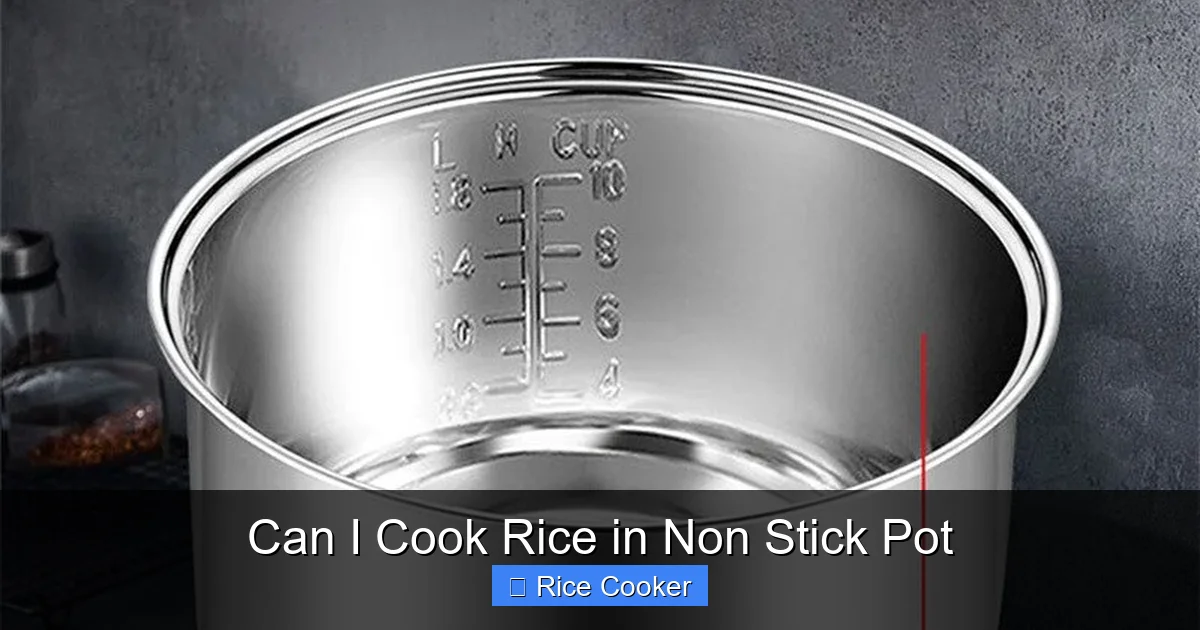
Visual guide about Can I Cook Rice in Non Stick Pot
Image source: images.nexusapp.co
Not all rice is created equal when it comes to stovetop cooking. Some varieties are more forgiving than others, especially in non-stick pans where sticking is the main enemy. Here’s a breakdown of the best rice types to use:
Short-Grain Rice (e.g., sushi rice)
This is one of the easiest types to cook in a non-stick pot. Its sticky texture means it holds together well, and it absorbs water quickly. Because it doesn’t require constant stirring, it’s ideal for beginners. Plus, its natural stickiness helps prevent it from bonding too much to the non-stick surface.
Medium-Grain Rice (e.g., arborio, carnaroli)
Great for risottos and pilafs, medium-grain rice also works well in non-stick pots. These grains absorb liquid slowly and release starches gradually, creating creamy textures. Just be sure to stir occasionally to prevent clumping, especially during the last 10 minutes of cooking.
Long-Grain Rice (e.g., basmati, jasmine)
Long-grain rice can be tricky because it tends to dry out and become crumbly if not monitored closely. However, with a little extra attention—like covering the pot and using the right water-to-ratio—it can turn out fluffy and separate beautifully in a non-stick pot. Jasmine rice, in particular, benefits from the even heat distribution of a non-stick surface.
Avoid using wild rice or very old or improperly stored rice, as these can be harder to control due to their texture and absorption rates.
How to Cook Rice in a Non-Stick Pot: Step-by-Step Guide
Ready to give it a try? Follow this foolproof method to cook perfect rice every time—no rice cooker needed.
Step 1: Rinse the Rice
Washing removes excess starch and prevents the rice from becoming gluey. Place the rice in a fine-mesh strainer and rinse under cold running water until the water runs clear. This step is especially important for long-grain varieties.
Step 2: Measure Water Accurately
The classic rule is 1:2 rice-to-water ratio (1 cup rice to 2 cups water). Adjust slightly based on rice type:
- Short-grain: 1:1.5
- Brown rice: 1:2.25 (because it takes longer to cook)
- Basmati: 1:1.75 (to keep it light and fluffy)
Use a measuring cup for accuracy, then pour both rice and water into the non-stick pot.
Step 3: Bring to a Boil
Place the pot on medium-high heat and bring the water to a rolling boil. Stir once gently to prevent sticking, then reduce the heat to low.
Step 4: Cover and Simmer
Once boiling, cover the pot tightly with a lid. Let it simmer for the recommended time—usually 15–20 minutes for white rice, up to 40 minutes for brown rice. Avoid lifting the lid during this time; steam buildup is essential for even cooking.
Step 5: Rest and Fluff
After cooking, turn off the heat and let the rice sit, covered, for 5–10 minutes. Then, fluff it gently with a fork. This allows any remaining steam to finish cooking the rice evenly.
Step 6: Serve Immediately
Transfer the rice to a serving bowl and enjoy. Leftovers can be stored in an airtight container in the fridge for up to 5 days.
Common Mistakes and How to Avoid Them
Even experienced cooks make errors when preparing rice on the stovetop. Here are the most common pitfalls and how to fix them:
Mistake: Not Rinsing the Rice
Unwashed rice often turns out gummy or clumpy. Always rinse before cooking to remove surface starch.
Mistake: Using Too Much Heat
High heat causes the bottom layer to burn while the top remains undercooked. Stick to low to medium heat after boiling.
Mistake: Stirring Constantly
Over-stirring breaks apart the grains and releases too much starch, leading to mushy rice. Stir only once at the beginning.
Mistake: Wrong Water Ratio
Too little water = dry rice. Too much = soupy. Measure carefully and adjust based on rice variety.
Mistake: Opening the Lid Too Early
Steam escaping prematurely slows down cooking. Wait until the full timer has elapsed before checking.
By avoiding these mistakes, you’ll consistently end up with tender, separated grains every time.
Tips to Enhance Flavor Without Damaging Non-Stick Coating
You can elevate your rice without risking your non-stick pot. Here’s how:
Add Salt Early
Salt seasons from the inside out. Add it with the water so it penetrates the grains as they cook.
Drizzle in Oil
A teaspoon of oil (olive, vegetable, or coconut) helps prevent sticking and adds richness. Don’t use butter—it can burn at high heat and leave residues.
Try Herbs or Spices
Simmer bay leaves, cardamom pods, or a pinch of saffron in the water for aromatic rice. Remove solids before serving.
Use Broth Instead of Water
Replace half the water with chicken, vegetable, or beef broth for deeper flavor.
Toast the Rice First
For pilaf-style rice, sauté dried fruits, nuts, or onions in a bit of oil before adding water. This builds layers of taste.
These small touches make a big difference—without compromising your cookware.
When to Use a Rice Cooker Instead
While a non-stick pot works great, there are times when a dedicated rice cooker is better. Consider using one if:
- You cook rice frequently (daily or multiple times a week)
- You want consistent results every time with minimal effort
- You’re cooking large quantities
- You prefer programmable settings (warm, delay, etc.)
- You’re making specialty rice like risotto or glutinous rice
Rice cookers maintain steady temperatures, automatically switch to warming mode, and often include built-in timers. They’re especially helpful for busy households or meal prepping.
That said, if you only cook rice occasionally or want to experiment with different methods, a non-stick pot is a cost-effective and versatile alternative.
Cleaning and Maintaining Your Non-Stick Pot After Cooking Rice
Proper cleanup protects your investment and keeps your rice tasting fresh next time.
Let It Cool Completely
Never wash a hot non-stick pan with cold water—it can warp the material. Allow it to cool fully before cleaning.
Soak Gently
If rice residue is stuck, fill the pot with warm water and let it soak for 10–15 minutes. This loosens the grime without scrubbing.
Use Soft Tools
Scrub with a soft sponge or nylon brush. Avoid steel wool, metal scrapers, or harsh abrasives.
Avoid Dishwashers
Heat and detergent can degrade the non-stick coating over time. Hand-wash only.
Store Carefully
Stack pans with oven mitts or felt pads between them to prevent scratches.
With good care, your non-stick pot can last for years—even after repeated rice cooking sessions.
Conclusion: Yes, You Can Cook Rice in a Non-Stick Pot—And It’s Great!
So, can I cook rice in a non-stick pot? The answer is a confident yes. With the right technique, patience, and respect for your cookware, you can produce fluffy, flavorful rice that rivals restaurant quality. You don’t need a fancy appliance or expensive equipment—just a reliable non-stick pot, accurate measurements, and a gentle touch.
Whether you’re whipping up sushi rice for dinner rolls, jasmine rice for Thai stir-fry, or even brown rice for a healthy grain bowl, your non-stick pot can handle it. It’s versatile, easy to clean, and perfect for everyday cooking.
Next time you reach for your rice cooker, consider giving the stovetop method a try. You might be surprised at how simple and satisfying it can be. And remember: no matter which method you choose, the key to great rice lies in the details—rinse, measure, simmer, rest, and serve.
Frequently Asked Questions
Can I cook rice in a non-stick pot without damaging it?
Yes, as long as you use low to medium heat, avoid metal utensils, and don’t let the pan dry out. Proper technique ensures your non-stick coating stays intact.
What type of rice works best in a non-stick pot?
Short-grain and medium-grain rice (like sushi or arborio) are ideal because they’re less likely to stick. Long-grain rice (like basmati) also works well with careful monitoring.
Do I need to rinse rice before cooking in a non-stick pot?
Absolutely. Rinsing removes excess starch and prevents gummy or clumpy rice. It’s especially important for long-grain varieties.
Can I use oil or butter when cooking rice in a non-stick pot?
Use a small amount of oil—it helps prevent sticking and adds flavor. Avoid butter, as it can burn at high heat and leave residues on the non-stick surface.
How do I prevent rice from sticking to my non-stick pot?
Use enough water, don’t stir constantly, cover the pot, and let it rest after cooking. These steps ensure even heat distribution and prevent bottom-burning.
Is it worth buying a rice cooker if I already have a non-stick pot?
It depends. If you cook rice daily or want foolproof consistency, a rice cooker is helpful. But for occasional use, a non-stick pot works perfectly with the right method.