
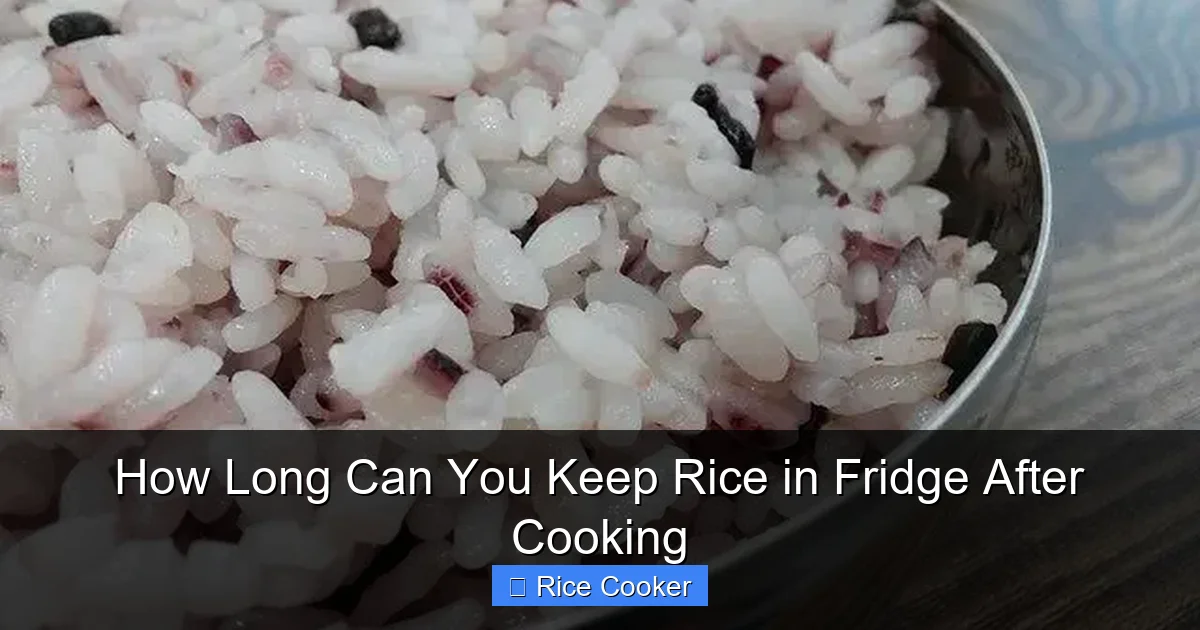
Properly stored cooked rice can last 3–4 days in the refrigerator, but timing depends on temperature, container type, and handling. Always cool rice quickly and use airtight containers to prevent bacterial growth like Bacillus cereus, which thrives in leftover grains.
Cooking rice is one of life’s simple joys—whether it’s fluffy jasmine for stir-fry or hearty brown rice for bowls. But what happens after the pan goes cold? That perfectly portioned bowl might seem harmless, but keeping cooked rice in the fridge isn’t just about convenience—it’s about food safety. The truth is, rice can harbor dangerous bacteria like *Bacillus cereus*, which produces heat-resistant spores that survive cooking. These spores multiply rapidly in warm, moist environments, making improper storage a real health risk.
Most people assume leftovers are safe as long as they smell fine. But here’s the catch: visible mold or bad odor often appears only AFTER the bacteria have already done their damage. That’s why understanding how long you can keep rice in the fridge after cooking isn’t just kitchen trivia—it’s essential knowledge for every home cook. In this guide, we’ll walk through everything from immediate post-cooking steps to smart storage hacks, so your next meal is both delicious and safe.
Key Takeaways
- Refrigeration Duration: Cooked rice should be refrigerated within 1 hour of cooking and lasts 3–4 days when stored properly.
- Cooling Matters: Rapid cooling reduces risk of bacterial contamination—never leave rice sitting at room temperature for more than 2 hours.
- Airtight Storage Is Key: Use sealed containers or freezer bags to minimize exposure to air and bacteria.
- Freezing Extends Life: Frozen cooked rice remains safe for up to 6 months; label with dates for easy tracking.
- Reheating Safely: Always reheat rice to 165°F (74°C) thoroughly to kill potential pathogens.
- Watch for Spoilage Signs: Discard rice if it smells off, feels slimy, or shows mold—even if it looks normal.
- <Raw vs. Cooked Rice Difference: Uncooked rice has natural preservatives; once cooked, it becomes a breeding ground for bacteria.
📑 Table of Contents
- Understanding the Science Behind Cooked Rice Safety
- The Critical First Hour: What Happens Right After Cooking?
- How Long Can You Actually Keep Cooked Rice in the Fridge?
- Best Practices for Refrigerating Cooked Rice
- Freezing Rice: A Game-Changer for Meal Prep
- Reheating Rice Safely: Don’t Skip This Step
- Signs You Should Throw Away Cooked Rice
- Common Myths About Leftover Rice Debunked
- Special Considerations: Brown Rice vs. White Rice
- What About Fried Rice or Mixed Dishes?
- Final Thoughts: Small Habits, Big Impact
Understanding the Science Behind Cooked Rice Safety
When rice is cooked, its starches gelatinize, creating an ideal environment for bacteria to grow. Unlike raw rice, which contains natural preservatives in its outer husk, cooked rice is vulnerable. One particularly sneaky culprit is *Bacillus cereus*. This bacterium lives in soil and dust—common contaminants during rice farming—and survives boiling temperatures. Once rice cools down, these spores wake up and start reproducing, especially between 40°F and 140°F—the danger zone where foodborne illnesses flourish fastest.
The real concern isn’t usually immediate spoilage; it’s delayed-onset food poisoning. Symptoms such as nausea, vomiting, or diarrhea may appear 6 to 15 hours after eating contaminated rice. Because the toxins produced by *B. cereus* aren’t destroyed by reheating, even fully cooked meals can make you sick if stored improperly. That explains why restaurant outbreaks linked to fried rice are surprisingly common—especially in buffets or delivery services where rice sits out too long.
The Critical First Hour: What Happens Right After Cooking?

Visual guide about How Long Can You Keep Rice in Fridge After Cooking
Image source: i.pinimg.com
Your rice is steaming hot, and your appetite is screaming “eat now!” But before you dive into that bowl, pause. The clock starts ticking the moment the rice leaves the heat source. Bacteria begin multiplying immediately when temperatures drop into the danger zone. Here’s what you need to know:
– **Do not let rice sit uncovered** at room temperature for more than two hours (or one hour if it’s over 90°F outside).
– **Portion wisely**: Divide large batches into shallow containers to speed up cooling.
– **Stir occasionally** while cooling—this helps distribute heat evenly and prevents pockets of warmth where bacteria thrive.
Many home cooks skip this step, thinking “a few minutes won’t hurt.” But those few minutes add up. A study published in the *Journal of Food Protection* found that *B. cereus* counts increased dramatically in cooked rice left unrefrigerated for just four hours. So yes—that half-full pot on your counter? It’s playing Russian roulette with your stomach.
How Long Can You Actually Keep Cooked Rice in the Fridge?
So, back to the original question: How long can you keep rice in the fridge after cooking? Under optimal conditions—rapid cooling, proper packaging, consistent 40°F or below refrigeration—you can safely store cooked rice for **3 to 4 days**. That means if you cooked a big batch of white rice yesterday afternoon, it’s still good today. But wait until the fourth day, and you’re entering risky territory.
Here’s a quick reference table to help you decide:
| Days Stored | Temperature | Safety Status |
|————-|————-|—————-|
| 0–3 | ≤40°F | Safe |
| 4 | ≤40°F | Use caution; test before eating |
| 5+ | ≤40°F | Likely unsafe—discard |
Remember, this timeframe assumes you followed best practices. If your fridge is warmer than usual, or if the rice was cooled slowly, reduce the window to 2–3 days.
Best Practices for Refrigerating Cooked Rice
Even with ideal timing, how you store your rice makes all the difference. Here’s how to maximize freshness and minimize risk:
Use Shallow Containers
Wide, shallow containers allow steam and heat to escape faster. Think takeout boxes or glass baking dishes—not deep pots or tall jars. Aim for no more than 2 inches of depth. This speeds up cooling so bacteria don’t get a head start.
Seal It Tight
Once cooled (within 2 hours), transfer rice to airtight containers or resealable freezer bags. Vacuum sealing isn’t necessary, but removing as much air as possible helps prevent oxidation and keeps moisture from creating a slimy surface.
Label and Date Everything
We’ve all pulled something from the back of the fridge only to realize we forgot when it went in. Avoid guesswork by writing the date on the lid or bag. Use a permanent marker—it sticks better than tape!
Don’t Overcrowd Your Fridge
Good airflow around containers ensures cold air circulates evenly. Don’t stack hot containers directly on top of each other. Let them breathe.
Check Your Fridge Temperature Regularly
Use a thermometer to confirm your fridge stays at 40°F or lower. Older models or busy households with frequent door openings can drift above safe levels.
Freezing Rice: A Game-Changer for Meal Prep
Want rice that lasts longer than a week? Freeze it! Frozen cooked rice is incredibly versatile and stays safe for up to **6 months**. Here’s how to do it right:
– Cool completely first (don’t freeze warm rice—it creates condensation and ice crystals).
– Portion into meal-sized amounts using silicone molds or ice cube trays for easy thawing later.
– Wrap individual portions in parchment paper or place in labeled freezer-safe bags.
– Lay flat in the freezer until solid, then stack for efficient space use.
Thaw overnight in the fridge or reheat directly from frozen—just add a splash of water to prevent drying. Frozen rice works great in soups, casseroles, or even fried rice without extra prep.
Reheating Rice Safely: Don’t Skip This Step
Leftover rice should always be reheated thoroughly. Cold or lukewarm rice can harbor live bacteria that won’t be killed by brief warming. Here’s the safest method:
– Microwave on high for 1–2 minutes per cup, stirring halfway through.
– Steam in a covered pot over low heat until hot throughout.
– Never microwave rice in plastic containers unless they’re labeled microwave-safe.
Aim for an internal temperature of **165°F (74°C)**—use a food thermometer if possible. Reheated rice should feel hot and steamy, not just warm at the center.
Signs You Should Throw Away Cooked Rice
Trust your senses. Even if the rice looks okay, it might be unsafe. Watch for these red flags:
– **Slimy texture**: Normal cooked rice is dry or slightly sticky; sliminess indicates bacterial activity.
– **Off smell**: Fresh rice has a neutral, grainy aroma. Sour, rancid, or ammonia-like odors mean it’s gone bad.
– **Mold spots**: Any fuzzy green, black, or white growth spells trouble.
– **Unusual color**: Grayish or dark patches suggest spoilage.
– **Excessive dryness**: While dryness isn’t always bad, extreme brittleness combined with other signs means discard.
If you’re unsure, it’s better to err on the side of caution. When in doubt, throw it out.
Common Myths About Leftover Rice Debunked
Let’s clear up some misconceptions:
– **“Rice can be left out all night—it’ll be fine.”** False. Room temperature is prime real estate for bacteria.
– **“Freezing ruins rice texture.”** Partially true—but frozen rice reheats well in dishes like fried rice or risotto, where texture isn’t critical.
– **“All types of rice have the same shelf life.”** Not quite. Brown rice has more oil content, so it spoils faster than white rice—even in the fridge.
– **“Boiling leftover rice kills bacteria.”** Only effective if done to 165°F throughout. Many home stovetop methods don’t reach that temp evenly.
Stick to science-backed practices, and you’ll avoid unnecessary trips to the doctor.
Special Considerations: Brown Rice vs. White Rice
While both follow similar storage rules, there are nuances:
– **White rice**: Lower fat content means it stays stable longer—up to 4 days refrigerated.
– **Brown rice**: Higher fiber and oil levels make it more perishable. Store for **only 3 days max**, and consider freezing sooner.
– **Instant/premium varieties**: Often treated with anti-gelling agents, which may affect texture after storage but not safety.
Always check labels for specific recommendations from manufacturers.
What About Fried Rice or Mixed Dishes?
If your rice is part of a dish—say, Thai fried rice with vegetables and eggs—the rules change slightly:
– The added proteins and veggies increase spoilage risk, so consume within **3 days**.
– Mix thoroughly before reheating to ensure even heat distribution.
– Avoid dishes with mayonnaise-based sauces, which spoil faster than plain rice.
Still, follow the same core principles: cool fast, store tight, reheat hot.
Final Thoughts: Small Habits, Big Impact
Keeping rice safe doesn’t require special gadgets or complicated routines. It’s about awareness and small, consistent actions:
– Cool rice promptly.
– Use clean, airtight containers.
– Label and date everything.
– Trust your instincts—when in doubt, toss it.
By treating leftover rice with care, you protect yourself and your family while reducing food waste. Plus, knowing how long you can keep rice in the fridge after cooking empowers you to plan meals smarter, save money, and enjoy peace of mind with every bite.
Whether you’re prepping for a busy workweek or hosting dinner guests, these tips will serve you well. And remember: the goal isn’t perfection—it’s progress. Start with one habit today, like portioning rice into shallow containers right after cooking. Tomorrow, try labeling every container. Soon enough, you’ll be a leftover-rice pro!
Frequently Asked Questions
Can I eat rice left out overnight?
No—leaving cooked rice at room temperature for more than two hours (one hour if it’s over 90°F) allows dangerous bacteria like Bacillus cereus to multiply. Always refrigerate promptly to avoid food poisoning.
How do I know if my leftover rice is bad?
Look for slimy texture, foul odor, mold spots, or unusual discoloration. Even if it looks normal, if it’s been in the fridge longer than 3–4 days, it’s safer to discard it.
Does freezing ruin rice?
Not necessarily. While frozen rice can become slightly firmer, it remains safe for up to 6 months and works well in soups, casseroles, or fried rice. Thaw overnight in the fridge before reheating.
Why does rice sometimes give me stomach cramps?
This could indicate Bacillus cereus contamination. Symptoms like nausea or diarrhea typically appear 6–15 hours after eating improperly stored rice, even if reheated thoroughly.
Is it safe to reheat rice multiple times?
Yes, but each time you reheat, ensure it reaches 165°F (74°C) throughout. However, repeated heating degrades quality—so limit reuse to maintain flavor and texture.
Can babies eat refrigerated rice?
Only if it’s cooled, stored properly, and reheated to 165°F. Babies are more vulnerable to foodborne illness, so avoid rice older than 2 days and never feed them cold or undercooked leftovers.