

A rice cooker isn’t just for rice — it’s a versatile kitchen powerhouse that can handle everything from hearty one-pot meals to lightweight breakfasts and even sweet treats. With the right ingredients and a little creativity, your rice cooker becomes a secret weapon for quick, healthy, and delicious cooking. Whether you’re meal prepping or whipping up a weeknight dinner, this handy appliance saves time and delivers consistent results every time.
Have you ever looked at your rice cooker and thought, “That’s just for rice, right?” Think again. While rice is its original calling, modern rice cookers have evolved into powerful, multifunctional appliances that can transform your meals with just a press of a button. Whether you’re a college student with a tiny kitchen, a busy parent trying to feed a family, or a foodie looking for new ways to simplify cooking, your rice cooker is secretly underused — and we’re here to change that.
From fluffy quinoa to tender chicken curry, creamy oatmeal to steamed dumplings, the possibilities are endless. No stove? No problem. A rice cooker lets you cook without watching over your food, making it perfect for hands-off, consistent results. Plus, it’s energy-efficient and produces less mess than traditional pots and pans. In this article, we’ll explore everything you can cook in a rice cooker — and how to do it like a pro.
Key Takeaways
- Rice cookers are more than rice machines — they can cook grains, proteins, vegetables, and even desserts with minimal effort.
- One-pot convenience means less cleanup and faster meal prep — perfect for busy lifestyles.
- Healthy eating is easy when you use your rice cooker to steam veggies, boil eggs, or simmer nutrient-rich soups.
- Energy-efficient and safe, rice cookers use less electricity than ovens or stovetops while reducing kitchen heat.
- Customizable settings like slow cook, keep-warm, and delay start make meal timing flexible and stress-free.
- Affordable upgrades like trivets or steamer baskets expand what your rice cooker can do.
- No stirring required — ideal for hands-off cooking, especially for students, parents, or anyone short on time.
📑 Table of Contents
- Why Your Rice Cooker Is More Than Just a Grain Machine
- Essential Rice Cooker Recipes You Should Try Today
- Breakfast Ideas: Start Your Day the Smart Way
- Main Dishes: Hearty Meals Made Easy
- Desserts and Baked Goods: Sweet Endings Without the Oven
- Soups, Stews, and Broths: Comfort in a Pot
- Snacks and Side Dishes: Small Bites, Big Flavors
- Tips for Maximizing Your Rice Cooker’s Potential
- Common Mistakes to Avoid
- The Future of Rice Cooker Cooking
- Conclusion: Unlock the Full Potential of Your Rice Cooker
Why Your Rice Cooker Is More Than Just a Grain Machine
Let’s face it — rice cookers were once seen as glorified rice makers. But today’s models come with advanced features like fuzzy logic, multiple cooking modes, and programmable timers. These aren’t just fancy buttons — they’re tools designed to cook a variety of foods perfectly.
For example, many rice cookers now include a “slow cook” function, which allows you to simmer stews and braises over several hours. Others have a “steaming” mode for delicate foods like fish or dumplings. And let’s not forget the trusty “keep warm” setting — a lifesaver when you’re serving dinner late or need to delay meals.
Beyond functionality, rice cookers promote healthy eating. Because they don’t require added fats for cooking, you can prepare lean proteins, whole grains, and fresh vegetables with minimal oil. They’re also great for batch cooking — make a big pot of lentil soup or a dozen hard-boiled eggs and store them for later.
Plus, using a rice cooker reduces kitchen clutter. You don’t need separate pots for boiling, steaming, or sautéing. One appliance does it all. That’s why millions of households worldwide rely on their rice cookers for daily meals — and why you should too.
Essential Rice Cooker Recipes You Should Try Today
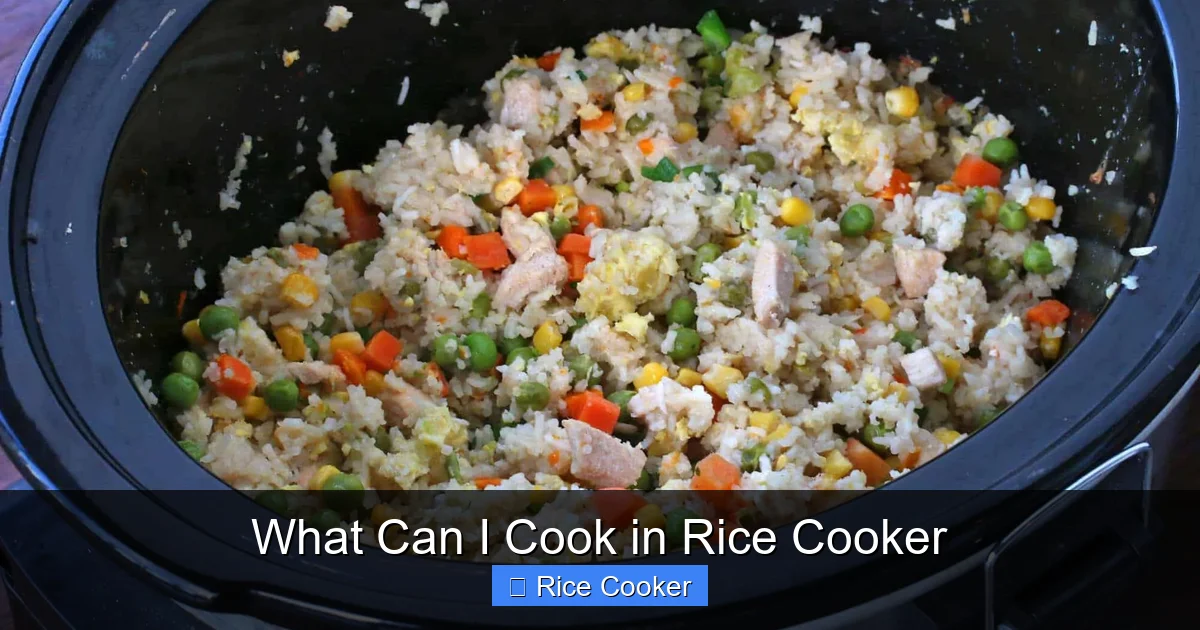
Visual guide about What Can I Cook in Rice Cooker
Image source: daringgourmet.com
If you’re ready to move beyond plain white rice, here are some tried-and-true recipes that show off your rice cooker’s versatility:
Perfect White Rice (The Classic)
Even if you’re sticking to basics, mastering white rice is key. Use a ratio of 1 cup rice to 1.25 cups water. Rinse the rice first to remove excess starch. Add rice and water to the inner pot, close the lid, and select the “white rice” setting. Once done, let it sit for 10 minutes before fluffing — this keeps it from turning mushy.
Steamed Salmon with Lemon and Herbs
Place salmon fillets in a greased dish. Sprinkle with lemon juice, garlic, dill, salt, and pepper. Add 1/2 cup water to the rice cooker, place a trivet inside, and put the salmon on top. Cover and steam for 12–15 minutes. The result? Flaky, juicy fish with zero effort.
Hearty Lentil Soup
Combine 1 cup dried lentils, 1 diced onion, 2 carrots, 2 celery stalks, 4 cups vegetable broth, 1 tomato, and spices. Add to the rice cooker with 6 cups water. Set to “porridge” or “soup” mode for 1 hour. Stir occasionally if possible. Serve with crusty bread for a comforting meal.
Overnight Oats (Yes, Really!)
Mix 1/2 cup rolled oats, 1/2 cup milk (or almond milk), 1 tbsp chia seeds, 1 tbsp honey, and your favorite fruit. Pour into a jar, seal, and place in the rice cooker. Turn on the “keep warm” or “delay” setting overnight. In the morning, you’ll have creamy, ready-to-eat oats.
Banana Bread
Mash 3 ripe bananas, mix with 1/3 cup melted butter, 1 egg, 1 tsp vanilla, 1 cup flour, 1 tsp baking soda, and a pinch of salt. Pour into a greased mold. Cook on the “cake” or “steam” setting for 45–50 minutes. Let cool slightly before slicing.
Breakfast Ideas: Start Your Day the Smart Way
Breakfast doesn’t have to be rushed or complicated. Your rice cooker can make waking up easier with these no-fuss options:
Creamy Steel-Cut Oats
Use the “oatmeal” or “porridge” setting. Combine 1/3 cup steel-cut oats, 1 cup water, a pinch of salt, and your choice of milk. Add dried fruit or nuts after cooking for extra flavor. Cook for 20–30 minutes until tender.
Eggs-in-a-Hole (Rice Cooker Version)
Butter a small oven-safe dish. Crack an egg into the center. Surround it with slices of bread. Place the dish in the rice cooker with 1/2 cup water. Close the lid and set to “steam” for 10–12 minutes. The eggs will be soft and custardy.
Quinoa Breakfast Bowl
Rinse 1/2 cup quinoa, then cook with 1 cup water on the “brown rice” setting. Once done, stir in almond milk, cinnamon, and berries. Top with chopped nuts and a drizzle of honey.
Porridge with Fruit and Nuts
Cook rolled oats with water or milk on low heat (use the “low” or “warm” setting). Stir in sliced bananas, apples, or berries. Sprinkle with almonds or walnuts for crunch.
These breakfasts are not only nutritious but also customizable. Swap ingredients based on your mood or dietary needs. And since everything happens in one pot, cleanup is a breeze.
Main Dishes: Hearty Meals Made Easy
When it comes to dinner, your rice cooker can handle full meals that would normally require a stovetop and multiple pans. Here are some crowd-pleasing main dishes:
Chicken and Rice Casserole
Brown 1 lb chicken breast (optional), then layer with 1 cup rice, 1 cup diced tomatoes, 1 cup frozen peas, 1 cup chicken broth, and herbs. Cook on “casserole” or “manual” mode for 30–40 minutes. The result is a complete meal with minimal effort.
Vegetable Fried “Rice”
Sauté onions, bell peppers, and broccoli in a bit of oil. Add cooked rice and soy sauce. Stir in scrambled eggs. Transfer everything to the rice cooker, add 1/4 cup water, and cook on “steam” for 10 minutes to heat through.
Beef and Barley Stew
Combine 1 lb diced beef, 1 cup barley, 1 onion, 2 carrots, 2 celery stalks, 4 cups beef broth, and seasonings. Cook on “slow cook” for 2–3 hours until meat is tender. Serve with crusty bread.
Thai Coconut Curry with Chicken
Sauté onions, garlic, and ginger. Add 1 lb chicken, 1 can coconut milk, 2 tbsp red curry paste, 1 cup jasmine rice, and 1 cup water. Cook on “curry” or “manual” mode for 30–40 minutes. Garnish with cilantro and lime.
Turkey Meatballs with Quinoa
Mix ground turkey, breadcrumbs, egg, garlic, and Italian herbs. Form into balls. Layer with 1 cup quinoa and 1.5 cups water. Cook on “quinoa” or “manual” mode for 25–30 minutes. The quinoa absorbs the meat juices, creating a flavorful base.
These meals prove that your rice cooker can replace multiple kitchen tools. No need for a Dutch oven, skillet, or second pot. Just one appliance, one pot, and one button press.
Desserts and Baked Goods: Sweet Endings Without the Oven
Yes, you read that right — your rice cooker can bake cakes, muffins, and even puddings. Thanks to its insulated design, it traps heat like a mini oven, making it perfect for desserts.
Chocolate Mug Cake (in a Rice Cooker)
Melt 1 tbsp butter. Mix in 2 tbsp cocoa powder, 1 tbsp sugar, 1 egg, and 1 tbsp flour. Pour into a greased dish. Cook on “steam” for 8–10 minutes. It’s moist, rich, and ready in under 15 minutes.
Cheesecake (Mini or Single-Serving)
Make a crust with crushed graham crackers and melted butter. Press into a dish. Mix 4 oz cream cheese, 1 egg, 1 tbsp sugar, and 1 tsp vanilla. Pour over crust. Cook on “steam” for 15–20 minutes. Chill before serving.
Apple Crisp
Slice 2 apples and place in a greased dish. Mix 1/2 cup oats, 1/4 cup flour, 1/4 cup brown sugar, 1/4 cup butter, and cinnamon. Sprinkle over apples. Cook on “steam” for 20–25 minutes until bubbly and golden.
Pudding (Rice Pudding Style)
Combine 1 cup rice, 3 cups milk, 1/4 cup sugar, and a pinch of cinnamon. Cook on “porridge” mode for 45–60 minutes, stirring occasionally. Add raisins or vanilla extract for extra flavor.
Banana Bread (Again — It’s That Good)
As mentioned earlier, banana bread is a rice cooker favorite. The moist, even heat creates a tender crumb. Line the pot with parchment paper for easy removal.
These desserts are perfect for special occasions or when you crave something sweet without turning on the oven. Plus, they’re great for meal prep — make a few portions ahead and reheat in the microwave.
Soups, Stews, and Broths: Comfort in a Pot
Nothing beats a warm bowl of soup on a cold day — and your rice cooker can make them beautifully. Since most rice cookers have a slow-cook or soup setting, they’re ideal for simmering flavors together.
Tomato Basil Soup
Simmer 2 cans crushed tomatoes, 1 onion, 2 cloves garlic, 2 cups vegetable broth, 1 cup coconut milk, and fresh basil. Season with salt, pepper, and a pinch of sugar. Cook on “soup” mode for 45–60 minutes. Blend until smooth.
Minestrone
Add beans, tomatoes, zucchini, carrots, celery, onions, pasta, and broth to the rice cooker. Cook on “soup” for 1–2 hours. Stir in fresh spinach near the end.
Chicken Noodle Soup
Simmer chicken, carrots, celery, onions, garlic, and noodles in broth. Cook for 1–1.5 hours. Shred the chicken and return to the pot. Serve with crusty bread.
Beef Bone Broth
Roast bones (optional) and add them to the rice cooker with vegetables, herbs, and water. Cook on “slow cook” for 6–8 hours. Strain and use for soups or sipping.
Soups made in a rice cooker are rich in flavor and nutrients. The long, slow cooking breaks down collagen in bones and connective tissue, creating a nourishing base. And since everything cooks in one pot, there’s no risk of burning or sticking.
Snacks and Side Dishes: Small Bites, Big Flavors
Your rice cooker isn’t just for main courses — it’s great for side dishes and snacks too.
Hard-Boiled Eggs
Place eggs in the inner pot. Add enough water to cover them by 1 inch. Close the lid and set to “steam” for 12–15 minutes. Ice bath optional, but recommended.
Roasted Chickpeas
Toss canned chickpeas with olive oil, salt, and spices. Spread on a plate. Cook on “steam” for 15–20 minutes, shaking halfway. Crunchy and protein-packed.
Garlic Butter Rice
Cook rice as usual. Stir in 2 tbsp butter, 2 minced garlic cloves, and parsley. Sauté briefly on “warm” to blend flavors.
Steamed Vegetables
Cut broccoli, carrots, or green beans into bite-sized pieces. Steam over boiling water (use the trivet) for 8–12 minutes. Toss with lemon juice and salt.
Corn on the Cob
Soak corn in water for 10 minutes. Place in the rice cooker with 1/2 cup water. Steam for 15–20 minutes. Serve with butter and chili powder.
These sides are simple, healthy, and pair well with almost any meal. They also help stretch your rice cooker’s usefulness beyond grains and proteins.
Tips for Maximizing Your Rice Cooker’s Potential
To get the best results, follow these pro tips:
- Use a trivet or steaming basket for foods that shouldn’t touch the liquid — like fish or dumplings.
- Line the pot with parchment or foil when baking cakes or bread to prevent sticking.
- Pre-cook tough ingredients like beans or grains in a separate pot if your rice cooker has limited capacity.
- Don’t overcrowd the pot — leave space for steam to circulate.
- Clean the inner pot immediately to avoid stains and odors.
- Experiment with seasonings — rice cookers absorb flavors well, so marinate proteins or infuse broths.
- Check your model’s manual — not all rice cookers have the same functions or capacities.
With these tips, you’ll avoid common mistakes and unlock even more possibilities. Remember, practice makes perfect — try one new recipe a week and watch your confidence grow.
Common Mistakes to Avoid
Even experienced cooks make errors. Here’s how to dodge them:
- Using too much liquid — always check ratios for rice and grains. Too much water = mushy results.
- Not rinsing rice — this removes excess starch and prevents gummy texture.
- Skipping the preheat step — some models benefit from a brief warm-up before cooking.
- Opening the lid during cooking — this releases steam and disrupts temperature.
- Using metal utensils in the inner pot — they can scratch non-stick coatings.
Avoiding these pitfalls ensures consistent, high-quality results every time. And when in doubt, consult your user guide — it’s packed with helpful advice.
The Future of Rice Cooker Cooking
As technology advances, rice cookers are becoming smarter. Some models now connect to Wi-Fi, allowing remote control via smartphone apps. Others use sensors to adjust cooking times automatically. Imagine starting your dinner while commuting home — your rice cooker will already be simmering your stew.
Smart rice cookers also offer voice control and integration with virtual assistants. While these features aren’t necessary, they reflect the growing demand for convenience and efficiency.
But even basic models can do incredible things. You don’t need the latest gadget to enjoy diverse meals. A simple rice cooker from any decade can still outperform a busy kitchen.
What matters most is understanding your appliance’s capabilities. With a little knowledge and creativity, your rice cooker becomes a gateway to healthier, tastier, and simpler living.
Conclusion: Unlock the Full Potential of Your Rice Cooker
Your rice cooker is far more than a grain maker — it’s a versatile, efficient, and surprisingly powerful kitchen tool. From breakfast oats to dessert cakes, soups to stews, and everything in between, it can handle a wide range of dishes with ease. No stove? No problem. Limited time? Perfect solution. Health-conscious? Absolutely.
By exploring new recipes and experimenting with ingredients, you’ll discover how much you’ve been missing. And the best part? Minimal cleanup, consistent results, and maximum flavor.
So next time you open your rice cooker, don’t just think about rice. Think about the possibilities. Try that salmon tonight. Make oatmeal tomorrow. Bake a cake this weekend. Your taste buds — and your schedule — will thank you.
Start small, stay curious, and let your rice cooker surprise you. After all, cooking should be fun, not frustrating. And with your rice cooker, it can be.
Frequently Asked Questions
Can I cook meat in a rice cooker?
Absolutely! You can braise chicken, simmer beef, or steam fish in a rice cooker. Just add enough liquid and cook on the appropriate setting. For example, chicken thighs cooked with broth become tender and flavorful.
Is it safe to leave a rice cooker on overnight?
Most modern rice cookers have a “keep warm” setting that safely maintains food temperature for several hours. However, it’s best not to leave food sitting for more than 12 hours to avoid spoilage. Always check the manufacturer’s guidelines.
Can I cook frozen vegetables in a rice cooker?
Yes, but it’s better to thaw them first or add them early in the cooking process. Frozen vegetables may release too much water and dilute flavors. Steaming them separately is often more effective.
Do I need special cookware for my rice cooker?
You need to use the inner pot that came with your rice cooker. Never use metal utensils in it, as they can damage the non-stick coating. For steaming, a trivet or steamer basket helps keep food above the water.
Can I make yogurt in a rice cooker?
While some people use rice cookers for yogurt by heating milk and maintaining warmth, it’s not the most reliable method. Specialized yogurt makers or ovens with precise temperature control work better for consistent results.
How do I clean my rice cooker properly?
Unplug and unplug the rice cooker before cleaning. Wash the inner pot with warm, soapy water. Wipe the exterior and lid with a damp cloth. Avoid submerging electrical parts. Clean the steam vent regularly to prevent clogs.