
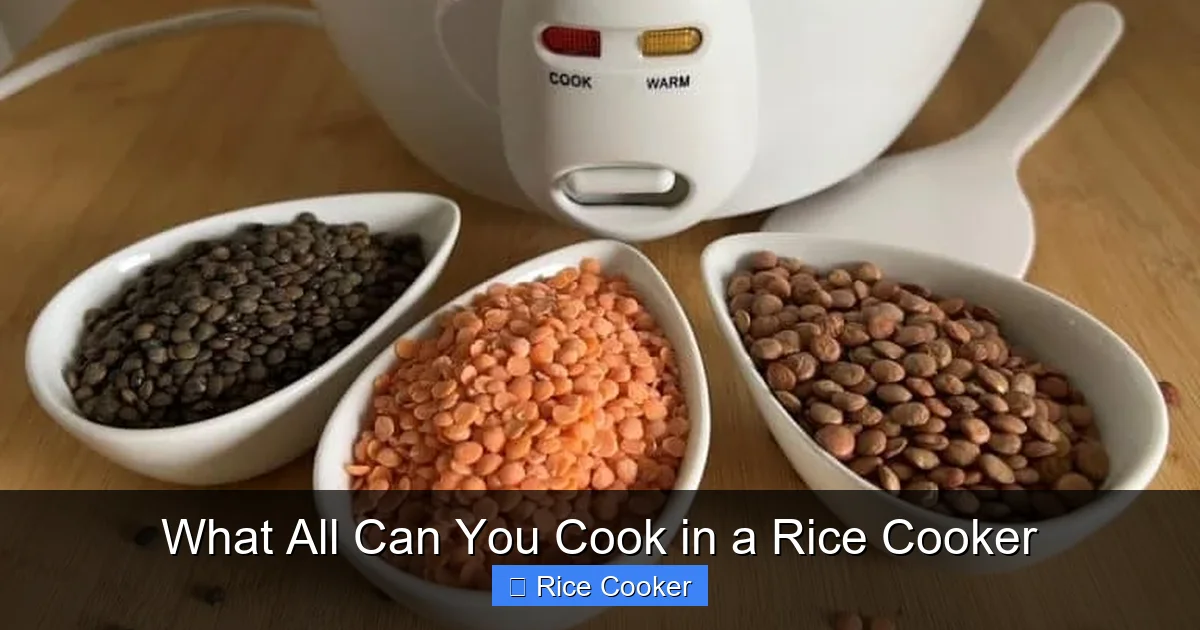
A rice cooker does so much more than cook rice—it’s a versatile kitchen powerhouse that can handle grains, proteins, vegetables, soups, and even desserts with ease. Whether you’re meal prepping or whipping up a quick dinner, your rice cooker is ready to expand your cooking horizons.
Key Takeaways
- Rice cookers are surprisingly versatile appliances that go far beyond boiling rice—they can cook grains, proteins, vegetables, and even desserts.
- You can make complete meals in one pot, saving time and reducing cleanup compared to traditional stovetop cooking.
- Many modern rice cookers come with advanced features like steam, slow cook, and delay timers, making them ideal for busy lifestyles.
- Soups, stews, and one-pot meals are easy to prepare by adjusting liquid ratios and cooking times.
- Desserts like cakes, puddings, and steamed buns are possible with the right recipe and technique.
- Cleaning is simple—most parts are removable and dishwasher-safe, encouraging more use.
- Using a rice cooker helps reduce food waste by allowing you to cook small portions or batch-cook ingredients efficiently.
Quick Answers to Common Questions
Can you cook pasta in a rice cooker?
Yes, you can! Add pasta and water to the pot, bring to a boil, then reduce to a simmer. Cook until al dente, usually 8–12 minutes depending on the type. Drain excess water before adding sauces or mix-ins.
Is it safe to cook meat in a rice cooker?
Absolutely. Just ensure meat reaches a safe internal temperature (165°F for poultry, 145°F for beef). Sautéing meat first enhances flavor, and the steam keeps it moist.
Can I use my rice cooker to make yogurt?
Not directly, since yogurt requires fermentation at controlled temperatures. However, you can use the “keep warm” function to maintain warmth while culturing yogurt in a separate container.
Do I need special ingredients for rice cooker recipes?
Nope! Most recipes use everyday ingredients like rice, water, broth, vegetables, and spices. Some advanced recipes may call for specialty items, but basics work just fine.
How do I prevent food from sticking to the bottom?
Always use the inner pot with enough liquid to prevent scorching. If cooking without much liquid, stir occasionally or use a non-stick liner. Never cook dry ingredients without moisture.
📑 Table of Contents
What All Can You Cook in a Rice Cooker?
Let’s be honest—most people think of a rice cooker as the appliance that only makes rice. But if you look past the stereotype, you’ll find that a good rice cooker is actually one of the most versatile tools in your kitchen. It’s not just about fluffy white rice or sticky sushi rice anymore. With the right techniques and a little creativity, you can cook almost anything from breakfast to dessert using just this humble machine.
In this comprehensive guide, we’re going to explore all the amazing things you can cook in a rice cooker. From grains and legumes to meats, vegetables, soups, and even sweet treats, you’ll discover how this simple device can simplify your cooking routine, save time, and help you eat healthier. Whether you’re a beginner or a seasoned home cook, there’s something here for everyone.
Cooking Grains Beyond Rice
If you’ve ever wondered what else you can cook in a rice cooker besides rice, the answer is—pretty much every grain! While rice is the star, a rice cooker excels at handling other cereals and seeds with similar moisture requirements.

Visual guide about What All Can You Cook in a Rice Cooker
Image source: hungryhuy.com
Quinoa
Quinoa is one of the easiest grains to cook in a rice cooker. Simply rinse 1 cup of quinoa, add 2 cups of water or broth, and press the “cook” button. In about 15 minutes, you’ll have perfectly fluffy quinoa ready to use in salads, bowls, or as a side dish. For extra flavor, swap water for vegetable or chicken broth.
Oats and Porridge
Yes, you can make overnight oats or hot oatmeal in a rice cooker! Add 1/2 cup rolled oats, 1 cup milk (or water), a pinch of salt, and optional sweeteners or spices. Set it to cook for 20–30 minutes on low heat. Stir occasionally for creamier results. Top with fruit, nuts, or honey when done.
Barley and Farro
These ancient grains require slightly longer cooking times but yield excellent results. Use a 1:2.5 ratio (grain to liquid) and set the timer accordingly. Barley takes around 45–60 minutes, while farro may need up to an hour. Both work wonderfully in soups or grain salads.
Lentils and Beans (with Soaking)
While not all rice cookers have a dedicated “beans” setting, many can handle soaked legumes. After soaking dried lentils or beans overnight, drain them, add fresh water (about 3 times the volume), and cook on high for 30–45 minutes until tender. Avoid overcooking to prevent mushiness.
Tip: Always check your rice cooker manual for specific instructions—some models recommend using the “slow cook” function for beans to avoid overflow.
One-Pot Meals and Proteins
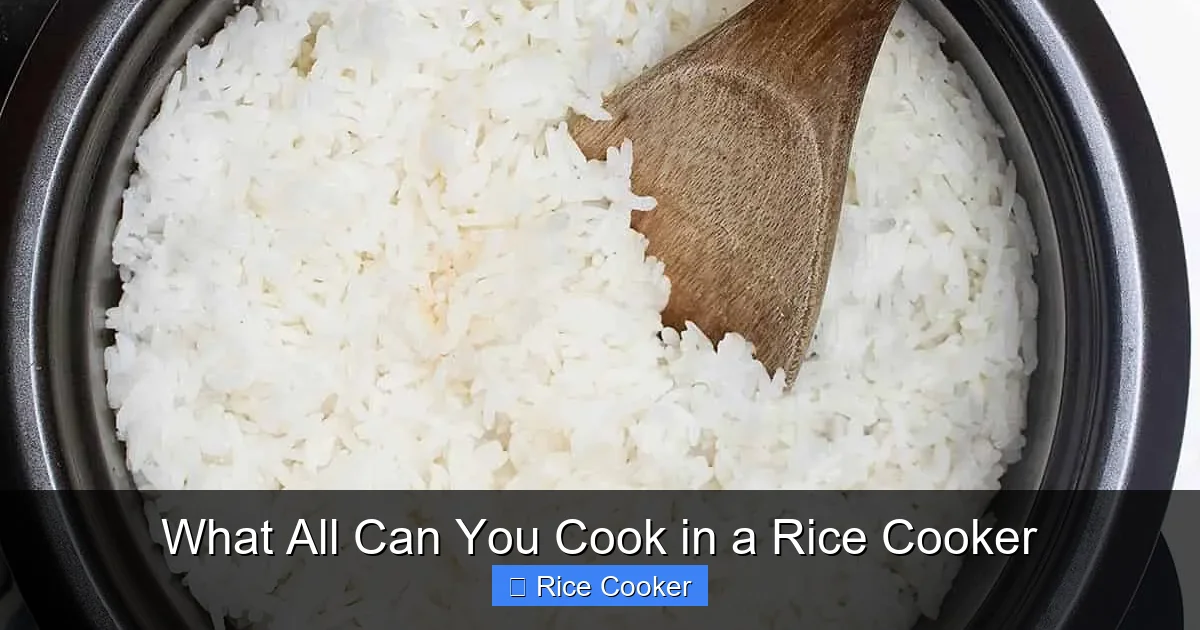
One of the best things about using a rice cooker is how well it handles one-pot meals. You can cook proteins, grains, and vegetables together for a balanced, hands-off dinner. No more scrubbing multiple pots!
Visual guide about What All Can You Cook in a Rice Cooker
Image source: storables.com
Chicken and Rice Dinners
Try a classic chicken and rice dish: brown 1 lb of chicken thighs in a bit of oil, then add rice, broth, and vegetables. Close the lid and let the rice cooker do its magic. The result? Tender, juicy chicken and fluffy rice in under an hour. Bonus: the steam keeps everything moist.
Stir-Fry Rice
Make quick stir-fry rice by sautéing diced veggies and cooked meat in the inner pot, then adding cold rice and soy sauce. Cover and cook for 5–10 minutes to warm through. It’s a great way to repurpose leftovers.
Vegetable Stews and Curries
With the right liquid-to-solid ratio, you can create hearty vegetable stews or mild curries. Add chopped potatoes, carrots, onions, and tomatoes to the pot, then layer in rice or quinoa. Pour in broth, season with spices, and cook until everything is tender. A rice cooker with a “keep warm” feature helps maintain temperature without drying out your meal.
Pro Tip: Use a trivet or steamer basket to keep delicate vegetables (like broccoli or spinach) from getting too soft. Steam them separately, then combine with the main dish before serving.
Soups and Stews
Contrary to popular belief, rice cookers are excellent for making soups and stews—especially if you use the right settings. Many modern models include a “soup” or “slow cook” mode that simulates gentle simmering.
How to Make Soup in a Rice Cooker
Start by sautéing onions, garlic, and any meat in the inner pot. Add chopped vegetables, broth, and herbs. For rice-based soups, add rice halfway through cooking. Press “cook” and let it simmer. Stir occasionally if possible. Most soups will take 45–60 minutes to reach full tenderness.
Tomato Basil Soup
A simple version: Sauté onions and garlic, add canned crushed tomatoes, vegetable broth, and fresh basil. Let it cook until thickened. Blend partially (or fully) for smoothness. Serve with crusty bread for a cozy meal.
Minestrone or Lentil Soup
These hearty soups shine in a rice cooker. Combine lentils, diced tomatoes, carrots, celery, onion, garlic, and vegetable broth. Cook for 45–60 minutes. Add pasta or rice during the last 10 minutes for extra heartiness.
Note: Avoid adding dairy (like cream or cheese) until after cooking, as it may separate under prolonged heat.
Steaming Vegetables and Eggs
Most rice cookers come with a built-in steamer tray or basket, making them perfect for steaming foods without needing a separate steamer. This method preserves nutrients and keeps flavors light.
Steamed Broccoli and Carrots
Cut vegetables into bite-sized pieces, place in the steamer basket, and add water to the inner pot (about 1 inch). Close the lid and press “cook” for 8–12 minutes depending on desired doneness. Steam locks in color and texture.
Steamed Eggs (Silky Custard)
Whisk 2 eggs with 3 egg yolks, salt, and a splash of soy sauce or water. Pour into a heatproof bowl placed inside the steamer basket. Cover and steam for 10–15 minutes until set but still creamy. Great as a side or light snack.
Steamed Fish
Place a fillet in the steamer basket with ginger slices, scallions, and soy sauce. Steam for 8–10 minutes until opaque. Finish with a drizzle of sesame oil and hot water. Delicious and healthy!
Tip: Always use the steamer basket for delicate items to prevent them from absorbing too much water or sticking to the pot.
Baking and Sweet Treats
Yes, you can bake desserts in a rice cooker! While not a conventional oven, the enclosed environment creates enough heat and steam to make cakes, puddings, and even steamed buns.
Rice Pudding
Combine 1 cup rice, 4 cups milk, 1/2 cup sugar, cinnamon, and vanilla. Cook on low for 1–1.5 hours, stirring occasionally. The result is creamy, comforting pudding perfect for dessert or breakfast.
Pineapple Upside-Down Cake
Arrange pineapple rings and cherries in the bottom of the inner pot. Mix cake batter (store-bought or homemade), pour over fruit, and cover tightly with foil. Cook on “cake” or “cook” setting for 45–60 minutes. Flip onto a plate when done.
Mochi or Steamed Buns
With a bit of practice, you can make soft mochi or Chinese steamed buns in your rice cooker. Knead glutinous rice flour dough, shape into balls, and steam in the basket for 15–20 minutes. Serve with sweet red bean paste inside.
Important: Always seal the lid tightly when baking to trap steam. Using parchment paper or a silicone liner helps prevent sticking.
Breakfast Ideas
Who says breakfast has to be boring? Your rice cooker can whip up a variety of morning favorites with minimal effort.
Overnight Oats or Creamy Cereal
Add oats, milk, chia seeds, and fruit to the inner pot, stir, and let sit overnight. In the morning, microwave for 1–2 minutes or enjoy chilled. It’s a no-mess, no-stress breakfast solution.
Egg Fried Rice
Cook leftover rice in the pot with beaten eggs, soy sauce, and mixed vegetables. Stir gently until eggs are scrambled and rice is heated through. Quick, tasty, and customizable.
Scrambled Eggs with Cheese
Whisk eggs with milk and salt, pour into a greased pot, and cook on low for 10–15 minutes, stirring occasionally. The gentle heat creates soft, creamy scrambled eggs.
Bonus: Use the “keep warm” function to serve guests as they arrive—perfect for brunch gatherings.
Tips for Maximizing Your Rice Cooker
To get the most out of your rice cooker, follow these practical tips:
- Use the right amount of liquid: Too much can lead to mushy food; too little causes dryness. Start with recommended ratios and adjust next time.
- Preheat when needed: For dishes requiring browning (like chicken), sauté ingredients first before adding liquid.
- Don’t open the lid unnecessarily: Opening disrupts temperature and cooking time. Only peek when necessary.
- Clean immediately after use: Food residue hardens over time. Rinse the inner pot while warm.
- Experiment with recipes: Look for “rice cooker” tags on cooking websites or YouTube channels for inspiration.
Conclusion
Your rice cooker is far more than a one-trick pony. It’s a compact, efficient, and surprisingly powerful kitchen tool capable of preparing a wide range of meals—from savory mains to sweet desserts. By expanding your culinary repertoire beyond plain rice, you unlock a world of convenience, flavor, and creativity.
Whether you’re cooking for one or feeding a family, a rice cooker can streamline your meal prep, reduce cleanup, and help you eat healthier with less effort. So the next time you reach for your rice cooker, remember: it’s not just for rice. It’s for porridge, pasta, protein, and pudding. The possibilities are endless.
Frequently Asked Questions
Can I cook frozen vegetables in a rice cooker?
Yes, but add them toward the end of cooking to avoid overcooking. Steam them briefly after the main dish is done, or include them early if you prefer softer textures.
How long does it take to cook beans in a rice cooker?
After soaking, cook beans on high for 30–45 minutes until tender. Soaking reduces cooking time and improves digestibility. Always check for doneness before adding to recipes.
Can I make soup without a soup setting?
Yes! Use the standard “cook” function and stir occasionally. Simmer for longer than usual to develop flavors. Some models may require manual timing, so monitor closely.
Is it okay to leave food in the rice cooker for hours?
Only if the “keep warm” function is used properly. Most rice cookers automatically switch to keep-warm mode after cooking, which is safe for several hours. Avoid leaving perishable foods unrefrigerated beyond 2 hours.
Can I bake bread in a rice cooker?
Not typical sourdough loaves, but small breads or banana bread can be made if the pot size allows. Seal tightly with foil and cook on low for 45–60 minutes. Results vary by model.
Should I rinse my rice cooker after every use?
Yes! Rinse the inner pot immediately after use while still warm. Remove stuck-on bits gently with a sponge or brush. Most pots are dishwasher-safe, but hand washing preserves longevity.