Electric kettles are loud due to rapid boiling, heating elements, and vibrations. The noise comes from steam, bubbles, and design, but you can minimize it.
Key Takeaways
- Boiling physics: The loud “hissing” and “rumbling” sounds are caused by rapid steam formation and bubble collapse during heating.
- Heating element design: Exposed or poorly insulated elements create more noise due to direct contact with water and faster heat transfer.
- Vibration and resonance: Kettles can amplify sound when placed on hard surfaces or if internal parts are loose.
- Water quality matters: Hard water with minerals increases noise by forming scale that disrupts smooth boiling.
- Material and build quality: Thin plastic or metal bodies transmit sound more than thicker, insulated designs.
- Quiet kettles exist: Look for models with insulated walls, concealed elements, and noise-dampening features.
- Simple fixes help: Using softer water, cleaning regularly, and placing the kettle on a soft surface can reduce noise.
📑 Table of Contents
Why Are Electric Kettles So Loud?
You’re in the kitchen, trying to enjoy a quiet morning with a cup of tea. You press the button on your electric kettle, and suddenly—*hiss, rumble, clatter!*—it sounds like a jet engine warming up. Why are electric kettles so loud? It’s a question many of us have asked, especially when we’re half-asleep or on an early Zoom call.
The truth is, electric kettles are inherently noisy appliances. Unlike stovetop kettles that heat slowly and quietly, electric models are designed for speed. They heat water rapidly using powerful heating elements, which creates intense steam and turbulence. This process, while efficient, generates a lot of sound. But it’s not just about speed—design, materials, water quality, and even where you place the kettle all play a role in how loud it gets.
Understanding why your kettle is so loud can help you choose a quieter model or reduce the noise with simple adjustments. In this article, we’ll break down the science behind the sound, explore the key factors that contribute to noise, and share practical tips to help you enjoy a more peaceful brewing experience. Whether you’re a tea lover, coffee enthusiast, or just someone who values a calm kitchen, this guide will help you silence the symphony of your electric kettle.
The Science Behind the Sound
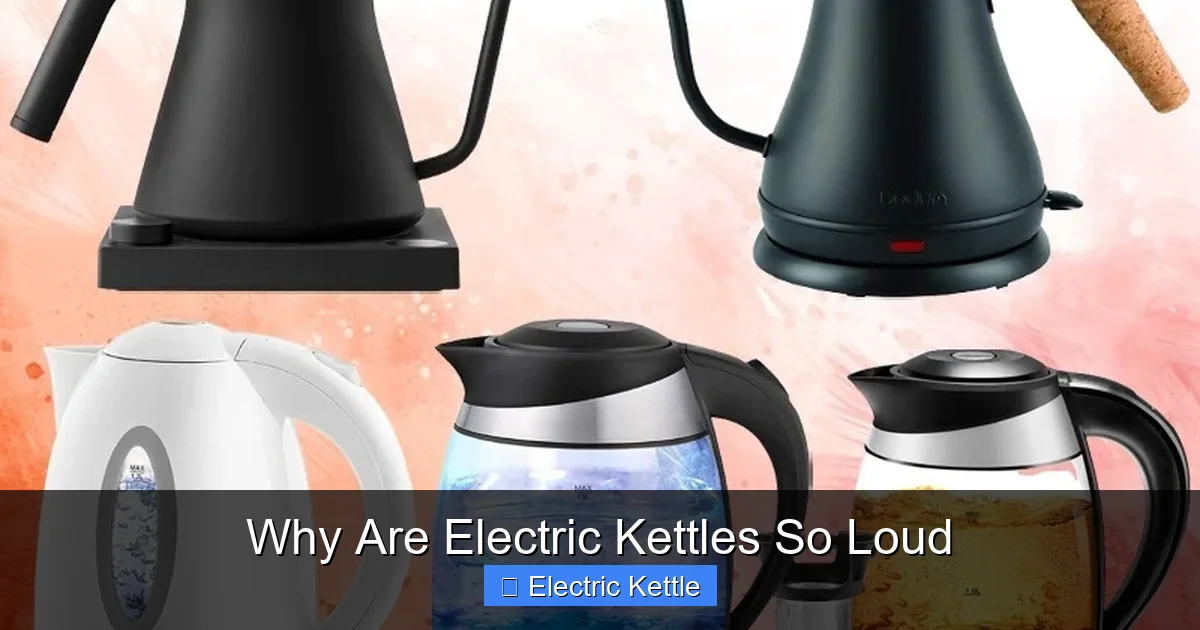
Visual guide about Why Are Electric Kettles So Loud
Image source: stylesatlife.com
To understand why electric kettles are so loud, we need to look at what happens inside when you press that power button. The noise isn’t random—it’s the result of specific physical processes happening at high speed.
When you turn on an electric kettle, electricity flows through a heating element, usually located at the base. This element gets extremely hot, often reaching temperatures well above 100°C (212°F), and transfers that heat directly to the water. As the water heats up, it begins to form bubbles. These aren’t just any bubbles—they’re pockets of steam forming at the hottest points, usually right where the heating element touches the water.
Now, here’s where the noise starts. As these bubbles rise through the cooler water above, they suddenly collapse. This collapse creates tiny shockwaves in the water, producing a sharp, popping sound. This phenomenon is called *cavitation*. It’s similar to the sound you hear when you boil water on the stove, but in an electric kettle, it happens much faster and more intensely because the heating is more concentrated.
As the water approaches boiling point, the bubbles no longer collapse. Instead, they rise to the surface and release steam into the air. But even then, the sound doesn’t stop. The rush of steam escaping through the spout creates a loud hissing or whistling noise. Some kettles have built-in whistles that amplify this sound to alert you when the water is ready—but even without a whistle, the steam alone can be quite loud.
Another factor is the rapid expansion of air and steam inside the kettle. As water turns to steam, it expands dramatically—by about 1,600 times its original volume. This sudden expansion creates pressure waves that vibrate the kettle’s body and lid, adding to the overall noise.
So, in short, the loudness of an electric kettle comes from a combination of:
– Bubble formation and collapse (cavitation)
– Steam rushing through the spout
– Vibrations from rapid heating and pressure changes
– Resonance within the kettle’s structure
All of these processes happen in just a few minutes, which is why the noise feels so intense and sudden. It’s not that the kettle is broken—it’s just doing its job very efficiently.
Heating Element Design and Noise
One of the biggest contributors to an electric kettle’s noise is the design of its heating element. This is the part that actually heats the water, and how it’s built can make a huge difference in how loud your kettle gets.
Most electric kettles use one of two types of heating elements: exposed or concealed.
Exposed Heating Elements
Exposed elements are directly in contact with the water. You can often see them as a coiled metal ring at the bottom of the kettle. These elements heat up very quickly because there’s no barrier between the metal and the water. While this makes the kettle faster, it also increases noise.
Why? Because the direct contact creates intense, localized heating. This leads to rapid bubble formation right at the element’s surface, which causes more cavitation and louder popping sounds. Additionally, exposed elements can cause small vibrations as they expand and contract with heat, adding a subtle buzzing or rattling noise.
Exposed elements are common in cheaper or older models. They’re effective but tend to be noisier and can also be harder to clean, since limescale builds up directly on the metal.
Concealed Heating Elements
Concealed elements, on the other hand, are hidden under a smooth, flat plate at the base of the kettle. The heating coil is sealed beneath this plate, so it never touches the water directly. This design has several advantages—especially when it comes to noise.
Because the heat is transferred through the plate, the water heats more evenly. This reduces the formation of superheated spots that cause violent bubbling. The result? Less cavitation, fewer shockwaves, and a quieter boiling process.
Concealed elements also tend to be more energy-efficient and easier to clean, since there’s no exposed metal for limescale to cling to. Many modern, high-end kettles use this design specifically to reduce noise and improve performance.
Element Material Matters Too
Not all heating elements are made the same. Some are made of stainless steel, while others use copper or aluminum. Stainless steel is durable and resistant to corrosion, but it can transmit sound more easily. Copper heats up faster but may contribute to noise if not properly insulated.
The thickness and quality of the element also play a role. Thicker, well-insulated elements tend to vibrate less and produce less noise. Cheaper models may use thin, lightweight materials that rattle or hum under high heat.
Power and Speed
Another factor is the wattage of the kettle. Most electric kettles range from 1,500 to 3,000 watts. Higher wattage means faster boiling—but also more intense heating and louder sounds. A 3,000-watt kettle will boil water in under three minutes, but it will also be significantly louder than a 1,500-watt model.
If you’re sensitive to noise, consider a kettle with adjustable temperature settings. These allow you to heat water to lower temperatures (like 80°C for green tea), which reduces the intensity of boiling and, in turn, the noise.
In summary, the heating element is a major source of noise in electric kettles. Choosing a model with a concealed, well-insulated element and moderate wattage can make a big difference in how loud your kettle is.
How Kettle Materials Affect Noise Levels
You might not think about it when you’re shopping for a kettle, but the material it’s made from has a big impact on how loud it is. Just like a guitar sounds different depending on whether it’s made of wood or metal, your kettle’s body material affects how sound travels and resonates.
Plastic Kettles
Plastic is a common material for budget-friendly electric kettles. It’s lightweight, affordable, and comes in a variety of colors. But when it comes to noise, plastic has a downside: it’s a poor sound insulator.
Thin plastic walls vibrate easily when the kettle heats up. These vibrations amplify the internal sounds of boiling water, making the kettle seem louder than it actually is. Additionally, plastic can produce a high-pitched humming or buzzing noise, especially if the heating element is poorly mounted or the lid doesn’t fit snugly.
Some plastic kettles also have loose parts—like lids or handles—that rattle during boiling. This adds to the overall noise and can be especially annoying in quiet environments.
That said, not all plastic kettles are loud. Higher-quality models use thicker, reinforced plastic with internal dampening layers. These are better at absorbing sound and reducing resonance.
Stainless Steel Kettles
Stainless steel is a popular choice for mid-to-high-end kettles. It’s durable, easy to clean, and looks sleek on the countertop. But stainless steel is also a great conductor of sound—and that can be a problem.
Thin stainless steel bodies act like drums, amplifying internal noises. The clanging of the lid, the rumble of boiling water, and the hiss of steam can all be magnified by the metal shell. This is why some stainless steel kettles sound like they’re throwing a party in your kitchen.
However, many premium stainless steel kettles are designed with noise reduction in mind. They use double-walled construction, where an inner and outer layer of steel are separated by air or vacuum insulation. This not only keeps water hot longer but also dampens sound. The air gap acts as a buffer, absorbing vibrations and reducing noise transmission.
Some models also include rubberized bases or silicone gaskets to minimize rattling and improve stability. These small details can make a big difference in how quiet the kettle feels during use.
Glass Kettles
Glass kettles are less common but offer a unique aesthetic. They allow you to see the water boiling, which can be satisfying—but they’re not always the quietest option.
Glass is rigid and can transmit sound efficiently, especially if the walls are thin. The clinking of the lid against the glass, combined with the rumble of boiling water, can create a sharp, high-pitched noise.
On the plus side, glass doesn’t retain odors or flavors, and it’s easy to clean. Some glass kettles come with insulated sleeves or silicone covers that help reduce noise and prevent burns. These additions can significantly improve the acoustic performance.
Composite and Insulated Designs
The quietest kettles often use a combination of materials. For example, a kettle might have a stainless steel interior for durability, a plastic outer shell for insulation, and a rubberized base for stability. These composite designs are engineered to minimize noise at every stage.
Insulation is key. Kettles with thick walls or vacuum insulation not only keep water hot longer but also reduce sound. The insulation absorbs vibrations and prevents them from escaping into the air.
In short, material choice plays a huge role in how loud your kettle is. If quiet operation is important to you, look for kettles with:
– Double-walled or insulated construction
– Thick, high-quality materials
– Rubberized bases or dampening features
– Secure, well-fitted lids
Avoid thin, lightweight models—they’re more likely to rattle and amplify noise.
The Role of Water Quality and Limescale
You might not think your tap water has anything to do with how loud your kettle is—but it does. The quality of the water you use can significantly affect the noise level during boiling.
Hard Water and Limescale Buildup
Hard water contains high levels of minerals like calcium and magnesium. When you boil hard water, these minerals don’t evaporate—they settle on the inside of your kettle, especially on the heating element. Over time, this forms a hard, chalky deposit called limescale.
Limescale is more than just an eyesore—it’s a noise amplifier. Here’s why:
When the heating element gets coated in limescale, it can’t transfer heat as efficiently. The element has to work harder and hotter to boil the water, which increases the intensity of bubble formation. This leads to more violent cavitation and louder popping sounds.
Additionally, limescale creates uneven surfaces on the heating element. Instead of smooth, even heating, you get hot spots where bubbles form rapidly and collapse with more force. This uneven boiling creates a rougher, more erratic noise pattern.
Limescale can also affect the kettle’s interior surfaces. If the walls or base become coated, they may vibrate differently, adding to the overall noise. In severe cases, limescale can even cause the kettle to overheat or malfunction.
Soft Water vs. Hard Water
If you live in an area with soft water (low mineral content), you’re in luck. Soft water boils more smoothly and produces less noise. There’s no limescale buildup, so the heating element stays clean and efficient.
But if you have hard water, you’ll likely notice your kettle getting louder over time. The good news? Regular cleaning can help.
How to Reduce Noise from Water Quality
Here are some practical tips to minimize noise caused by water quality:
– **Descale regularly:** Use a mixture of white vinegar and water (1:1 ratio) to soak the kettle for 30 minutes, then rinse thoroughly. This dissolves limescale and restores efficient heating.
– **Use filtered water:** A water filter can reduce mineral content and slow limescale buildup.
– **Avoid overfilling:** Filling the kettle beyond the recommended level can cause water to splash onto the heating element, accelerating scale formation.
– **Empty after use:** Don’t let water sit in the kettle for long periods. Stagnant water encourages mineral deposits.
By keeping your kettle clean and using better-quality water, you can reduce noise and extend the life of your appliance.
It’s also worth noting that some kettles are designed to handle hard water better than others. Look for models with anti-scale filters or easy-clean features if you live in a hard water area.
Tips to Reduce Electric Kettle Noise
If your electric kettle sounds like it’s about to take off, don’t worry—there are several simple steps you can take to make it quieter. You don’t need to buy a new kettle (unless you want to). With a few adjustments, you can enjoy a more peaceful brewing experience.
1. Place It on a Soft Surface
One of the easiest fixes is changing where you place your kettle. Hard surfaces like granite, tile, or wood countertops reflect and amplify sound. When the kettle vibrates, the noise bounces off the surface and into the room.
Try placing your kettle on a silicone mat, a wooden cutting board, or even a thick kitchen towel. These materials absorb vibrations and reduce resonance. You’ll notice an immediate drop in noise, especially the rattling and humming sounds.
2. Keep It Clean and Descaled
As we mentioned earlier, limescale buildup increases noise. Regular descaling not only improves performance but also reduces sound. Aim to descale your kettle every 1–2 months, or more often if you have hard water.
Use a natural solution like white vinegar or a commercial descaling product. After descaling, rinse the kettle thoroughly to remove any residue. A clean kettle heats more evenly and quietly.
3. Use the Right Amount of Water
Overfilling or underfilling your kettle can affect noise levels. Too much water increases the boiling time and the intensity of steam production. Too little water can cause the heating element to overheat, leading to louder bubbling and potential damage.
Always follow the manufacturer’s guidelines for minimum and maximum fill levels. Most kettles have markings inside to guide you. Using the right amount of water ensures efficient, quieter boiling.
4. Choose a Kettle with Quiet Features
If you’re in the market for a new kettle, look for models designed for quiet operation. Features to look for include:
– Concealed heating elements
– Double-walled insulation
– Noise-dampening materials (like rubber gaskets)
– Adjustable temperature settings
– Low-wattage options (1,500–2,000 watts)
Brands like Fellow, Breville, and Russell Hobbs offer kettles specifically marketed as “quiet” or “silent.” These models often come with advanced insulation and precision heating controls.
5. Avoid Boiling at Full Power Every Time
If your kettle has variable temperature settings, use them. Boiling water to 100°C is loudest because it creates the most steam and turbulence. For green tea, coffee, or instant oatmeal, you often don’t need fully boiled water.
Heating water to 80°C or 90°C reduces the intensity of boiling and significantly cuts down on noise. It’s a small change that can make a big difference in your morning routine.
6. Check for Loose Parts
Sometimes, the noise isn’t from boiling—it’s from loose components. Check the lid, handle, and base for any rattling or movement. Tighten screws if needed, or use a small piece of tape or rubber to secure loose parts.
A well-maintained kettle is a quieter kettle.
By combining these tips, you can enjoy a much calmer kitchen—even when your kettle is hard at work.
Conclusion
So, why are electric kettles so loud? The answer lies in a mix of physics, design, and everyday use. The rapid boiling process creates intense steam and bubble activity, which generates noise. The type of heating element, the materials used, and even the quality of your water all play a role in how loud your kettle gets.
But here’s the good news: you don’t have to live with a noisy kettle. By understanding the sources of sound, you can take simple steps to reduce it. Placing your kettle on a soft surface, keeping it clean, using the right water, and choosing a well-designed model can all make a noticeable difference.
If you’re shopping for a new kettle, prioritize features like concealed elements, insulation, and noise-dampening design. And if you’re sticking with your current one, regular maintenance and smart usage habits can help keep the noise down.
At the end of the day, electric kettles are meant to make your life easier—not louder. With a little knowledge and a few tweaks, you can enjoy fast, convenient boiling without the disruptive sound. So go ahead, press that button, and savor your tea in peace.
Frequently Asked Questions
Why is my electric kettle so loud when boiling?
Your electric kettle is loud because of rapid steam formation, bubble collapse (cavitation), and vibrations from the heating element. These sounds are normal but can be reduced with proper care and design.
Can a quiet electric kettle really exist?
Yes, quiet electric kettles exist. Models with concealed heating elements, double-walled insulation, and noise-dampening materials are designed to minimize sound during boiling.
Does hard water make my kettle louder?
Yes, hard water increases noise by causing limescale buildup on the heating element. This leads to uneven heating and louder bubbling. Regular descaling helps reduce the noise.
How can I make my electric kettle quieter?
Place it on a soft surface, descale regularly, use filtered water, and avoid overfilling. Choosing a kettle with insulation and a concealed element also helps.
Are stainless steel kettles louder than plastic ones?
Stainless steel can be louder if it’s thin and uninsulated, as it amplifies sound. However, double-walled stainless steel kettles are often quieter than thin plastic models.
Does wattage affect how loud a kettle is?
Yes, higher wattage kettles (2,500W+) boil faster but are often louder due to more intense heating. Lower-wattage models (1,500–2,000W) tend to be quieter.