
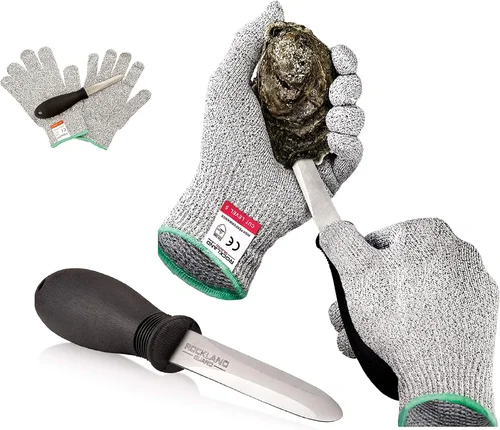
Shucking oysters is both an art and a science—one that transforms a humble bivalve into a briny delicacy enjoyed raw, grilled, or fried. But behind every perfectly opened oyster lies a reliable, well-designed oyster shucking knife. Whether you’re a weekend seafood enthusiast hosting a backyard oyster roast or a seasoned home chef preparing fresh shellfish for dinner, the right knife can make all the difference between a satisfying culinary experience and a frustrating, potentially dangerous ordeal.
That’s why we’ve created this comprehensive buying guide for 2026. Our goal isn’t just to list products—it’s to equip you with the knowledge to choose the best oyster knife for your specific needs, skill level, and budget. In this guide, you’ll learn how to evaluate key factors like blade design, handle ergonomics, material quality, and safety features. We’ll walk you through different types of oyster knives, highlight common mistakes to avoid, and offer expert-backed tips to help you get the most value from your purchase. With the oyster shucking market more diverse than ever—from budget-friendly options to professional-grade tools—this guide cuts through the noise so you can shuck with confidence.
From compact paring-style blades to heavy-duty commercial models, today’s oyster knives come in a variety of shapes, sizes, and materials. Some are built for speed and efficiency, ideal for shucking dozens of oysters at a party, while others prioritize precision and control for delicate presentations. The rise of artisanal seafood culture, coupled with increased home cooking trends, has driven innovation in this niche but essential kitchen tool category. As a result, consumers now have access to high-performance knives that blend traditional craftsmanship with modern engineering. Whether you’re shopping online or in-store, understanding what separates a mediocre knife from a standout performer will save you time, money, and frustration.

What to Look for When Buying Buying Guide
1. Blade Design and Shape
The blade is the heart of any oyster knife, and its design directly impacts performance, safety, and ease of use. Oyster knives typically feature short, rigid blades ranging from 2 to 4 inches in length. Unlike chef’s knives or paring knives, oyster shuckers are not meant for slicing or chopping—they’re engineered for prying, twisting, and cutting through tough shells. The most common blade shapes include:
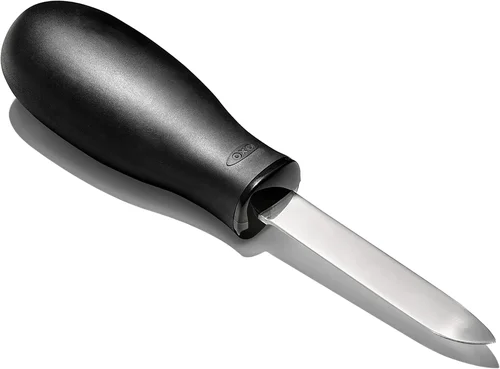
- Straight-tip (or “Boston” style): Features a blunt, rounded tip ideal for sliding into the hinge without puncturing the meat. Best for beginners and those who prioritize safety.
- Pointed-tip (or “New Haven” style): Has a sharper, more tapered point that allows for precise insertion into tight hinges. Preferred by experienced shuckers for speed and efficiency.
- Curved or “French” style: Offers a gentle curve along the spine, aiding in rocking motions to pop open shells. Great for larger oysters or those with irregular shapes.
Blade thickness also matters. A thicker spine (around 2–3mm) provides rigidity and leverage, preventing the blade from bending or snapping under pressure. However, overly thick blades can be cumbersome. Look for a balance—enough strength to handle hard shells, but not so bulky that it sacrifices maneuverability. Additionally, the blade should have a slight bevel or grind to aid in cutting the adductor muscle cleanly without tearing the delicate oyster meat.
2. Handle Ergonomics and Grip
A comfortable, secure grip is non-negotiable when shucking oysters. The process involves applying significant force, often in wet or slippery conditions, so a poorly designed handle can lead to hand fatigue, loss of control, or even injury. Look for handles made from materials that offer excellent traction—even when wet. Common options include:
- Textured rubber or silicone: Provides a soft, non-slip grip and absorbs shock, reducing hand strain during prolonged use.
- Contoured plastic or composite: Often found on mid-range knives, these offer durability and decent grip, though they may become slick when wet.
- Wood: Aesthetically pleasing and warm to the touch, but can absorb moisture and become slippery. Best for occasional use or display pieces.
Ergonomic shaping is equally important. Handles should fit naturally in your palm, with contours that support your fingers and thumb. Some premium models feature finger guards or flared ends to prevent your hand from sliding forward onto the blade. Weight distribution also plays a role—a well-balanced knife feels stable and responsive, reducing the effort needed to open each oyster.
3. Build Quality & Durability
Oyster shucking is a high-impact activity. Blades must withstand repeated pressure against hard shells without chipping, bending, or dulling prematurely. High-quality oyster knives are typically made from stainless steel, which resists corrosion—a critical feature given the constant exposure to saltwater and moisture. Look for grades like 420HC, 440A, or high-carbon stainless steel, which offer a good balance of edge retention, toughness, and rust resistance.
Pay attention to how the blade and handle are joined. The best knives use a full tang construction, where the metal blade extends through the entire handle. This creates a solid, unified structure that enhances durability and balance. Avoid knives with partial tangs or glued-on handles, as these are more prone to breaking under stress. Rivets should be flush with the handle surface to prevent snagging or discomfort.
Additionally, consider the finish. A satin or brushed finish not only looks professional but also helps resist scratches and fingerprints. Some manufacturers apply anti-corrosion coatings or passivation treatments to further extend the knife’s lifespan.
4. Safety Features
Safety should be a top priority when selecting an oyster knife. Unlike regular kitchen knives, oyster shuckers are used in a high-risk environment—hands are often wet, shells are unpredictable, and force is applied in awkward angles. Several design elements can significantly reduce the risk of injury:
- Blunt tips: As mentioned earlier, rounded tips prevent accidental punctures and give you more room for error.
- Finger guards: A small ridge or bump near the blade base stops your hand from sliding forward.
- Non-slip grips: Essential for maintaining control, especially when shucking multiple oysters in succession.
- Sheath or storage case: Protects the blade when not in use and prevents accidental cuts during storage.
Some advanced models even include built-in hand guards or ergonomic shields that wrap partially around the fingers. While these may add bulk, they offer peace of mind for beginners or those shucking large quantities.
5. Ease of Cleaning and Maintenance
After a shucking session, your knife will be covered in shell fragments, seawater, and oyster residue. A knife that’s difficult to clean can quickly become unhygienic or corroded. Look for models that are dishwasher-safe or easy to hand-wash. Avoid crevices, deep grooves, or complex joints where debris can accumulate.
Stainless steel blades are generally low-maintenance, but it’s still wise to rinse your knife immediately after use and dry it thoroughly. Some users apply a light coat of food-safe mineral oil to the blade periodically to prevent oxidation, especially if storing the knife for long periods.
If you plan to use your knife frequently, consider investing in a model with a removable blade or modular design, which allows for deeper cleaning or even replacement parts.
6. Brand Reputation and User Reviews
Not all oyster knives are created equal—even if they look similar. Established brands like Dexter-Russell, Wüsthof, Lamson, and R. Murphy have decades of experience crafting professional-grade cutlery. These companies often invest in rigorous testing, quality control, and customer feedback loops to refine their designs.
Before making a purchase, read verified user reviews on trusted platforms like Amazon, Williams Sonoma, or specialty seafood forums. Pay attention to recurring comments about durability, comfort, and real-world performance. A knife with hundreds of 4.5-star reviews is more likely to deliver consistent results than a generic import with mixed feedback.
Also, consider whether the brand offers customer support, replacement parts, or repair services. A reputable company stands behind its products and values long-term customer relationships.
7. Warranty & Support
A solid warranty is a strong indicator of a manufacturer’s confidence in their product. Most high-quality oyster knives come with at least a one-year limited warranty covering defects in materials or workmanship. Premium brands may offer lifetime warranties or free sharpening services.
Check the terms carefully: some warranties exclude normal wear and tear, misuse, or damage from improper cleaning. If you’re buying online, ensure the seller is authorized by the manufacturer to avoid voiding the warranty.
Good customer service can also make a difference. If your knife develops an issue, you want a responsive support team that can guide you through troubleshooting or arrange a replacement quickly.
8. Size & Portability
While most oyster knives are compact by design, size can still influence usability. A knife that’s too small may lack leverage, while one that’s too large can feel unwieldy. The ideal length is typically between 5.5 and 7 inches overall, with a 2.5- to 3.5-inch blade.
If you plan to take your knife to beach barbecues, camping trips, or seafood festivals, consider portability. Some models come with protective sheaths or compact carrying cases. Others are designed to fit neatly in a kitchen drawer or tool roll.
For travelers or those with limited kitchen space, a lightweight, foldable oyster knife might be worth considering—though these are less common and often sacrifice durability for convenience.
Different Types of Buying Guide

Common Buying Mistakes to Avoid
❌ Mistake: Choosing a Knife Based Solely on Price
Why it’s bad: While budget is important, the cheapest knife often sacrifices safety, durability, and performance. A flimsy blade can bend or break, and a slippery handle increases injury risk—especially when shucking dozens of oysters.
What to do instead: Set a realistic budget based on your usage frequency. For occasional home use, a mid-range $25–$40 knife offers excellent value. If you shuck weekly, invest in a professional-grade model that will last years.
❌ Mistake: Ignoring Handle Comfort
Why it’s bad: An uncomfortable handle leads to hand fatigue, reduced control, and higher chances of accidents. Many buyers focus only on the blade and overlook ergonomics.
What to do instead: Test the knife in your hand if possible. Look for contoured grips, non-slip materials, and balanced weight. Read reviews that mention comfort during extended use.
❌ Mistake: Buying a Multi-Purpose Knife
Why it’s bad: Using a paring knife, pocket knife, or utility knife to shuck oysters is dangerous and inefficient. These tools aren’t designed for the unique demands of shellfish.
What to do instead: Always use a dedicated oyster knife. Its rigid blade and specialized tip are engineered for safe, effective shucking.
❌ Mistake: Overlooking Maintenance Needs
Why it’s bad: Neglecting cleaning and storage can lead to rust, bacterial growth, or blade damage—even with high-quality steel.
What to do instead: Rinse your knife immediately after use, dry it thoroughly, and store it in a sheath or dry drawer. Consider periodic oiling if you live in a humid climate.
❌ Mistake: Not Considering Oyster Type
Why it’s bad: Different oysters (e.g., Kumamoto vs. Pacific) have varying shell hardness and hinge tightness. A knife ideal for soft-shell clams may struggle with hard Eastern oysters.
What to do instead: Match your knife to the types of shellfish you typically eat. Pointed tips work best for tight hinges; curved blades handle larger, irregular shells.
❌ Mistake: Skipping the Sheath
Why it’s bad: Storing an oyster knife loose in a drawer risks damaging the blade and injuring someone reaching in.
What to do instead: Always use a protective sheath or blade guard. Many quality knives include one—don’t discard it!
❌ Mistake: Assuming All Stainless Steel Is Equal
Why it’s bad: Lower-grade stainless steel (like 420) may rust or dull quickly, especially with frequent saltwater exposure.
What to do instead: Look for higher-grade alloys (e.g., 440A, high-carbon stainless) and check manufacturer specs. Premium brands often disclose steel types.
Budget Guidelines: How Much Should You Spend?
Oyster knives span a wide price spectrum, but understanding what you get at each tier helps you make a smart investment.
- Entry-Level ($8–$20): These are basic knives, often made in China with partial tangs and plastic handles. Suitable for occasional use or as a backup, but expect limited durability and comfort. Great for kids learning to shuck under supervision.
- Mid-Range ($25–$50): This is the sweet spot for most home cooks. You’ll find full-tang construction, better steel, and ergonomic handles from reputable brands. Models like the Dexter-Russell Traditional or Lamson Sharp Series offer excellent performance for the price.
- Premium ($50–$90): Designed for frequent use, these knives feature high-end materials, precision grinding, and advanced ergonomics. Ideal for seafood lovers who shuck weekly or host regular oyster nights. Brands like Wüsthof and R. Murphy dominate this space.
- Luxury ($90+): Hand-forged blades, exotic handle materials (e.g., stabilized wood, bone), and artisanal craftsmanship define this tier. While beautiful, these are often overkill for casual users—best reserved for collectors or professional chefs.
Expert Tips for Getting the Best Deal
- Shop during off-seasons: Oyster knives see peak demand in fall and winter (oyster season). Buy in spring or summer for better deals and clearance sales.
- Check specialty retailers: Stores like Williams Sonoma, Sur La Table, or seafood supply shops often carry curated selections with expert advice.
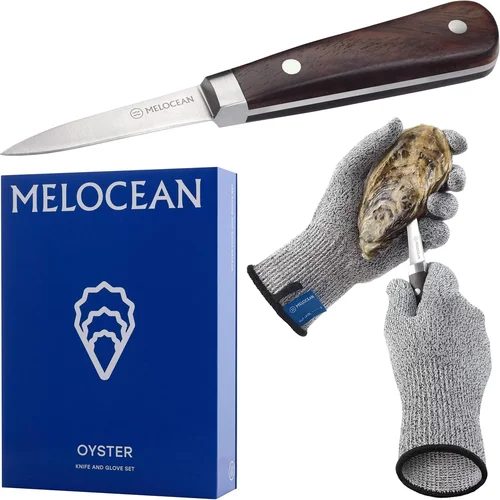
- Look for bundle deals: Some sellers offer knife + glove + shucking pad combos, saving you money and enhancing safety.
- Read return policies: Ensure you can return or exchange the knife if it doesn’t feel right—comfort is subjective.
- Consider refurbished models: Authorized dealers sometimes sell refurbished professional knives at 30–50% off, with full warranties.
- Join loyalty programs: Sign up for newsletters from cutlery brands to get early access to sales, discounts, and new releases.
- Test before buying (if possible): Visit a local kitchenware store to handle different models. Feel the weight, grip, and balance.
- Watch for warranty extensions: Some credit cards or retailers offer extended warranties on cutlery purchases—worth checking at checkout.

Frequently Asked Questions
Q: Can I use a regular knife to shuck oysters?
A: Technically yes, but it’s not recommended. Regular knives lack the rigidity and specialized tip needed for safe, efficient shucking. You risk damaging the knife, injuring yourself, or ruining the oyster meat.
Q: How do I sharpen an oyster knife?
A: Most oyster knives don’t require frequent sharpening due to their thick, durable blades. If needed, use a fine-grit sharpening stone or take it to a professional. Avoid electric sharpeners, which can remove too much material.
Q: Are oyster knives dishwasher safe?
A: Some are, but hand-washing is always safer. Dishwashers can expose handles to harsh detergents and high heat, potentially degrading materials over time. Check the manufacturer’s instructions.
Q: What’s the difference between Boston and New Haven styles?
A: Boston-style knives have blunt tips for safety and are easier for beginners. New Haven-style knives have pointed tips for precision and speed, preferred by experienced shuckers.
Q: Do I need a shucking glove?
A: Highly recommended, especially for beginners. A cut-resistant glove protects your non-dominant hand holding the oyster. Many kits include one.
Q: How many oysters can one knife handle?
A: A quality knife can last for hundreds—even thousands—of oysters with proper care. Replace it if the blade chips, bends, or becomes dangerously dull.
Q: Can I shuck oysters without a knife?
A: There are alternative methods (e.g., blowtorches, microwaves), but they’re unreliable and can cook or damage the meat. A proper knife remains the gold standard.
Q: Are left-handed oyster knives available?
A: Most oyster knives are ambidextrous, but some brands offer left-handed versions with mirrored blade geometry. Check product descriptions carefully.
Q: How do I store my oyster knife safely?
A: Always use a sheath or blade guard. Store in a dedicated drawer slot or knife block—never loose with other utensils.
Q: What’s the best way to learn proper shucking technique?
A: Watch video tutorials from reputable sources (e.g., America’s Test Kitchen, seafood chefs), practice with inexpensive oysters, and start slow. Technique matters more than the knife itself.
Our Final Recommendations
- Best for Budget-Conscious Buyers: Dexter-Russell Traditional Oyster Knife (Blunt Tip) – At around $20, it offers full-tang construction, a comfortable grip, and reliable performance. Perfect for occasional home use.
- Best Overall Value: Lamson Sharp Series Oyster Knife – Priced around $45, it combines high-carbon stainless steel, ergonomic handle, and excellent balance. Ideal for regular shuckers.
- Best Premium Option: Wüsthof Gourmet Oyster Knife – At $70–$85, this German-engineered knife delivers precision, durability, and a lifetime warranty. A favorite among chefs.
- Best for Beginners: R. Murphy Beginner’s Oyster Knife – Features a blunt tip, finger guard, and textured grip. Comes with a shucking guide—great for first-timers.
- Best for Advanced Users: New Haven Pointed-Tip Professional Knife by Dexter-Russell – Lightweight, razor-sharp, and built for speed. Used in oyster bars across the Northeast.
Conclusion: Making the Right Choice
Choosing the best oyster shucking knife isn’t just about picking the sharpest or most expensive option—it’s about finding the right tool that aligns with your skill level, usage frequency, and personal preferences. From blade shape and handle comfort to safety features and maintenance needs, every detail matters when you’re working with delicate seafood and hard shells.
Remember, the goal is to enjoy the process as much as the result. A well-chosen knife transforms shucking from a chore into a satisfying ritual—one that connects you to the ocean, the season, and the timeless tradition of sharing fresh oysters with friends and family. Whether you’re hosting a summer cookout or preparing a romantic dinner, the right oyster knife ensures every shell opens cleanly, safely, and beautifully.
So take your time, consider your needs, and don’t hesitate to invest in quality. Your hands—and your taste buds—will thank you. Happy shucking!