
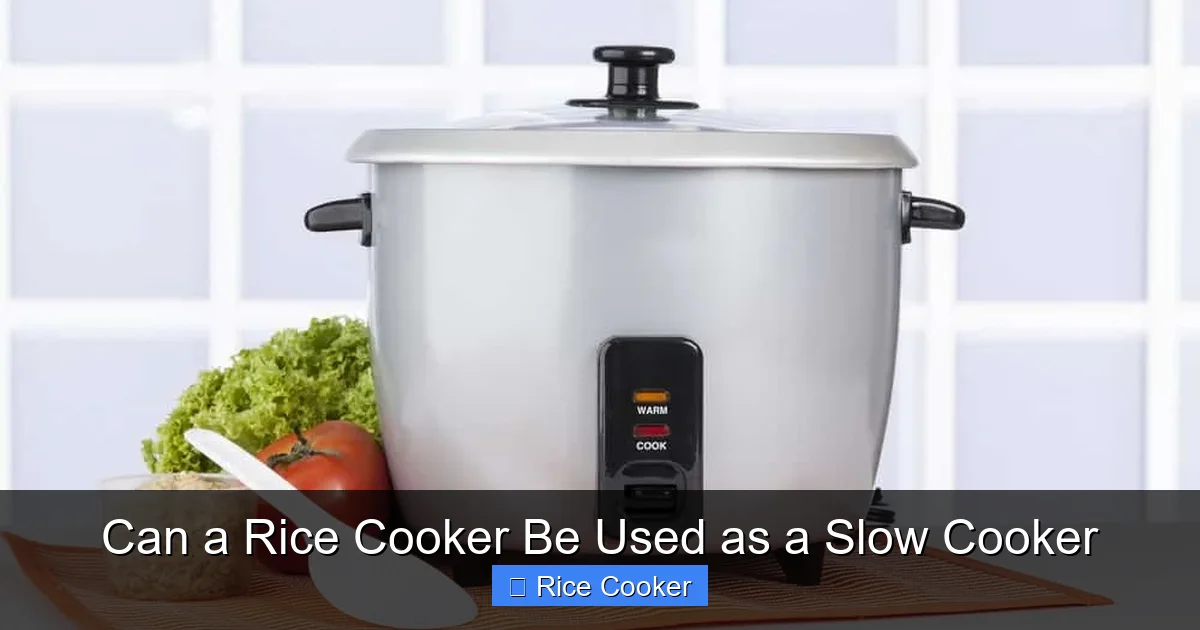
Yes, many rice cookers can double as slow cookers, but with important caveats. While some modern models have both functions, traditional rice cookers lack the low-heat setting and long cooking time needed for true slow cooking. Understanding how each appliance works helps you decide when to use your rice cooker instead of a dedicated slow cooker.
Key Takeaways
- Rice cookers are not designed for long, low-heat cooking: Most standard rice cookers cycle between heating and warming modes, which isn’t ideal for slow-cooked meals that need steady, low temperatures.
- Some smart rice cookers do include slow cooking: Modern multi-cookers often combine rice cooking and slow cooking functions, making them interchangeable for certain recipes.
- Using a rice cooker for slow cooking is possible but risky: Without precise temperature control, food may overcook, burn, or dry out.
- Water levels matter more than you think: Slow cooking requires consistent moisture, so using too little water in a rice cooker can ruin your dish.
- Best recipes work best: Stews, soups, and braised dishes with thick sauces are more forgiving in a rice cooker than delicate meats or long-simmered stocks.
- Safety first: Never leave a rice cooker unattended during extended cooking, especially if you’re adapting it for slow cooking.
- Consider a dual-purpose appliance: If you frequently use both functions, investing in a rice and slow cooker combo saves space and money.
Quick Answers to Common Questions
Can I make soup in a rice cooker?
Yes, but only if it’s thick and doesn’t require long simmering. Add extra liquid and stir occasionally. Avoid clear broths—they won’t reduce properly due to steam venting.
Will my rice cooker burn food if I leave it too long?
Possibly. Without constant monitoring, bottom layers can scorch while the top stays undercooked. Use a nonstick model and stir every hour to reduce risk.
Do all rice cookers have a warm setting?
Most do, including basic models. However, warm mode only maintains temperature—it won’t cook or reheat food. It’s useful for keeping meals hot, not for continuing to cook.
Can I slow cook meat in a rice cooker?
Tough cuts like chuck roast can become tender, but lean meats may dry out. Brown meat first, add lots of liquid, and watch closely. Results vary by model.
Is it safe to use a rice cooker for overnight cooking?
Not reliably. Rice cookers aren’t designed for continuous, unattended use. Food may spoil or burn. If you must, choose short recipes and check frequently.
📑 Table of Contents
- Can a Rice Cooker Be Used as a Slow Cooker?
- How Do Rice Cookers and Slow Cookers Work?
- When Can You Use a Rice Cooker Like a Slow Cooker?
- What Happens If You Try to Slow Cook in a Regular Rice Cooker?
- Are There Rice Cookers That Double as Slow Cookers?
- Practical Tips for Using a Rice Cooker as a Temporary Slow Cooker
- Safety Considerations
- When Should You Just Buy a Slow Cooker?
- Conclusion: Know Your Limits
Can a Rice Cooker Be Used as a Slow Cooker?
Have you ever looked at your trusty rice cooker and thought, “Could this actually do more?” Maybe you’re tired of buying a separate slow cooker, or perhaps you just want to save counter space. It’s natural to wonder: can a rice cooker be used as a slow cooker? The short answer is yes—but with big caveats. While both appliances heat food, they operate very differently under the hood. Understanding those differences is key to using your rice cooker safely and effectively for more than just fluffy jasmine rice.
In this guide, we’ll break down exactly how rice cookers and slow cookers work, when you might consider using one instead of the other, and what risks to avoid. Whether you’re cooking a pot roast on a busy weekday or simmering beans all day, you’ll learn when it’s smart—and when it’s not—to swap appliances. We’ll also share real-world tips, recipe ideas, and safety advice so you can make the most of your kitchen tools.
How Do Rice Cookers and Slow Cookers Work?
Before deciding whether your rice cooker can handle slow cooking duties, let’s compare how these two appliances function.
Visual guide about Can a Rice Cooker Be Used as a Slow Cooker
Image source: ricearray.org
The Science Behind Rice Cooking
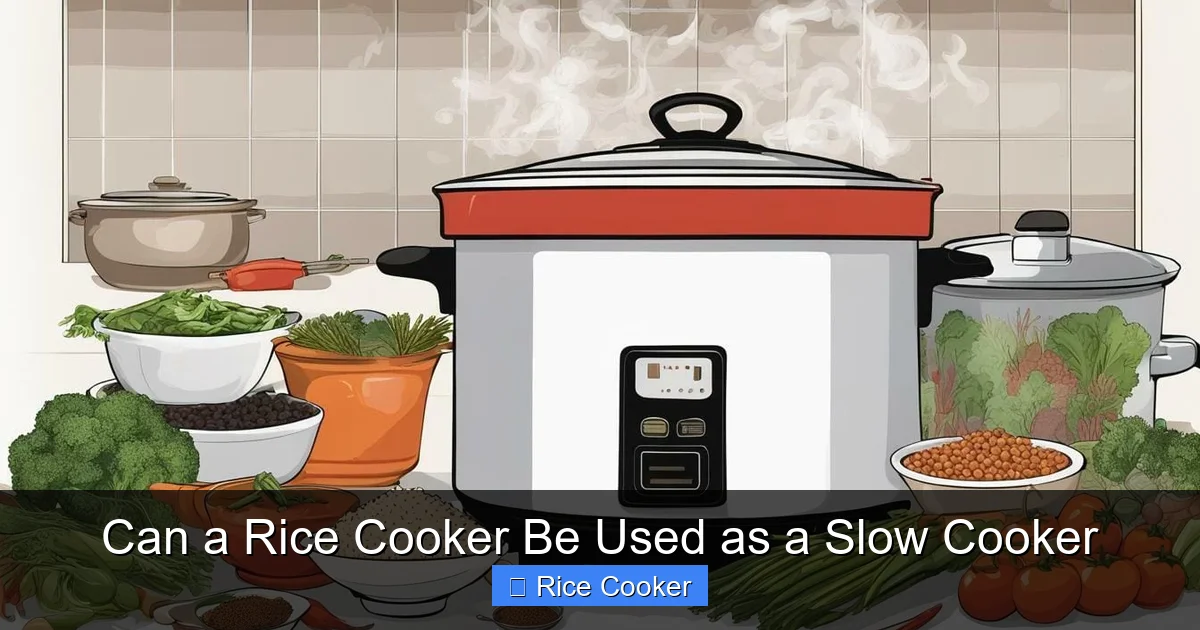
A rice cooker uses a thermostat-controlled heating element. When you add water and rice, the appliance heats the mixture until the water boils and turns into steam. Once the internal temperature reaches about 212°F (100°C), the steam escapes through vents, and the cooker switches from “cook” mode to “warm” mode. This cycle prevents overcooking while keeping the rice moist and fluffy.
This process typically takes 15–30 minutes depending on the type of rice. After cooking, the rice cooker stays in warm mode for hours—but it doesn’t continue actively heating. That means once the cycle ends, the temperature drops unless you keep it plugged in.
The Slow Cooker Approach
In contrast, a slow cooker maintains a consistent low temperature—usually between 190°F and 205°F (88°C to 96°C)—for several hours. This gentle, sustained heat breaks down tough fibers in meat and legumes, turning them tender without drying them out. The lid traps steam and moisture, creating a self-braising environment perfect for stews, chili, and pulled pork.
Slow cookers don’t switch modes mid-cycle. They run continuously on low or high heat until manually turned off. This makes them ideal for hands-off cooking over long periods.
When Can You Use a Rice Cooker Like a Slow Cooker?
Despite their differences, there are situations where using a rice cooker as a slow cooker might work—especially if you’re in a pinch or only need a temporary solution.
Visual guide about Can a Rice Cooker Be Used as a Slow Cooker
Image source: kitchenseer.com
Short-Term Slow Cooking
If you need to simmer something for 1–2 hours on low heat, your rice cooker might suffice. For example, making oatmeal overnight or boiling pasta sauce while you prepare other ingredients could be done in a rice cooker. Just remember to monitor it closely and stir occasionally to prevent sticking.
Using Warm Mode as a Stand-In
After cooking rice, many people leave the cooker in warm mode to keep food ready for dinner. You can technically repurpose this by adding ingredients after the rice has finished cooking. However, since warm mode doesn’t reheat food, only keeps it at ~140°F, this won’t cook anything new—only maintain existing heat.
Recipes That Are More Forgiving
Thick, hearty dishes like bean soups, curries, or casseroles with plenty of liquid tend to fare better in a rice cooker than delicate proteins. These foods can withstand variable temperatures and still come out edible—if not perfectly tender.
What Happens If You Try to Slow Cook in a Regular Rice Cooker?
Let’s be honest: trying to slow cook in a standard rice cooker is like forcing a square peg into a round hole. Here’s why it usually fails—and sometimes dangerously.
Temperature Fluctuations
Rice cookers aren’t built for steady, low-heat output. They spike to high temperatures to boil water quickly, then drop to warm mode. This cycling can cause food to scorch at the bottom or remain undercooked on top. Imagine trying to make a stew—it will likely boil violently for a few minutes, then sit in lukewarm water for the rest of the day.
Lack of Moisture Control
Slow cookers seal tightly to retain steam. Rice cookers vent steam during cooking, which means moisture escapes. Over time, your slow-cooked meal could dry out or reduce too much, concentrating flavors unevenly.
Risk of Burning or Uneven Cooking
Because rice cookers rely on direct contact with the heating plate, bottom-layer foods (like meat or potatoes) may burn before the top layers finish cooking. Stirring helps, but it interrupts the process and defeats the purpose of hands-free cooking.
No Timer or Programmable Settings
Most basic rice cookers don’t allow you to set cooking durations. You’ll have to babysit the process—something slow cookers were designed to eliminate.
Are There Rice Cookers That Double as Slow Cookers?
Absolutely! Many modern kitchen appliances blur the line between single-purpose devices. Look for models labeled as “multi-cookers” or “smart rice cookers” that include slow cooking settings.
Features to Look For
- Sear/Sauté function: Allows browning before slow cooking.
- Programmable timers: Set cook time up to 24 hours.
- Low/high heat options: Essential for mimicking slow cooker behavior.
- Keep-warm function: Maintains temperature after cooking completes.
Popular Multi-Cooker Models
Brands like Instant Pot, Zojirushi, and Cuckoo offer hybrid appliances. For instance, the Instant Pot Duo Crisp combines pressure cooking, air frying, and slow cooking—making it far more versatile than a traditional rice cooker.
If you already own a rice cooker but want slow cooking capability, check its manual. Some older models can be modified with external timers or used with a crock-pot insert, though this isn’t recommended for safety reasons.
Practical Tips for Using a Rice Cooker as a Temporary Slow Cooker
If you absolutely must use your rice cooker for slow cooking—say, no slow cooker is available—here are some strategies to minimize disaster.
Add Extra Liquid
Since rice cookers vent steam, increase your liquid content by 25%. Use broth instead of water for richer flavor, and cover loosely with a lid or foil to reduce evaporation.
Use the Warm Setting Strategically
Start cooking on high, then switch to warm once ingredients reach desired doneness. Note: warm mode won’t cook further; it only maintains temperature. So plan accordingly.
Stir Every Hour
Constant stirring prevents burning and ensures even heat distribution. It’s inconvenient, but necessary if you’re improvising.
Choose Shorter Recipes
Stick to dishes that take 1–3 hours max. Longer cooks risk spoilage or dryness. Avoid recipes requiring gelatinization (like bone broths) or delicate fish.
Monitor Closely
Never walk away. Rice cookers aren’t designed for unsupervised long-term cooking. Keep an eye out for boiling over or smoke.
Safety Considerations
Using any appliance outside its intended purpose introduces risks. Always prioritize safety when adapting tools.
Overheating Hazards
Prolonged use on high heat can damage the heating plate or release fumes from plastic components. Most manufacturers void warranties if the appliance is used beyond specified guidelines.
Food Safety Concerns
Bacteria multiply rapidly between 40°F and 140°F (the danger zone). If your rice cooker doesn’t maintain safe temps for hours, food may become unsafe to eat—even if it looks fine.
Electrical Risks
Extended use increases the chance of cord wear, plug failure, or electrical shorts. Ensure your outlet and wiring are rated for continuous use.
When Should You Just Buy a Slow Cooker?
While it’s tempting to repurpose gear, sometimes it’s smarter to invest in the right tool.
Frequent Users Benefit From Dedicated Appliances
If you cook slow meals weekly, a proper slow cooker saves time, reduces effort, and delivers consistent results. They’re also cheaper than high-end multi-cookers.
Energy Efficiency
Slow cookers use less electricity than rice cookers running continuously. Plus, they don’t require active monitoring.
Better Flavor Development
The sealed environment of a slow cooker enhances umami and tenderness. Rice cookers simply can’t replicate this magic.
Conclusion: Know Your Limits
So, can a rice cooker be used as a slow cooker? Technically, yes—but practically, rarely. Standard rice cookers lack the low-and-slow precision needed for true slow cooking. However, if you’re in a bind or only need a short-term fix, with careful attention, it might work for simple dishes.
For everyday use, especially with complex recipes or large families, a dedicated slow cooker (or a quality multi-cooker) is worth the investment. But if you’re curious about expanding your rice cooker’s role, experiment with hearty soups or risottos—just don’t expect miracles.
Ultimately, understanding how your appliances work empowers you to cook smarter, safer, and more creatively. And who knows? Maybe your rice cooker becomes the unsung hero of your kitchen—even if it never quite replaces your slow cooker.
Frequently Asked Questions
Can a rice cooker replace a slow cooker completely?
Only if it has a dedicated slow cooking function. Standard rice cookers lack the low-heat, long-duration capability needed for most slow-cooked dishes.
What’s the biggest difference between a rice cooker and a slow cooker?
The main difference is temperature control. Slow cookers maintain steady low heat for hours, while rice cookers rapidly boil then switch to warm mode.
How can I tell if my rice cooker has slow cooking features?
Check the user manual or look for labels like “multi-function,” “programmable,” or “slow cook.” Some models even have buttons for “stew” or “soup.”
Why does my rice cooker boil over when I try to slow cook?
It vents steam during heating cycles. To reduce spills, use a lid or cover loosely with foil, and add more liquid than usual.
Can I cook beans in a rice cooker?
Yes, but pre-soak dried beans and increase liquid by 30%. Cook on high for 1–2 hours, then switch to warm. Stir occasionally to prevent sticking.
Is it worth buying a multi-cooker instead of separate appliances?
Depends on your cooking habits. Frequent users benefit from space and time savings, but casual cooks may prefer dedicated, affordable single-purpose appliances.