
Ducks can safely eat cooked rice, but only when prepared simply—without salt, butter, or spices. Cooked rice provides energy and is easy for ducks to digest, making it a great occasional snack or meal addition. Always serve it warm and in moderation to avoid digestive issues.
Key Takeaways
- Cooked rice is safe for ducks: Plain, unseasoned cooked rice is non-toxic and easily digestible for most duck species.
- Avoid harmful additives: Never feed ducks rice with salt, oil, butter, garlic, onions, or other human seasonings that can be toxic.
- Offer in moderation: While nutritious, rice should not replace their main diet; use it as an occasional treat or supplement.
- Serve warm and small portions: Cold or leftover rice from restaurants may contain contaminants; always prepare fresh and serve slightly warm.
- Hydration is key: Ensure ducks have access to clean water when eating dry foods like rice to prevent choking and aid digestion.
- Supports healthy weight and energy: Rice provides carbohydrates for sustained energy, which is especially helpful during cold weather or breeding seasons.
- Use as training tool: Small amounts of plain rice can be used to attract ducks in parks or as rewards during bonding exercises.
Quick Answers to Common Questions
Can baby ducks eat cooked rice?
Yes, but only after they’ve started eating solid foods, usually around 2–3 weeks old. Offer very small, soft pieces and ensure they have access to water for hydration.
Is brown rice better than white rice for ducks?
Brown rice contains more fiber and nutrients, but both types are safe. Brown rice may take longer to cook and could be harder for very young or weak ducks to digest.
How often can I feed my duck rice?
Once or twice a week is sufficient. Rice should never replace their primary diet, which should consist mainly of commercial duck feed, vegetables, and protein sources.
Can ducks eat leftover restaurant rice?
No, because it often contains salt, oil, or spices that are harmful. Always prepare plain rice at home without any additives.
Will rice make my duck gain weight?
Yes, if given in excess. Like any calorie-dense food, too much rice can lead to obesity. Monitor portion sizes and overall diet balance.
📑 Table of Contents
- Can Ducks Eat Cooked Rice?
- The Nutritional Value of Cooked Rice for Ducks
- Safety First: What NOT to Feed Ducks
- How to Safely Prepare and Serve Cooked Rice to Ducks
- Benefits Beyond Nutrition: Social and Behavioral Advantages
- Common Misconceptions About Duck Diets
- Practical Tips for Different Duck Situations
- Signs Your Duck May Have Eaten Something Harmful
- Final Thoughts: Responsible Feeding for Happy Ducks
Can Ducks Eat Cooked Rice?
Have you ever seen ducks waddling through a park, squabbling over crumbs on the ground? If you’ve ever tossed them a leftover piece of bread or a grain of rice, you might have wondered: Can ducks really eat cooked rice? The short answer is yes—but with important caveats. Cooked rice, when prepared correctly, can be a safe and even beneficial part of a duck’s diet. However, not all rice is created equal, and not all ways of serving it are safe. Let’s dive into everything you need to know about feeding cooked rice to ducks, whether they’re wild, backyard pets, or farmyard friends.
Ducks are omnivores by nature, meaning they eat both plant-based foods and small animals like insects and worms. Their natural diet includes seeds, aquatic plants, grains, and even tiny fish. In the wild, they forage along riverbanks and lakes, picking up whatever edible bits they find. When humans introduce food—like rice leftovers or intentionally offered snacks—ducks will often gobble it up. But just because they can eat something doesn’t mean it’s always good for them. Understanding what’s safe, nutritious, and appropriate is essential for responsible feeding.
The Nutritional Value of Cooked Rice for Ducks
Cooked rice is primarily composed of carbohydrates, which provide ducks with quick energy. For active birds, especially during migration or breeding seasons, this energy boost can be valuable. Rice also contains small amounts of protein, fiber, and several B vitamins, including thiamine and niacin, which support metabolism and feather health.
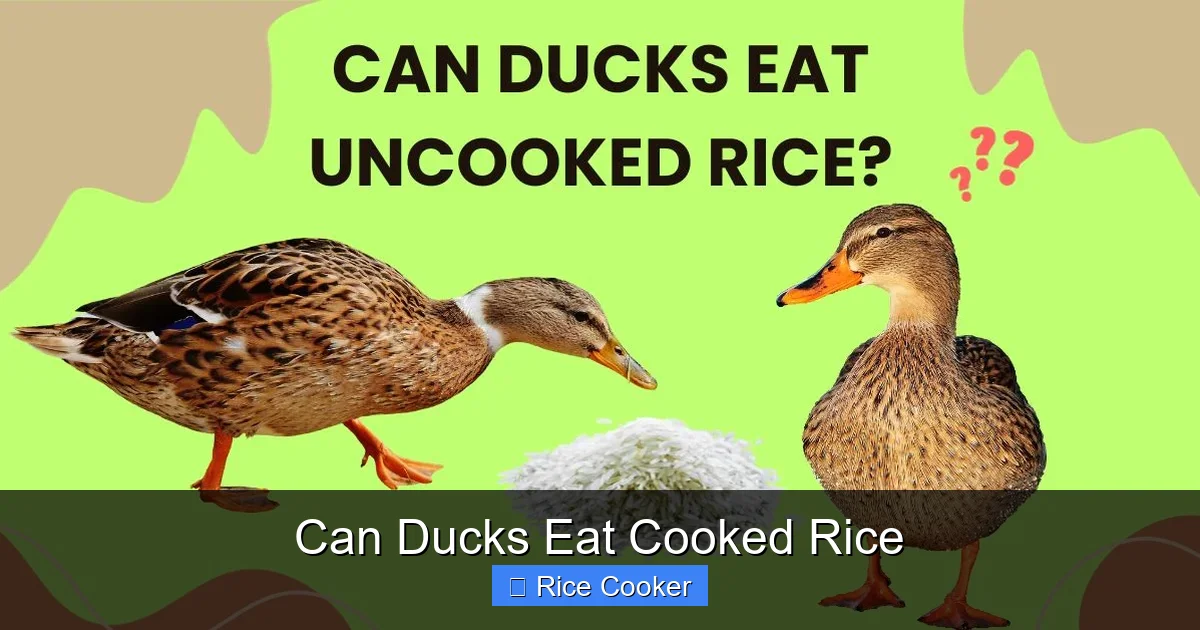
Visual guide about Can Ducks Eat Cooked Rice
Image source: naturecreatures.com
Macronutrients in Rice
Here’s a quick breakdown of the key nutrients found in cooked white rice (per 100 grams):
- Carbohydrates: ~28 grams
- Protein: ~2.7 grams
- Fat: ~0.3 grams
- Fiber: ~0.4 grams
- Vitamins: B1, B3, magnesium, phosphorus
While these numbers may seem modest, remember that ducks don’t need large quantities of any single food. A balanced diet means variety, but rice can play a supportive role—especially when mixed with other foods like vegetables, insects, or commercial duck pellets.
Why Energy Matters for Ducks
Ducks burn a lot of calories due to constant movement, swimming, and foraging. During colder months, they need extra fuel to stay warm. That’s where simple carbs like those in rice come in. Unlike fats or proteins, carbohydrates are broken down quickly, giving ducks a fast source of warmth and stamina.
For domestic ducks, especially those kept in confined spaces, supplemental feeding with nutrient-rich foods like rice can help maintain optimal body condition. Wild ducks, on the other hand, rely on natural foraging, but when they encounter human-provided food—like rice dropped near ponds—they’ll often consume it out of opportunity rather than nutritional need.
Safety First: What NOT to Feed Ducks
Even though ducks can eat cooked rice, not all rice dishes are safe. Many human meals contain ingredients that are toxic or harmful to birds. Here’s what to avoid at all costs:
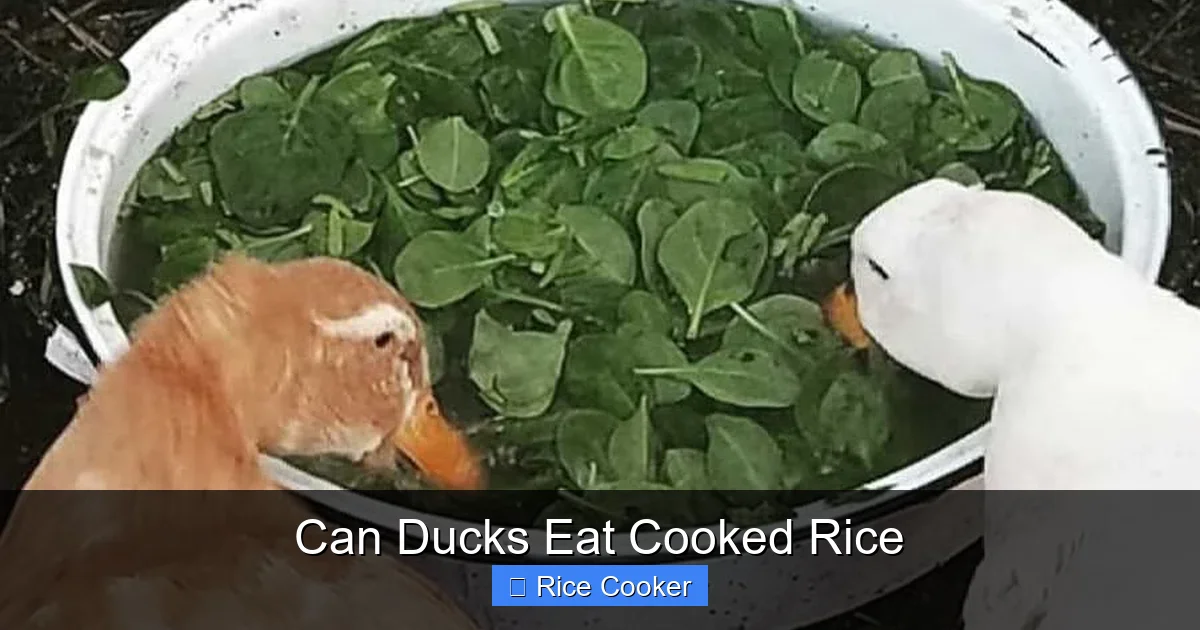
Visual guide about Can Ducks Eat Cooked Rice
Image source: metrocookingdallas.com
Salt and Seasonings
Salt is one of the biggest no-nos. Ducks cannot process high levels of sodium efficiently. Too much salt can lead to dehydration, kidney damage, or even death. So, if you’re tempted to share your stir-fry leftovers with a nearby duck, think again—chicken fried rice with soy sauce and pepper won’t do your feathered friend any favors.
Oils and Fats
Fried rice, especially from restaurants, often contains oil, butter, or margarine. These fats are difficult for ducks to digest and can cause fatty liver disease over time. Plus, oily foods attract mold or bacteria when left sitting out, which is another risk factor.
Onions and Garlic
These common kitchen staples are toxic to many birds, including ducks. They contain compounds that damage red blood cells, leading to anemia. Even small amounts can be dangerous, so avoid feeding anything with onion powder or garlic flakes.
Processed Additives
Foods with preservatives, artificial colors, or MSG should never be fed to ducks. These chemicals are designed for human consumption and can disrupt a bird’s delicate physiology. Stick to whole, natural ingredients whenever possible.
How to Safely Prepare and Serve Cooked Rice to Ducks
If you’re planning to feed ducks rice—either in a park, at home, or as part of a rescue effort—here’s how to do it right:
Choose Plain, Unseasoned Rice
Always use plain white or brown rice that hasn’t been mixed with anything else. Rinse it thoroughly before cooking to remove excess starch, which can spoil faster. Brown rice is slightly healthier due to its higher fiber and vitamin content, but white rice is more commonly available and still safe.
Cook Without Salt or Oil
Boil rice in plain water, just like you would for yourself—no salt, no butter, no herbs. Overcooked rice is fine; in fact, softer grains are easier for young or older ducks to swallow.
Serve Warm (But Not Hot)
Cold rice is less appealing and harder to digest. Serve it slightly warm so it’s inviting but not scalding. Leftover rice from home cooking can be reheated gently—just make sure it’s cooled enough to touch before offering.
Practice Portion Control
Never dump large quantities of rice into the water or onto the ground. Ducks will overeat, which can lead to bloating, regurgitation, or nutritional imbalances. Start with small handfuls (about ¼ cup per duck) and observe how they react.
Clean Up After Feeding
Unconsumed rice can attract pests like rats or raccoons, or grow mold if left in damp conditions. Remove uneaten portions promptly to keep the environment clean and safe for wildlife.
Benefits Beyond Nutrition: Social and Behavioral Advantages
Feeding ducks isn’t just about food—it’s also about connection. When done responsibly, sharing rice (or other safe foods) can strengthen your bond with your pet duck or create positive interactions with wild populations.
Encouraging Bonding in Pet Ducks
Domestic ducks thrive on routine and interaction. Offering a small bowl of plain rice as a treat can become part of your daily care ritual. You might notice your duck becoming more alert, approaching you eagerly, or even mimicking your movements. This kind of engagement is enriching for the bird and rewarding for the owner.
Supporting Wild Duck Populations
In urban areas, wild ducks often rely on human generosity for supplemental nutrition. During winter, when natural food sources dwindle, plain rice can help sustain them until spring arrives. Just remember: feeding should never replace natural foraging—it’s meant to complement, not dominate.
Educational Opportunities
Teaching children about responsible wildlife feeding using rice as an example is a great way to instill empathy and environmental awareness. Explain why certain foods are unsafe, demonstrate proper preparation, and emphasize moderation. These lessons last far beyond a single feeding session.
Common Misconceptions About Duck Diets
There are plenty of myths floating around about what ducks can and can’t eat. Let’s clear up some of the most persistent ones:
Myth: Bread Is Better Than Rice
Many people believe bread is ideal for ducks because it’s soft and widely available. But bread offers little nutritional value and can swell in a duck’s stomach, causing blockages. Rice, by contrast, provides real energy and is easier to digest.
Myth: All Grains Are Equal
Not every grain is suitable for ducks. Corn, wheat, barley, and oats are all safe in moderation, but processed grain products like crackers or pretzels often contain salt and fat. Stick to whole grains cooked simply.
Myth: Ducks Only Eat Fish
While some duck species do enjoy aquatic prey, the vast majority are herbivorous or omnivorous generalists. Their diet is diverse, and grains like rice make up a significant portion of their intake—especially in captivity or areas with limited natural food.
Practical Tips for Different Duck Situations
The way you feed rice depends on whether you’re dealing with wild ducks, backyard pets, or farmyard birds. Here’s how to adapt your approach:
Wild Ducks in Parks or Ponds
When feeding wild ducks, choose quiet, accessible spots away from roads and predators. Scatter small amounts of plain rice near the water’s edge so they can eat comfortably. Avoid feeding too frequently—once every few days is sufficient. And never chase or corner them; let them come to you.
Pet Ducks at Home
For pet ducks, rice can be incorporated into their regular diet alongside duck pellets, vegetables, and greens. Mix a small amount of cooked rice with chopped kale or peas for added variety. Monitor your duck’s weight and adjust portions accordingly.
Rescue or Rehabilitation Settings
Organizations caring for injured or orphaned ducks often use rice as part of their recovery diets. It’s gentle on sensitive digestive systems and easy to prepare in bulk. Just ensure it’s free of contaminants and served in clean containers.
Signs Your Duck May Have Eaten Something Harmful
If you suspect your duck has consumed unsafe food—even if you think it’s just rice—watch for these warning signs:
- Lethargy or lack of appetite
- Swollen belly or difficulty breathing
- Vomiting or regurgitation
- Diarrhea or unusual droppings
- Loss of coordination or tremors
If you notice any of these symptoms, contact a veterinarian experienced in avian care immediately. Early intervention can make all the difference.
Final Thoughts: Responsible Feeding for Happy Ducks
Ducks are intelligent, social creatures that respond well to kindness and consistency. When you offer plain, properly prepared rice, you’re not just giving them a snack—you’re supporting their health, happiness, and longevity. Whether you’re tossing a few grains into a pond or mixing rice into your pet duck’s dinner, doing so with care makes a world of difference.
Remember: the goal isn’t to turn ducks into human foodies. It’s to provide occasional enrichment, fill nutritional gaps, and foster meaningful connections—all while keeping safety and ethics front and center. With a little knowledge and a lot of love, feeding rice to ducks can be a win-win for everyone involved.
Frequently Asked Questions
Are there any risks to feeding ducks cooked rice?
Yes, risks include digestive upset if eaten in large amounts, contamination from unsafe ingredients, or attracting pests. Always serve plain, warm rice in moderation.
Can wild ducks survive on rice alone?
No, rice lacks essential nutrients like protein, calcium, and certain vitamins. It should only supplement, not replace, their natural diet.
What temperature should cooked rice be when served to ducks?
It should be slightly warm—not hot or cold. Room temperature or lukewarm rice is ideal for easy digestion.
Is instant rice safe for ducks?
Yes, as long as it’s prepared without salt or flavor packets. Follow basic cooking instructions and rinse well before serving.
Do all duck species eat rice?
Most domestic and wild duck species will accept rice, but preferences vary. Mallards, Pekins, and Khaki Campbells are known to enjoy it.
How should I store unused cooked rice intended for ducks?
Keep it refrigerated in an airtight container for up to 3 days. Reheat gently before serving, and discard any moldy or spoiled portions.