
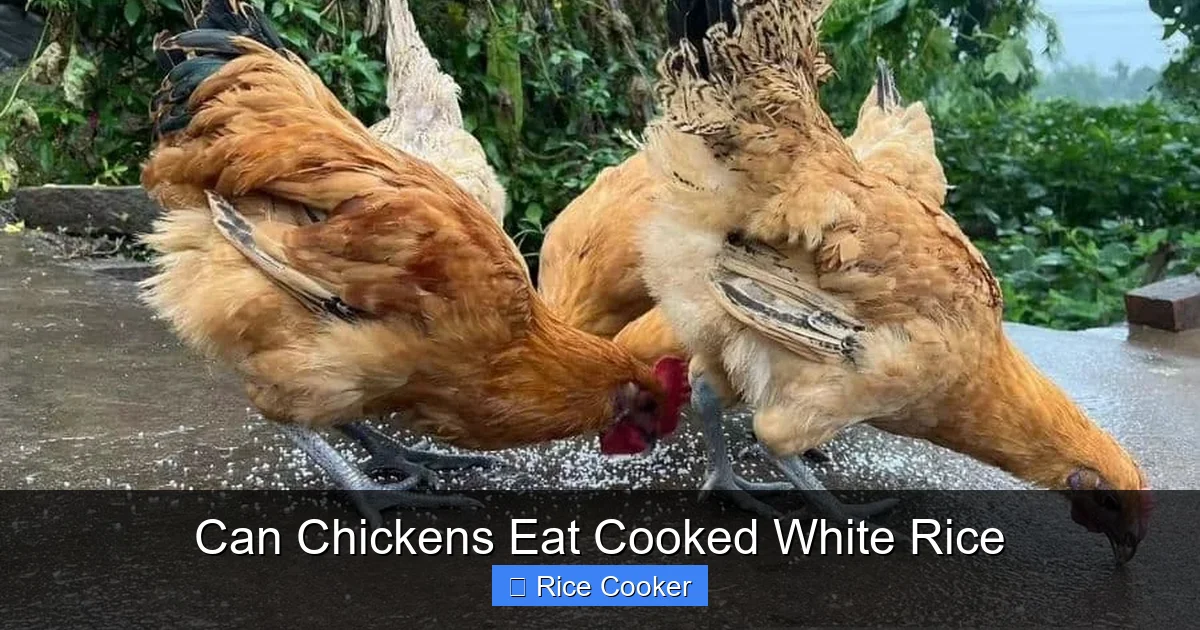
Can chickens eat cooked white rice? Absolutely—yes! Cooked white rice is safe for chickens and can even provide valuable carbohydrates for energy. Just make sure it’s plain, unseasoned, and offered in moderation. While not a daily staple, it makes a nutritious snack when added to their diet. Always serve it cooled and avoid any rice that’s been mixed with butter, salt, or spices.
Chickens are curious creatures, always pecking at things in their environment with wide-eyed interest. As backyard poultry keepers, we often find ourselves wondering: “What can my flock eat?” One common question that pops up frequently is, “Can chickens eat cooked white rice?” The short answer? Yes—but with some important caveats.
In this article, we’ll dive deep into everything you need to know about feeding cooked white rice to your chickens. We’ll explore its nutritional value, how to prepare it safely, potential risks, and even creative ways to include it in your chicken’s diet. Whether you’re raising chickens for eggs, meat, or just for fun, understanding what’s safe (and beneficial) to feed them is essential for their health and happiness.
Let’s get started!
Key Takeaways
- Safety: Plain, cooked white rice is non-toxic and safe for chickens to consume without harmful effects.
- Nutrition: Rice provides carbohydrates, which offer quick energy—helpful during cold weather or high activity.
- Moderation: Serve rice as an occasional treat, not a regular part of the diet, to maintain nutritional balance.
- Preparation: Always cook rice without salt, oil, or seasonings; rinse off excess starch if desired for easier digestion.
- Hydration: Ensure chickens have access to fresh water after eating rice to aid digestion and prevent impaction.
- Variety: Combine rice with other safe grains like oats, barley, or quinoa to diversify their diet.
- Storage: Leftover cooked rice should be refrigerated and used within 3–4 days to prevent spoilage or bacterial growth.
Quick Answers to Common Questions
Can baby chicks eat cooked white rice?
Yes, but only after they’ve started eating starter feed. Offer finely ground or soaked rice to prevent choking.
How long does cooked rice last in the fridge for chickens?
Up to 3–4 days if stored in an airtight container. Discard any moldy or smelly portions immediately.
Should I rinse rice before feeding it to chickens?
Optional. Rinsing removes excess starch and prevents clumping, but it’s not necessary for safety or nutrition.
Can I feed rice to laying hens?
Absolutely. Just balance it with protein-rich foods like mealworms or commercial layer pellets to support egg production.
Will rice help chickens gain weight?
Yes, due to its high caloric content. Use it strategically during growth phases or cold weather, paired with proper protein.
📑 Table of Contents
- Understanding Chicken Nutrition
- Is Cooked White Rice Safe for Chickens?
- Nutritional Benefits of Cooked White Rice for Chickens
- How to Prepare and Serve Cooked White Rice to Chickens
- Comparing White Rice to Other Grains
- Common Myths About Feeding Rice to Chickens
- Monitoring Your Chickens After Feeding Rice
- Conclusion: Rice as a Safe and Smart Treat
Understanding Chicken Nutrition
Before we talk about rice specifically, it’s helpful to understand what chickens actually need to stay healthy. Chickens require a balanced diet that includes protein, carbohydrates, fats, vitamins, and minerals. Their natural foraging behavior means they love to eat a variety of foods—grains, bugs, greens, and even bits of human food.
However, not all human foods are created equal. Some can be harmful, while others offer surprising nutritional benefits. That’s where informed choices come in. For example, while rice might seem like a simple grain, its impact on a chicken’s digestive system and overall health depends heavily on how it’s prepared and served.
What Do Chickens Naturally Eat?
In the wild, chickens scratch through soil, picking up seeds, insects, worms, and plant matter. Domesticated chickens still retain this instinct. A well-rounded diet mimics their natural foraging habits. This means offering a mix of:
- High-quality commercial feed (the foundation)
- Greens like lettuce, spinach, and kale
- Protein sources such as mealworms or scrambled eggs
- Safe grains and seeds
Rice fits nicely into the grain category—but only when handled correctly.
The Role of Carbohydrates in a Chicken’s Diet
Carbohydrates are a major energy source for chickens. They power everything from egg production to muscle movement. Grains like rice, corn, and wheat break down into glucose, which fuels their metabolism. While protein is critical for feather growth and reproduction, carbs help sustain daily activities.
That said, too many carbs without enough protein can lead to imbalances. Think of rice as fuel—not the main ingredient, but a useful supplement.
Is Cooked White Rice Safe for Chickens?
Visual guide about Can Chickens Eat Cooked White Rice
Image source: m.media-amazon.com
Now let’s address the big question: Can chickens eat cooked white rice? The answer is yes—plain, cooked white rice is generally safe for chickens. But safety isn’t just about whether something is edible; it’s also about preparation and portion size.
Why Is Unseasoned Rice Okay?
White rice itself contains no toxins or harmful compounds. When cooked properly—boiled until soft and drained—it becomes easy for chickens to digest. Unlike raw grains, cooked rice has broken-down starches, making it gentler on their digestive systems.
But here’s the catch: only plain rice counts. Any addition of salt, butter, spices, or oils changes the equation. These additives can cause health issues like dehydration, kidney strain, or even death in severe cases.
Potential Risks of Improperly Prepared Rice
Feeding chickens seasoned, fried, or leftover restaurant-style rice can be dangerous. For example:
- Salt: Excess sodium disrupts fluid balance and can lead to dehydration.
- Oil/Fat: Greasy foods clog crops and reduce appetite for healthier options.
- Spices: Garlic, onion, or chili powder can irritate internal organs.
Always err on the side of caution. When in doubt, stick to plain, cooked, cooled rice.
How Much Rice Is Too Much?
Even though rice is safe, it shouldn’t replace balanced feed. Chickens thrive on a diet rich in protein (especially during laying hens’ peak seasons). Rice should be considered a treat—maybe 10% of their total food intake at most.
Overfeeding rice can result in:
- Lack of appetite for nutrient-dense foods
- Poor feather quality due to low protein intake
- Weight gain from excess calories
Think of rice as dessert—delicious once in a while, but not dinner every night.
Nutritional Benefits of Cooked White Rice for Chickens
Visual guide about Can Chickens Eat Cooked White Rice
Image source: furrytips.com
You might wonder: If rice is just empty calories, why bother? Actually, cooked white rice offers several benefits when fed appropriately.
Energy Boost
Rice is rich in carbohydrates, which convert quickly into usable energy. This makes it ideal for:
- Molting periods when birds need extra strength
- Cold weather conditions when metabolism increases
- Young chicks recovering from illness
The energy spike helps maintain body heat and supports immune function.
Digestibility
Because rice is fully cooked, its starches are softened. This reduces the risk of crop impaction—a painful condition where food gets stuck in the crop (the pouch near the esophagus).
For young or elderly chickens with weaker digestive systems, small amounts of cooked rice can be easier to process than hard grains.
Versatility in Diet
Rice blends well with other safe foods. Try mixing it into:
- Mash feeds for easier consumption by chicks
- Scratch grains for enrichment activities
- Moistened treats during hot summer days
It’s also budget-friendly and widely available—making it a practical choice for many farmers.
Support During Stressful Times
Stress from molting, molt, or environmental changes can lower immunity. Offering easily digestible foods like rice helps birds recover faster. Just pair it with increased protein intake (like mealworms or soy pellets) for best results.
How to Prepare and Serve Cooked White Rice to Chickens
Knowing *that* chickens can eat rice is half the battle. The other half is knowing *how* to give it to them.
Step-by-Step Preparation Guide
Follow these steps to ensure your chickens enjoy rice safely:
- Use plain white rice: No instant, flavored, or brown varieties unless specified later.
- Boil thoroughly: Simmer until tender—about 18–20 minutes. Overcooked rice is fine; it won’t hurt them.
- Drain excess water: Let it cool completely before serving. Wet rice can encourage mold growth.
- Rinse optional: Rinsing removes surface starch, which may reduce clumping and improve taste.
- Avoid additives: Never add salt, sugar, butter, or sauces.
Serving Tips for Maximum Enjoyment
– Cool first: Hot rice burns sensitive crop tissues. Always let it reach room temperature.
– Small portions: Start with 1–2 tablespoons per bird. Observe for any adverse reactions.
– Mix with greens: Combine with chopped kale or carrots for added nutrients.
– Use as training reward: Teach chicks new behaviors by offering tiny rice pieces.
Creative Ways to Use Rice in Chicken Care
Beyond snacks, rice has practical uses:
- Medicine mixer: Mix crushed aspirin or probiotics into moist rice for sick birds.
- Broody hen support: Offer soft, carbohydrate-rich foods during incubation to boost stamina.
- Environmental enrichment: Scatter dry rice in dust baths for mental stimulation.
Comparing White Rice to Other Grains
While white rice is safe and nutritious, it’s not the only grain option. Let’s compare it to similar foods.
White Rice vs. Brown Rice
Both are safe, but brown rice has more fiber and nutrients. However, it’s harder to digest due to its bran layer. Most chicken owners prefer white rice for convenience and digestibility.
White Rice vs. Oats
Oats are richer in protein and B-vitamins. They’re excellent for energy but take longer to cook. White rice wins on speed and soft texture.
White Rice vs. Corn
Corn is a classic scratch grain but lacks complete amino acids. Rice complements corn well by providing missing proteins.
White Rice vs. Quinoa
Quinoa is highly nutritious but expensive and less familiar. White rice remains the go-to for affordability and ease.
Common Myths About Feeding Rice to Chickens
Despite its safety, myths persist about feeding rice to poultry.
Myth #1: Rice Causes Bloating or Death
This myth likely stems from stories about rice expanding in water-filled crops—but that’s rare and usually linked to improper feeding practices (e.g., giving large chunks without chewing).
Myth #2: Raw Rice Is Better Than Cooked
False! Raw rice is harder to digest and can cause blockages. Always cook it first.
Myth #3: All Leftover Human Food Is Safe
Not true. Fried foods, sugary snacks, and processed meals contain ingredients toxic to chickens. Stick to plain, whole foods.
Myth #4: More Rice Means Healthier Birds
Overfeeding leads to malnutrition. Variety is key.
Monitoring Your Chickens After Feeding Rice
After introducing rice—or any new food—observe your birds closely.
Signs of Good Response
– Increased activity and alertness
– Normal droppings (no diarrhea or constipation)
– Clean, smooth crop after digestion
Warning Signs to Watch For
– Lethargy or reduced appetite
– Swollen or hard crop
– Diarrhea or unusual droppings
– Labored breathing or wheezing
If you notice any red flags, stop feeding rice immediately and consult a vet experienced in avian care.
Conclusion: Rice as a Safe and Smart Treat
So, can chickens eat cooked white rice? Without hesitation—yes. Plain, properly prepared white rice is a safe, energizing treat that fits well into a balanced diet. It’s easy to digest, versatile, and cost-effective.
However, remember that moderation and preparation are everything. Avoid seasonings, oils, and overfeeding. Always prioritize high-protein feeds and diverse nutrition sources.
By treating your chickens like feathered friends who deserve thoughtful care, you’ll see happier birds—more productive layers, stronger growers, and joyful coop residents. And sometimes, a little rice goes a long way toward building trust and excitement around mealtime.
Whether you’re feeding backyard flocks or managing a larger operation, incorporating safe grains like rice adds both nutrition and fun. So go ahead—offer that bowl of cooled rice with confidence. Your chickens will thank you!
Frequently Asked Questions
Can chickens eat uncooked white rice?
No, uncooked rice expands in the crop and can cause blockages. Always cook it thoroughly before feeding.
Is brown rice better than white rice for chickens?
Brown rice has more fiber and nutrients, but it’s harder to digest. White rice is often preferred for ease of feeding.
How much rice should I feed my chickens daily?
Limit rice to about 10% of their total diet. A few tablespoons per bird once or twice a week is sufficient.
Can I mix rice with chicken feed?
Yes, especially for chicks or brooding hens. Mix small amounts into mash to improve palatability and texture.
Does rice help with molting?
It provides energy, but molting requires high protein. Supplement rice with soy pellets, eggs, or insects for best results.
Can I feed rice to sick chickens?
Yes, if softened and mixed with electrolytes or medications. Consult a vet first for specific guidance.