
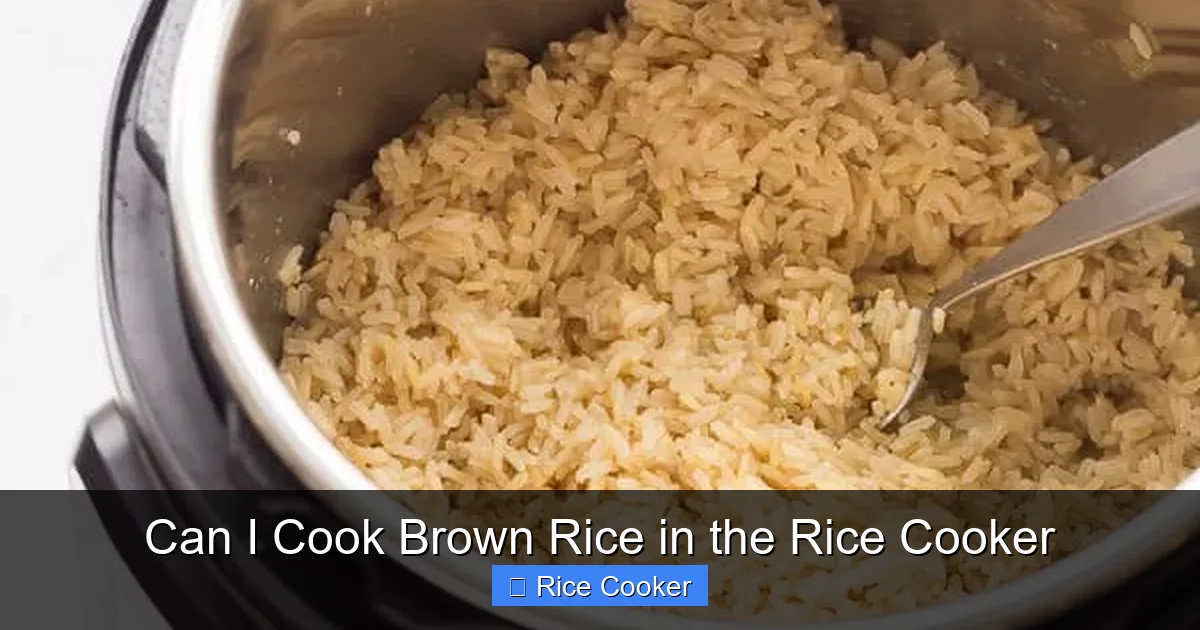
Can I cook brown rice in the rice cooker? Absolutely! With the right technique and timing, your rice cooker can produce tender, nutritious brown rice just as well as white rice. Brown rice takes a bit longer and requires more water, but modern rice cookers handle it beautifully with minimal effort. This guide walks you through everything you need to know—from preparation to cleanup—so you never have to wonder again.
Key Takeaways
- Yes, brown rice cooks perfectly in most rice cookers. Modern models are designed to handle both white and brown rice with ease.
- Use the correct water-to-rice ratio. Typically, 1:2.5 (rice to water) is ideal for brown rice, compared to 1:1.5 for white.
- Rinse the rice beforehand. Removing excess starch helps prevent clumping and improves texture.
- Soak brown rice for faster cooking. A 30-minute soak reduces cook time and softens the grains.
- Let the rice rest after cooking. Standing for 10–15 minutes ensures even moisture distribution.
- Clean your rice cooker regularly. Brown rice can leave more residue due to its bran layer.
- Experiment with flavors. Add herbs, broth, or spices during cooking for enhanced taste.
Quick Answers to Common Questions
Can I cook brown rice in any rice cooker?
Yes, most modern rice cookers can handle brown rice. Even basic models work fine, though advanced ones with specialized settings make it even easier.
How much water do I need for brown rice?
Use about 1.5 to 2 cups of water for every 1 cup of uncooked brown rice. Adjust based on your preferred texture.
Do I need to soak brown rice before cooking?
Soaking is optional but recommended—it reduces cook time and improves texture. Soak for 30–60 minutes before cooking.
Why is my brown rice still hard after cooking?
This usually means too little water was used or the rice wasn’t given enough time. Try increasing water and extending cook time next time.
Can I cook brown rice in a rice cooker with other grains?
Some rice cookers support mixed-grain cooking, but brown rice may need longer than other grains. Check your manual first.
📑 Table of Contents
- Introduction: The Simple Truth About Cooking Brown Rice
- Understanding Brown Rice vs. White Rice
- Step-by-Step Guide: How to Cook Brown Rice in a Rice Cooker
- Pro Tips for Perfect Brown Rice Every Time
- Common Mistakes to Avoid
- Health Benefits of Eating Brown Rice
- Creative Ways to Serve Brown Rice
- Conclusion: Why Brown Rice Belongs in Your Kitchen
Introduction: The Simple Truth About Cooking Brown Rice
You’ve probably asked yourself, “Can I cook brown rice in the rice cooker?” more than once. Maybe you’re trying to eat healthier, reduce white rice intake, or just want a more nutritious meal option. The good news? Yes—you absolutely can cook brown rice in your rice cooker, and it doesn’t require any special equipment or complicated steps. In fact, using a rice cooker might be one of the easiest ways to prepare brown rice at home.
Unlike traditional stovetop methods that demand constant attention and careful monitoring, a rice cooker does all the work for you. Whether you’re cooking a small batch for one or a large pot for the whole family, the rice cooker handles the science behind perfect grain texture. Brown rice, while nutritious and fiber-rich, has a tougher outer bran layer than white rice, which means it needs more time and water to cook properly. But don’t worry—your rice cooker is built for this challenge.
In this complete guide, we’ll walk you through everything you need to know about cooking brown rice in a rice cooker. From choosing the right type of rice to mastering the perfect water ratio and getting that fluffy, non-sticky result, we’ve got you covered. You’ll also learn pro tips like soaking, seasoning, and even how to store leftover brown rice so it stays fresh and delicious.
Understanding Brown Rice vs. White Rice
What Makes Brown Rice Different?
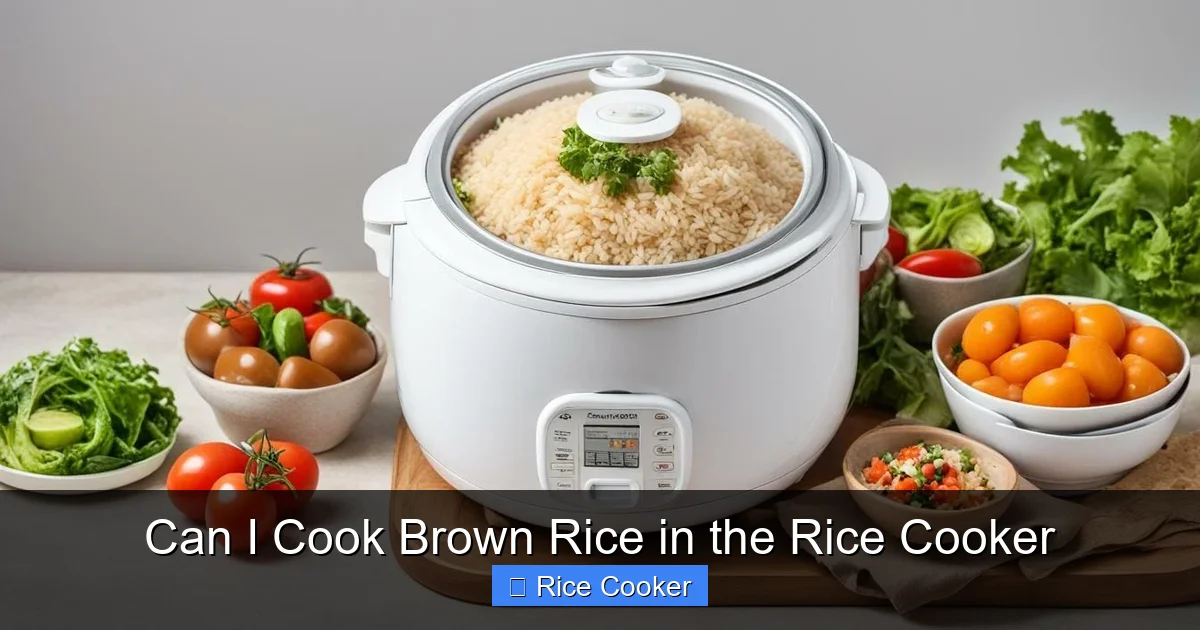
Before diving into the how-to, it’s important to understand why brown rice behaves differently from white rice when cooked. Brown rice is simply unpolished rice—meaning it retains its natural bran and germ layers. These layers give brown rice its nutty flavor, chewier texture, and higher nutritional value, including more fiber, magnesium, and B vitamins.
Visual guide about Can I Cook Brown Rice in the Rice Cooker
Image source: ricearray.org
However, those same bran layers also slow down the absorption of water and heat. That’s why brown rice takes longer to cook and often requires more water than white rice. If you’ve ever tried cooking brown rice on the stove and ended up with mushy or undercooked grains, you know how tricky it can be. But with a rice cooker, the process becomes much more reliable.
Why Use a Rice Cooker for Brown Rice?
Rice cookers use precise temperature control and steam regulation to cook grains evenly. Unlike boiling on the stove—where you risk overcooking the edges while the center remains hard—the rice cooker creates a consistent environment throughout the cooking cycle. Most modern rice cookers also come with settings specifically for brown rice, adjusting cook time and temperature automatically.
Additionally, rice cookers are energy-efficient and hands-off. Once you add your ingredients and press start, you can go about your day knowing your dinner will be ready when you are. No stirring, no watching the pot, no guesswork. It’s the ultimate convenience for busy households or anyone who wants foolproof results every single time.
Step-by-Step Guide: How to Cook Brown Rice in a Rice Cooker
Step 1: Choose the Right Brown Rice
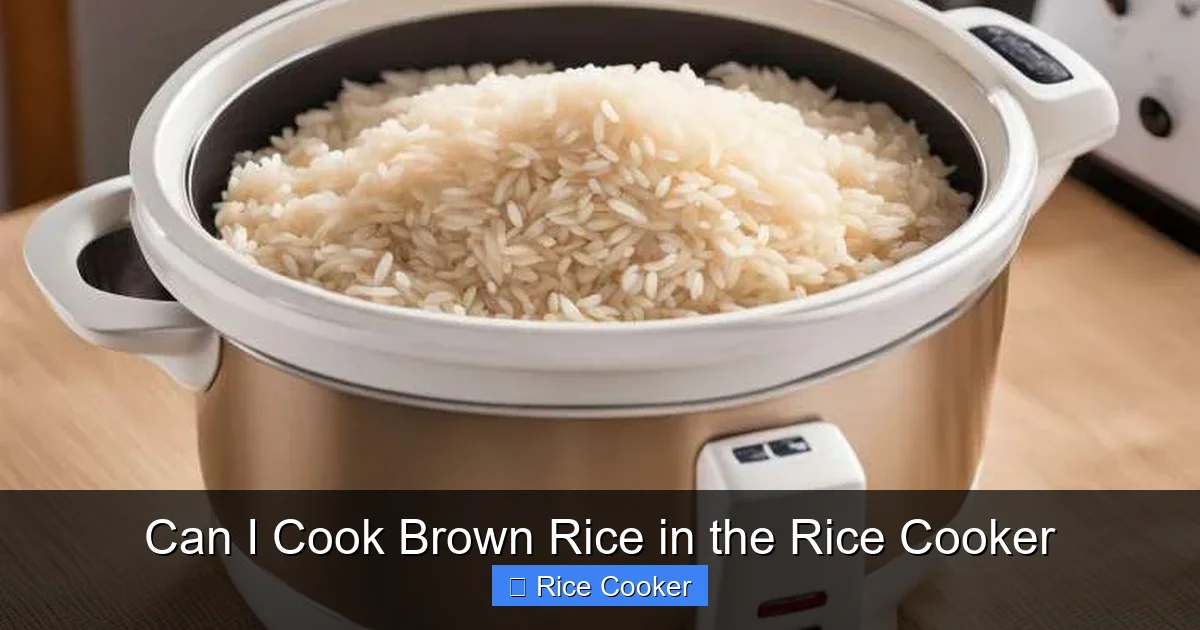
Not all brown rice is created equal. There are several varieties available, each with slightly different textures and cook times:
Visual guide about Can I Cook Brown Rice in the Rice Cooker
Image source: ricearray.org
- Long-grain brown rice: The most common type, ideal for dishes like stir-fries or pilafs. It tends to stay separate and fluffy.
- Short-grain brown rice: Stickier and creamier, great for sushi or risotto-style dishes.
- Jasmine brown rice: Fragrant and slightly sweet, similar to jasmine white rice but with extra nutrients.
- Basmati brown rice: Long, slender grains with a nutty aroma—perfect for Indian or Middle Eastern meals.
For beginners, long-grain brown rice is usually the best choice because it’s widely available and cooks predictably in most rice cookers.
Step 2: Measure and Rinse the Rice
Measuring accurately is key to success. Use a dry measuring cup for the rice, then transfer it to a fine-mesh strainer. Rinse the rice under cold running water for about 30 seconds to remove excess starch. This step prevents clumping and helps achieve a lighter texture.
Tip: Avoid rubbing the rice vigorously—just swish it gently in the water to clean it without damaging the grains.
Step 3: Add Water (or Broth)
The water-to-rice ratio is crucial. For brown rice, use approximately 1 cup of water per 2/3 cup of uncooked rice. So, if you’re cooking 1 cup of brown rice, use 1.5 cups of water. Some recipes call for even more water (up to 2 cups per 1 cup of rice), especially if you prefer softer grains or are making porridge-like consistency.
Using broth instead of water adds flavor. Chicken, vegetable, or even miso broth works wonderfully and makes the rice more aromatic. Just make sure the liquid isn’t too salty, or adjust accordingly.
Step 4: Optional – Soak the Rice
Soaking brown rice for 30 minutes before cooking reduces cook time by up to 20% and helps the grains absorb water more evenly. This is especially helpful if you’re short on time or using older rice that may be harder.
To soak: Place rinsed rice in a bowl, cover with room-temperature water, and let sit for 30–60 minutes. Drain before adding to the rice cooker.
Step 5: Cook and Let Rest
Add the rice (and any optional ingredients like salt, garlic, or herbs) to the inner pot of your rice cooker. Close the lid and select the “Brown Rice” setting if your model has one. If not, use the standard “Cook” function and allow extra time—usually around 45–50 minutes total.
Once the cooking cycle ends, let the rice sit undisturbed for 10–15 minutes. This resting period allows steam to redistribute moisture evenly, resulting in fluffier grains.
Step 6: Fluff and Serve
After resting, open the lid and fluff the rice gently with a fork. Avoid overmixing, which can break the grains. Then serve immediately, or keep warm in the rice cooker on the “Warm” setting for up to an hour.
Pro Tips for Perfect Brown Rice Every Time
Use a Timer for Precision
If your rice cooker doesn’t have a built-in timer, set a kitchen timer for the recommended cook time. Brown rice often needs 10–15 minutes longer than white rice, so patience pays off.
Don’t Lift the Lid During Cooking
Every time you lift the lid, steam escapes and disrupts the cooking process. Keep the lid closed until the cycle completes.
Adjust for Altitude
If you live at high altitude, you may need to increase water slightly or extend cook time. High altitudes mean lower air pressure, which affects boiling points and evaporation rates.
Store Leftovers Properly
Cooked brown rice keeps well in the refrigerator for up to 5 days. Store it in an airtight container and reheat with a splash of water or broth to restore moisture. You can also freeze portions in ice cube trays for quick future use.
Enhance Flavor Without Compromising Nutrition
Add a teaspoon of olive oil or butter to the cooking water for richness. Or toss in a bay leaf, a few peppercorns, or a pinch of turmeric for subtle flavor and color.
Common Mistakes to Avoid
Mistake 1: Using Too Little Water
Undercooked rice is a frequent issue with brown rice. Always err on the side of more water rather than less.
Mistake 2: Skipping the Rinse
Unrinsed rice can be gummy and sticky. Make rinsing a habit—it’s worth the extra minute.
Mistake 3: Overfilling the Pot
Most rice cookers have a max fill line. Exceeding this can cause overflow and mess. Stick to the guidelines in your manual.
Mistake 4: Not Letting It Rest
Serving hot off the cooker leads to uneven texture. Always let the rice sit after cooking.
Mistake 5: Ignoring Cleaning Needs
Brown rice leaves behind more residue due to its bran. Clean the inner pot and lid thoroughly after each use to prevent buildup and odors.
Health Benefits of Eating Brown Rice
More Fiber, More Satiety
Brown rice contains nearly four times more fiber than white rice. This aids digestion, supports gut health, and helps you feel full longer—great for weight management.
Lower Glycemic Index
Because of its complex carbohydrates and fiber, brown rice releases glucose slowly into the bloodstream, helping stabilize blood sugar levels.
Packed with Essential Nutrients
It’s rich in manganese, selenium, magnesium, and B vitamins—all vital for metabolism, nerve function, and energy production.
Supports Heart Health
Studies suggest regular consumption of brown rice may help lower cholesterol and reduce the risk of heart disease.
Eco-Friendly Choice
Brown rice has a shorter supply chain than processed foods and requires fewer chemical treatments, making it a more sustainable food option.
Creative Ways to Serve Brown Rice
Brown Rice Bowls
Top cooked brown rice with grilled chicken, roasted vegetables, avocado, and tahini dressing for a hearty, balanced meal.
Stuffed Peppers
Mix cooked brown rice with ground turkey, tomatoes, and spices, then stuff into bell peppers and bake until tender.
Rice Pudding
Cook brown rice with milk, cinnamon, and a touch of maple syrup for a comforting dessert that’s surprisingly nutritious.
Fried Rice
Use day-old cooked brown rice (dried slightly) with soy sauce, eggs, peas, and carrots for a wholesome twist on classic fried rice.
Salads
Cool cooked brown rice and mix with cucumber, cherry tomatoes, feta, and lemon vinaigrette for a refreshing lunch.
Burrito Bowls
Layers of brown rice, black beans, corn, salsa, and guacamole make for a satisfying vegetarian or vegan-friendly dish.
Conclusion: Why Brown Rice Belongs in Your Kitchen
Now that you know the answer to “Can I cook brown rice in the rice cooker?” is a resounding yes, there’s no excuse not to include this powerhouse grain in your weekly meals. With just a few simple steps and the right technique, your rice cooker can deliver perfectly cooked, nutritious brown rice every time.
Whether you’re new to healthy eating or just looking to upgrade your grain game, brown rice offers incredible benefits without sacrificing flavor or convenience. It’s versatile, easy to prepare, and pairs beautifully with almost any dish. Plus, using a rice cooker takes the guesswork out of the equation—so you can focus on enjoying your food rather than stressing over the process.
So go ahead—grab your rice cooker, measure out some brown rice, and get cooking. Your taste buds and your body will thank you.
Frequently Asked Questions
Is brown rice really healthier than white rice?
Yes, brown rice retains its bran and germ, giving it more fiber, vitamins, and minerals. It’s considered a whole grain and is linked to better digestion and lower disease risk.
How long does cooked brown rice last in the fridge?
Cooked brown rice stays fresh in the refrigerator for up to 5 days when stored in an airtight container.
Can I reheat brown rice without making it mushy?
Reheat with a splash of water or broth over low heat, covered, to retain moisture and texture. Avoid microwaving uncovered.
What’s the difference between brown basmati and regular brown rice?
Brown basmati has a distinct nutty aroma and long, slender grains. It cooks similarly to other brown rice but adds unique flavor to dishes.
Can kids eat brown rice?
Absolutely. Brown rice is safe and nutritious for children, provided they can chew it properly. It supports growing bodies with essential nutrients.
Does brown rice cook faster if I use a pressure cooker?
Yes, using a pressure cooker can significantly reduce cook time—often to 20–30 minutes—but traditional rice cookers still work well.